Disclosure: This post contains affiliate links. We may earn a commission at no extra cost to you.
When to Apply Eye Cream in Your Skincare Routine: The Complete Order Guide
Ever wonder if you're applying your eye cream at the wrong time? You might be layering products in the wrong order without even realizing it—and that could mean you're not getting the full benefit from your expensive eye cream.
The truth is, timing matters. Applying eye cream before or after the wrong product can reduce how well your skin absorbs it, dilute its ingredients, or even cause pilling under your makeup.
This guide walks you through exactly when to apply eye cream in both your morning and night routines, plus the most common timing mistakes that sabotage results.
Why Application Order Matters for Eye Cream Effectiveness
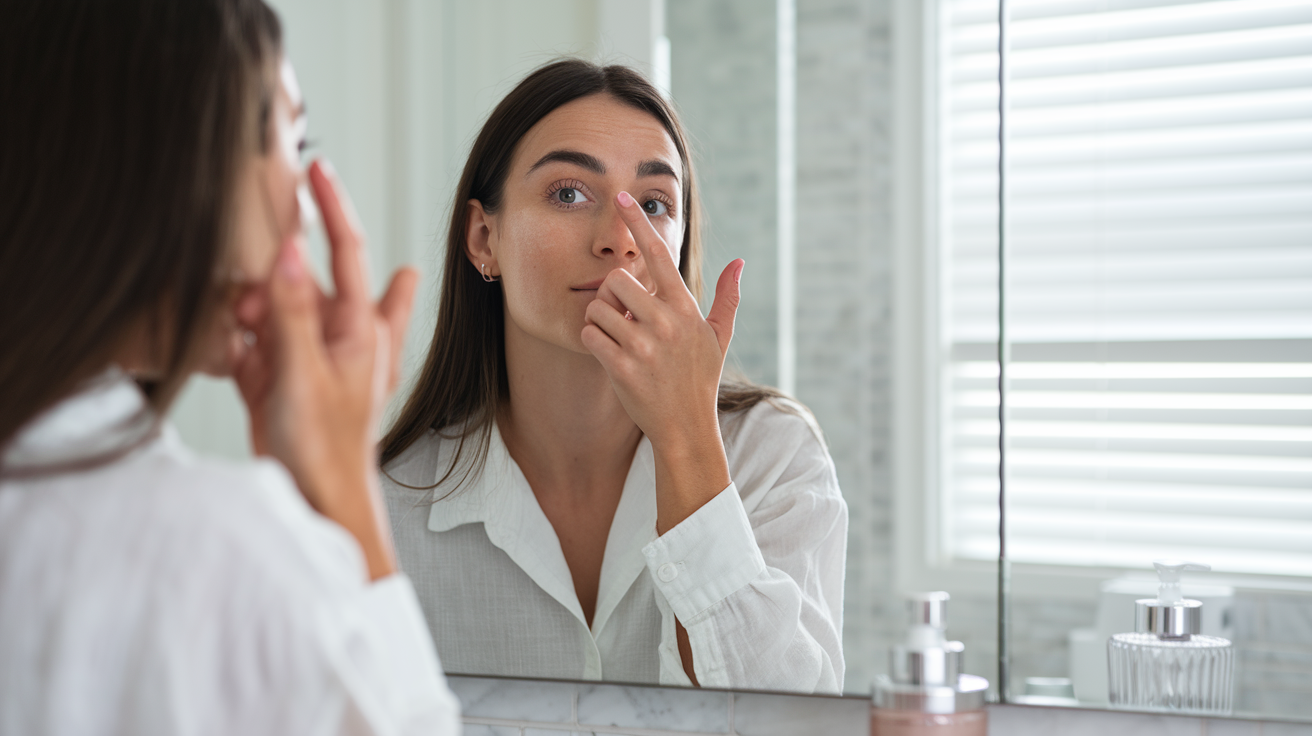
Your under-eye skin is the thinnest skin on your face. It needs targeted care, but it also needs the right delivery method.
When you layer skincare, the order determines what gets absorbed first. Products applied earlier create a base that later products sit on top of. If you apply a heavy moisturizer before your eye cream, the active ingredients in your eye cream may not reach the skin properly.
The general rule is to apply products from thinnest to thickest consistency. But eye creams don't always follow that rule perfectly—because they're designed for a specific zone.
Eye creams often contain peptides, ceramides, caffeine, or hyaluronic acid. These ingredients work best when they can make direct contact with clean, slightly damp skin. Applying them too late in your routine means they sit on top of other products instead of sinking in.
On the flip side, applying eye cream too early—like before a toner or essence—can block those lighter products from penetrating.
So the sweet spot is right after your lightest water-based treatments, but before your heavier creams and oils.
Morning Routine: Exact Steps for Applying Eye Cream
Your morning routine is about hydration, protection, and prep for makeup. Here's the exact order:
Step 1: Cleanser
Start with a gentle gel or cream cleanser. Rinse with lukewarm water and pat your face dry, leaving it slightly damp.
Step 2: Toner or Essence
If you use a hydrating toner or essence, apply it now. These watery formulas prep your skin to absorb everything that comes next.
Step 3: Eye Cream
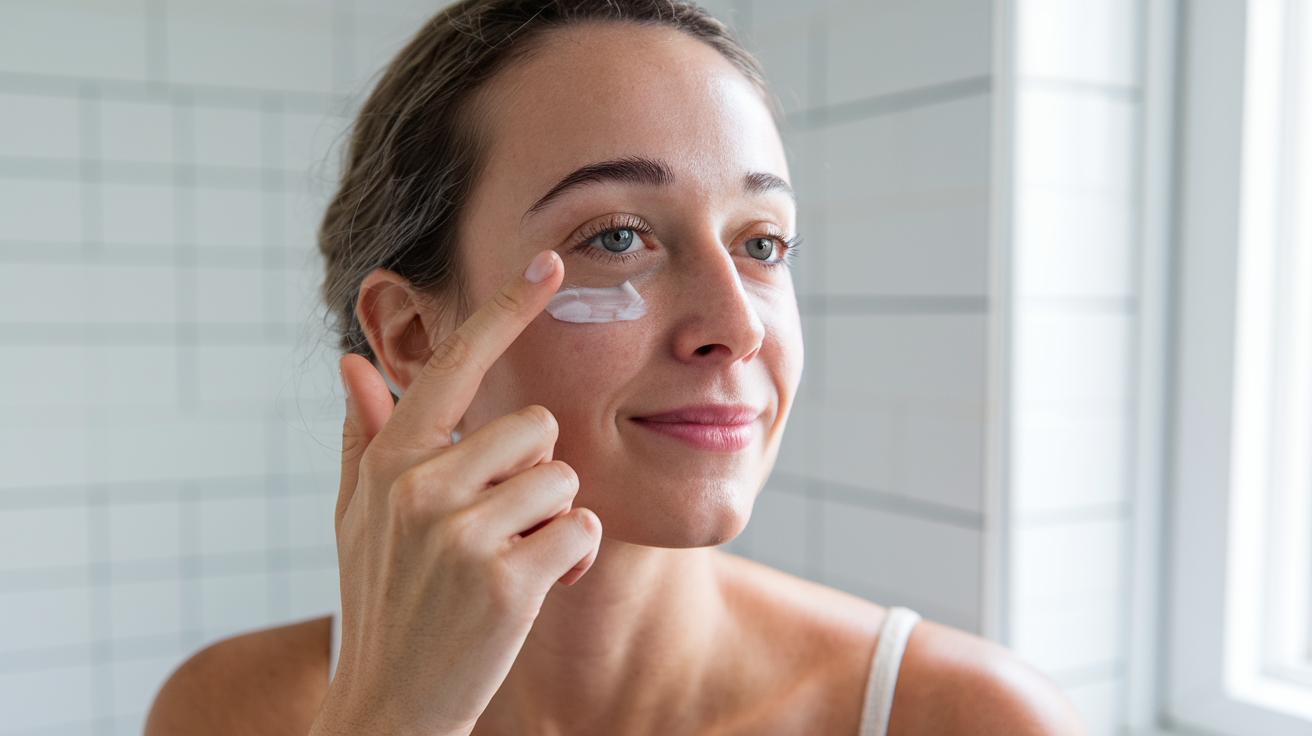
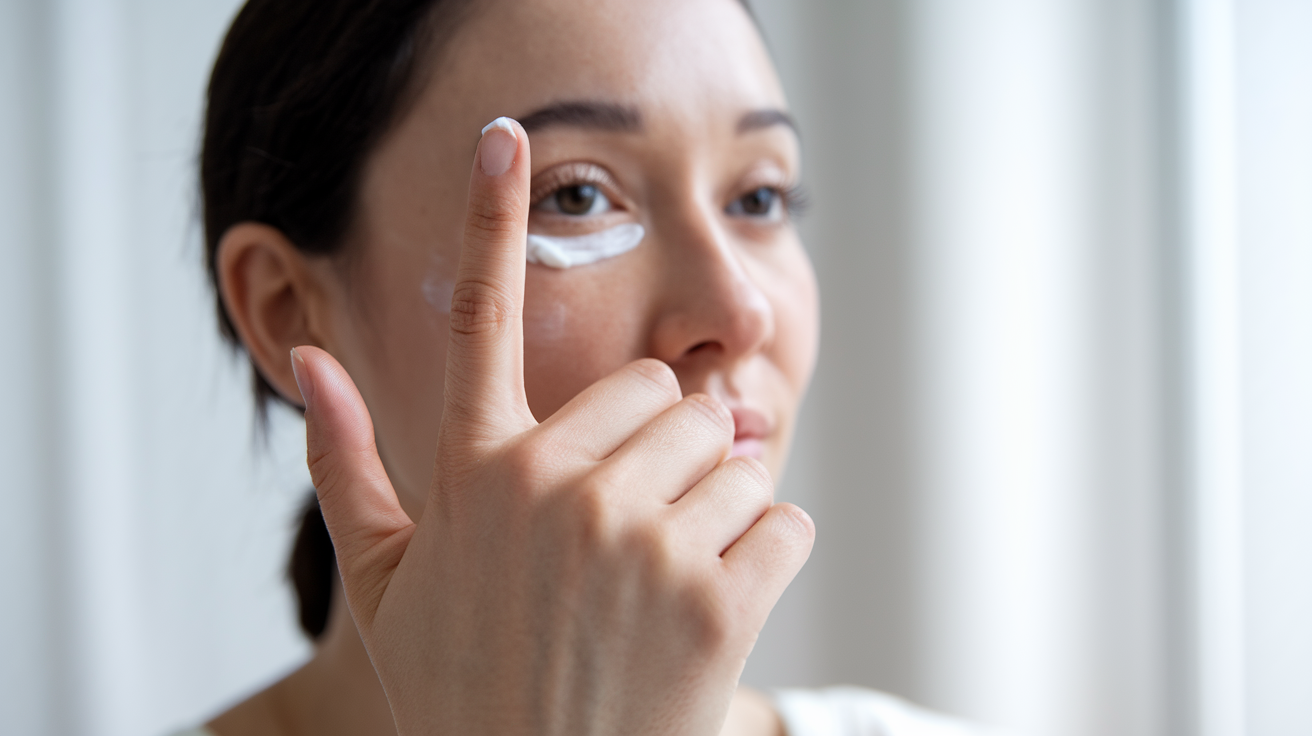
This is your moment. Take a rice-grain-sized amount of eye cream and gently tap it along your orbital bone using your ring finger. Avoid rubbing or pulling. Let it absorb for 30 to 60 seconds.
Step 4: Serums
Apply your vitamin C serum, niacinamide, or other treatment serums to the rest of your face. Keep serums away from the immediate under-eye area if you've already applied eye cream—unless the serum is specifically designed for eyes.
Step 5: Moisturizer
Lock everything in with your face moisturizer. You can gently blend it up to the edge of where your eye cream sits, but don't layer it directly on top.
Step 6: SPF
Finish with sunscreen on your entire face, including around your eyes. Choose a mineral SPF if you have sensitive eyes that water easily with chemical filters.
This order ensures your eye cream absorbs properly and doesn't interfere with makeup application later.
Tired of seeing under-eye lines before you see yourself?
If the tiny creases under your eyes make you look more tired than you feel, this guide shows the simple under-eye routine that helps soften the look of dry lines, crepey texture, and tired skin without guessing or wasting weeks on random products.
Night Routine: When to Layer Eye Cream with Retinol and Serums
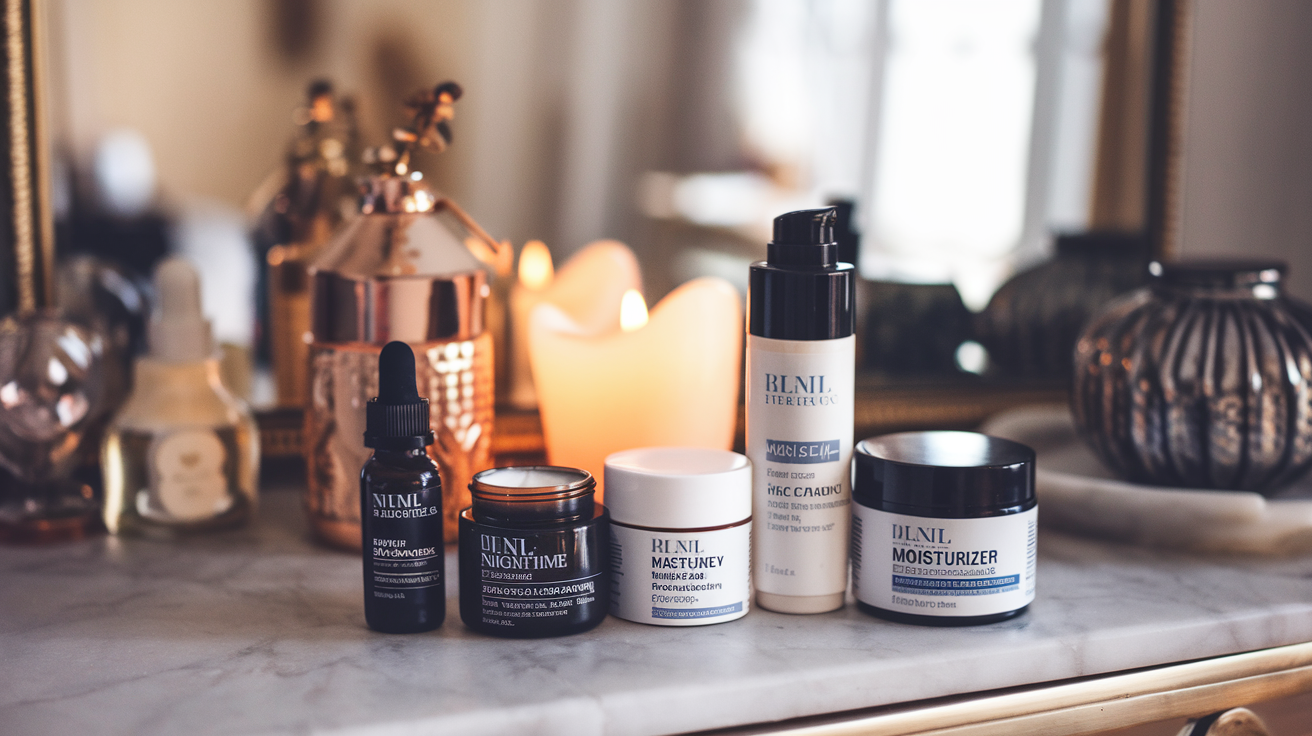
Your nighttime routine is where things get a little trickier—especially if you're using retinol or other active treatments.
Here's the safest and most effective nighttime order:
Step 1: Double Cleanse
Start with an oil-based cleanser to remove makeup and SPF, then follow with a water-based cleanser. Pat dry, leaving skin slightly damp.
Step 2: Toner or Essence
Apply your hydrating or exfoliating toner if you use one. If you're using an acid toner like glycolic or lactic acid, wait a few minutes before moving to the next step.
Step 3: Eye Cream (First Application)
If you're using retinol or another strong active on your face, apply your eye cream now—before the retinol. This creates a buffer zone and prevents irritation from migrating into the delicate under-eye area.
Step 4: Retinol or Treatment Serum
Apply your retinol, peptide serum, or other treatment to the rest of your face. Avoid the immediate eye area. If you want to use retinol near your eyes, choose an eye-specific retinol product and apply it separately after your regular eye cream has absorbed.
Step 5: Face Moisturizer
Seal in your treatments with a nourishing night cream or facial oil.
Some people prefer to apply eye cream as the very last step at night, especially if they're using a rich, occlusive eye balm. That works too—just make sure your other actives have fully absorbed first.
If you want a step-by-step breakdown of how to build a complete anti-aging eye routine that layers correctly with retinol, check out this affiliate one for more details.
Common Timing Mistakes That Reduce Eye Cream Results
Even if you're using a great eye cream, these timing mistakes can quietly undermine your results.
Mistake 1: Applying Eye Cream on Dry Skin
Eye cream works best on slightly damp skin. If your face is completely dry, the product sits on the surface instead of sinking in. Pat your skin with water or apply right after toner for better absorption.
Mistake 2: Layering Eye Cream After a Heavy Moisturizer
If you apply a thick face cream first, your eye cream has no way to penetrate. Always apply eye cream before your moisturizer—not after.
Mistake 3: Using Too Much Product
More is not better. Using too much eye cream can cause pilling, milia, or puffiness. A rice-grain-sized amount per eye is plenty.
Mistake 4: Rubbing Instead of Tapping
Rubbing tugs at delicate skin and can make fine lines look worse over time. Always use gentle tapping motions with your ring finger, which applies the least pressure.
Mistake 5: Skipping Eye Cream in the Morning
Many people only use eye cream at night, but morning application is just as important. It hydrates the under-eye area, preps it for concealer, and helps reduce the appearance of puffiness from sleep.
Mistake 6: Applying Retinol Directly Under the Eyes
Unless your retinol product is specifically formulated for eyes, keep it away from the orbital bone. Retinol can migrate and cause redness, flaking, or sensitivity. Use a separate retinol eye cream if you want that ingredient near your eyes.
Mistake 7: Not Waiting Between Steps
Rushing through your routine means products don't have time to absorb. Give your eye cream at least 30 seconds to a minute before applying the next product. This prevents pilling and helps each layer work properly.
If you're still not seeing smoother-looking skin after fixing these mistakes, the issue might not be timing—it could be the formula itself. This affiliate one explains which ingredient combinations actually help reduce the appearance of under-eye lines and which ones just sit on the surface.
Getting your eye cream timing right doesn't require a complicated routine. It just requires a little structure. Apply it after your lightest water-based products, before your moisturizer, and always on slightly damp skin. Avoid the most common mistakes, and you'll give your under-eye area the best chance to look smoother, more hydrated, and less tired-looking over time.