Disclosure: This post contains affiliate links. We may earn a commission at no extra cost to you.
Should You Use Different Eye Creams Morning and Night? The Truth About AM vs PM Formulas
Have you ever wondered if you actually need two separate eye creams—one for morning and one for night? Maybe you've seen beauty influencers with drawers full of different formulas, or you've walked past the skincare aisle and noticed products labeled specifically for AM or PM use. It sounds like a marketing ploy, right?
Here's the truth: your skin around the eyes has different needs at different times of day. In the morning, that delicate area needs protection and support for makeup. At night, it needs repair and hydration. Using targeted formulas for each time of day can make a real difference in how your under-eye area looks and feels.
Why Morning and Night Eye Creams Serve Different Purposes
Think about what your eye area faces during the day versus at night. In the morning, you're about to step outside. Your skin will encounter UV rays, blue light from screens, pollution, and environmental stress. Your eye cream needs to act like a shield.
At night, your skin shifts into repair mode. While you sleep, cell turnover speeds up and your skin works to recover from the day's damage. This is when heavier, more active ingredients can do their best work without interference from sun exposure or makeup.
Morning eye creams are typically lighter in texture. They absorb quickly and create a smooth base for concealer. Many contain caffeine to temporarily reduce puffiness and give you a more awake appearance. They also include antioxidants that help protect against free radical damage throughout the day.
Nighttime formulas are often richer and more concentrated. They don't need to sit well under makeup, so they can be more emollient. These creams focus on hydration, nourishment, and supporting your skin's natural renewal process while you rest.
Tired of seeing under-eye lines before you see yourself?
If the tiny creases under your eyes make you look more tired than you feel, this guide shows the simple under-eye routine that helps soften the look of dry lines, crepey texture, and tired skin without guessing or wasting weeks on random products.
Key Ingredients for Your Morning Eye Cream Routine
When you're choosing a morning eye cream, look for ingredients that protect and prep. SPF is non-negotiable if your eye cream includes it, though many people prefer to layer a separate sunscreen. Either way, sun protection around the eyes is essential for preventing future damage.
Caffeine is a morning star ingredient. It works by constricting blood vessels temporarily, which can reduce the appearance of puffiness and dark circles. If you wake up with puffy under-eyes, a caffeine-infused formula can help you look more refreshed.
Antioxidants like vitamin C, green tea extract, and niacinamide help defend against environmental stressors. Vitamin C can also brighten the look of the under-eye area over time, making it appear less dull and more even-toned.
Peptides are another great addition to morning formulas. They help support skin firmness and can give the eye area a smoother-looking appearance. Since they're lightweight, they layer well under makeup.
Hydrating ingredients like hyaluronic acid and glycerin plump the skin with moisture, which can temporarily soften the appearance of fine lines. This makes your under-eye area look smoother and more awake throughout the day.
Essential Ingredients for Your Nighttime Eye Cream
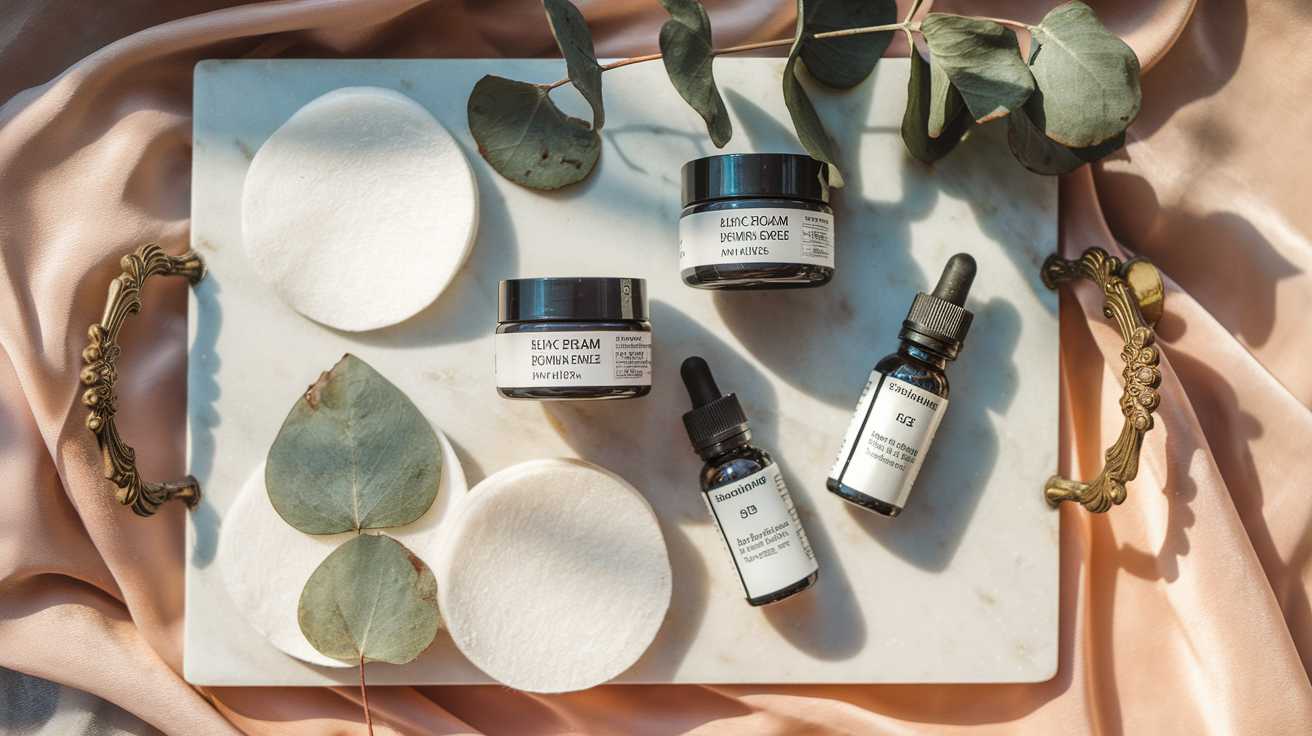
Nighttime is when you can bring in the heavier hitters. Retinol is one of the most studied ingredients for supporting skin renewal and reducing the appearance of fine lines. Because retinol can increase sun sensitivity, it's best used at night.
If you're new to retinol around the eyes, start slowly. Use a low concentration and apply it just a few nights per week. The skin around your eyes is thinner and more sensitive than the rest of your face, so it needs a gentler approach.
Ceramides and fatty acids help restore the skin's moisture barrier while you sleep. This is especially helpful if your under-eye area feels dry or looks crepey. A stronger moisture barrier means smoother, more resilient-looking skin.
Bakuchiol is a plant-based alternative to retinol that's gentler and doesn't cause the same sensitivity. It's a good option if your skin doesn't tolerate retinol well but you still want the benefits of a renewal-focused ingredient.
For those dealing with deeper hydration needs, look for squalane, shea butter, or rich oils. These ingredients lock in moisture and give the skin time to absorb nourishment without the pressure of needing to apply makeup on top.
If you want more guidance on creating a complete under-eye routine that targets your specific concerns, check out this affiliate one for a step-by-step breakdown.
Can You Use the Same Eye Cream Twice Daily?
So what happens if you only want to buy one eye cream? Can you use the same formula morning and night?
Yes, you absolutely can. It's not a skincare crime. If you're on a budget or you're just starting out with eye care, using one good eye cream consistently is better than skipping it altogether.
That said, you'll get more targeted benefits if you choose formulas designed for specific times of day. If you're only going to use one, pick based on your biggest concern.
If puffiness and dark circles are your main issues, go with a lightweight morning formula that includes caffeine and antioxidants. You can use it at night too—it just won't deliver the same deep hydration or renewal support as a nighttime cream.
If dryness, fine lines, and crepey texture bother you most, choose a richer nighttime formula with ceramides or retinol. You can use it in the morning, but it may feel too heavy under makeup or take longer to absorb.
Some people split the difference by using a lightweight formula in the morning and layering a richer treatment or facial oil over it at night. This gives you flexibility without needing to buy two separate eye creams.
Another option is to use your regular eye cream twice daily and add a targeted treatment—like a vitamin C serum or a retinol eye gel—just at night. This way, you're still getting the benefits of AM and PM care without doubling up on full-sized products.
If you're ready to build a more customized routine that addresses your specific under-eye concerns, this affiliate one walks you through how to layer products effectively and choose the right ingredients for your skin type.
Ultimately, the best eye care routine is the one you'll actually stick with. Whether that's one cream or two, consistency matters more than perfection. Pay attention to how your skin responds, adjust as needed, and give your products time to work. Your under-eye area will thank you.