Disclosure: This post contains affiliate links. We may earn a commission at no extra cost to you.
Can You Use Face Moisturizer Under Your Eyes Instead of Eye Cream?
Have you ever stood in front of your bathroom mirror, moisturizer in hand, and wondered if you really need a separate product just for your eyes? It's a fair question. Eye creams are expensive, the jars are tiny, and your face moisturizer seems to work just fine everywhere else. So why can't it work under your eyes too?
The truth is a bit more nuanced than the beauty industry might lead you to believe. Sometimes your face moisturizer can absolutely work under your eyes. Other times, it might be making things worse. Let's break down exactly when you can skip the eye cream and when you really do need something different.
Key Differences Between Eye Cream and Face Moisturizer Formulations
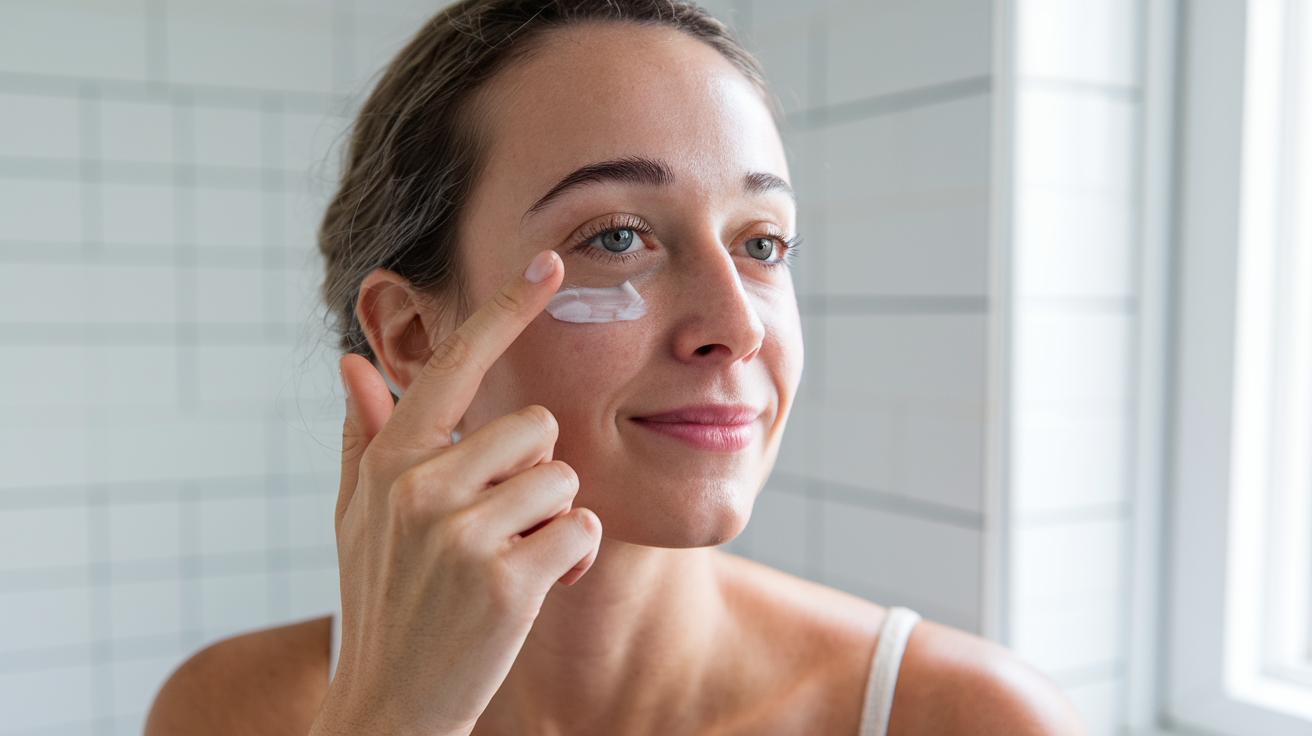
Eye creams and face moisturizers aren't identical twins in different packaging. The formulations are actually designed with different skin needs in mind.
Face moisturizers tend to have larger molecular structures and heavier occlusives. They're built to handle the thicker, more resilient skin on your cheeks, forehead, and chin. Many contain active ingredients at higher concentrations because the rest of your face can tolerate more without irritation.
Eye creams, on the other hand, use lighter textures and gentler formulations. The molecular size of the ingredients is often smaller to penetrate the thinner under-eye skin more effectively. They typically avoid heavy fragrances, essential oils, and certain actives that can cause puffiness or irritation around the eyes.
The pH levels can differ too. Eye creams are usually formulated closer to the natural pH of tear fluid to prevent stinging or watering. Your face moisturizer might not have that same consideration, which is why some creams burn when they migrate into your eyes during the night.
That said, not all face moisturizers are created equal. Some gentle, fragrance-free formulas are mild enough to use anywhere on your face, including under your eyes.
Why the Under Eye Area Has Unique Skincare Needs
The skin under your eyes is wildly different from the skin on the rest of your face. It's about ten times thinner, with fewer oil glands and less natural moisture retention. This makes it more prone to showing signs of aging earlier and more visibly.
Because the under-eye area is so delicate, it reacts differently to products. Ingredients that work beautifully on your cheeks might cause milia, puffiness, or irritation under your eyes. The lack of sebaceous glands means this area can't produce its own protective oils, so it needs hydration from external sources.
The constant movement from blinking and facial expressions also puts stress on this thin skin. Over time, that repetitive motion combined with dryness can contribute to the appearance of fine lines and crepey texture.
Another unique factor is fluid accumulation. The under-eye area is prone to puffiness because of lymphatic drainage patterns and the way fluids settle during sleep. Heavy face creams can sometimes make this worse, especially if they contain ingredients that trap water or cause mild inflammation.
If you want to understand exactly how to care for this delicate area without second-guessing every product, this affiliate one walks you through the complete approach to under-eye skincare that actually makes sense.
Tired of seeing under-eye lines before you see yourself?
If the tiny creases under your eyes make you look more tired than you feel, this guide shows the simple under-eye routine that helps soften the look of dry lines, crepey texture, and tired skin without guessing or wasting weeks on random products.
When Face Moisturizer Under Eyes Actually Works
There are plenty of situations where your regular face moisturizer can double as an eye treatment. The key is knowing what to look for and what to avoid.
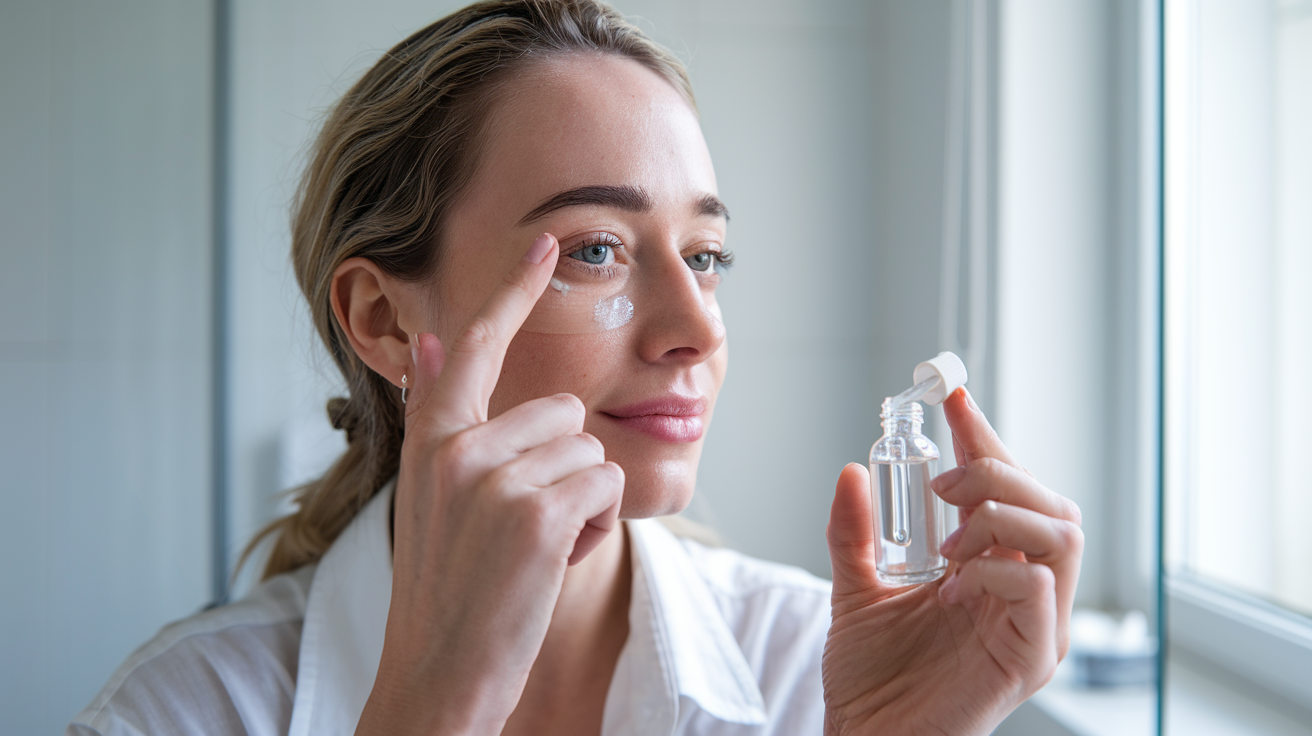
If your face moisturizer is fragrance-free, lightweight, and formulated for sensitive skin, it's probably safe to use under your eyes. Ingredients like hyaluronic acid, glycerin, ceramides, and niacinamide are gentle enough for the eye area and can help support smoother-looking, more hydrated skin.
You can also use your face moisturizer under your eyes if you're in your twenties or early thirties and don't have specific under-eye concerns yet. At this stage, prevention and hydration are usually enough, and a good all-over moisturizer can handle both.
Another scenario where face cream works fine is if you have very dry skin everywhere, including under your eyes. As long as the formula doesn't irritate you or cause puffiness, there's no harm in using the same product all over.
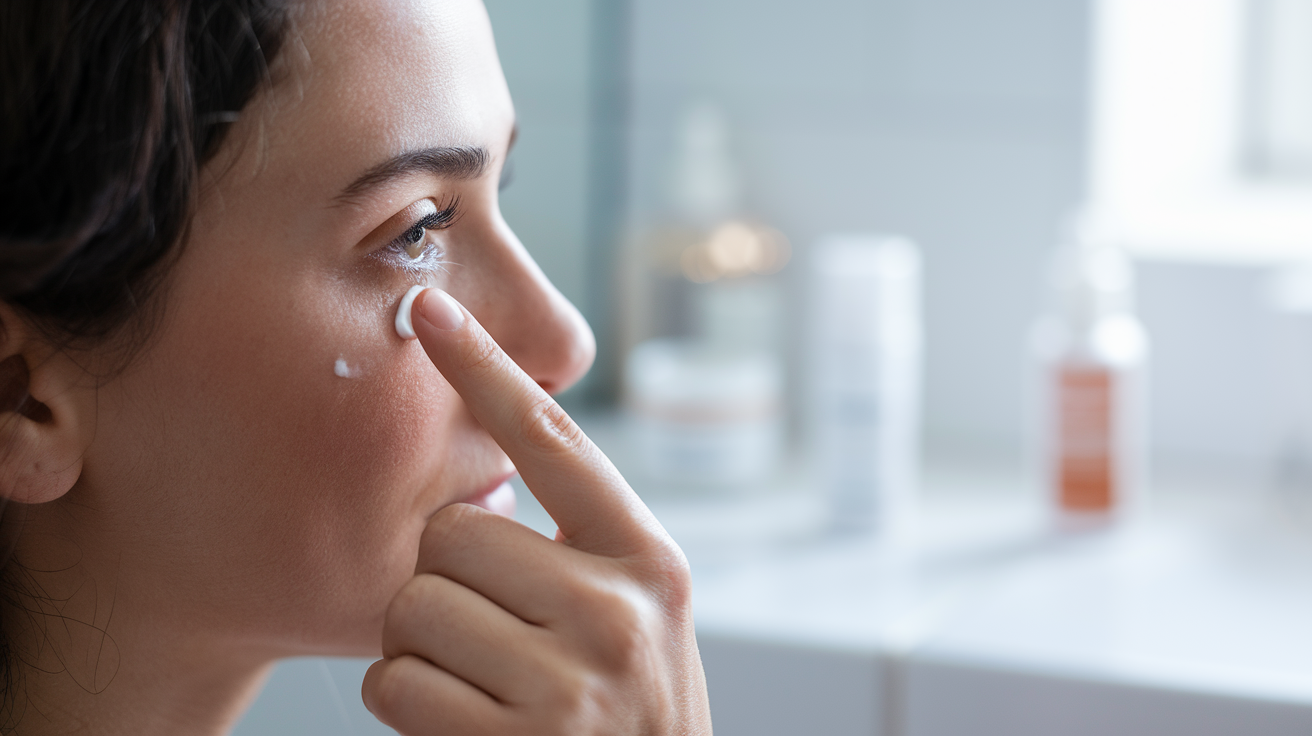
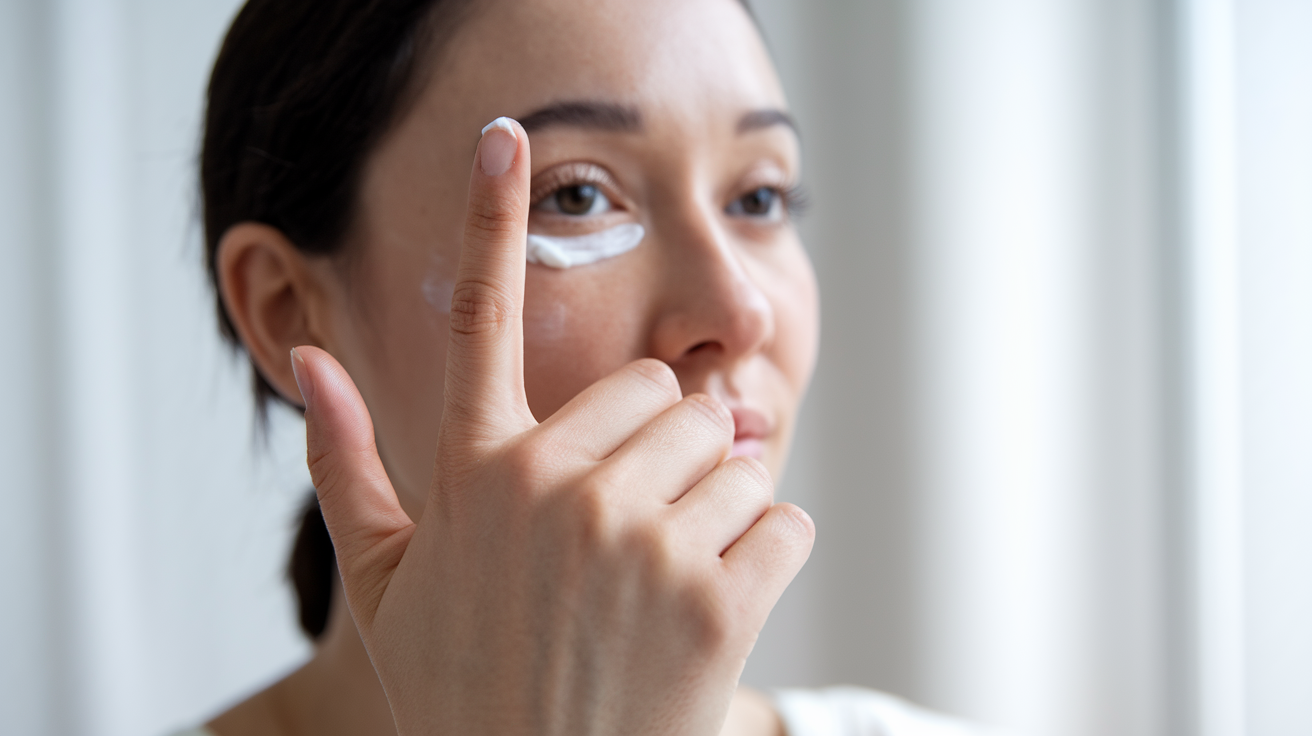
Just make sure you're applying it gently. Pat it in with your ring finger rather than rubbing or pulling at the skin. This minimizes mechanical stress and helps the product absorb without tugging.
And if your moisturizer contains retinol or strong acids, be cautious. These ingredients can be too intense for the under-eye area and might cause redness, flaking, or sensitivity. If you do use them, apply sparingly and only if you've built up tolerance.
Signs You Need a Dedicated Eye Cream Instead
Sometimes your face moisturizer just isn't cutting it for the under-eye area. Here are the clear signs it's time to invest in a dedicated eye cream.
If you wake up with puffy eyes or notice swelling after applying your moisturizer, that's a red flag. Your face cream might be too heavy or contain ingredients that encourage fluid retention around the eyes. An eye cream formulated with caffeine or peptides can help reduce the appearance of puffiness without adding bulk.
Another sign is persistent dryness or crepey texture that doesn't improve no matter how much moisturizer you use. The under-eye area might need more targeted hydration with ingredients specifically designed to plump and smooth the look of fine lines.
If your face cream stings, burns, or makes your eyes water, stop using it under your eyes immediately. This is a sign the formula is too harsh for that delicate skin. Switch to an ophthalmologist-tested eye cream that won't cause irritation.
You might also need a dedicated eye cream if you have specific concerns like dark circles or visible signs of aging around the eyes. Eye creams can include brightening agents like vitamin C or light-reflecting particles that help the under-eye area look less tired and more awake.
Finally, if you're over 35 and starting to notice more visible changes in the under-eye area, a targeted eye cream can offer more concentrated support. These formulas are designed to address the unique needs of maturing skin in a way that general face moisturizers often can't.
For a complete breakdown of how to choose the right products and build an effective under-eye routine that actually fits your skin, check out this affiliate one that covers everything from ingredient selection to application techniques.
At the end of the day, whether you use face moisturizer or eye cream under your eyes depends on your skin, your concerns, and how your current products are performing. There's no one-size-fits-all answer, but paying attention to how your skin responds will guide you to the right choice.