Disclosure: This post contains affiliate links. We may earn a commission at no extra cost to you.
Eye Cream Before or After Moisturizer? The Right Order for Best Results
Are you applying your eye cream at the wrong time? It sounds like a simple question, but the order you layer your skincare products can make a real difference in how well they absorb and work on your delicate under-eye area. If you've been slathering on expensive eye cream but still dealing with dry lines and tired-looking eyes, the problem might not be the product itself—it might be when you're using it.
Let's clear up the confusion once and for all. The short answer: eye cream goes on before moisturizer. But understanding why this matters will help you make smarter choices with your entire skincare routine.
Why Application Order Matters for Eye Cream Effectiveness
The skin around your eyes is thinner and more delicate than the rest of your face. It has fewer oil glands, which means it tends to get drier faster and shows signs of aging sooner. That's why eye creams exist in the first place—they're formulated specifically for this sensitive area.
When you layer skincare products, thinner formulas should always go on first, followed by thicker ones. This is because lighter products can't penetrate through heavier barriers. If you apply a thick face moisturizer first and then try to pat on eye cream, that cream is essentially sitting on top of an occlusive layer rather than being absorbed where it needs to work.
Think of it like painting a wall. You wouldn't put primer over paint, right? The same logic applies here. Your skin absorbs products from thinnest to thickest, so the order really does matter.
Most eye creams have a lighter, more targeted texture than face moisturizers. They're designed to absorb quickly into that fragile under-eye skin without weighing it down or causing puffiness. When applied in the correct sequence, they can help support the skin barrier and provide hydration where it's needed most.
The Correct Skincare Layering Sequence Explained
Here's the general rule for layering your anti-aging skincare routine, from first to last:
Cleanser → Toner or essence → Serum → Eye cream → Moisturizer → SPF (morning only)
Notice where eye cream falls? It comes after your treatment serums but before your heavier face moisturizer. This placement lets the active ingredients in your eye cream absorb properly without being blocked by thicker creams.
If you're using multiple serums, apply them from thinnest to thickest. For example, a watery hyaluronic acid serum would go on before a thicker vitamin C serum. Then comes your eye cream, followed by your face moisturizer to seal everything in.
Tired of seeing under-eye lines before you see yourself?
If the tiny creases under your eyes make you look more tired than you feel, this guide shows the simple under-eye routine that helps soften the look of dry lines, crepey texture, and tired skin without guessing or wasting weeks on random products.
One thing to note: if you're using a retinol product, the placement can vary. Some dermatologists recommend applying retinol after moisturizer to buffer irritation, especially around the eyes. Others suggest using a separate retinol eye cream in place of your regular eye cream. The key is to follow the specific instructions for your retinol product, and if you're new to retinol, consider checking out affiliate one for guidance on incorporating it safely into your routine.
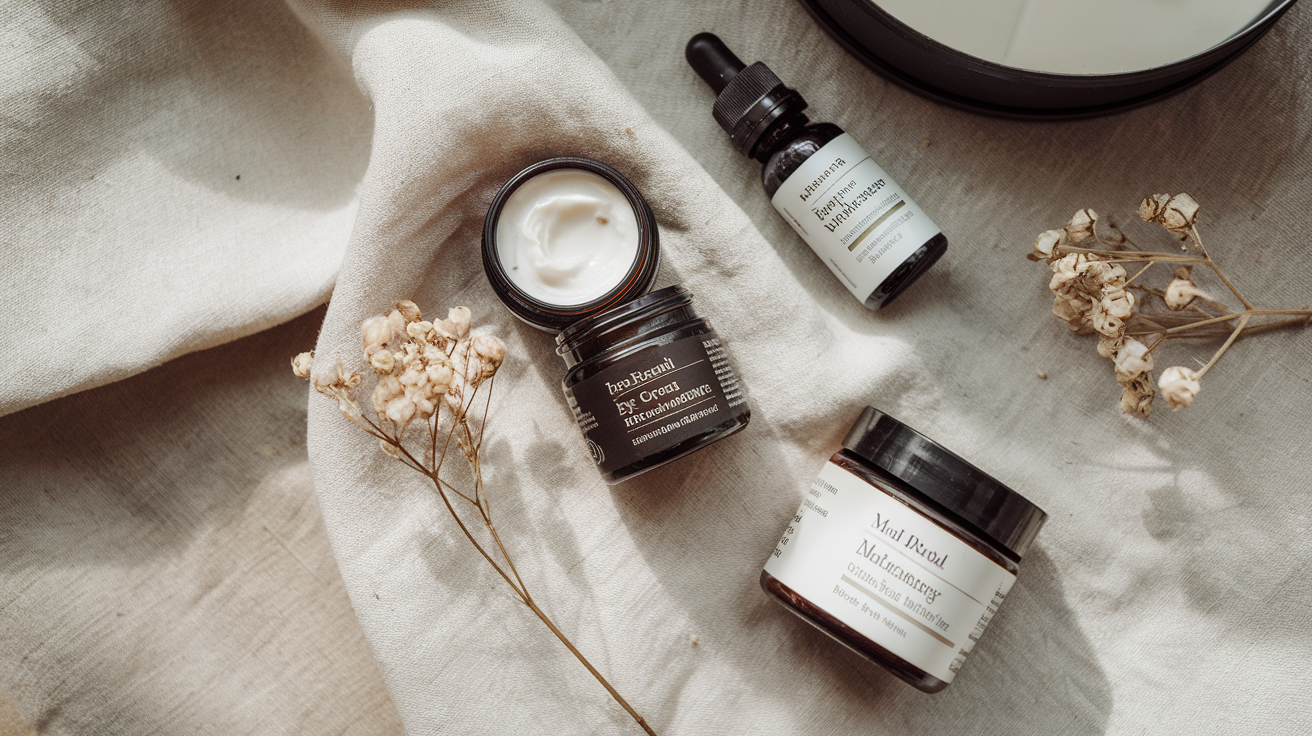
Step-by-Step Guide: When to Apply Eye Cream in Your Routine
Let's walk through exactly how to apply your eye cream for the best absorption and comfort.
Step 1: Start with a clean face. Use a gentle cleanser that won't strip your skin. Pat dry with a soft towel, leaving your skin slightly damp—this helps with product absorption.
Step 2: Apply any toners or essences. These watery products prep your skin and add a layer of hydration. Pat them in gently with your fingertips.
Step 3: Layer on your serums. Whether it's hyaluronic acid, vitamin C, or peptides, apply these targeted treatments while your skin is still slightly damp. Use the thinnest formulas first.
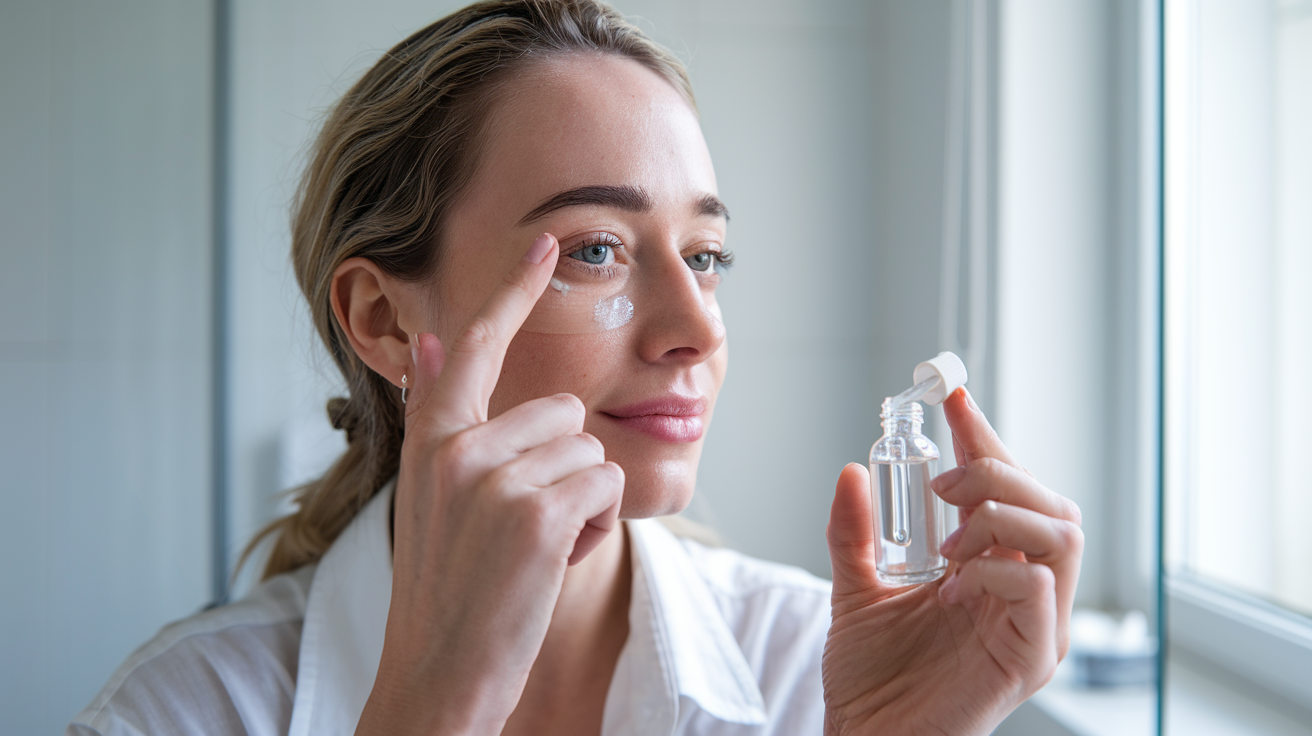
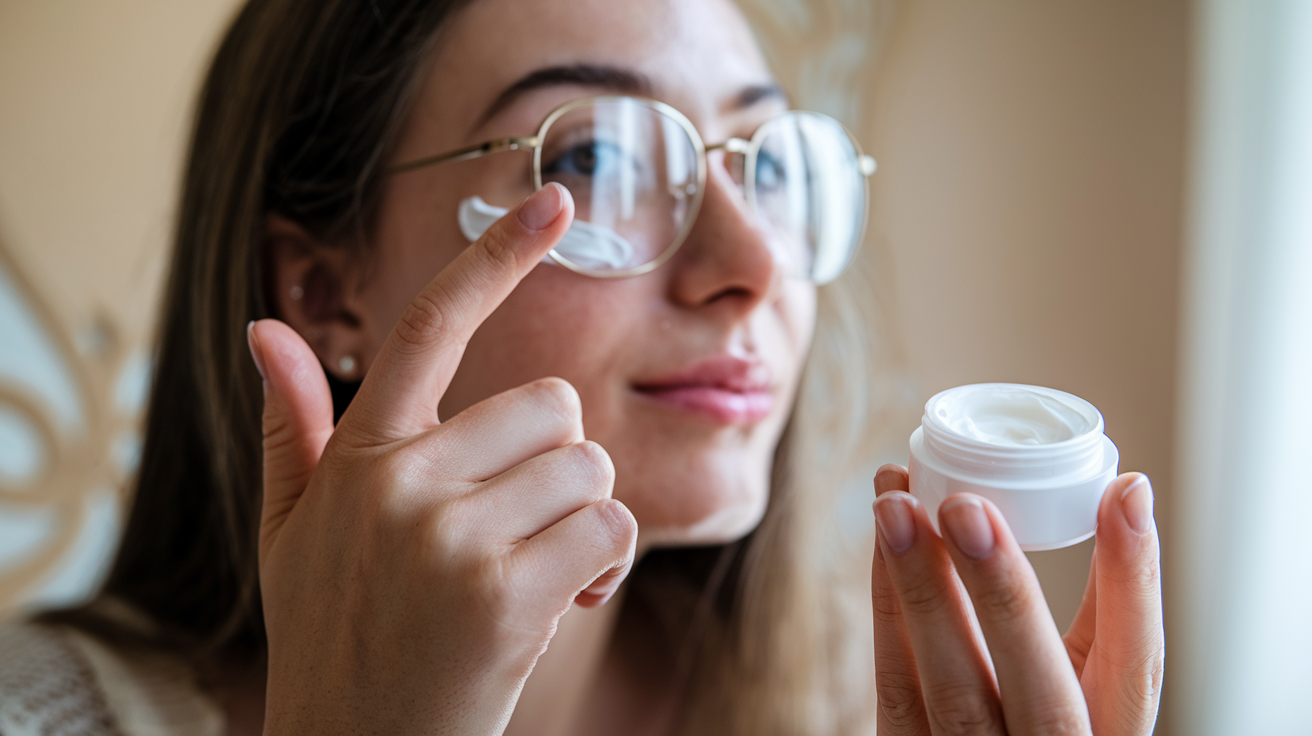
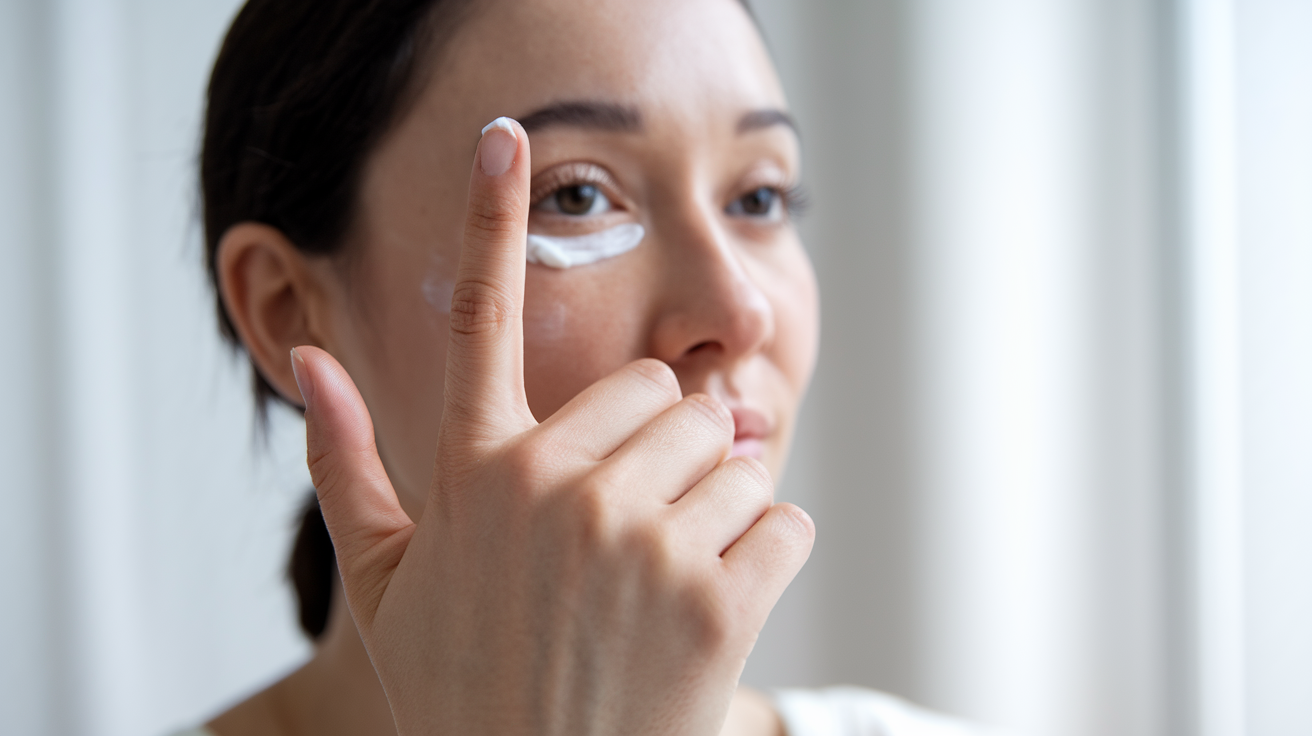
Step 4: Now it's eye cream time. Take a rice-grain-sized amount (that's really all you need—too much can cause puffiness) and dot it along your orbital bone. That's the bony area that circles your eye socket. Use your ring finger to gently pat—never rub—the cream until it's absorbed. Avoid getting too close to your lash line.
Step 5: Follow with face moisturizer. Once your eye cream has absorbed for about 30 seconds to a minute, apply your regular face moisturizer to the rest of your face and neck. You can bring it up to the outer edges of where you applied eye cream, but don't layer it directly over the eye area—that can dilute the eye cream or cause milia (those tiny white bumps).
Step 6: Finish with SPF in the morning. Sun protection is non-negotiable for anti-aging. Choose a sunscreen that won't sting your eyes or cause irritation.
If you want more detailed steps on building an effective under-eye routine, affiliate one breaks down the exact products and techniques that work well for mature skin.
Common Mistakes That Reduce Eye Cream Benefits
Even if you're applying your eye cream at the right time, these common mistakes can sabotage your results:
Using too much product. More is not better with eye cream. The skin around your eyes can only absorb so much, and excess product can migrate into your eyes, cause puffiness, or lead to milia. Stick to a pea-sized amount for both eyes—or even less.
Rubbing instead of patting. The skin around your eyes is delicate. Aggressive rubbing can contribute to more visible lines and cause irritation. Always use a gentle patting motion with your ring finger, which naturally applies the least pressure.
Applying eye cream too close to the lash line. Your body heat will naturally cause the product to migrate slightly, so if you apply it right up to your lashes, it can end up in your eyes. Stick to the orbital bone area.
Skipping eye cream because you think face moisturizer is enough. Face moisturizers aren't formulated for the unique needs of under-eye skin. They're often too heavy, can cause milia, or simply don't address concerns like dark circles and fine lines the way a targeted eye cream does.
Not being consistent. Eye creams work best when used twice daily—morning and night. Skipping applications or only using them occasionally won't give you the smoother-looking, more hydrated under-eye area you're hoping for.
Expecting overnight miracles. Be patient. It takes weeks of consistent use to notice visible improvement in the appearance of fine lines and dryness. Eye creams help maintain and support the skin, but they're not magic erasers.
Using the wrong formula for your concerns. Not all eye creams are created equal. If you're dealing with puffiness, look for caffeine or cooling ingredients. For dark circles, consider brightening ingredients like vitamin C or niacinamide. For dry, crepey texture, seek out rich, hydrating formulas with ceramides or peptides.
Getting your skincare order right is one of those small adjustments that can make a noticeable difference over time. By applying your eye cream before your moisturizer and avoiding these common mistakes, you're giving your under-eye area the best chance to look smoother, more hydrated, and less tired. It's not about perfection—it's about building habits that support your skin as it changes.