Disclosure: This post contains affiliate links. We may earn a commission at no extra cost to you.
The Correct Order to Apply Under Eye Skincare Products for Maximum Results
Published: October 6, 2026
Are you layering your under eye products in the wrong order and not even realizing it?
If you've ever wondered why your eye cream feels like it just sits on top of your skin, or why your concealer creases by noon, the problem might not be your products. It might be the sequence you're using them in.
The delicate skin under your eyes absorbs ingredients differently than the rest of your face. When you apply products in the wrong order, you can block lighter treatments from penetrating, waste expensive serums, or create a slippery base that makes makeup slide right off.
This guide breaks down exactly when to apply each product, morning and night, so you can make the most of what you're already using.
Why Application Order Matters for Under Eye Products
Your under eye skin is thinner than anywhere else on your face. That means it needs gentler formulas, but it also means the order you apply them actually affects how well they work.
The basic rule is this: apply products from thinnest to thickest consistency. Lightweight serums go on first, followed by creams, then oils or occlusives that seal everything in.
When you reverse this order, thicker products create a barrier that prevents lighter ones from reaching the skin. Imagine trying to water a plant through a layer of wax. That's what happens when you apply a heavy eye cream before a hydrating serum.
Another reason order matters is ingredient compatibility. Some actives work better when applied to damp skin. Others need a dry base. Some ingredients can interfere with each other if layered incorrectly.
Getting the sequence right helps you avoid pilling, improve absorption, and create a smooth base for makeup if you wear it.
Step-by-Step Morning Under Eye Routine Sequence
Your morning under eye routine should focus on hydration, protection, and creating a smooth surface for concealer or sunscreen.
Start with a gentle cleanse. Use lukewarm water and a soft cleanser. Pat the area dry without tugging or rubbing.
If you use a hydrating toner or essence, apply it now while the skin is still slightly damp. Press it in gently with your ring finger, which applies the least pressure.
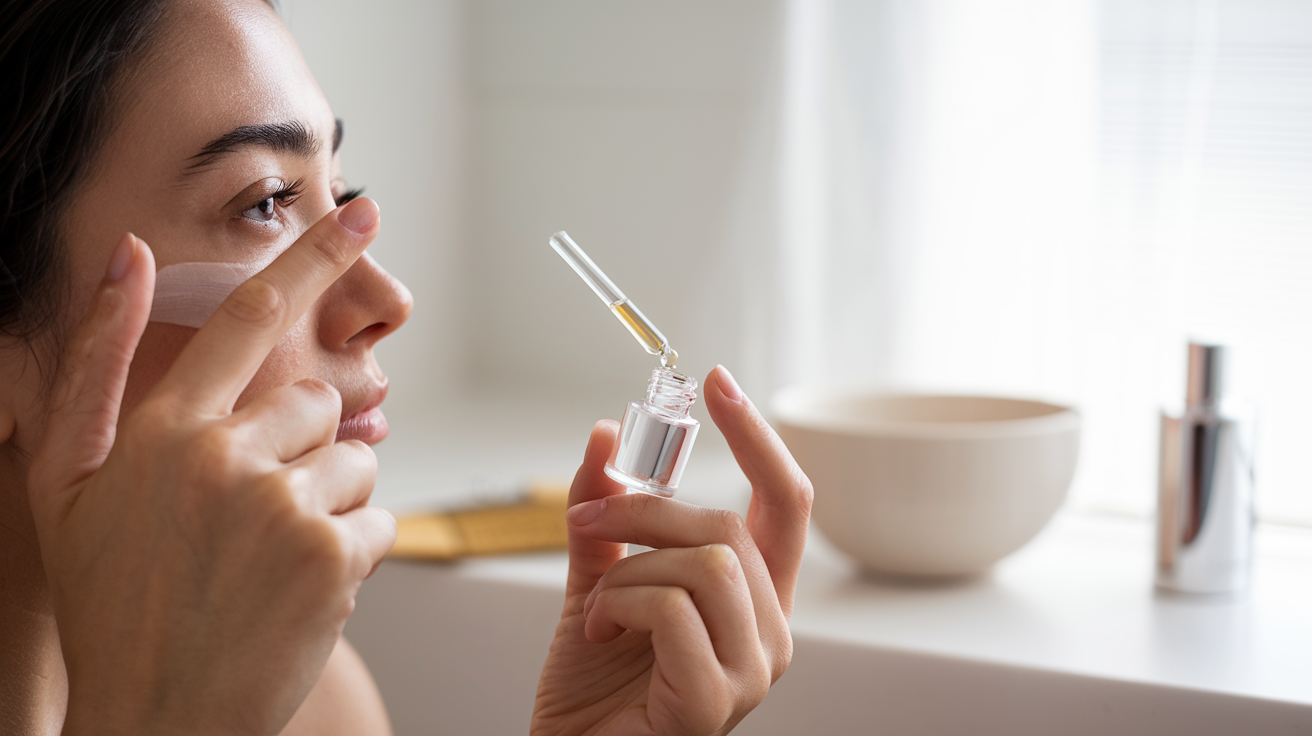
Next, apply any lightweight eye serums. These might contain peptides, hyaluronic acid, or caffeine. Use a small amount and tap it in softly. Wait about 30 seconds for it to absorb before moving to the next step.
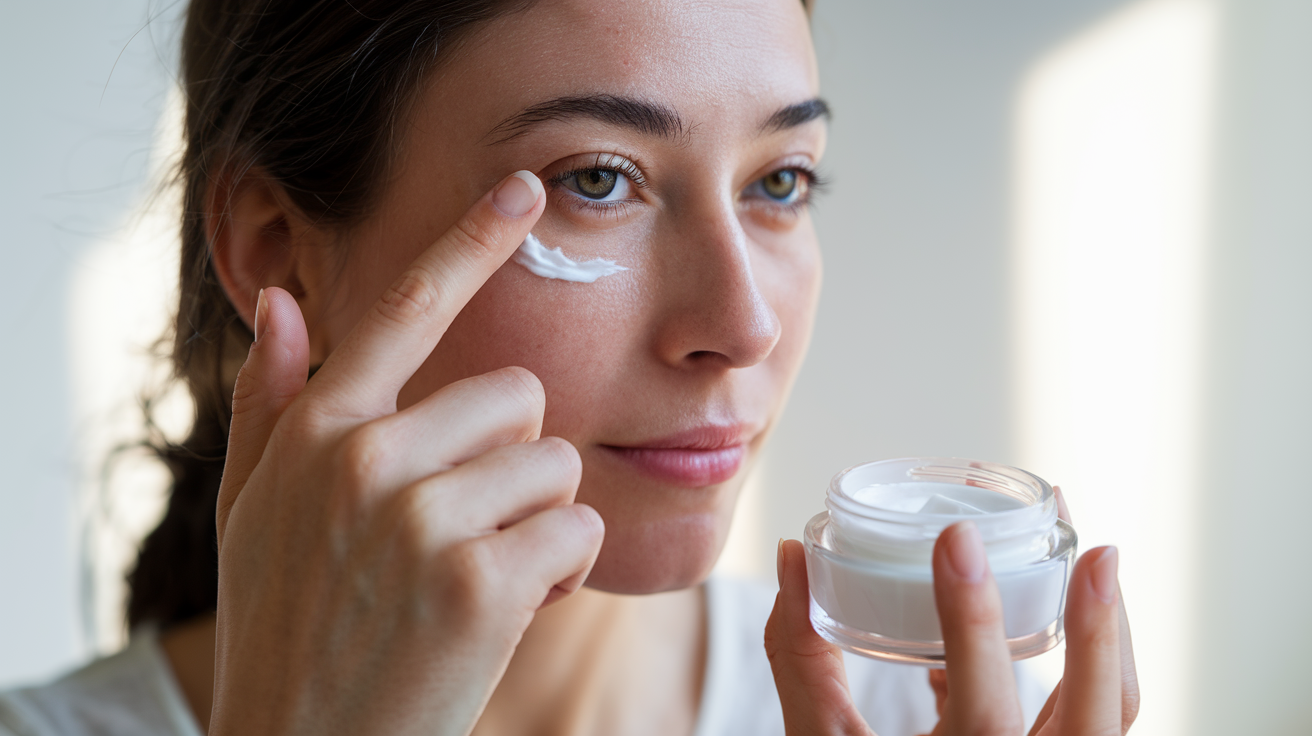
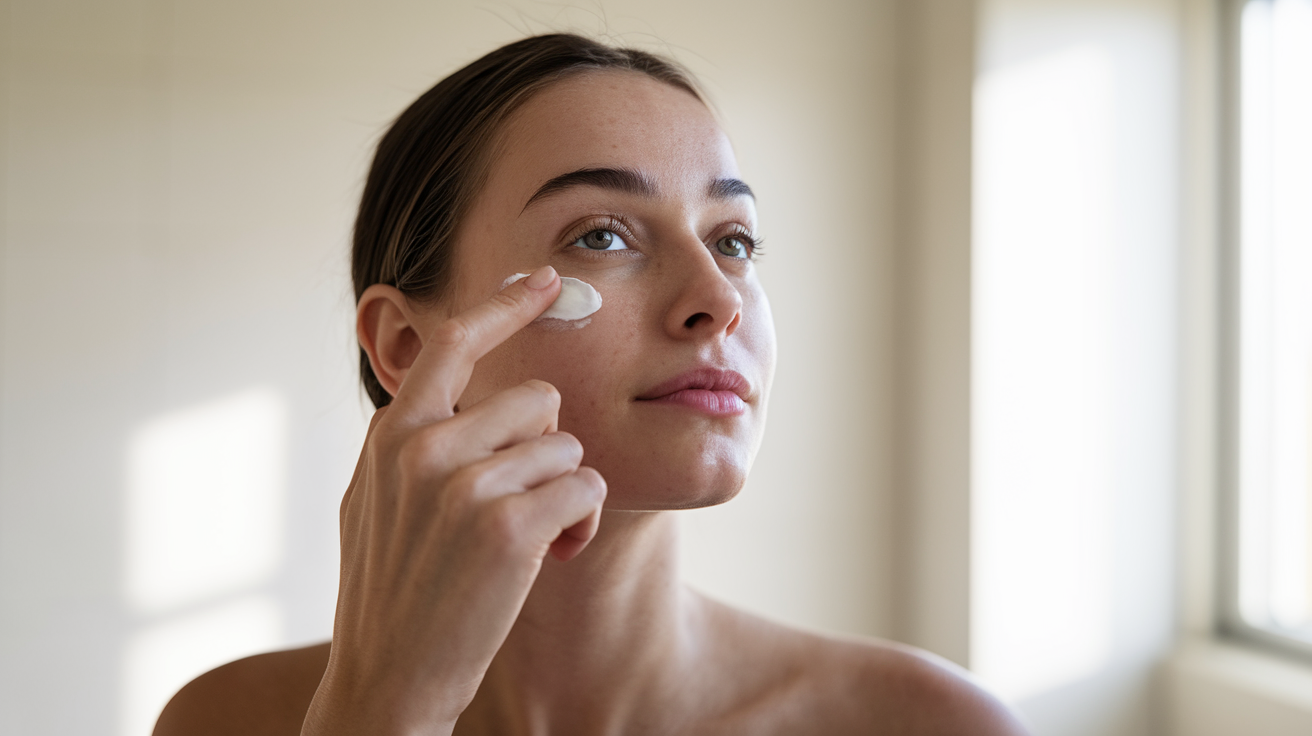
Now apply your eye cream. A pea-sized amount is enough for both eyes. Dot it along the orbital bone and gently press it in. Don't rub or pull the skin.
Tired of seeing under-eye lines before you see yourself?
If the tiny creases under your eyes make you look more tired than you feel, this guide shows the simple under-eye routine that helps soften the look of dry lines, crepey texture, and tired skin without guessing or wasting weeks on random products.
If you use a separate SPF for the eye area, apply it after your eye cream has absorbed. Give it at least a minute. SPF needs to sit on top to form a protective layer, so it always goes last in your treatment steps.
If you're applying makeup, wait about five minutes after SPF before concealer. This prevents pilling and helps makeup sit smoothly.
For more targeted advice on building a routine that works with your specific skin concerns, check out this affiliate one that walks through common under-eye issues step by step.
Step-by-Step Evening Under Eye Routine Sequence
Your evening routine is when you can layer more treatment products, since you don't need to worry about makeup or sun protection.
Start by removing makeup and sunscreen with a gentle oil-based or micellar cleanser. Be extra soft around the eyes. Follow with your regular cleanser if you double cleanse.
Pat the area dry, then apply your toner or essence if you use one. This preps the skin to absorb the next layers.
If you use a retinol eye product, this is when it goes on. Apply it to completely dry skin. Use a very small amount and avoid getting too close to the lash line. Wait a full minute before applying anything else on top.
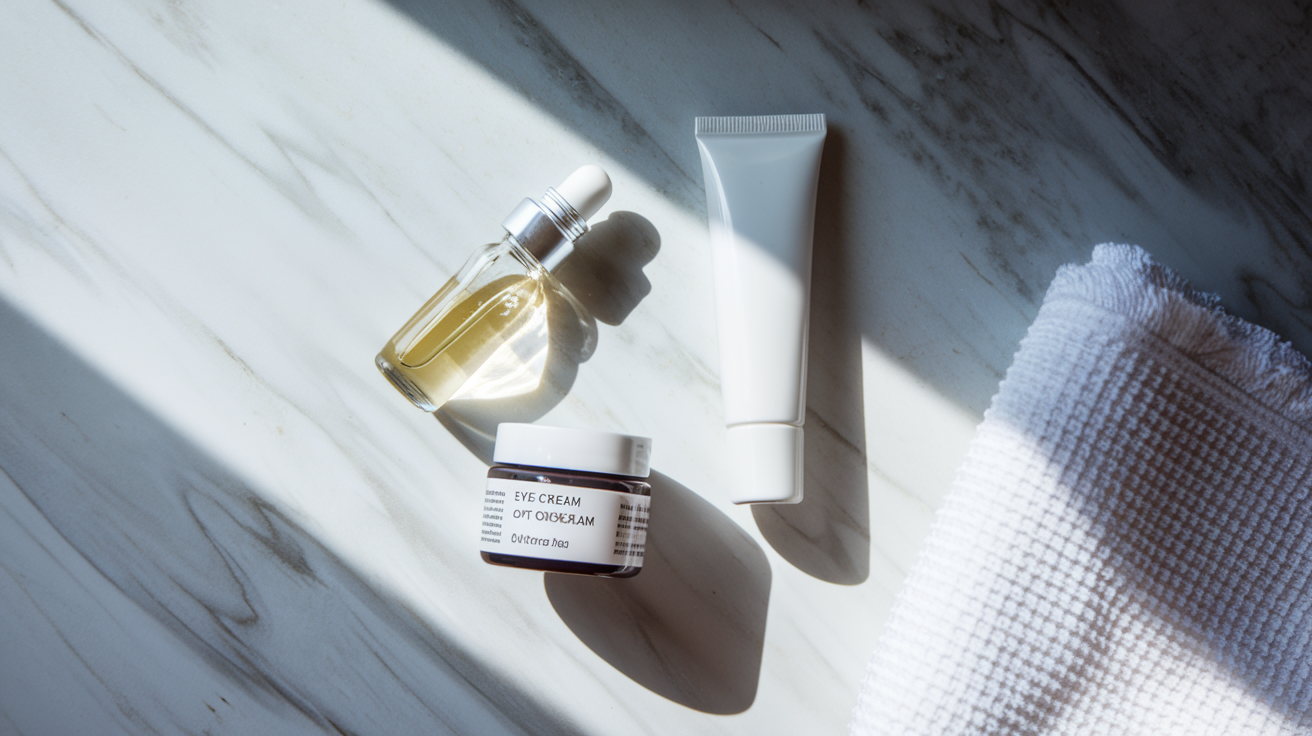
After retinol has settled, apply any other eye serums you use at night. These might include peptides, niacinamide, or ceramides. Layer from thinnest to thickest.
Follow with your night eye cream. Night creams are often richer than morning versions, so a little goes a long way. Press it in gently and let it absorb.
If you use an eye oil or occlusive balm, this is your final step. It seals in all the layers underneath and helps prevent moisture loss overnight.
Some people like to use an overnight eye mask once or twice a week. If you do this, it replaces your final cream or oil step.
The key is not to rush. Give each layer 30 to 60 seconds to absorb before adding the next one. This prevents pilling and helps each product work the way it's supposed to.
Common Layering Mistakes That Reduce Product Effectiveness
Even if you know the right order, small mistakes can still interfere with how well your products perform.
One of the biggest mistakes is using too much product. The skin under your eyes can only absorb so much. When you overload it, products just sit on the surface, pill up, or migrate into your eyes.
Another common issue is not waiting between layers. If you rush through your routine, products mix together on the surface instead of absorbing individually. This can cause pilling, reduce effectiveness, and make makeup application frustrating.
Using the wrong consistency order is another problem. If you apply a heavy cream before a lightweight serum, the serum has nowhere to go. It will just slide around on top of the cream and eventually evaporate or wipe off.
Applying actives like retinol or vitamin C to damp skin can increase irritation without improving results. These ingredients work best on dry skin. If your skin is still wet from toner, pat it dry before applying treatments.
Rubbing or tugging the under eye area while applying products can contribute to a more aged appearance over time. Always use gentle tapping or pressing motions with your ring finger.
Skipping SPF during the day is a mistake that undermines all your other efforts. The under eye area is exposed to UV damage just like the rest of your face, and sun exposure is one of the main contributors to premature aging.
Finally, layering too many products at once can overwhelm the skin. You don't need five serums and three creams. A simple, well-ordered routine with a few effective products will give you better results than a complicated routine applied in the wrong order.
If you're still not sure which products to use or how to build a routine that actually makes sense for your skin, this affiliate one offers a practical breakdown that takes the guesswork out of the process.
Getting the order right doesn't require extra time or expensive products. It just requires a little attention to texture, timing, and technique. When you layer thoughtfully, you give every product the best chance to work the way it was designed to, and your under eye area gets the care it deserves.