Disclosure: This post contains affiliate links. We may earn a commission at no extra cost to you.
How to Layer Eye Cream Under Makeup Without Pilling or Creasing
Ever smooth on your favorite eye cream, wait a few minutes, and then watch your concealer ball up into tiny clumps the second you try to blend it? Or maybe your under-eye makeup looks smooth at first, but by noon it's settled into every fine line like a road map?
You're not alone. Layering eye cream under makeup is tricky, and when it goes wrong, it can make the under-eye area look worse than if you'd skipped the cream altogether. The good news? With the right technique and timing, you can keep your skin hydrated and your makeup smooth all day.
Why Eye Cream and Makeup Don't Always Play Nice Together
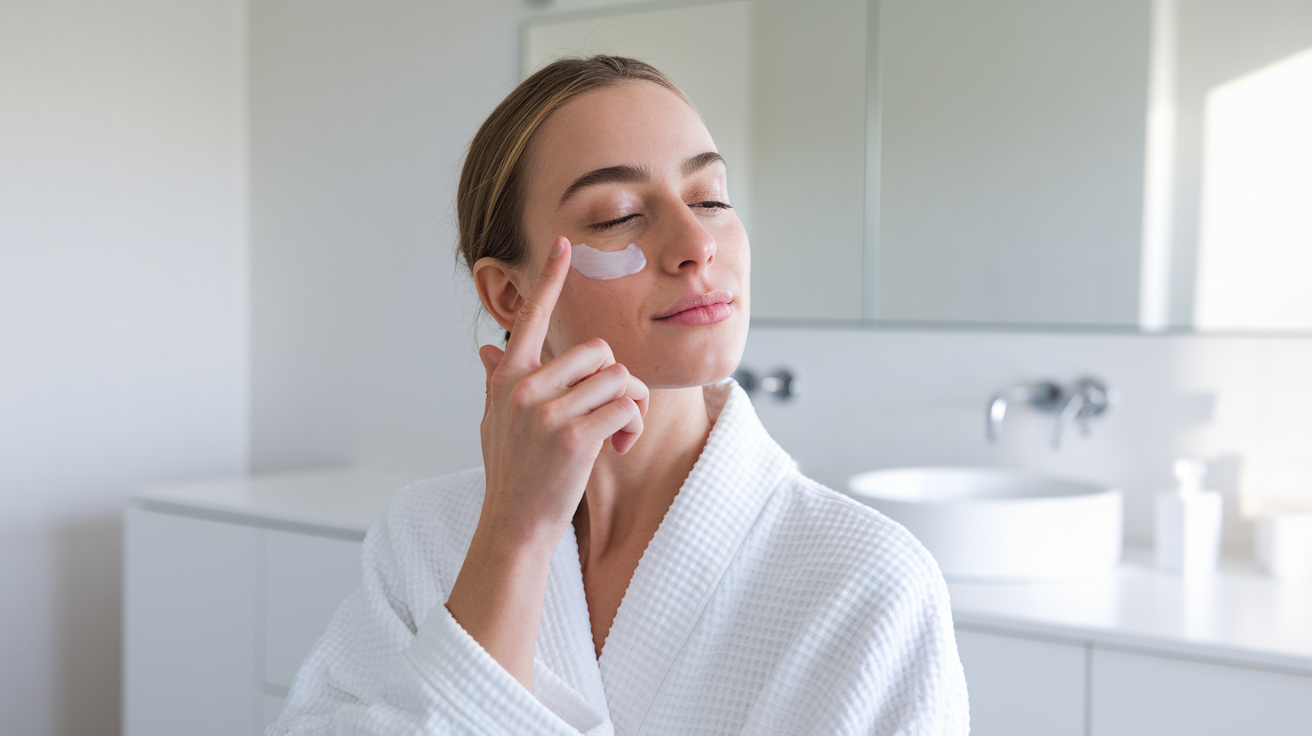
Eye creams and makeup have different jobs. Eye creams are designed to sink into the skin and deliver hydration or active ingredients. Makeup products like concealer and foundation are meant to sit on top of the skin and provide coverage.
When these two worlds collide too soon, or in the wrong order, you get pilling. That's when the cream hasn't fully absorbed and the makeup starts to clump or roll into little balls as you blend.
Creasing happens when there's too much moisture or slip on the skin. The makeup slides into fine lines instead of sitting smoothly on top. This is especially common with richer, oil-based eye creams or when you don't give the product enough time to absorb.
Another culprit? Silicone-heavy primers or creams that create a slippery barrier. If your eye cream contains a lot of dimethicone or cyclomethicone, and your concealer does too, they can clash and refuse to blend.
The texture of your eye cream matters. Thick, buttery formulas can take longer to settle into the skin, while lightweight gels or serums tend to play better under makeup.
The Correct Order: Eye Cream to Concealer Application
Start with clean, dry skin. If you've just washed your face, gently pat the under-eye area with a towel. Don't skip this step—applying eye cream to damp skin can dilute the formula and change how it performs under makeup.
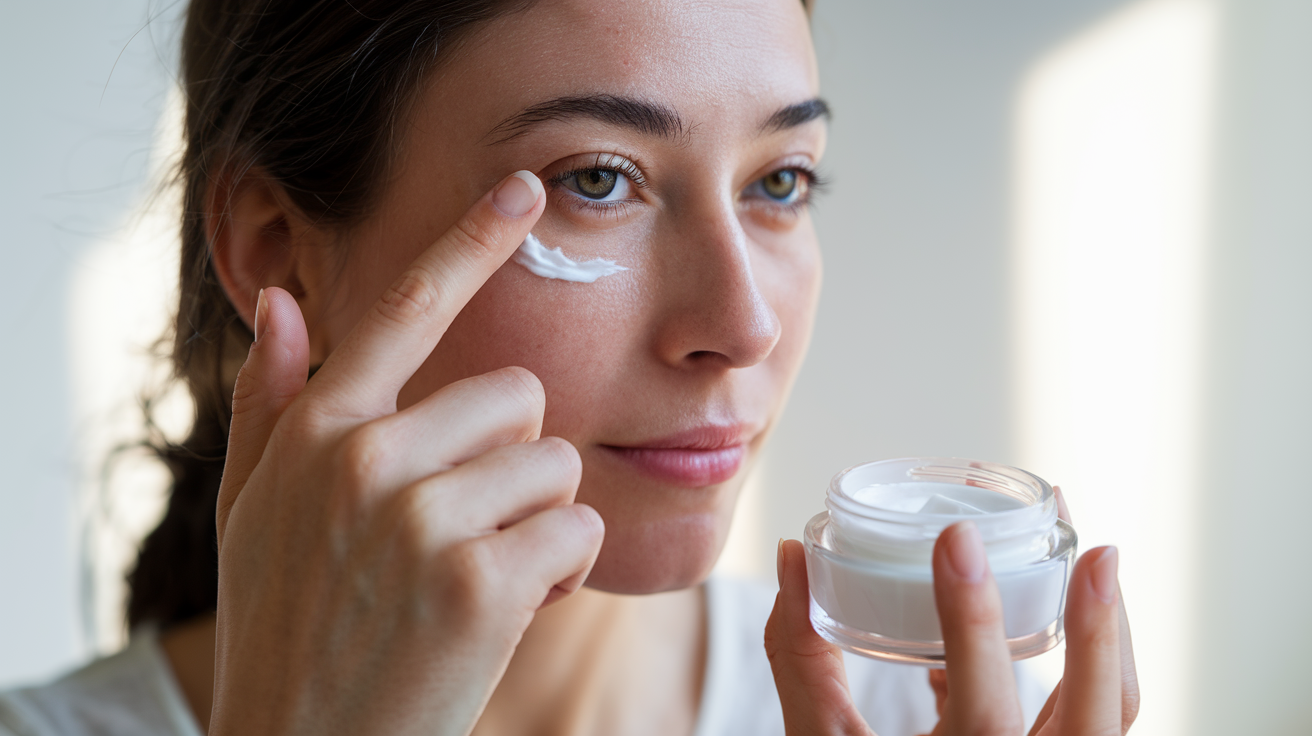
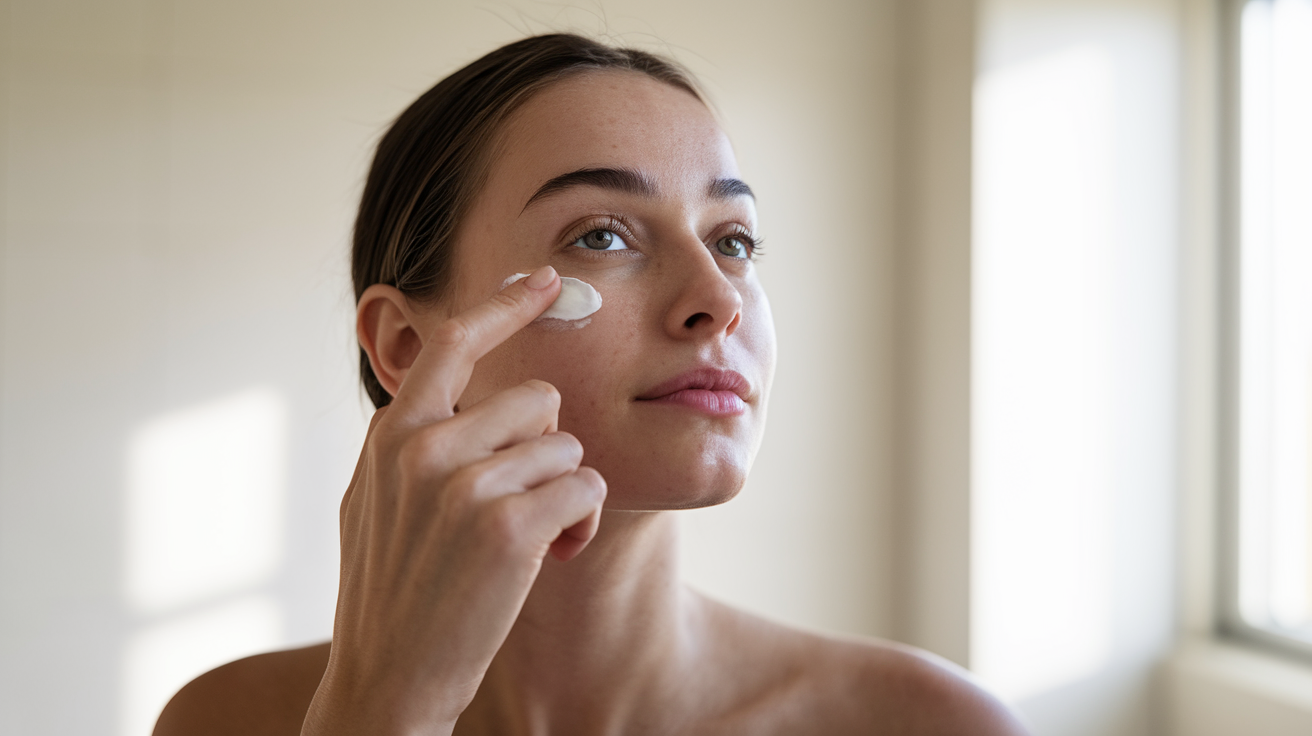
Apply your eye cream first. Use your ring finger to gently tap a small amount along the orbital bone, avoiding the immediate lash line. Less is more here. A pea-sized amount is enough for both eyes.
Let it absorb. This is the step most people skip, and it's the one that makes the biggest difference. Give your eye cream at least 5 to 10 minutes to sink in before moving on. If you're in a rush, even 3 minutes is better than nothing.
If you use a face primer, apply it everywhere except the under-eye area. Most face primers are too heavy or silicone-rich for this delicate zone and can interfere with concealer adhesion.
Next, apply your foundation or tinted moisturizer to the rest of your face, but stop before you reach the under-eye area. Let your base set for a minute or two.
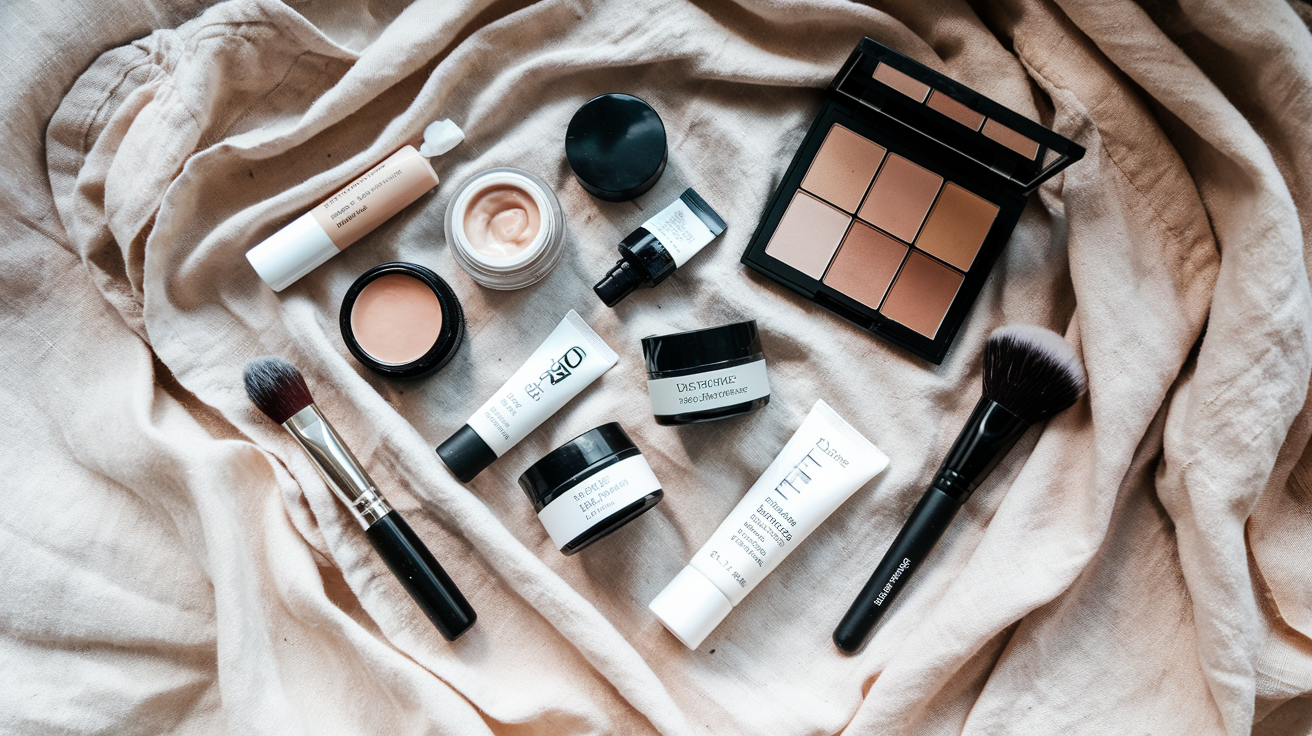
Now it's time for concealer. Use a small, dense brush or your fingertip to tap the concealer gently onto the skin. Don't swipe or drag. Tapping helps the product meld with the eye cream underneath without disturbing it.
Set with a light dusting of translucent powder if needed, but don't overdo it. Too much powder can emphasize texture and make fine lines look more prominent.
Tired of seeing under-eye lines before you see yourself?
If the tiny creases under your eyes make you look more tired than you feel, this guide shows the simple under-eye routine that helps soften the look of dry lines, crepey texture, and tired skin without guessing or wasting weeks on random products.
Wait Times That Matter: How Long Between Each Layer
The 5 to 10 minute wait after applying eye cream isn't just a suggestion. It's the difference between makeup that lasts and makeup that slides off by lunchtime.
During those first few minutes, the active ingredients in your eye cream are penetrating the skin. The humectants are drawing in moisture, and the emollients are smoothing the surface. If you apply concealer too soon, you trap all of that on the surface instead of letting it do its job.
If you're using a gel-based or serum-style eye cream, 3 to 5 minutes is usually enough. These formulas are lighter and absorb faster. You'll know it's ready when the skin feels smooth and slightly tacky, but not wet or greasy.
For richer creams or balms, wait the full 10 minutes. If you're still seeing shine or feeling slip on the skin after 10 minutes, gently blot with a clean tissue before applying concealer. This removes excess product without wiping away what's already absorbed.
Use this wait time to do other parts of your routine. Apply your face serum, brush your teeth, fix your hair, or sip your coffee. Building in this buffer makes the wait feel less tedious.
One trick that helps: apply your eye cream as soon as you wake up, then do your skincare and hair while it absorbs. By the time you're ready for makeup, your under-eye area is prepped and ready.
Best Eye Cream Formulas That Work Under Makeup
Not all eye creams are makeup-friendly. If you're dealing with constant pilling or creasing, the formula itself might be the problem.
Look for lightweight, fast-absorbing textures. Gel creams, serum-cream hybrids, and water-based formulas tend to layer beautifully under concealer. They hydrate without leaving a heavy residue.
Avoid eye creams with heavy oils or petrolatum if you plan to wear makeup on top. These ingredients create a slippery barrier that makeup can't grip onto. Save those formulas for nighttime when you don't need coverage.
Caffeine-based eye creams can be great for daytime because they often have a lighter texture and can temporarily help the under-eye area look less puffy. Just make sure the formula isn't overly emollient.
Hyaluronic acid is a solid ingredient to look for in a daytime eye cream. It hydrates without feeling greasy and creates a smooth canvas for makeup. Just remember that a little goes a long way—too much can feel sticky.
If you want more guidance on choosing an eye cream that supports smoother-looking skin and works well under makeup, check out this affiliate one for targeted advice.
Silicone-based eye creams can work, but only if your concealer is also silicone-based. Mixing silicone and water-based products is a recipe for pilling. Check your product labels and try to keep the bases consistent.
Test new eye creams on a day when you're staying home. Apply it, wait, then layer your usual concealer on top. If it pills or creases within an hour, that formula isn't the right fit for your makeup routine.
Some people prefer using a hydrating eye serum instead of a cream during the day. Serums are thinner, absorb faster, and rarely interfere with makeup. You can always use a richer cream at night when layering isn't an issue.
For a deeper breakdown of how to build a complete under-eye routine that works with your lifestyle, this affiliate one walks you through the process step by step.
At the end of the day, the goal is simple: hydrated skin that looks smooth and feels comfortable under makeup. With the right formula, the right timing, and a little patience, you can have both.