Disclosure: This post contains affiliate links. We may earn a commission at no extra cost to you.
When Should You Apply Eye Cream? Morning vs Night Breakdown for Maximum Results
Are you applying eye cream at the wrong time and missing out on what it's actually designed to do? The difference between morning and night eye cream isn't just about convenience—it's about matching the right formula to the right moment in your skin's natural cycle. And if you've been using the same eye cream morning and night without thinking about it, you might not be getting the full benefit from either application.
Let's break down exactly when to apply eye cream, what each timing does for your skin, and how to create a schedule that actually supports smoother-looking, less tired-looking eyes.

Why Eye Cream Timing Actually Matters for Anti-Aging Results
Your under-eye skin behaves differently depending on the time of day. In the morning, it's dealing with puffiness, fluid retention, and preparing for environmental exposure like UV light and pollution. At night, it shifts into repair mode—rebuilding, hydrating deeply, and recovering from the day.
Using the same eye cream formula twice a day means you're either over-protecting at night or under-repairing during the day. Morning eye creams are typically lighter, faster-absorbing, and focused on depuffing and creating a smooth base for makeup. Night eye creams are richer, more nourishing, and packed with ingredients that support the look of firmer, more hydrated skin while you sleep.
If you've noticed your eye cream pilling under concealer or feeling too heavy in the morning, it's probably a night formula being used at the wrong time. And if your eyes still look dry and lined in the morning despite using eye cream before bed, you might be skipping the hydration boost your skin needs during the day.
Tired of seeing under-eye lines before you see yourself?
If the tiny creases under your eyes make you look more tired than you feel, this guide shows the simple under-eye routine that helps soften the look of dry lines, crepey texture, and tired skin without guessing or wasting weeks on random products.
Morning Eye Cream Application: Protection and Depuffing Benefits
Morning eye cream should be lightweight, fast-absorbing, and focused on preparing your under-eye area for the day ahead. This is when you want ingredients like caffeine to reduce the appearance of puffiness, antioxidants like vitamin C to help protect against environmental stressors, and lightweight hydrators like hyaluronic acid that won't interfere with makeup.
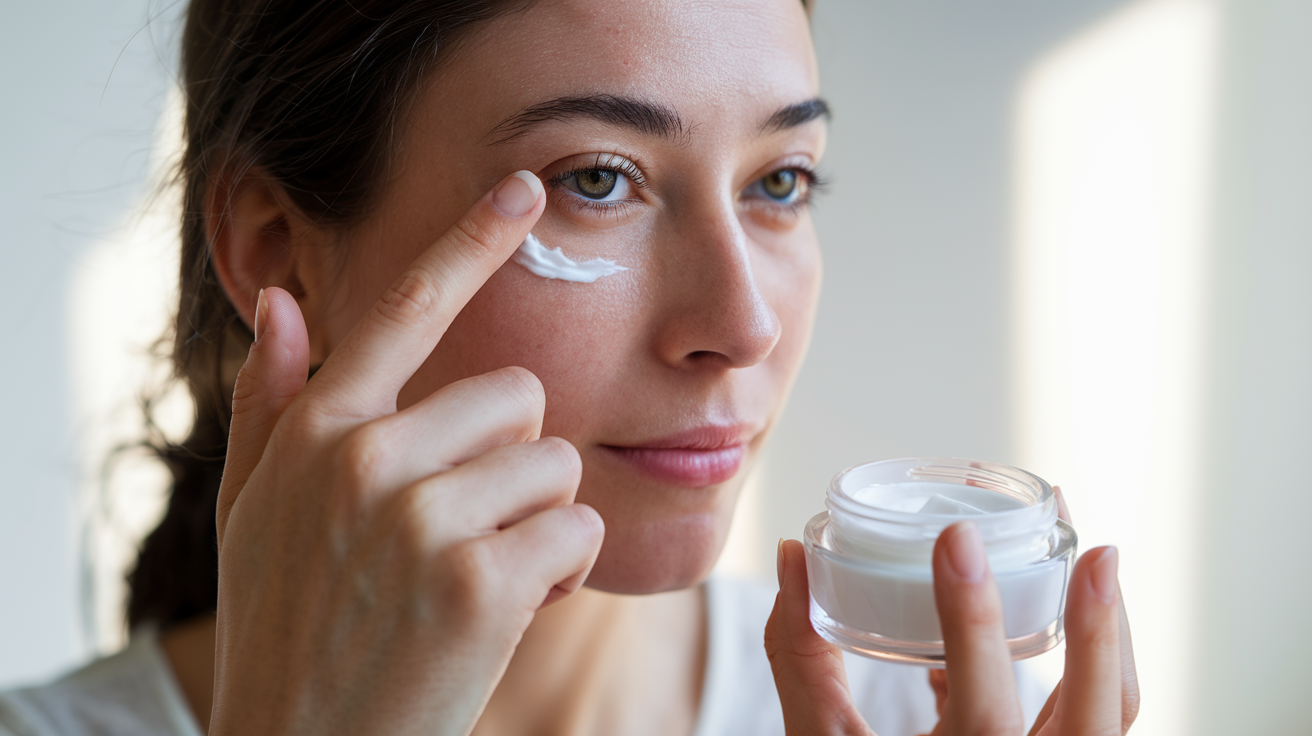
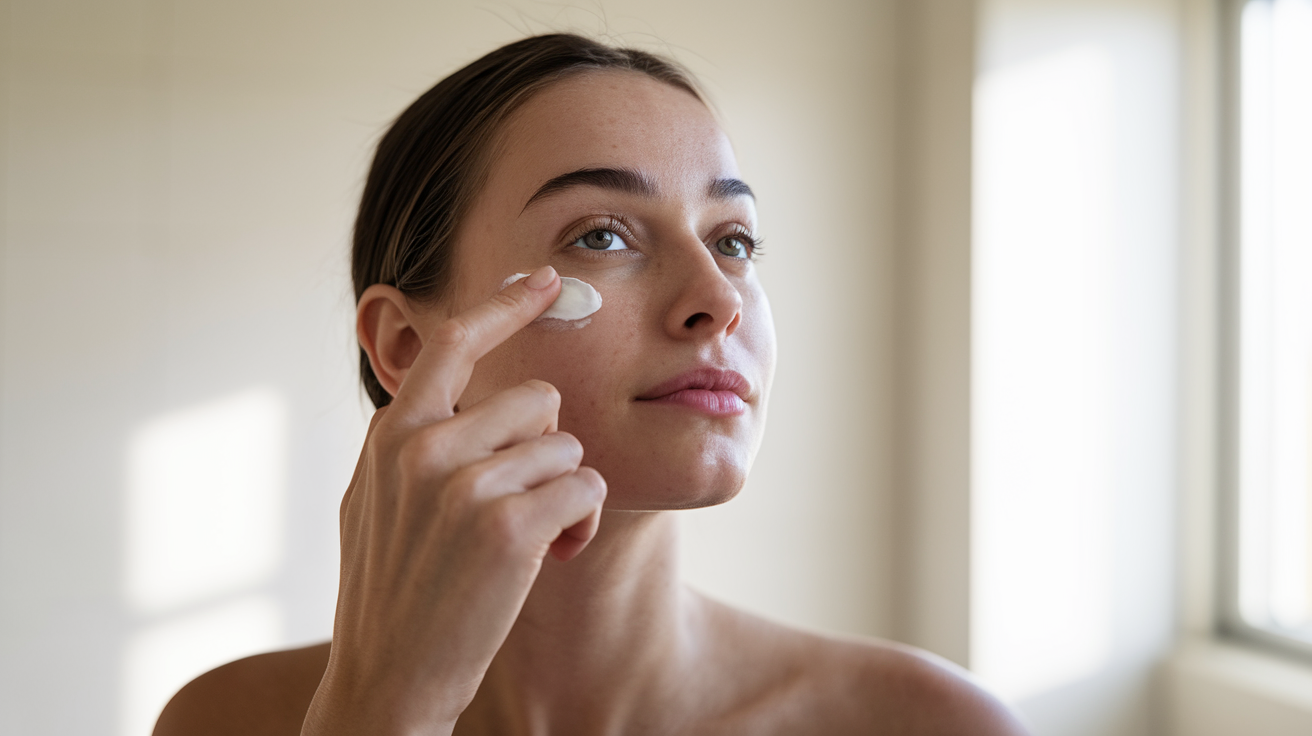
Apply your morning eye cream right after cleansing and before your moisturizer or sunscreen. Use your ring finger to gently tap a small amount around the orbital bone—not directly on the lash line. Let it absorb for about 60 seconds before moving on to the next step in your routine.
If you're using makeup, a good morning eye cream creates a smooth, hydrated base that helps concealer glide on evenly without settling into fine lines. Avoid heavy, occlusive formulas in the morning—they can cause pilling, make your eyes look greasy, or interfere with sunscreen application.
Look for eye creams labeled as brightening, depuffing, or energizing. These are usually formulated with morning use in mind. And yes, you still need sunscreen over your eye cream—most eye creams don't contain SPF, and the skin around your eyes is especially vulnerable to UV damage.
Night Eye Cream Application: Repair and Deep Treatment Mode
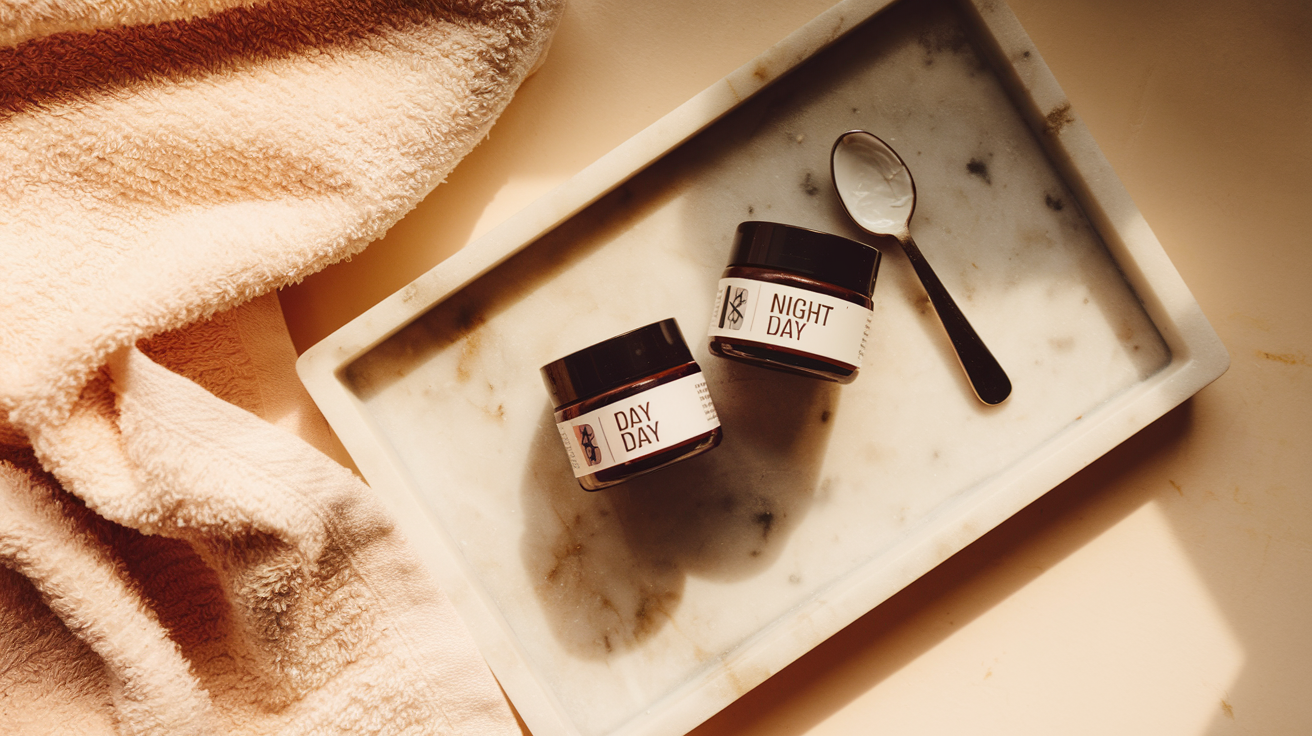
Night is when your skin does its heaviest lifting. Cell turnover increases, hydration levels drop, and your skin is more receptive to active ingredients. This is the time to use richer, more treatment-focused eye creams with ingredients like retinol, peptides, ceramides, and nourishing oils.
Apply your night eye cream after cleansing and after any serums, but before your night moisturizer if it's especially rich. You want the active ingredients to penetrate without having to fight through heavy occlusives. Tap it gently around the eye area, extending slightly onto the upper eyelid if your formula allows.
Night eye creams are designed to sit on the skin longer and work deeper. They don't need to absorb quickly or play well with makeup. This is your chance to give your under-eye area the deeper hydration and treatment support it needs to look smoother and less lined over time.
If you're using a retinol eye cream, night is the only time to apply it—retinol breaks down in sunlight and can increase sensitivity. Start slowly, a few nights a week, and build up as your skin adjusts. And if you wake up with puffy eyes after using a heavy night cream, try applying it earlier in your routine or using a slightly lighter formula.
The Eye Cream Schedule That Dermatologists Actually Recommend
Here's the simple routine that most dermatologists suggest: use a lightweight, protective eye cream in the morning and a richer, treatment-focused eye cream at night. If you can only afford one eye cream, choose based on your biggest concern—if it's puffiness and makeup application, go with a morning formula. If it's dryness, crepey texture, and the appearance of fine lines, choose a night cream.
You don't need to use eye cream twice a day if your skin feels good with just one application. Some people find that their under-eye area stays hydrated all day with just a morning application, while others need the nightly boost more than the morning one. Pay attention to how your skin feels and looks, and adjust accordingly.
For a more detailed breakdown of how to layer your eye cream with other products and which ingredients work best for different concerns, check out this affiliate one that walks through the exact order and timing that works for most skin types.
One more tip: if you're using both a morning and night eye cream, give each formula at least two weeks to show its effect before deciding if it's working. The under-eye area is slow to change, and consistency matters more than switching products every few days.
And if you're still not sure which schedule is right for you, this affiliate one can help you figure out the best timing and product combination based on your specific under-eye concerns.
The bottom line? Timing your eye cream application to match your skin's natural rhythm helps you get more out of the products you're already using—without adding more steps or spending more money.