Disclosure: This post contains affiliate links. We may earn a commission at no extra cost to you.
5 Simple Tricks to Make Your Eye Cream Actually Work Better
Published July 17, 2026
Are you spending money on eye cream but not seeing the smoother-looking results you were hoping for? You're not alone. Most of us apply eye cream the same way we apply everything else on our face—quickly, without much thought, and often right before rushing out the door. But the delicate skin around your eyes deserves a little more attention, and how you apply your eye cream can make a real difference in how it performs.
The truth is, your eye cream might be perfectly fine. You might just be using it in a way that doesn't let it do its job properly. These five simple application tricks can help your eye cream work more effectively, so you can get the most out of every jar.

1. Warm It Up Between Your Fingertips First
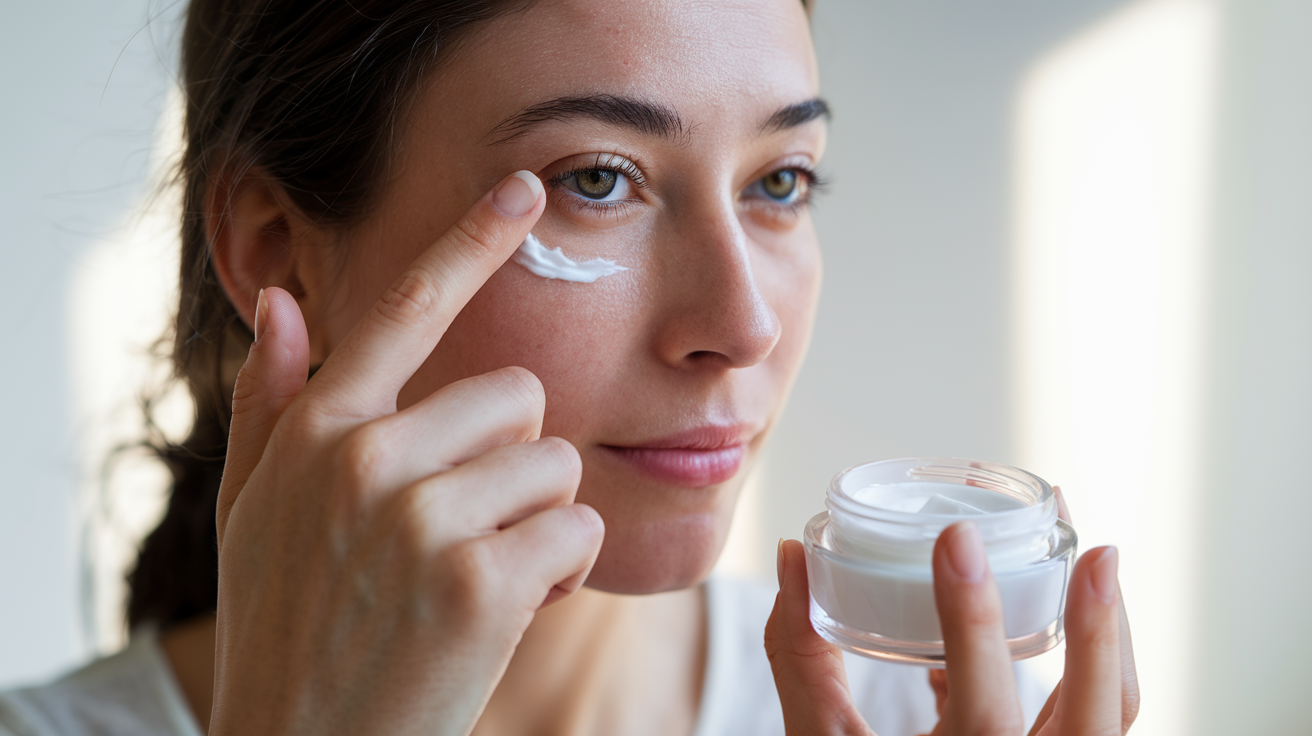
Before you touch your eye area, take a moment to warm up your eye cream between your ring fingers. This isn't just a spa-like ritual—it actually helps.
When eye cream sits in the jar, it's usually at room temperature or cooler. By warming it gently between your fingertips for about five to ten seconds, you're softening the formula and making it easier to spread. This means less tugging on delicate skin and better absorption.
Your ring fingers are ideal for this step because they naturally apply the least pressure. The skin around your eyes is thinner than the rest of your face, so using a lighter touch matters more than you might think.
Don't skip this step, especially if your eye cream has a thicker texture or contains ingredients like peptides or ceramides that benefit from being slightly warmed before application.
2. Apply to Damp Skin for Better Penetration
Timing matters when it comes to skincare, and eye cream is no exception. Applying your eye cream to slightly damp skin can help it spread more easily and potentially improve how well your skin accepts the beneficial ingredients.
After cleansing or applying toner, don't wait until your face is completely dry. While your under-eye area is still slightly damp—not dripping, just a bit moist—apply your eye cream. The dampness creates a better surface for the product to glide across without pulling at your skin.
This technique is especially helpful if you struggle with dry, crepey texture under your eyes. The moisture on your skin combined with the hydrating ingredients in your eye cream can help create a smoother-looking finish.
If you've already let your skin dry completely, you can lightly mist your face with water or pat a tiny bit of toner around your eyes before applying your eye cream.
Tired of seeing under-eye lines before you see yourself?
If the tiny creases under your eyes make you look more tired than you feel, this guide shows the simple under-eye routine that helps soften the look of dry lines, crepey texture, and tired skin without guessing or wasting weeks on random products.
3. Use Gentle Tapping Motions Instead of Rubbing
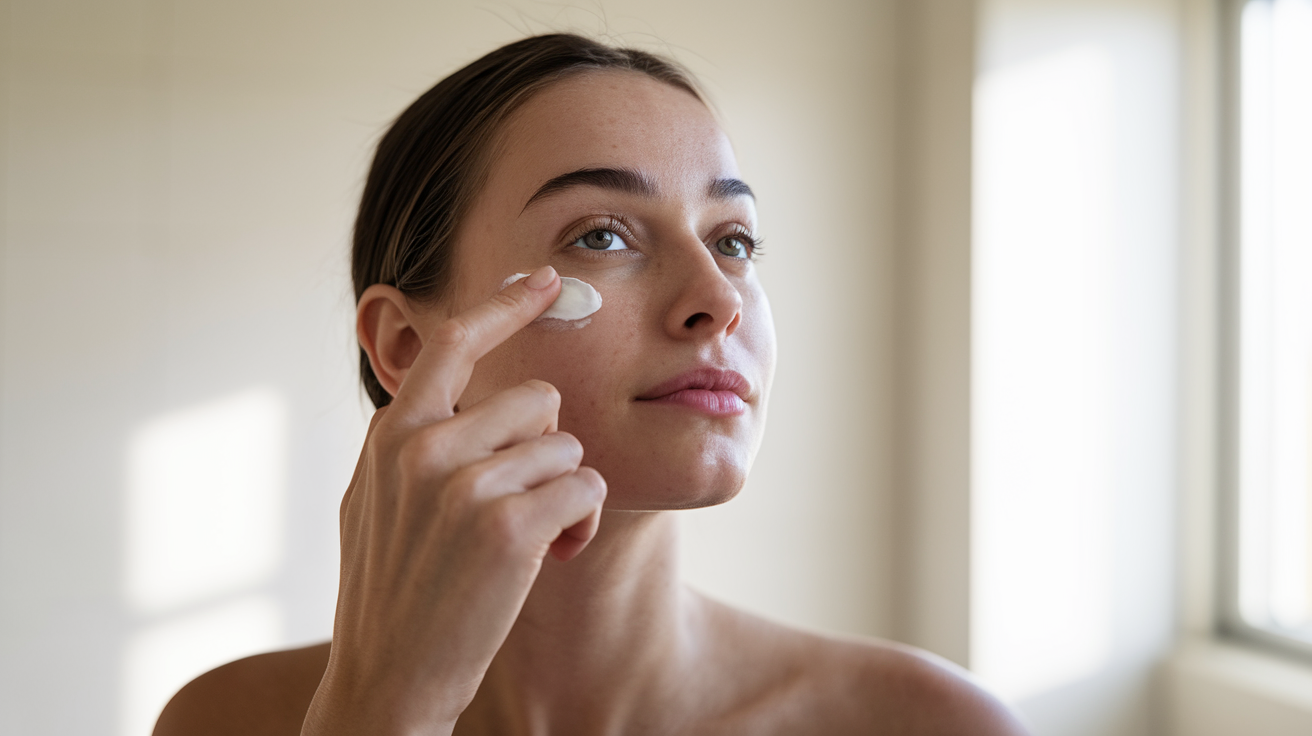
How you physically apply your eye cream is just as important as when you apply it. Instead of rubbing or dragging the product across your skin, use gentle tapping motions with your ring finger.
Start at the inner corner of your under-eye area and tap outward toward your temples, using small, light presses. This tapping motion does two things: it distributes the product evenly without stretching your skin, and it can help encourage better circulation in the area.
Rubbing or pulling at the skin around your eyes can contribute to premature fine lines and sagging over time. The skin here doesn't bounce back as easily as it does on your cheeks or forehead, so being gentle is essential.
You can also tap along your brow bone if your eye cream is safe for that area. Just avoid getting product too close to your lash line or directly in your eyes. For more detailed guidance on proper under-eye care techniques, check out this affiliate one resource.
4. Layer Your Products in the Right Order
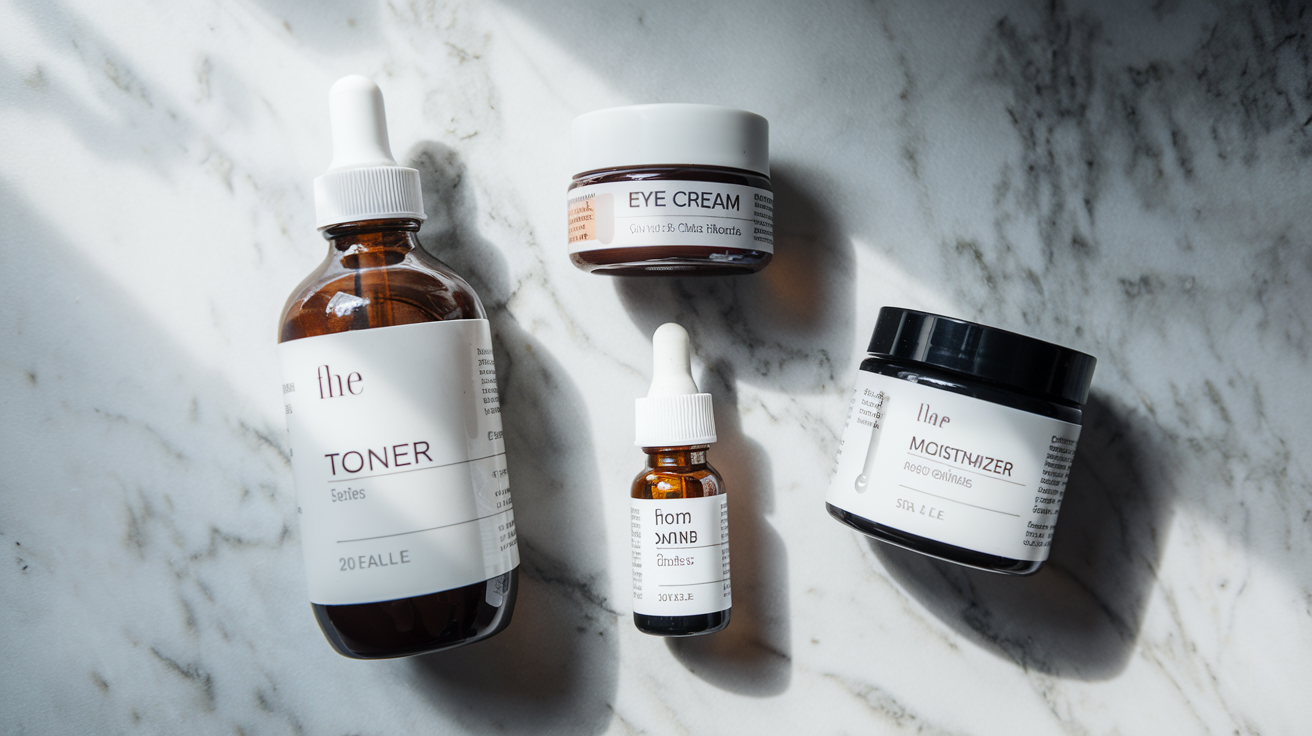
Product layering can feel confusing, but getting the order right helps each formula work better. The basic rule is to apply products from thinnest to thickest consistency.
After cleansing, apply any toners or essences first. Then comes your eye cream—yes, before your face serum or moisturizer. Eye creams are typically formulated to address the specific needs of delicate under-eye skin, so giving them priority makes sense.
Once your eye cream has absorbed for about 30 seconds to a minute, you can apply your serum, then your face moisturizer. If you're using a heavier moisturizer, be careful not to layer it directly over your eye cream in a way that might dilute it or prevent it from sitting properly on your skin.
In the morning, your eye cream goes on before sunscreen. At night, it goes on before any heavier night creams or facial oils. If you're using retinol or other active treatments, apply your eye cream first to create a protective buffer, or apply actives first and wait before adding eye cream—this depends on your skin's sensitivity and your specific products.
Learning the right layering sequence can make a noticeable difference in how your skin looks and feels. For a complete breakdown of effective under-eye routines, this affiliate one can walk you through it step by step.
5. Give It Time Before Applying Makeup
This is where most of us get impatient. You've applied your eye cream, and you're ready to move on with your routine. But if you apply concealer or makeup immediately, you might end up with pilling, creasing, or makeup that won't stay put.
Give your eye cream at least two to three minutes to fully absorb before you reach for your makeup. This short wait allows the product to settle into your skin instead of sitting on top of it, which means your concealer will go on smoother and last longer.
If you're in a rush, apply your eye cream first thing after cleansing, then do the rest of your skincare routine, brush your teeth, or get dressed. By the time you come back to apply makeup, your eye cream will have had enough time to sink in.
When your skin is properly prepped and your eye cream has fully absorbed, your makeup will look fresher and more natural. You'll also avoid that frustrating experience of your concealer balling up or settling into fine lines within an hour of application.
Small Changes, Better Results
You don't need to overhaul your entire routine or buy new products to see smoother-looking, less tired-looking eyes. Sometimes the difference comes down to small tweaks in how you use what you already have.
By warming your eye cream, applying it to damp skin, using gentle tapping motions, layering your products correctly, and giving it time to absorb before makeup, you're setting yourself up for better results. These simple tricks take just a few extra seconds but can help you get more out of every application.
Your eye cream is an investment in your skin. Make it count by giving it the best chance to work.