Disclosure: This post contains affiliate links. We may earn a commission at no extra cost to you.
Can You Use Face Cream Under Your Eyes? The Truth About Eye Cream vs Face Cream
Published: July 17, 2026
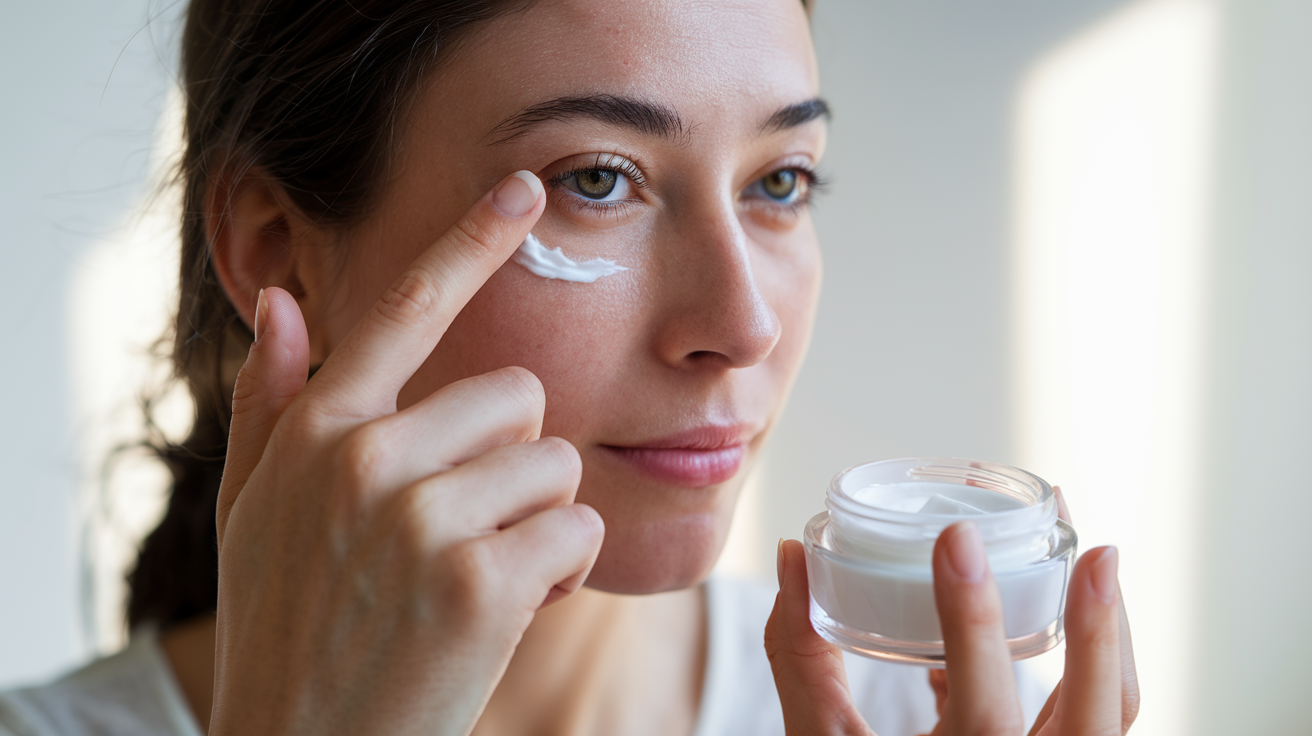
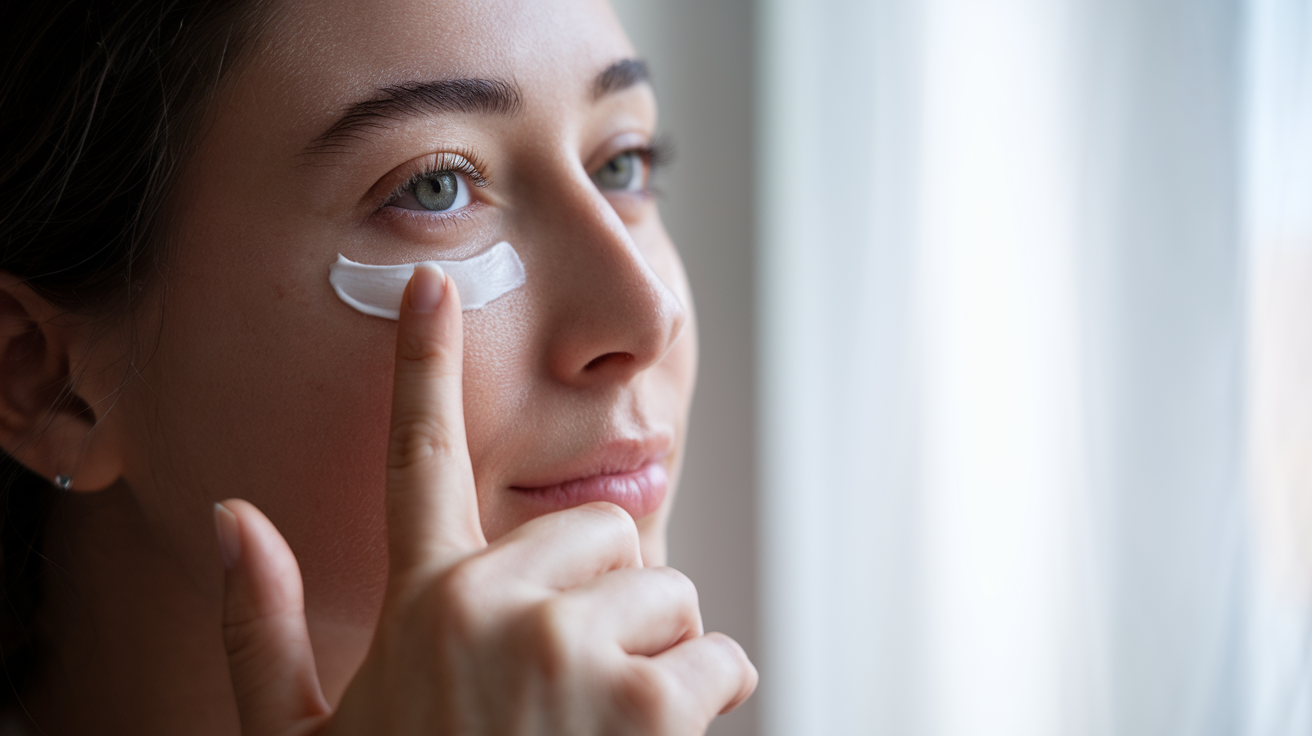
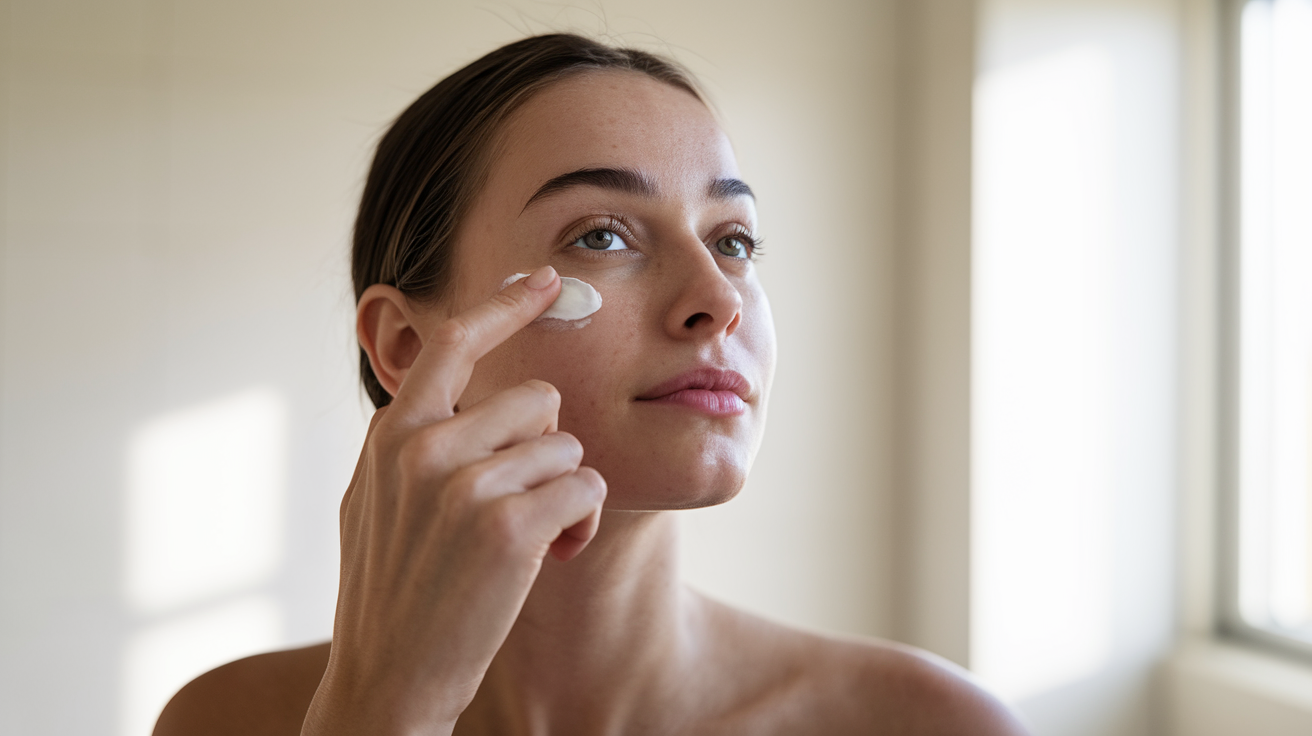
You've probably stood in front of your bathroom mirror, face cream in hand, wondering if you really need a separate product for your under-eyes. It's a fair question—especially when your face moisturizer feels perfectly gentle and your eye cream costs twice as much. But before you smooth that rich night cream under your lower lashes, there are a few things you should know about how the delicate eye area actually responds to different formulations.
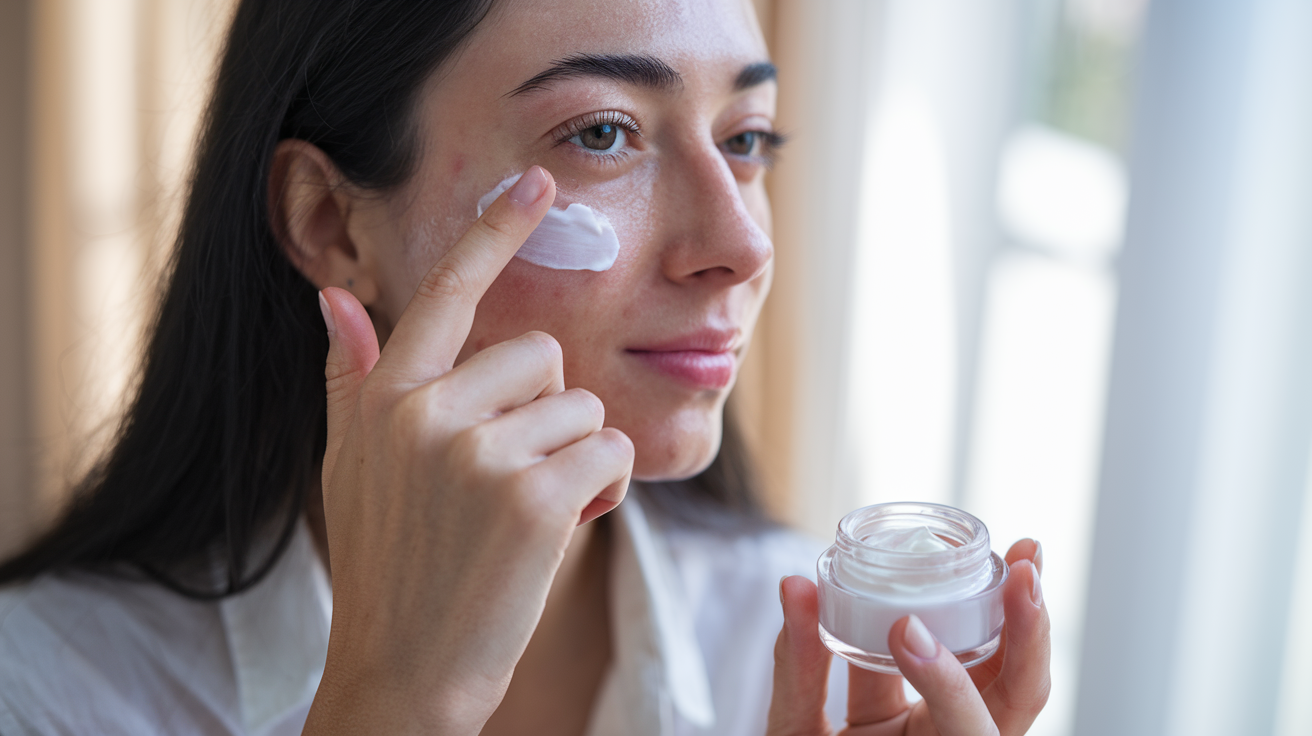
The truth isn't as simple as yes or no. Some face creams work beautifully under the eyes, while others can cause puffiness, irritation, or that frustrating milia that looks like tiny white bumps. Let's break down what actually matters when choosing what goes on the thinnest skin on your face.
Why the Skin Around Your Eyes Is Different
The skin under your eyes is about ten times thinner than the skin on your cheeks. It has fewer oil glands, less collagen support, and almost no fat padding underneath. That's why this area shows signs of aging earlier and reacts more dramatically to products that might feel fine everywhere else.
This thinner structure means the under-eye area is more prone to dryness, more sensitive to active ingredients, and quicker to show irritation. It also means ingredients absorb differently here—what hydrates your forehead might feel too heavy around your eyes.
Blood vessels sit closer to the surface in this area too, which is why you see darkness or puffiness more easily here than anywhere else on your face. The skin stretches and moves constantly with every blink and expression, which is part of why fine lines develop here first.
Understanding this difference is key to knowing whether your face cream will work—or backfire—when you apply it near your eyes.
What Makes Eye Cream Formulations Unique
Eye creams are typically formulated with a few specific goals: lighter texture, gentler active ingredients, and ophthalmologist testing to make sure they won't irritate if they migrate into your eyes.
Most eye creams avoid heavy occlusives like petrolatum or thick butters that can cause puffiness or milia. They often include ingredients like caffeine to temporarily reduce the look of puffiness, peptides to support skin texture, or soothing botanicals like chamomile and cucumber extract.
The concentration of actives is usually lower in eye creams. For example, a face cream with 1% retinol might be too strong for the eye area, while an eye cream with 0.01% retinol offers gentler support for smoother-looking skin over time.
Eye creams are also typically fragrance-free or use very minimal scent, since fragrance compounds can irritate sensitive skin and eyes. If you've ever had an affiliate one recommend a routine for mature under-eye skin, you've probably noticed how focused the formulas are on hydration without heaviness.
Tired of seeing under-eye lines before you see yourself?
If the tiny creases under your eyes make you look more tired than you feel, this guide shows the simple under-eye routine that helps soften the look of dry lines, crepey texture, and tired skin without guessing or wasting weeks on random products.
When Face Cream Under Eyes Actually Works
Not all face creams are off-limits for your under-eyes. In fact, some work beautifully—if you know what to look for.
Gentle, fragrance-free moisturizers with simple ingredient lists often perform well around the eyes. Think basic hydrators like hyaluronic acid, glycerin, ceramides, and squalane. These ingredients support the skin barrier and provide moisture without overwhelming the delicate area.
If your face cream is labeled as suitable for sensitive skin and doesn't contain strong actives like high-percentage retinol, AHAs, or vitamin C, it's more likely to work under your eyes. Many dermatologists actually use the same gentle moisturizer on their entire face, including the eye area.
Lightweight gel-creams and emulsions tend to work better than thick, occlusive creams. Heavy formulas can trap fluid and lead to morning puffiness, while lighter textures absorb more easily and feel more comfortable.
If you're unsure, an affiliate one can help you evaluate whether your current face cream is eye-safe or if you need a dedicated product.
One good test: apply a small amount of your face cream to the outer corner of your eye area at night. If you wake up with no puffiness, redness, or irritation, it's likely safe to use more broadly.
The Real Risks of Using Face Cream on Eye Area
While some face creams work fine, others can cause real problems when used too close to the eyes.
Milia—those tiny white bumps that look like whiteheads but won't pop—are one of the most common issues. They happen when heavy creams trap dead skin cells under the surface. Once milia form, they usually need professional extraction.
Puffiness is another concern. Rich, occlusive face creams can trap fluid around the eyes overnight, leaving you with swollen-looking under-eyes in the morning. This is especially common if you sleep on your side or stomach.
Irritation and redness can develop if your face cream contains fragrance, essential oils, or strong actives like retinol or acids. Even if these ingredients don't bother your cheeks, they can sting and inflame the thinner skin around your eyes.
Some face creams also migrate into the eyes themselves, especially if you apply them too close to the lash line. This can cause watering, blurry vision, or a burning sensation—not dangerous, but definitely uncomfortable.
If you notice any stinging, redness, increased dryness, or bumps after using face cream near your eyes, stop immediately and switch to a dedicated eye product or a gentler alternative.
The bottom line? You don't always need a separate eye cream—but you do need to pay attention to texture, active ingredients, and how your skin actually responds. If your face cream is gentle, lightweight, and fragrance-free, it might work beautifully. But if you're dealing with puffiness, irritation, or visible signs of aging around your eyes, a targeted eye cream formulated for that delicate area may offer better support for smoother, less tired-looking skin.