Disclosure: This post contains affiliate links. We may earn a commission at no extra cost to you.
How Eye Cream Creates the Perfect Canvas for Flawless Makeup
Published July 12, 2026
Have you ever finished your makeup only to notice your concealer settling into lines you didn't even know existed? You blend, you set, you hope for the best—and by lunchtime, those tiny creases under your eyes are announcing themselves like they're on a billboard. The problem isn't your concealer. It's what you did (or didn't do) before you picked up that makeup sponge.
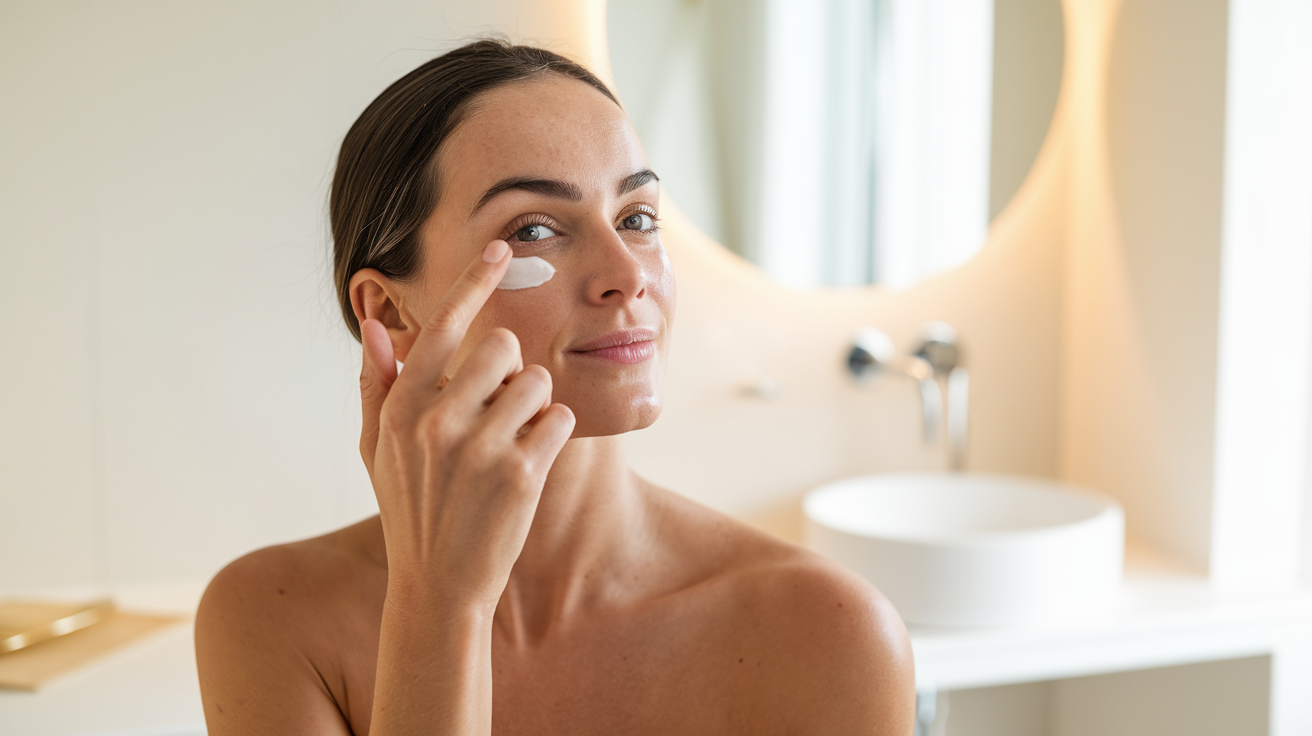
Eye cream isn't just a nighttime ritual or an anti-aging extra. When used correctly before makeup, it transforms the delicate skin around your eyes into a smooth, hydrated base that helps makeup glide on evenly and stay put. But timing, formula, and technique all matter—and getting even one wrong can leave you with creased concealer and a frustrated morning.
Why Your Makeup Settles Into Lines Without Proper Eye Prep
The skin under your eyes is thinner than anywhere else on your face. It has fewer oil glands, less collagen, and a tendency to lose moisture faster than your cheeks or forehead. When you skip hydration and go straight to concealer, you're essentially asking makeup to cling to dry, uneven skin.
Concealer is designed to sit on top of skin, not sink into it. But when the surface is dehydrated or textured, the product has nowhere smooth to land. It migrates into fine lines, settles into creases, and emphasizes every bit of texture you were trying to hide.
Eye cream creates a thin cushion of moisture that plumps the skin just enough to soften the appearance of fine lines and give makeup a smoother surface to adhere to. Think of it like priming a wall before painting—you wouldn't skip that step and expect a flawless finish.
This is also why using the right type of eye cream matters. A heavy, oil-rich formula might feel luxurious at night, but under makeup, it can cause concealer to slide around or break down. You need something that absorbs quickly, hydrates effectively, and doesn't leave a greasy residue.
Tired of seeing under-eye lines before you see yourself?
If the tiny creases under your eyes make you look more tired than you feel, this guide shows the simple under-eye routine that helps soften the look of dry lines, crepey texture, and tired skin without guessing or wasting weeks on random products.
The 15-Minute Rule: When to Apply Eye Cream Before Makeup
Timing is everything. Apply eye cream too late, and your concealer slides over a slippery, half-absorbed layer. Apply it too early, and it may have dried down so much that it doesn't provide the smooth base you need.
The sweet spot is about 10 to 15 minutes before you apply concealer. This gives the eye cream enough time to absorb into the skin without disappearing completely. You want the surface to feel soft and slightly hydrated, not wet or tacky.
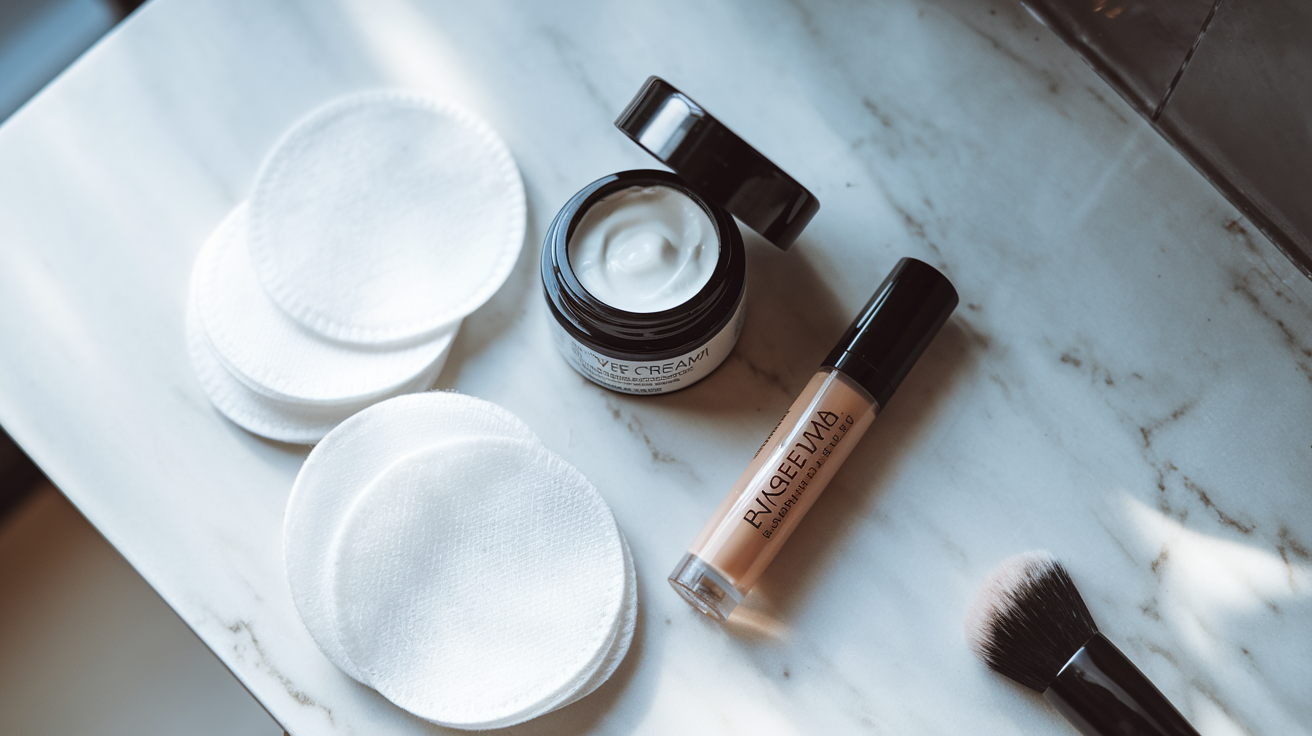
If you're working with a tighter morning routine, you can apply eye cream right after cleansing, then move on to the rest of your skincare and base makeup. By the time you circle back to your under-eyes, the cream will have settled in perfectly.
Some formulas absorb faster than others. Lightweight gels and serums may only need 5 to 7 minutes, while richer creams benefit from the full 15. Pay attention to how your skin feels. If it still looks shiny or feels slick when you touch it, give it another few minutes.
And here's a mistake worth avoiding: don't layer more eye cream right before concealer thinking it will help. Too much product creates a slippery surface that makeup can't grip. One thin, even layer is all you need.
Best Eye Cream Formulas That Work Under Concealer
Not all eye creams are makeup-friendly. The best formulas for daytime wear are lightweight, fast-absorbing, and free of heavy oils or silicones that can interfere with concealer.
Look for gel-cream hybrids. These combine the hydration of a cream with the quick absorption of a gel. They sink in fast, leave skin feeling plump and smooth, and create a neutral base that doesn't fight with your makeup.
Ingredients like hyaluronic acid, peptides, and caffeine work well in morning eye creams. Hyaluronic acid draws moisture into the skin for a smoother-looking surface. Peptides support skin texture over time. Caffeine can temporarily reduce the appearance of puffiness, which also helps makeup sit more evenly.
Avoid anything with a strong fragrance or heavy butter texture in the morning. These formulas may work beautifully at night, but under makeup, they tend to cause creasing or make concealer look patchy.
If you're not sure where to start, check out this affiliate one that walks you through choosing the right texture and ingredients for your skin type and makeup routine.
Matte-finish eye creams are also worth considering if you have oily lids or tend to get creasing by midday. These formulas hydrate without adding shine, so your concealer has a stable, even surface to work with.
Step-by-Step Application for Smooth, Crease-Free Coverage
Here's how to layer eye cream and concealer for the smoothest, longest-lasting finish.
Start with clean, dry skin. If you've just washed your face, gently pat the under-eye area dry—don't rub. The skin here is delicate, and tugging can contribute to a tired-looking appearance over time.
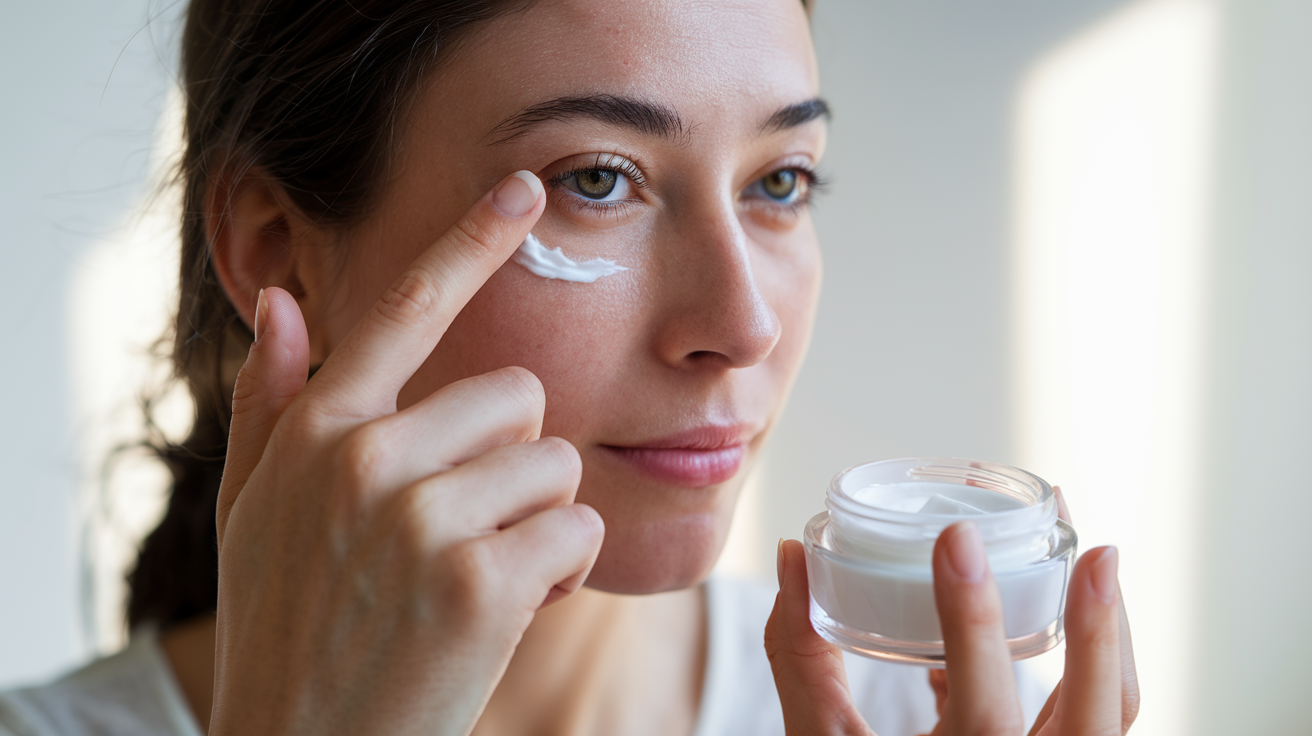
Dispense a rice-grain-sized amount of eye cream onto your ring finger. This finger naturally applies the least pressure, which is ideal for the thin skin around your eyes.
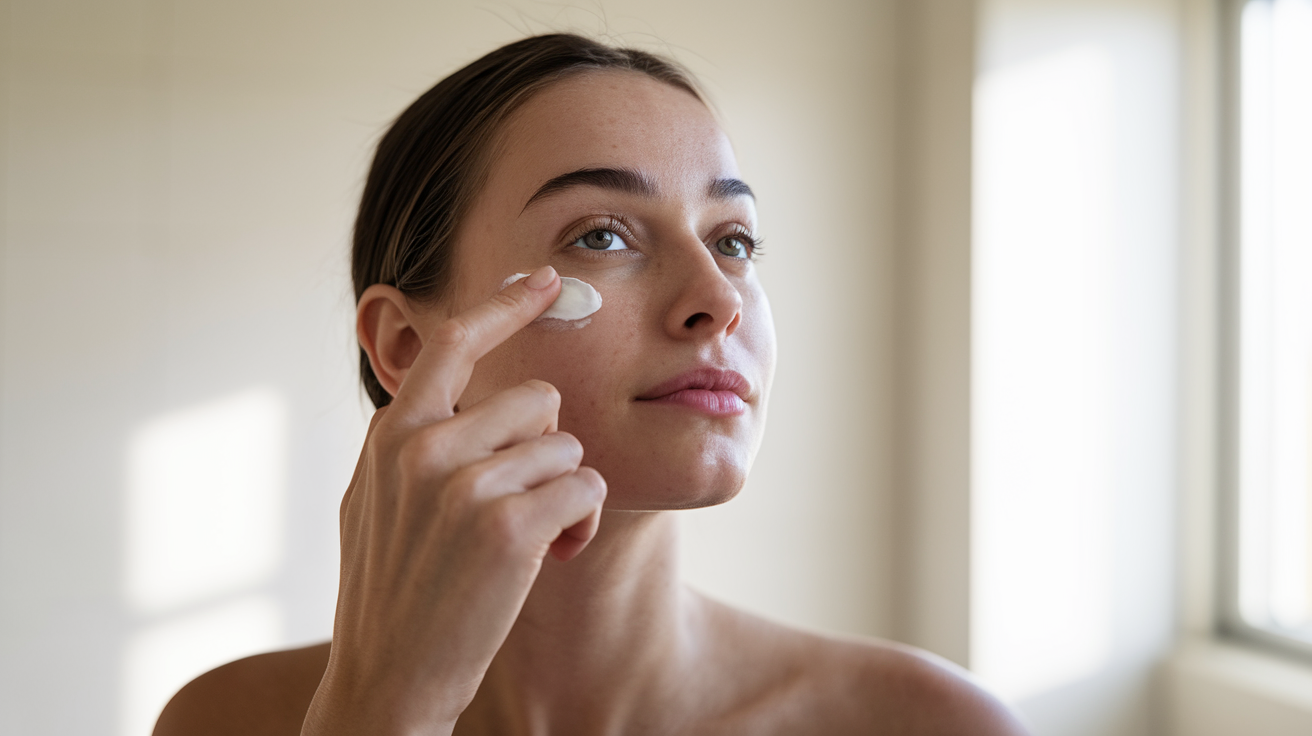
Dot the cream along your orbital bone, starting from the inner corner and moving outward. Don't apply it too close to your lash line—the warmth of your skin will help it migrate slightly, and you don't want it getting into your eyes.
Gently tap the cream into your skin using a light patting motion. Don't rub or drag. Tapping encourages absorption without stretching the skin.
Wait 10 to 15 minutes. Use this time to apply the rest of your skincare, do your base makeup, or make coffee. Just give the eye cream time to settle.
Once the cream has absorbed and your skin feels smooth but not slick, apply your concealer. Use small, controlled amounts and build coverage gradually. A little goes a long way when you've prepped properly.
Set your concealer with a finely milled translucent powder if you're prone to creasing. Use a small brush and press the powder in gently rather than sweeping it on.
If you want a more detailed breakdown of how to build a complete under-eye routine that works with your makeup, this affiliate one covers morning and evening application, layering tips, and how to adjust your routine as your skin changes.
Final Thoughts
Your concealer can only do so much on its own. When you give it a smooth, hydrated surface to work with, you'll notice fewer creases, longer wear, and a fresher overall look that doesn't start to fade by noon.
Eye cream isn't about erasing lines or reversing time. It's about creating a better foundation for everything that comes after—literally. And when you get the formula, timing, and application right, your makeup routine becomes easier, faster, and far less frustrating.
Start with one small change. Swap your nighttime eye cream for a lightweight daytime formula, or simply start applying it 15 minutes before your concealer. You'll see the difference in how your makeup sits, and how much smoother your under-eyes look from morning to evening.