Disclosure: This post contains affiliate links. We may earn a commission at no extra cost to you.
Why Does Your Eye Cream Pill? 5 Common Causes and How to Fix Them
Published July 7, 2026
Have you ever smoothed on your favorite eye cream, only to watch it roll up into tiny little balls just minutes later? If you're nodding along, you're not alone. Pilling is one of the most frustrating issues when it comes to anti-aging skincare, especially around the delicate eye area. The good news is that this annoying problem usually has nothing to do with the quality of your product. Instead, it's typically about how you're using it. Let's dig into the five most common reasons your eye cream is pilling and what you can do to fix it.
1. Using Too Much Product at Once
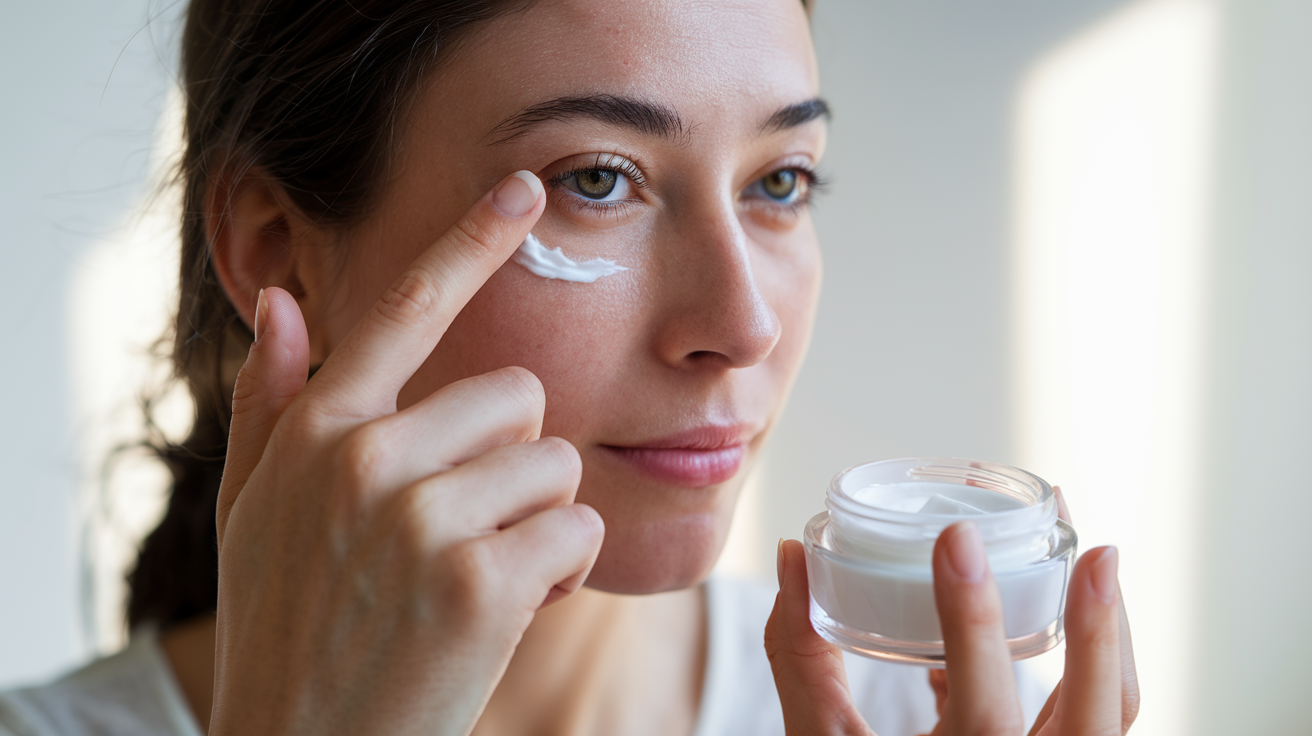
When it comes to eye cream, less really is more. The skin around your eyes is incredibly thin and can only absorb so much product at a time. If you're squeezing out a pea-sized amount for both eyes, you're probably using too much.
Most eye creams are highly concentrated, and you only need about a rice grain-sized amount for both eyes combined. When you apply more than your skin can absorb, the excess sits on the surface and starts to clump up as it dries. This creates those annoying little balls of product that ruin your smooth application.
The fix is simple: Start with half the amount you think you need. Gently tap a tiny dot under each eye and along the orbital bone. You can always add more if needed, but you'll likely find that a smaller amount absorbs better and stops the pilling problem completely.
2. Applying Eye Cream on Damp Skin
You might have heard that applying skincare to damp skin helps with absorption, and while that's true for some products, it can actually cause pilling with certain eye cream formulas. When you apply a thicker cream or one with silicones to wet or damp skin, the water can prevent the product from adhering properly.
Instead of sinking into your skin, the cream slides around on the surface and mixes with the water, creating a texture that's more likely to ball up. This is especially common with eye creams that contain dimethicone or other silicone-based ingredients designed to create a smooth finish.
Wait about 30 to 60 seconds after cleansing or toning before applying your eye cream. Your skin should feel cool and slightly damp, but not wet. Pat the area gently with a clean towel if needed. This small timing adjustment can make a huge difference in how your eye cream performs and helps you achieve that smoother-looking finish you're after.
Tired of seeing under-eye lines before you see yourself?
If the tiny creases under your eyes make you look more tired than you feel, this guide shows the simple under-eye routine that helps soften the look of dry lines, crepey texture, and tired skin without guessing or wasting weeks on random products.
3. Incompatible Product Layering Order
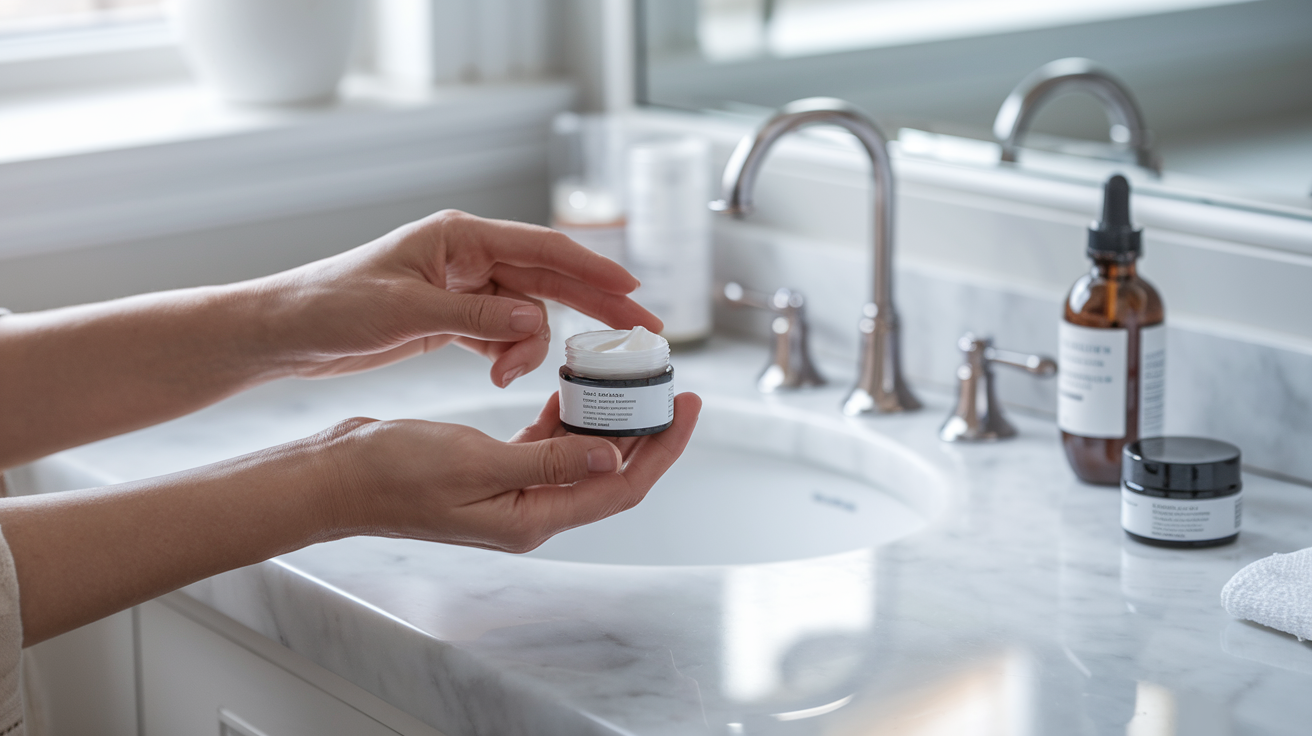
The order you apply your skincare products matters more than most people realize. If you're experiencing pilling, there's a good chance you're layering products that don't play well together. Generally, you want to apply products from thinnest to thickest consistency.
If you apply a thick eye cream before a watery serum, or if you're mixing water-based and silicone-based products in the wrong order, they can clash on your skin's surface. Oil-based products should typically go after water-based ones, and silicone-heavy formulas often work best as a final step.
Try this layering sequence: cleanser, toner, lightweight serum, eye cream, then moisturizer. If you're using multiple serums, apply them from thinnest to thickest. Give each product about 30 seconds to settle before adding the next layer. This approach helps each product absorb properly and reduces the friction that causes pilling. For more detailed guidance on building an effective routine, check out this affiliate one.
4. Rubbing Instead of Patting Application
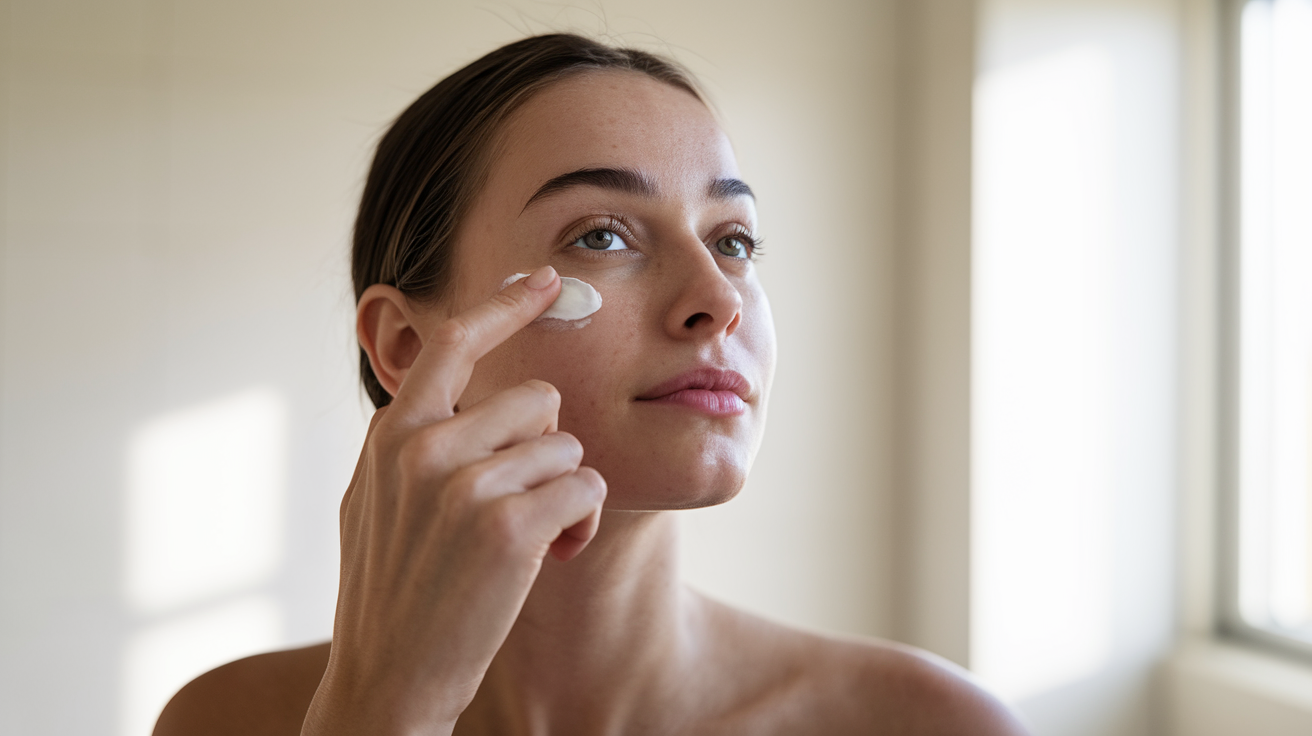
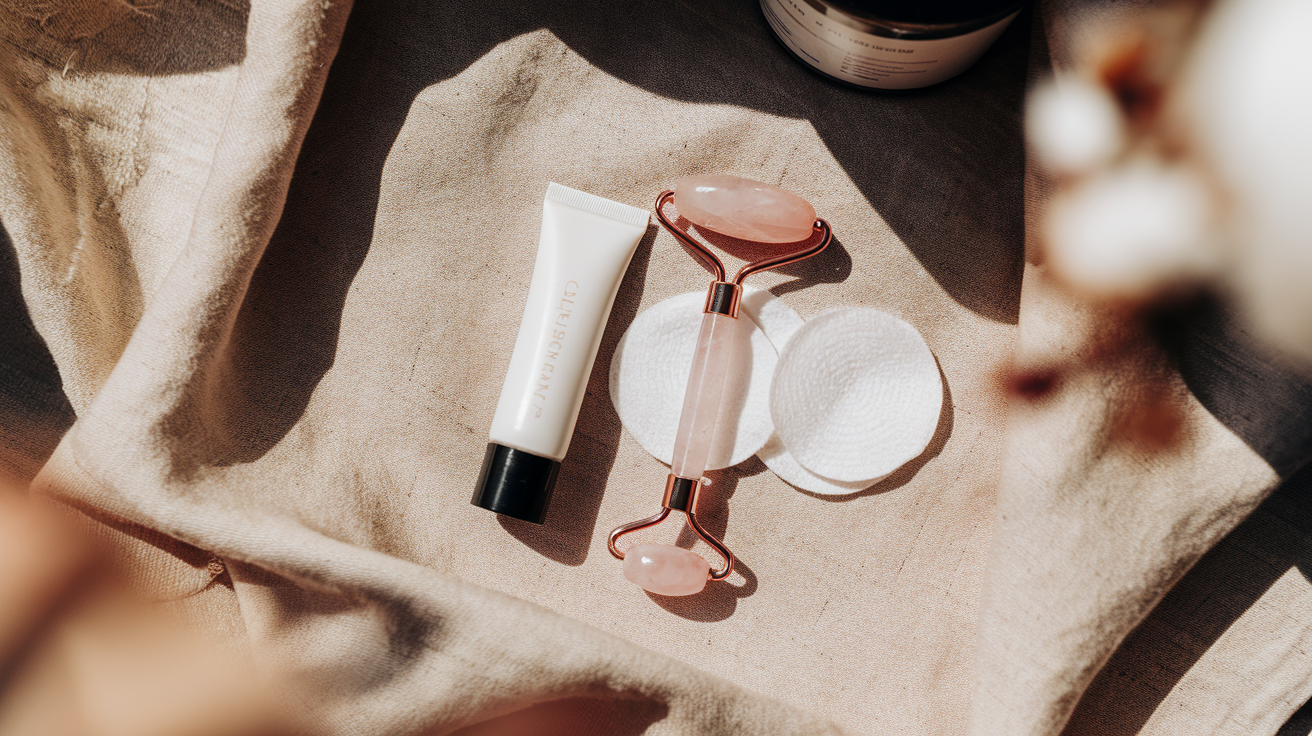
The way you physically apply your eye cream can make or break your results. Rubbing or dragging the product across your delicate under-eye skin not only tugs on sensitive tissue but also creates friction that encourages pilling.
When you rub cream back and forth, especially if there's already another product on your skin, you're essentially rolling the formulas together. This mechanical action is one of the main culprits behind those frustrating little balls of product.
Switch to a gentle patting or pressing motion instead. Use your ring finger, which naturally applies the least pressure, and lightly tap the product onto your skin. Start from the inner corner and work your way outward along the orbital bone. Let the warmth of your finger help the cream melt into your skin rather than forcing it in with rubbing motions. This technique is gentler on the skin and significantly reduces pilling.
5. Formula Compatibility with Makeup
If your eye cream pills only when you apply makeup afterward, the issue is likely a compatibility problem between your skincare and cosmetics. Some eye cream ingredients, particularly silicones, don't mix well with certain makeup bases. Water-based foundations and concealers can clash with silicone-rich eye creams, causing everything to ball up as you blend.
Similarly, if you're applying concealer too soon after your eye cream, the product hasn't had enough time to fully absorb. When you start blending makeup over a semi-wet eye cream, you're essentially mixing the two products together on your skin, which creates that dreaded pilling effect.
Give your eye cream at least three to five minutes to fully absorb before applying any makeup. If you're short on time, choose a lightweight eye gel or serum in the morning and save your richer cream for nighttime. You can also look for makeup primers specifically designed to work with skincare, which create a smooth base that prevents pilling. Understanding how your products work together is key to achieving that flawless, less-tired-looking appearance around your eyes.
Final Thoughts
Pilling doesn't mean your eye cream is bad or that you need to toss it out. In most cases, a few simple adjustments to how much you're using, when you're applying it, and how you're layering your products will solve the problem completely. Pay attention to your application technique, give each product time to settle, and make sure your routine is organized in the right order.
Remember that the delicate skin around your eyes deserves gentle treatment and quality care. By troubleshooting these common issues, you'll not only stop the pilling but also get better results from your eye cream overall. For a complete approach to caring for the under-eye area, this affiliate one walks you through everything you need to know to support smoother-looking, more refreshed skin around your eyes.