Disclosure: This post contains affiliate links. We may earn a commission at no extra cost to you.
Should You Use Different Eye Creams Morning vs Night? What Dermatologists Say
Have you ever wondered if you're wasting time (and product) by using the same eye cream twice a day? Or maybe you've scrolled past gorgeous vanity shelfies showcasing both a morning and nighttime eye cream and thought, "Is that actually necessary, or just extra?"
Here's the thing: your skin doesn't just wake up and go to sleep on the same schedule you do. The skin around your eyes faces completely different challenges depending on the time of day. Morning skin needs protection from environmental stress, while nighttime skin is in full repair mode. Using the same formula for both might mean you're missing out on what your delicate eye area actually needs.
Let's break down what dermatologists actually recommend when it comes to morning versus nighttime eye creams, and whether this two-cream approach is worth the extra step.

Why Morning and Night Eye Creams Serve Different Purposes
Think of your morning eye cream as armor and your nighttime eye cream as recovery. They're designed to work with your skin's natural rhythm, not against it.
During the day, the skin around your eyes is exposed to UV rays, blue light from screens, pollution, and oxidative stress. Your morning eye cream should focus on protecting that thin, vulnerable skin while also prepping it for makeup. Lightweight textures that absorb quickly work best here because they won't interfere with concealer or cause pilling.
At night, your skin shifts into repair mode. Cell turnover increases, collagen production ramps up, and your skin is more receptive to active ingredients. Nighttime eye creams are typically richer and more concentrated because you don't need to worry about makeup application or sun exposure. This is when your skin can actually absorb and utilize heavier, more nourishing formulas.
According to affiliate one, understanding this day-night difference is one of the most overlooked aspects of effective eye care routines.
Your skin also loses more moisture at night through a process called transepidermal water loss. A richer nighttime formula helps seal in hydration and supports the skin's natural overnight repair process.
Tired of seeing under-eye lines before you see yourself?
If the tiny creases under your eyes make you look more tired than you feel, this guide shows the simple under-eye routine that helps soften the look of dry lines, crepey texture, and tired skin without guessing or wasting weeks on random products.
Key Ingredients to Look for in Morning Eye Creams
Your morning eye cream should be a multitasker that protects, brightens, and preps.
Caffeine is a morning eye cream MVP. It helps reduce the appearance of puffiness by temporarily constricting blood vessels. If you wake up with puffy under-eyes, caffeine can help you look more awake and refreshed.
Vitamin C is another daytime favorite. This antioxidant helps brighten the look of dark circles while protecting skin from free radical damage throughout the day. Look for stable forms like ascorbyl glucoside or tetrahexyldecyl ascorbate in eye-safe concentrations.
Peptides work beautifully in morning formulas because they support the skin's structure without making it more sensitive to light. They help the under-eye area look firmer and smoother over time.
Hyaluronic acid is essential for keeping the eye area plump and hydrated throughout the day. It draws moisture into the skin and helps makeup sit smoothly without settling into fine lines.
And here's the non-negotiable: SPF or antioxidants. While most eye creams don't contain SPF, pairing your morning eye cream with a broad-spectrum sunscreen is critical. The skin around your eyes is incredibly thin and vulnerable to UV damage, which accelerates the appearance of fine lines and dark spots.
Essential Ingredients for Nighttime Eye Treatment
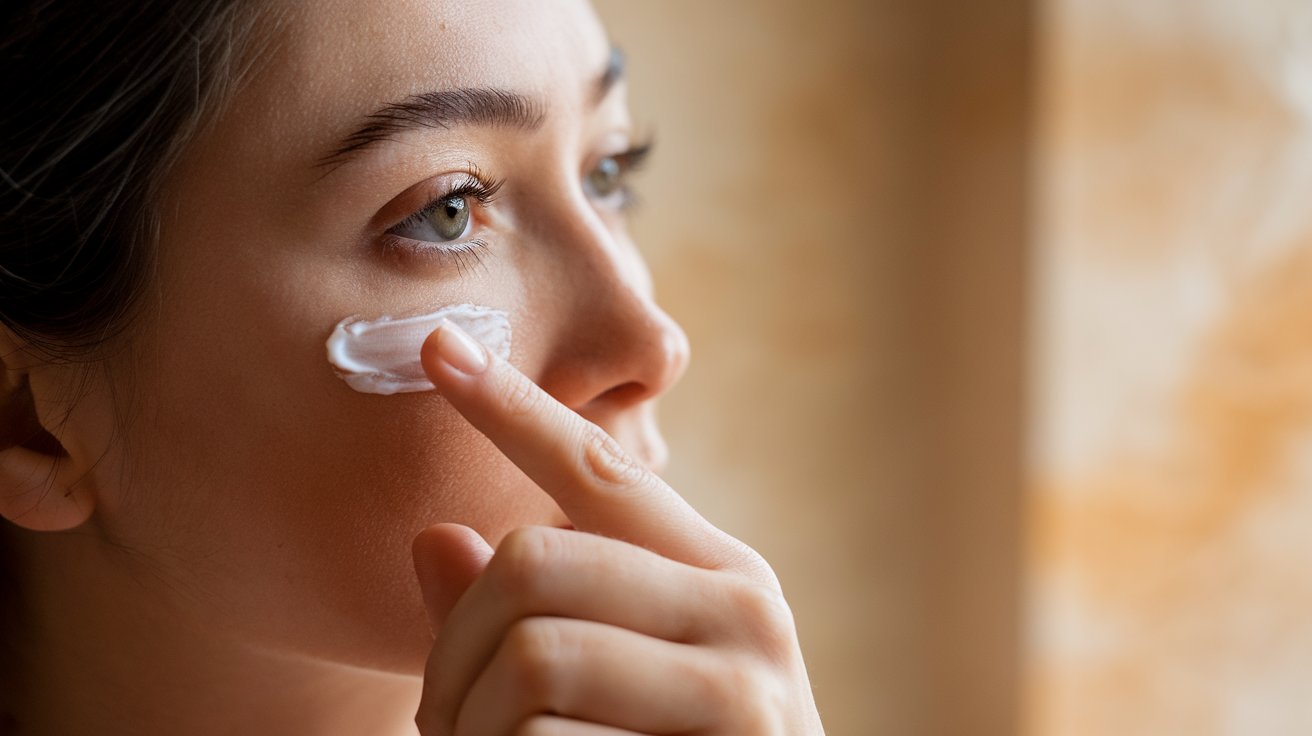
Nighttime is when you can bring out the heavier hitters. Your evening eye cream can be richer, more concentrated, and packed with ingredients that work best without sun exposure.
Retinol or retinal are powerhouse ingredients for addressing the appearance of fine lines and texture around the eyes. These vitamin A derivatives help support cell turnover and can make the under-eye area look smoother over time. Start with a low concentration designed specifically for the eye area, and use it only at night since retinoids can make skin more sun-sensitive.
Niacinamide works beautifully at night to help improve skin texture and reduce the appearance of dark circles. It's gentle enough for the eye area and supports the skin barrier while you sleep.
Ceramides and fatty acids help lock in moisture and repair the skin barrier overnight. These ingredients are especially helpful if your under-eye area feels dry or looks crepey.
Bakuchiol is a gentler alternative to retinol that's gaining popularity in nighttime eye treatments. It helps support the look of smoother, firmer skin without the potential irritation that can come with traditional retinoids.
Peptides also shine at night. Formulas with multiple peptide types can support collagen production and help the skin look more lifted and less tired over time.
The texture of nighttime eye creams tends to be creamier and more emollient. This is intentional—your skin can handle and benefit from richer formulas while you sleep.
How to Build the Perfect Twice-Daily Eye Care Routine
Now that you know what to look for, here's how to actually use morning and nighttime eye creams effectively.
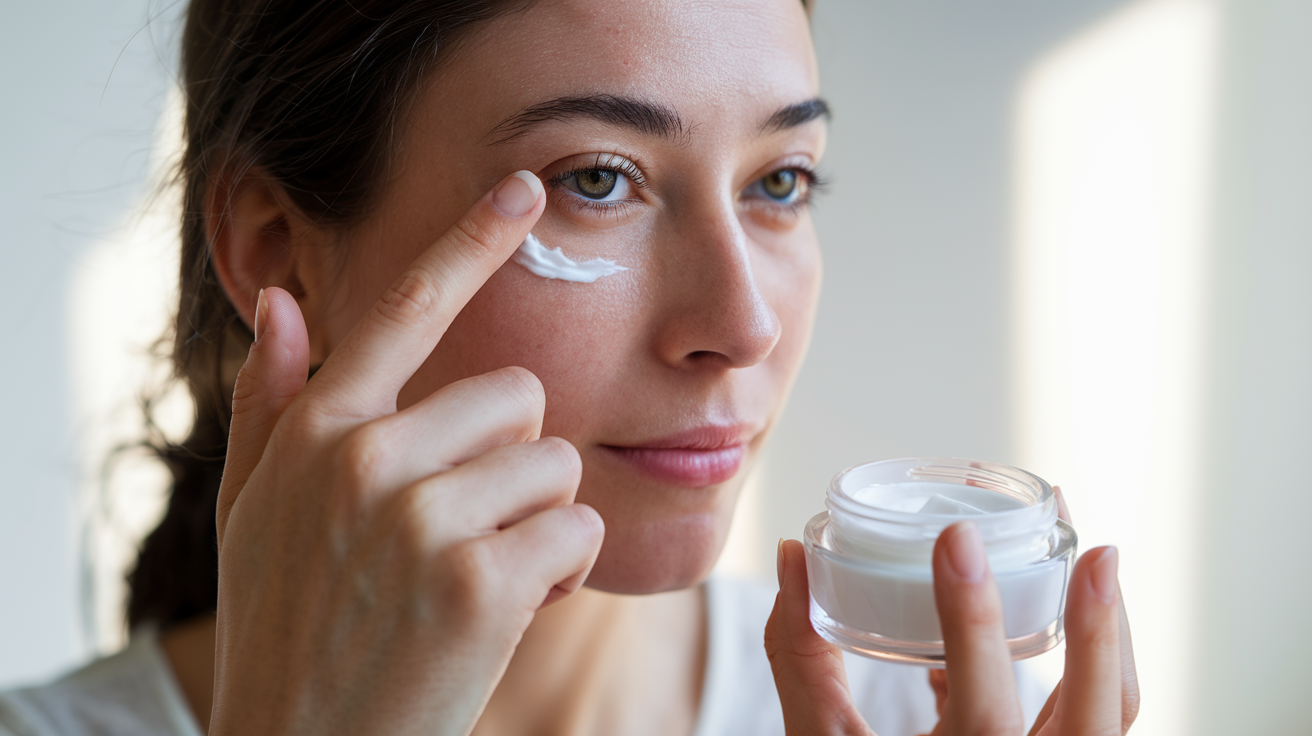
Morning routine: After cleansing and applying any serums, gently pat a pea-sized amount of your morning eye cream around the orbital bone. Use your ring finger for the lightest touch. Start at the inner corner and move outward, then gently tap along the brow bone. Let it absorb for 30-60 seconds before applying sunscreen and makeup.
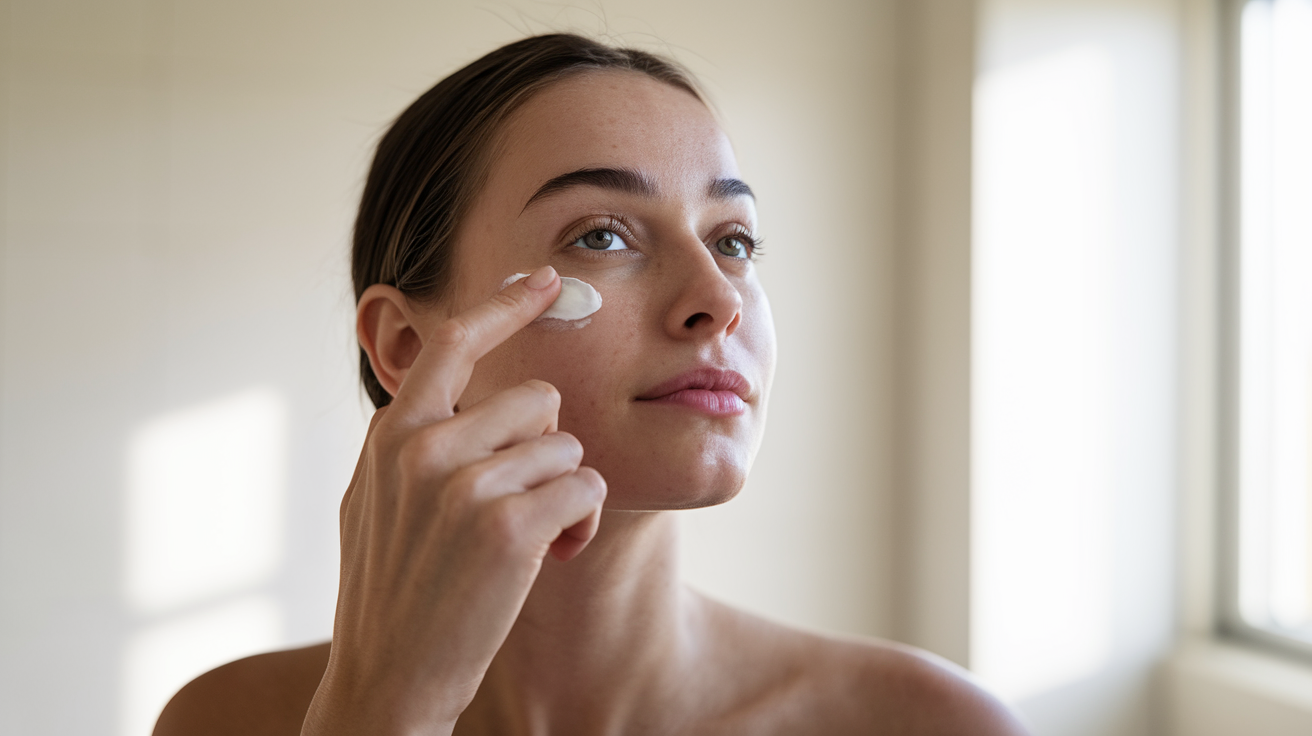
Evening routine: After cleansing and applying serums, take a small amount of your nighttime eye cream and warm it between your fingertips. Gently press it into the skin around your eyes using the same motion—inner corner outward. You can use slightly more product at night since you don't need to worry about makeup application.
A few important tips: Always apply eye cream to damp skin for better absorption. Never tug or pull at the delicate eye area. And give each product time to absorb before layering the next step.
If you're new to using separate morning and night eye creams, ease into it. You don't need to overhaul your entire routine overnight. Start with the time of day that addresses your biggest concern—if you struggle with morning puffiness, begin with a caffeine-rich morning formula. If fine lines are your main worry, start with a retinol-based nighttime treatment.
According to affiliate one, consistency matters more than complexity. Using the right formulas at the right time, every day, will always outperform sporadic use of even the most expensive eye creams.
One more thing: don't expect overnight transformations. The skin around your eyes is delicate and responds gradually. Give any new eye cream at least 6-8 weeks before deciding if it's working for you.
So, should you use different eye creams morning versus night? If you want to address specific concerns like puffiness in the morning and fine lines at night, then yes—tailored formulas will serve you better than a one-size-fits-all approach. But if you're just starting out or prefer a simpler routine, using one well-formulated eye cream consistently is still better than doing nothing at all.
The key is understanding what your eye area needs and when it needs it. Once you match your products to your skin's natural rhythm, you might be surprised at how much smoother and less tired your eyes can look.