Disclosure: This post contains affiliate links. We may earn a commission at no extra cost to you.
Eye Cream Texture Matters: Which Formula Works Best for Your Under Eye Concerns
Ever wonder why your eye cream feels amazing but doesn't seem to help with your specific under-eye concern? The problem might not be the active ingredients—it could be the texture itself. Choosing the right formula based on your needs can make the difference between a product that sits on your skin and one that works with it.
From lightweight gels to rich balms, eye cream textures vary dramatically. Each type is designed to address different concerns, absorb at different rates, and work best at different times of day. Let's break down which texture actually makes sense for what you're dealing with under your eyes.
Gel vs Cream Eye Formulas: Understanding the Texture Difference
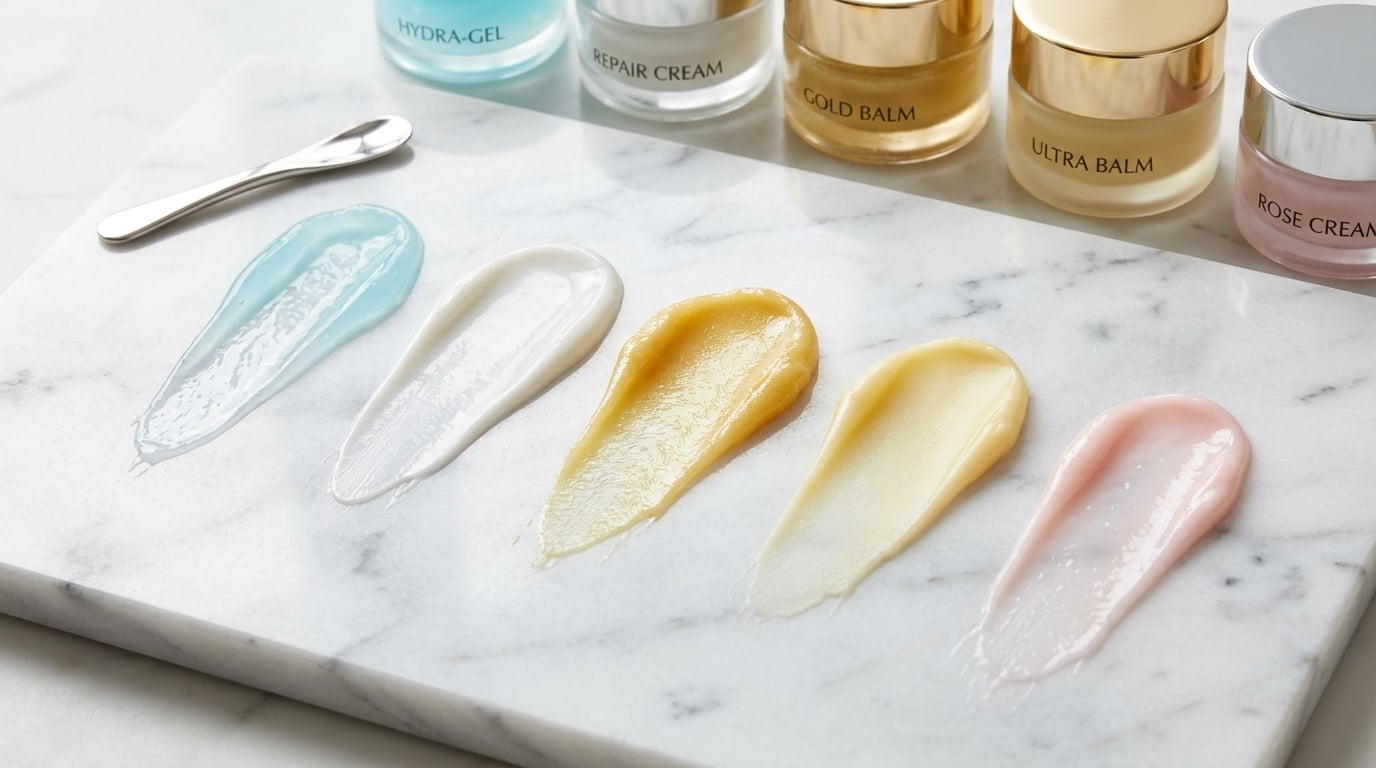
Gel and cream formulas look different because they are different—right down to their molecular structure. Gels are typically water-based, which means they absorb quickly and feel cool and light on skin. Creams contain more oil and emollients, creating a thicker consistency that sits on skin longer.
This isn't just about preference. Gels work well when you need quick absorption, like before makeup or when dealing with puffiness. The cooling sensation can help constrict blood vessels temporarily, which may reduce the appearance of swelling. Creams, on the other hand, create a barrier that helps lock in moisture over time—ideal for overnight use or when you're dealing with dry, flaky skin.
If you have oily skin or live in a humid climate, gels won't feel heavy or cause milia (those tiny white bumps). If your under-eye area feels tight or looks crepey, creams provide the occlusive layer that helps soften the look of fine lines caused by dehydration.
Neither is better—they're just built for different jobs. The key is matching the texture to your skin's current state and your daily routine.
Lightweight Serums for Puffiness and Morning Application
Serum-style eye products are the thinnest texture you'll find. They're almost liquid, packed with active ingredients but minimal filler. This makes them perfect for morning routines when you need something that disappears into skin within seconds.
Puffiness responds well to lightweight formulas because heavy creams can actually make swelling look worse. When fluid builds up under your eyes overnight, the last thing you want is a thick layer of product sitting on top. Serums sink in immediately, often containing caffeine or peptides that may help reduce the appearance of puffiness without adding bulk.
These formulas also layer beautifully under concealer. There's no pilling, no sliding, and no creasing throughout the day. If you've ever had your makeup separate around your eyes by noon, a heavy cream applied in the morning is often the culprit.
Tired of seeing under-eye lines before you see yourself?
If the tiny creases under your eyes make you look more tired than you feel, this guide shows the simple under-eye routine that helps soften the look of dry lines, crepey texture, and tired skin without guessing or wasting weeks on random products.
Look for serums with a dropper or pump applicator. Pat them gently onto skin with your ring finger—the lightest touch—and let them absorb for a full minute before moving on to the next step. Rushing this process means your concealer will mix with the serum instead of sitting on top of absorbed, prepped skin.
Rich Creams for Deep Wrinkles and Nighttime Repair
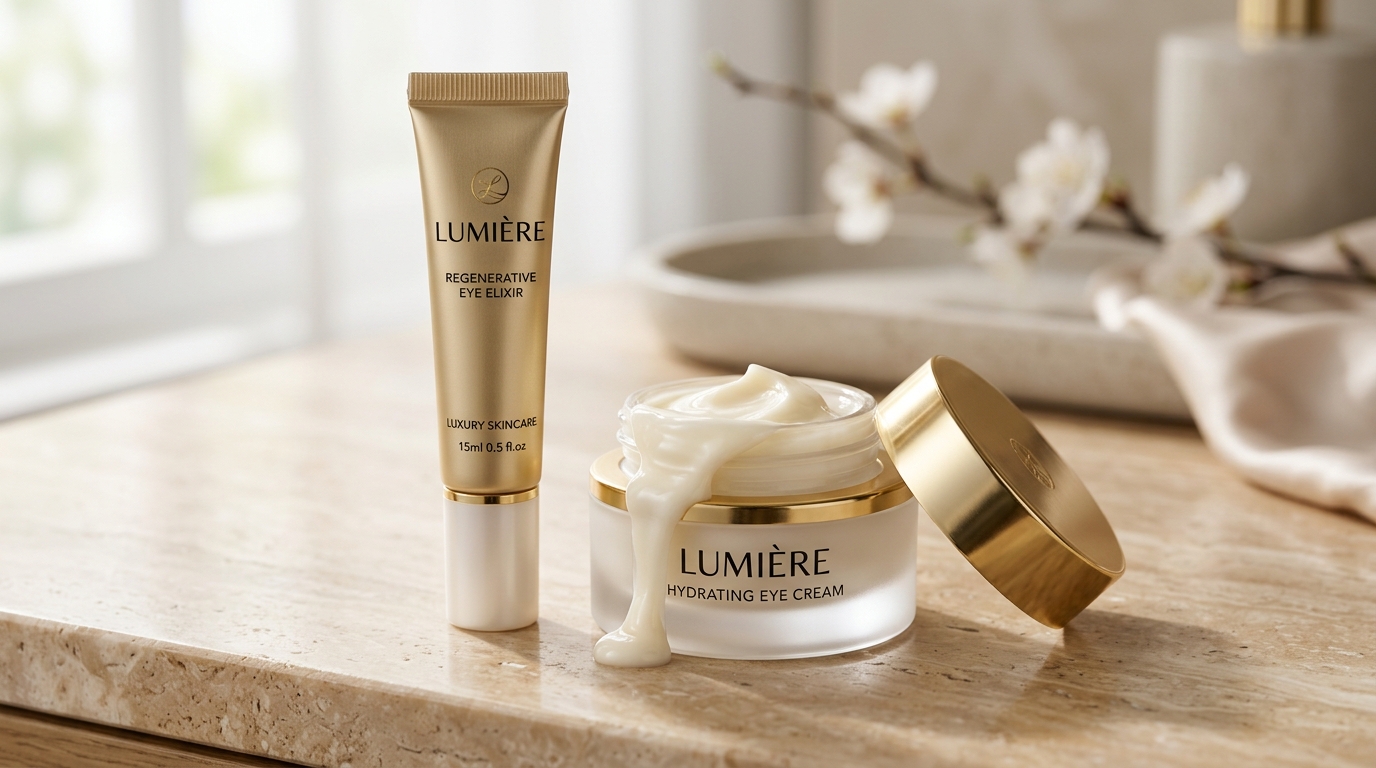
When you're dealing with deeper lines and visible creasing, rich creams offer the texture your skin actually needs. These formulas contain higher concentrations of emollients like shea butter, ceramides, and plant oils that help plump the appearance of skin overnight.
Nighttime is when thicker textures shine. You're not worried about makeup, and your skin has hours to absorb the beneficial ingredients. Rich creams create an occlusive barrier that prevents moisture loss while you sleep—crucial for mature skin that doesn't retain hydration as efficiently.
The difference between a regular cream and a rich cream comes down to percentages. Rich formulas contain more lipids and less water, which means they feel denser and take longer to absorb. This slow absorption is actually the point. Your under-eye area gets continuous hydration instead of a quick hit that evaporates.
If you're exploring different textures and formulas, this affiliate one can help you understand which ingredients work best with which textures for your specific concerns.
Apply rich creams after your nighttime serum but before any facial oil. Use a tiny amount—about half a grain of rice per eye. More doesn't mean better. Excess product can migrate into your eyes overnight, causing puffiness by morning.
Balm Textures for Extreme Dryness and Crepey Skin
Balms are the heaviest texture available for under-eye care, and they're specifically designed for skin that looks and feels parched. If your under-eye area has visible texture—almost papery-looking skin with pronounced fine lines—a balm provides intense nourishment that lighter textures can't match.
These formulas are usually anhydrous, meaning they contain little to no water. Instead, they're made from butters, waxes, and oils that melt slightly at skin temperature. This creates a protective layer that helps soften the appearance of crepey skin caused by severe dehydration.
Balms work best when applied to slightly damp skin. After cleansing, pat your under-eye area with a hydrating toner or essence, then immediately apply the balm. This traps the water against your skin, giving you both hydration and occlusion.
You won't use balms every day unless your skin is extremely dry. For most people, they're a rescue treatment—used a few nights a week or during harsh weather when regular creams aren't enough. Think of them as intensive care rather than daily maintenance.
The texture can feel heavy at first, but it shouldn't feel greasy. Quality balms absorb within 10-15 minutes, leaving skin soft but not slick. If you're still seeing shine after 20 minutes, you've used too much.
For a deeper breakdown of how different textures work with various skin concerns and routines, check out this affiliate one that walks through texture selection step by step.
Finding Your Perfect Texture Match
Your ideal eye cream texture isn't static. It changes with seasons, age, hormones, and even stress levels. What works in summer might feel too light in winter. What felt perfect at 35 might not cut it at 45.
Pay attention to how your under-eye area looks an hour after application. If you see the same dry lines you started with, your formula is too light. If your skin looks puffy or shiny, it's too heavy. The right texture should make your under-eye area look smoother and more comfortable without any obvious product residue.
Don't be afraid to use different textures for morning and night, or to switch between formulas based on what your skin needs that day. Building a small collection of textures gives you flexibility—a lightweight serum for weekday mornings, a rich cream for Sunday nights, and a balm for when your skin feels especially tight.
The best eye cream isn't necessarily the one with the fanciest ingredients or the highest price tag. It's the one with the texture your skin actually wants to absorb and the formula that addresses your specific under-eye concerns right now.