Disclosure: This post contains affiliate links. We may earn a commission at no extra cost to you.
Can You Use Regular Moisturizer Around Your Eyes? The Truth About Eye Cream
Published July 18, 2026
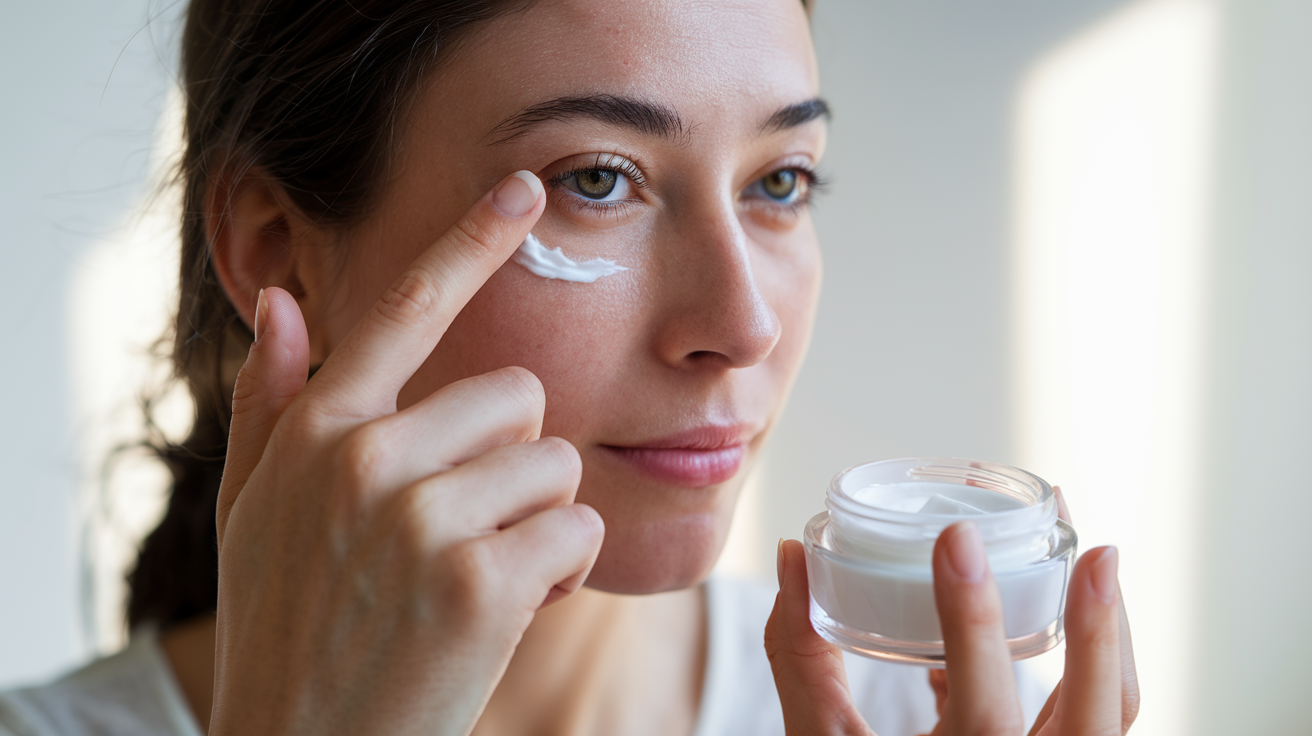
You've probably stood in front of your bathroom mirror wondering if you really need a separate product for your under-eye area, or if your trusty face moisturizer can do double duty. It's a fair question, especially when eye creams can cost twice as much as regular moisturizers. The short answer? It depends on your skin, your age, and what's actually in your products. Let's break down when eye cream matters and when you can skip it without worry.
Why the Eye Area Needs Different Care Than Your Face
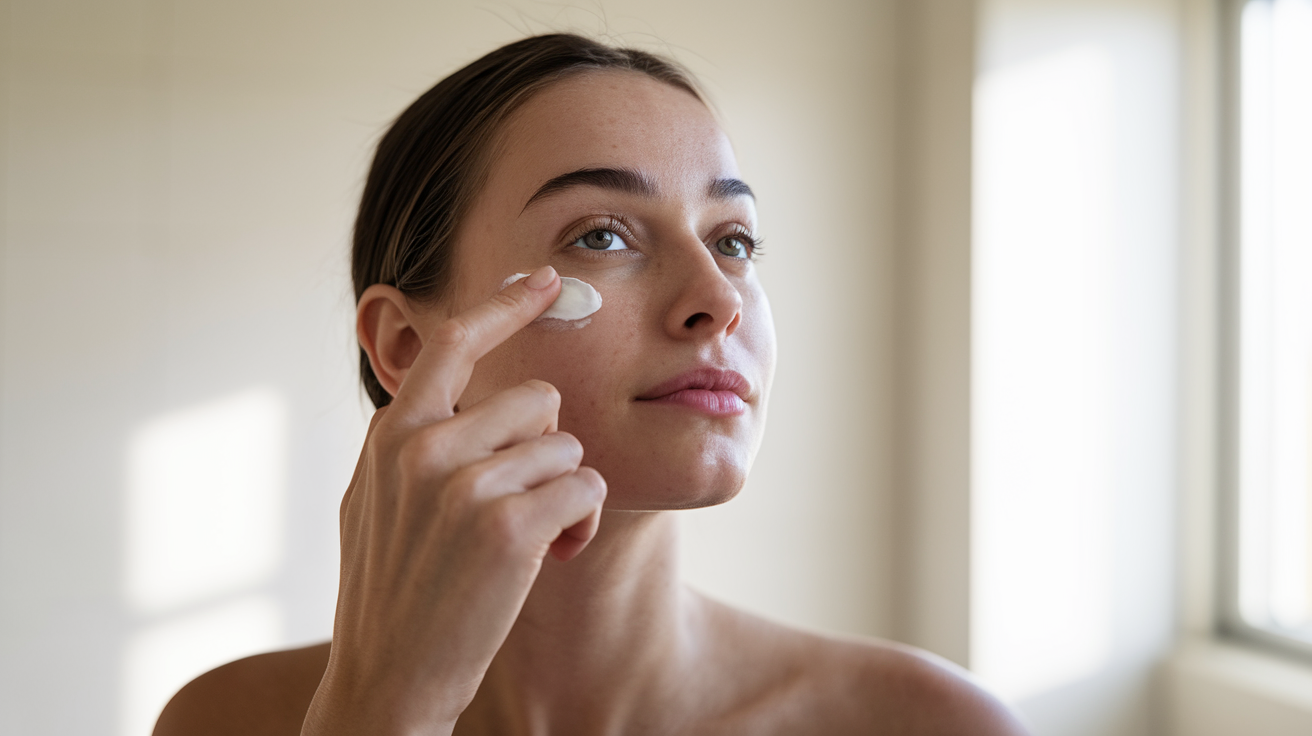
The skin around your eyes is dramatically thinner than the rest of your face. We're talking about 0.5mm compared to 2mm on your cheeks. That means it has fewer oil glands, less collagen support, and shows signs of aging faster.
This delicate area also deals with constant movement. You blink around 15,000 times a day, squint in sunlight, and stretch the skin every time you smile or rub your eyes. All that motion breaks down elasticity over time.
Because the under-eye skin is so thin, it's also more prone to sensitivity. Ingredients that work beautifully on your forehead might cause stinging or puffiness around your eyes. Face moisturizers often contain higher concentrations of active ingredients or fragrances that can irritate this sensitive zone.
The lymphatic drainage around your eyes is also different. Fluid can pool more easily here, which is why you wake up with puffiness even when the rest of your face looks fine.
Key Ingredient Differences Between Eye Creams and Face Moisturizers
Eye creams are typically formulated with gentler, more targeted ingredients. They often skip harsh actives like strong retinoids, high-percentage acids, or heavy fragrances that can migrate into your eyes and cause irritation.
Instead, quality eye products focus on ingredients like caffeine to help reduce the appearance of puffiness, peptides to support smoother-looking skin, and ceramides to strengthen the moisture barrier without weighing down the delicate area.
Face moisturizers, on the other hand, are built for thicker skin. They might contain occlusive ingredients that feel too heavy under your eyes, or actives in concentrations that work for your cheeks but overwhelm the thinner eye area.
Texture matters too. Eye creams tend to be lighter and absorb faster, so they don't interfere with concealer or cause milia (those tiny white bumps that form when heavy products clog the skin). Many face creams are richer and designed to sit on the surface longer, which isn't ideal for makeup application.
Tired of seeing under-eye lines before you see yourself?
If the tiny creases under your eyes make you look more tired than you feel, this guide shows the simple under-eye routine that helps soften the look of dry lines, crepey texture, and tired skin without guessing or wasting weeks on random products.
When You Actually Need a Dedicated Eye Cream
If you're in your twenties with no visible concerns, you can probably get away with using your regular moisturizer around your eyes, as long as it's fragrance-free and doesn't sting. Your skin still has plenty of natural support at this age.
But once you start noticing fine lines, crepey texture, or darkness that doesn't fade with sleep, a dedicated eye product becomes more important. These concerns need targeted ingredients that most face moisturizers don't prioritize.
You'll also want an affiliate one if your face cream contains retinol, AHAs, or BHAs. While these ingredients can work around the eyes in lower concentrations, the amounts in face products are often too strong and can cause chronic irritation or dryness in the under-eye area.
People with sensitive skin or conditions like eczema or rosacea should absolutely use a separate eye product. Your face moisturizer might contain actives or preservatives that trigger flare-ups in the thinner skin around your eyes.
And if you wear makeup daily, eye cream is worth it. The right formula creates a smooth base that helps concealer blend better and last longer without settling into lines.
How to Choose Between Eye Cream and Moisturizer for Your Concerns
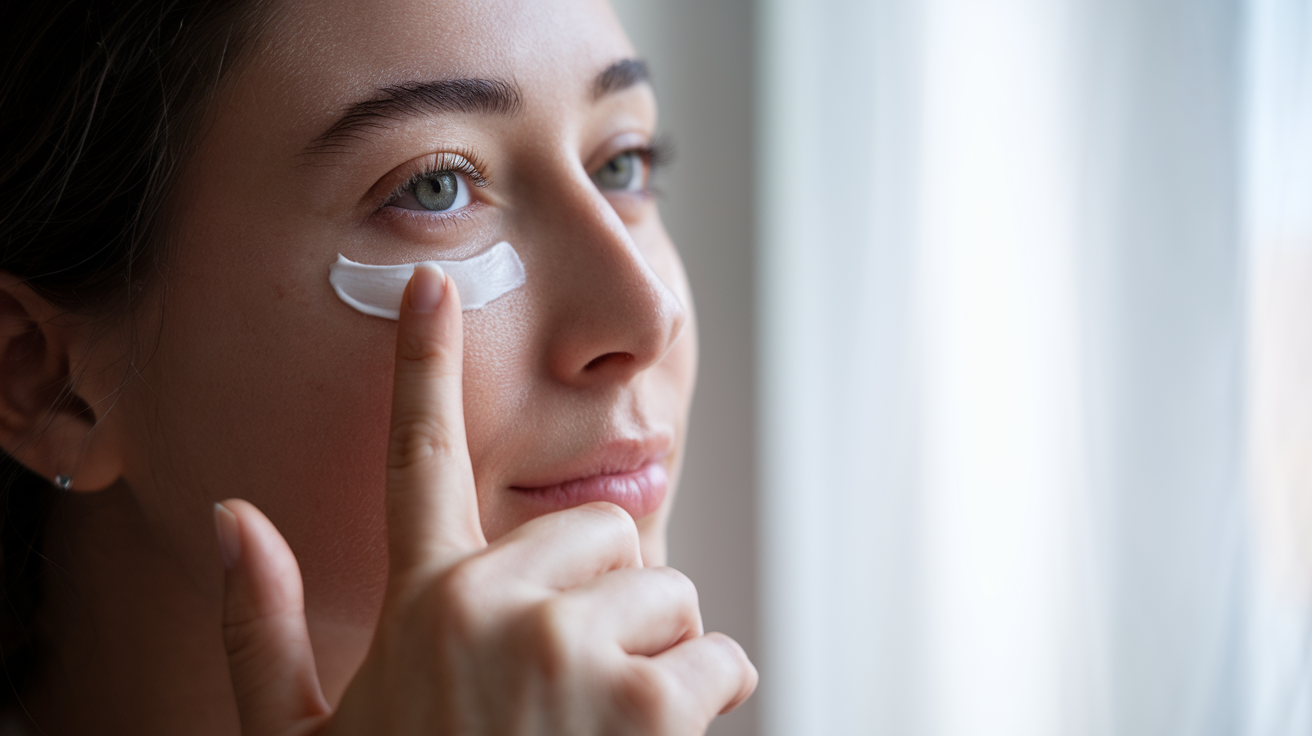
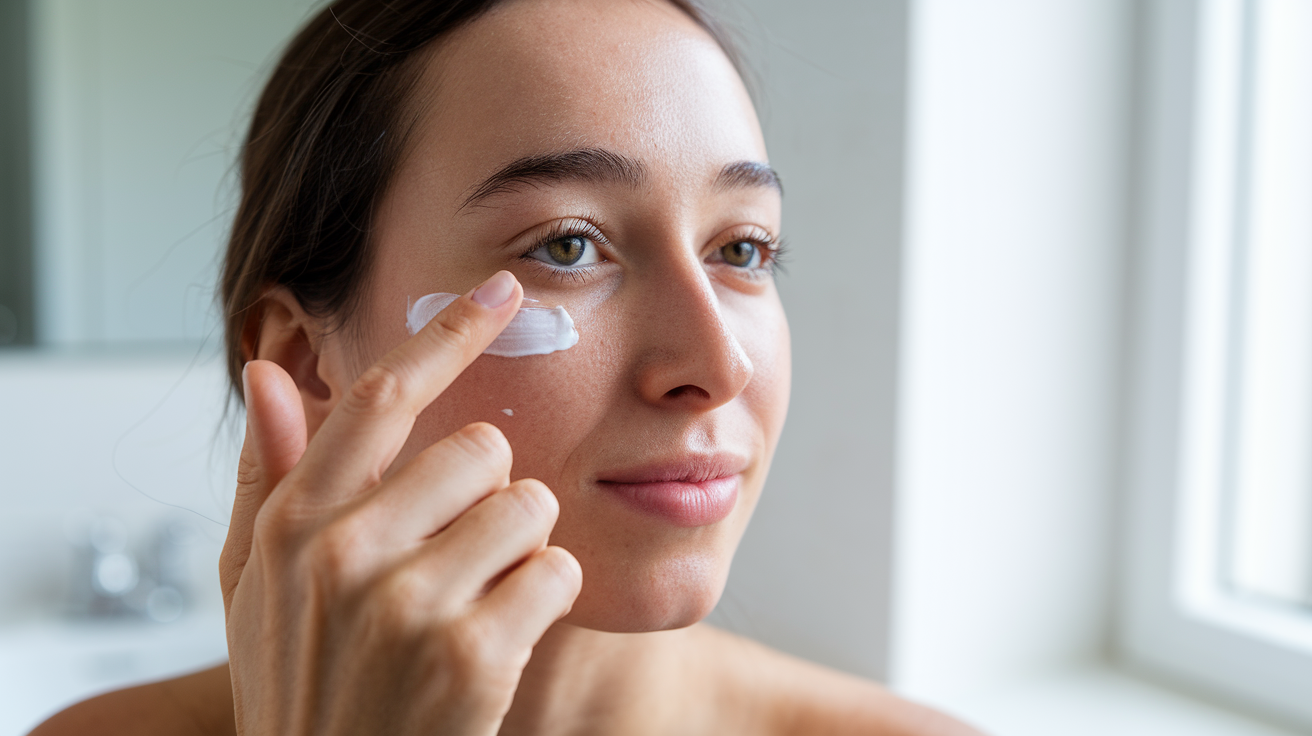
Start by reading your face moisturizer's ingredient list. If it's fragrance-free, contains gentle hydrators like hyaluronic acid or glycerin, and doesn't include strong actives, you can try using it around your eyes. Pat a tiny amount gently on your orbital bone, never pulling or tugging the skin.
If you experience any stinging, redness, or puffiness within a few days, switch to a dedicated eye cream. Your skin is telling you it needs something gentler.
For dark circles, look for eye creams with vitamin C, niacinamide, or light-reflecting particles. Face moisturizers rarely address discoloration in the way eye products do.
If crepey texture or fine lines are your main concern, choose an eye cream with peptides, retinaldehyde (a gentler retinoid), or bakuchiol. These ingredients help support smoother-looking skin without the harsh side effects of face-strength retinol.
For puffiness, caffeine-based eye products work better than regular moisturizers because they're designed to help improve the appearance of fluid retention. An affiliate one can walk you through exactly which ingredients to look for based on what you see in the mirror.
And if your main issue is dryness, a simple hydrating eye gel with hyaluronic acid might be all you need. You don't have to spend a fortune on anti-aging actives if your skin just needs moisture.
The bottom line? You don't always need a separate eye cream, but once you start seeing changes in the under-eye area, a targeted product gives you better options for addressing those specific concerns. Pay attention to how your skin responds, and adjust your routine accordingly. Your eyes will thank you.