Disclosure: This post contains affiliate links. We may earn a commission at no extra cost to you.
Published July 15, 2026
Should You Use Eye Cream or Just Face Moisturizer? The Truth About Under Eye Care
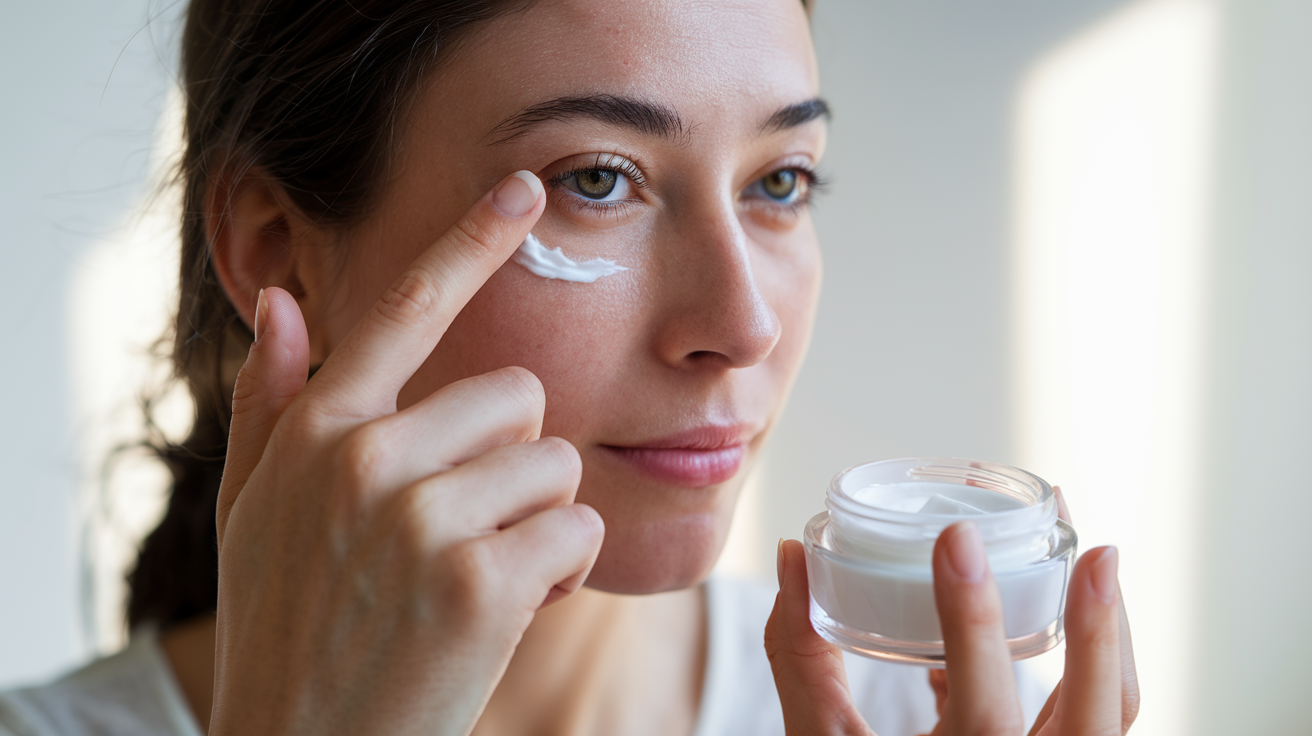
Have you ever stood in front of your bathroom mirror, holding your regular face moisturizer, wondering if you really need a separate product for your eyes? It's one of the most common skincare questions, and the answer isn't as simple as a yes or no.
The truth is, some people benefit from a dedicated eye cream while others do just fine with their face moisturizer. Understanding what makes these products different and when you actually need something separate can help you make the right choice for your skin.
Why the Eye Area Needs Different Care Than Your Face
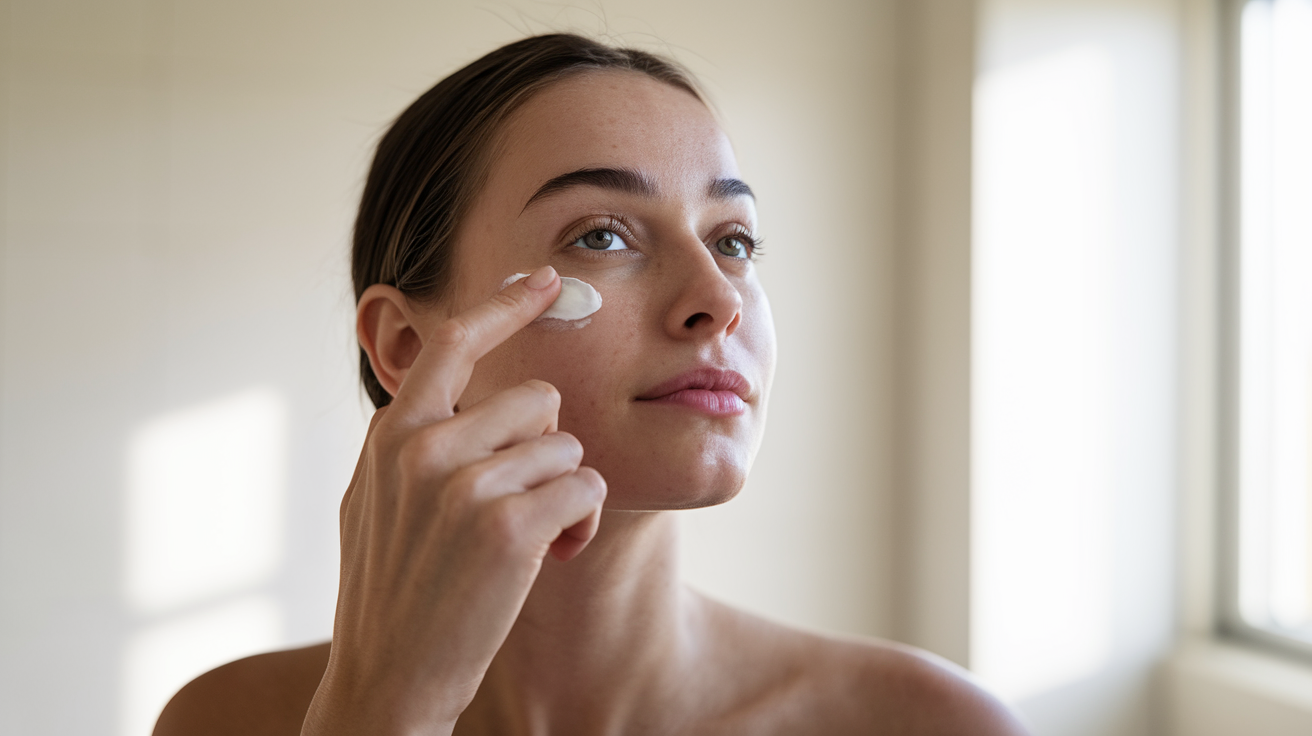
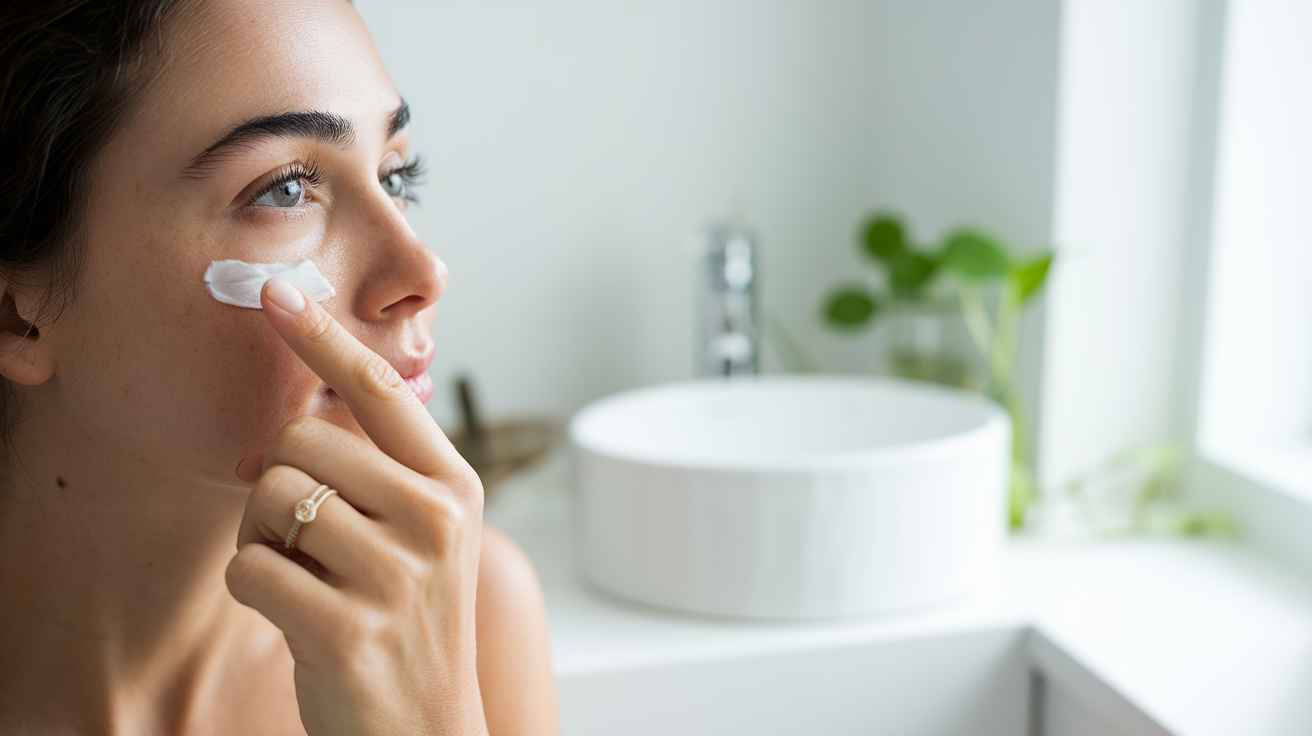
The skin around your eyes is noticeably thinner than the rest of your face. While facial skin averages about 2mm thick, the under-eye area can be as thin as 0.5mm. That's about half the thickness of a credit card.
This delicate area also has fewer oil glands, which means it can't hold onto moisture as easily. It's one of the first places to show signs of dryness, fatigue, and aging.
Add in constant movement from blinking, squinting, and facial expressions, and you have skin that's working overtime with fewer resources to repair itself. This doesn't mean you automatically need a separate product, but it does explain why many people notice their under-eye area looks different from the rest of their face.
The under-eye area is also more prone to irritation. Products that feel perfectly fine on your cheeks might sting or cause puffiness around your eyes. That's because the skin barrier here is more permeable and sensitive to active ingredients.
Key Differences: Eye Cream vs Face Moisturizer Formulations
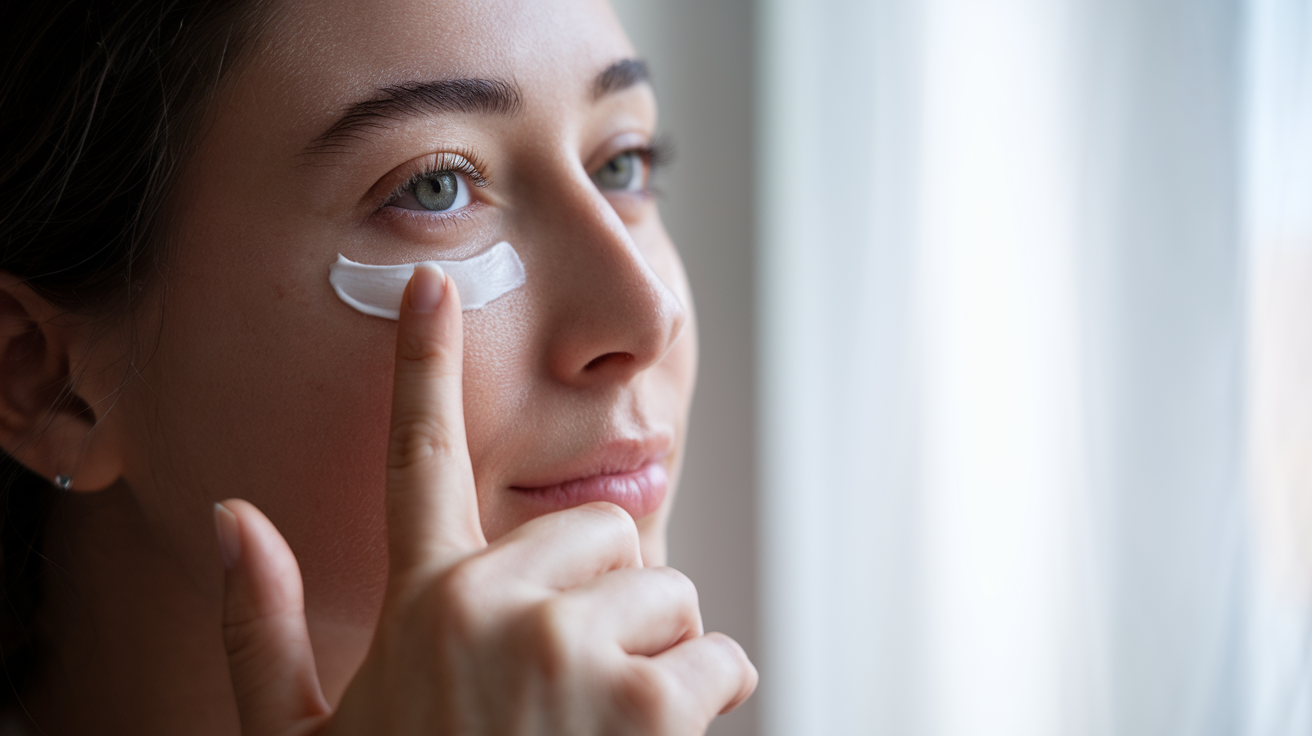
Eye creams are typically formulated with gentler ingredients and lower concentrations of active compounds. They're designed to hydrate without overwhelming that thin, sensitive skin.
Most eye creams skip stronger acids, high-percentage retinols, and fragrance. They focus instead on hydrating ingredients like hyaluronic acid, ceramides, and peptides that support the skin's moisture barrier without causing irritation.
Face moisturizers, on the other hand, are made for thicker, more resilient skin. They often contain higher concentrations of active ingredients designed to address concerns like texture, tone, and breakouts. These formulations can be too rich or too active for the delicate eye area.
Texture is another key difference. Eye creams tend to be lighter and absorb more quickly, while face moisturizers may be thicker and take longer to sink in. Using a heavy face cream around your eyes can lead to puffiness or milia, those tiny white bumps that form when the skin can't absorb excess product.
Tired of seeing under-eye lines before you see yourself?
If the tiny creases under your eyes make you look more tired than you feel, this guide shows the simple under-eye routine that helps soften the look of dry lines, crepey texture, and tired skin without guessing or wasting weeks on random products.
That said, some face moisturizers are gentle enough to use around the eyes. If your moisturizer is fragrance-free, doesn't contain strong actives, and has a lightweight texture, it might work perfectly well for both areas.
When You Actually Need a Dedicated Eye Cream
You'll likely benefit from a separate eye cream if you notice your under-eye area looking drier, more lined, or more tired than the rest of your face. This is especially true if you're over 30 or if you have specific under-eye concerns like dark circles or puffiness.
If your face moisturizer contains retinol, AHAs, BHAs, or vitamin C at higher concentrations, you should definitely use something gentler around your eyes. These ingredients can be too strong for that delicate skin and may cause irritation, redness, or sensitivity.
People with dry or mature skin often find that a dedicated eye cream provides the extra hydration and support their under-eye area needs. The affiliate one can help you identify which ingredients work best for your specific concerns.
You might also want an eye cream if you wear makeup regularly. A smooth, well-hydrated under-eye area helps concealer and foundation go on more evenly and prevents makeup from settling into fine lines throughout the day.
On the other hand, if your under-eye area looks and feels the same as the rest of your face, and your current moisturizer doesn't cause any irritation, you may not need a separate product. Skincare doesn't have to be complicated if what you're doing is already working.
How to Choose Between Eye Cream and Moisturizer for Your Skin Type
For dry skin, a dedicated eye cream with rich hydrating ingredients like squalane, shea butter, or ceramides can make a noticeable difference. Look for formulas that feel nourishing without being greasy.
Oily skin types should choose lightweight, gel-based eye creams or use their regular gel moisturizer if it's gentle enough. Avoid heavy creams that can cause milia or puffiness.
If you have sensitive skin, opt for fragrance-free eye creams with minimal ingredients. Avoid anything with essential oils, strong acids, or dyes. The affiliate one offers specific recommendations for sensitive under-eye care.
Combination skin can be tricky. You might need an eye cream even if your T-zone is oily, since the under-eye area often stays dry regardless of what's happening on your forehead or nose.
When testing whether your face moisturizer works for your eyes, apply a small amount to your under-eye area and wait 24 hours. If you notice stinging, redness, puffiness, or irritation, that's your sign to invest in a separate eye product.
Remember, the best product is the one you'll actually use consistently. Whether that's a dedicated eye cream or your trusted face moisturizer, consistency matters more than having a dozen different products.
Start by looking at your current routine and how your under-eye area responds. If you're seeing dryness, fine lines, or puffiness that your face moisturizer isn't addressing, it might be time to add an eye cream. If your skin looks smooth and feels comfortable, you're probably fine as is.
Your under-eye routine doesn't have to be complicated. It just has to work for your skin, your concerns, and your lifestyle.