Disclosure: This post contains affiliate links. We may earn a commission at no extra cost to you.
How Long Does Eye Cream Take to Work? Real Timeline and Results
Ever bought an eye cream, used it twice, and wondered why you still look exhausted in the mirror? You're not alone. Most of us expect instant results from our skincare, but the delicate skin around your eyes works on a different schedule. Understanding how long eye cream actually takes to work can help you stay consistent and know what changes to look for along the way.
The truth is, eye creams work at different speeds depending on the active ingredients, your skin type, and what you're trying to improve. Some benefits show up quickly, while others take weeks to become visible. Here's what you need to know about realistic timelines and how to tell if your eye cream is actually doing something.
Understanding Eye Cream Absorption and Active Ingredients
The skin under your eyes is thinner than anywhere else on your face. That means ingredients absorb faster, but it also means results depend heavily on what's inside the jar.
Hydrating ingredients like hyaluronic acid and glycerin work almost immediately. You might notice smoother-looking skin within minutes because these ingredients hold moisture on the surface and plump the skin temporarily. That's not permanent improvement yet, but it's a good sign your eye cream is absorbing properly.
Ingredients like caffeine can help reduce the appearance of puffiness within a few hours. Caffeine temporarily constricts blood vessels and helps move fluid, which is why many morning eye creams include it.
Then there are the deeper-working ingredients like retinol, peptides, and vitamin C. These take longer because they're actually working beneath the surface to support collagen production and improve skin texture over time. Retinol, for example, can take four to twelve weeks to show visible results. Peptides may start showing smoother-looking skin around the six-week mark.
If you're using an affiliate one to help guide your routine, make sure you're matching your expectations to the ingredients you're actually using.
Week-by-Week Timeline: What to Expect from Your Eye Cream
Here's a realistic breakdown of what might happen as you use your eye cream consistently.
Week 1: The first week is all about hydration. If your eye cream contains moisturizing ingredients, you should notice the skin under your eyes feels softer and looks less dry. Makeup may sit better. Fine lines caused by dehydration may look less visible right after application.
Weeks 2-3: By the second and third week, your skin is adjusting to the formula. If you're using active ingredients like retinol, you might experience some dryness or mild flaking as your skin begins to renew itself. This is normal. Keep going. During this phase, the under-eye area may start to look slightly smoother in texture.
Tired of seeing under-eye lines before you see yourself?
If the tiny creases under your eyes make you look more tired than you feel, this guide shows the simple under-eye routine that helps soften the look of dry lines, crepey texture, and tired skin without guessing or wasting weeks on random products.
Weeks 4-6: This is when real changes start to show. If your eye cream contains peptides or vitamin C, you may notice the skin looks brighter and less tired-looking. Fine lines caused by dryness should be noticeably softer. If you're using retinol, you might start to see improvement in texture and a slight reduction in the appearance of deeper lines.
Weeks 8-12: By the two to three month mark, you're seeing the full benefits of your eye cream. Retinol users often see the most dramatic improvement here, with smoother-looking skin and a visible reduction in the appearance of fine lines and crepey texture. Peptide formulas may show firmer-looking skin. Vitamin C may help brighten lingering dark circles.
Consistency is everything. Skipping nights or switching products every few weeks will delay results. Give your eye cream at least eight weeks before deciding whether it's working.
Signs Your Eye Cream Is Actually Working
Sometimes results are so gradual you don't notice them day-to-day. Here are the signs that your eye cream is doing its job.
Your under-eye area feels softer to the touch. This is usually the first sign. Even before you see visible changes, the texture improves.
Makeup applies more smoothly. If concealer used to settle into fine lines and now it sits better, that's progress. Hydration and improved texture make a big difference in how makeup wears.
Fine lines look less visible in natural light. Check your face in daylight, not just bathroom lighting. If those tiny lines look softer or less defined, your eye cream is working.
The skin under your eyes looks less crepey. Crepey texture is often a sign of dehydration and thinning skin. When an eye cream is working, that papery look starts to smooth out.
You look less tired even when you're exhausted. One of the best signs of a good eye cream is when people stop asking if you slept okay. Brighter, smoother-looking skin makes a huge difference in how awake you look.
Photos show a difference. Take a before photo when you start a new eye cream, then compare after eight weeks. Sometimes the changes are more obvious in pictures than in the mirror.
How to Maximize Eye Cream Results Faster
If you want to see results as quickly as possible, consistency and technique matter just as much as the product itself.
Apply your eye cream twice a day. Morning and night application keeps the skin hydrated and gives active ingredients more time to work. Don't skip the morning, even if your eye cream feels heavy under makeup. Just use a smaller amount.
Use the right amount. A pea-sized amount is enough for both eyes. Too much product can cause irritation or milia, especially if you're using a rich formula.
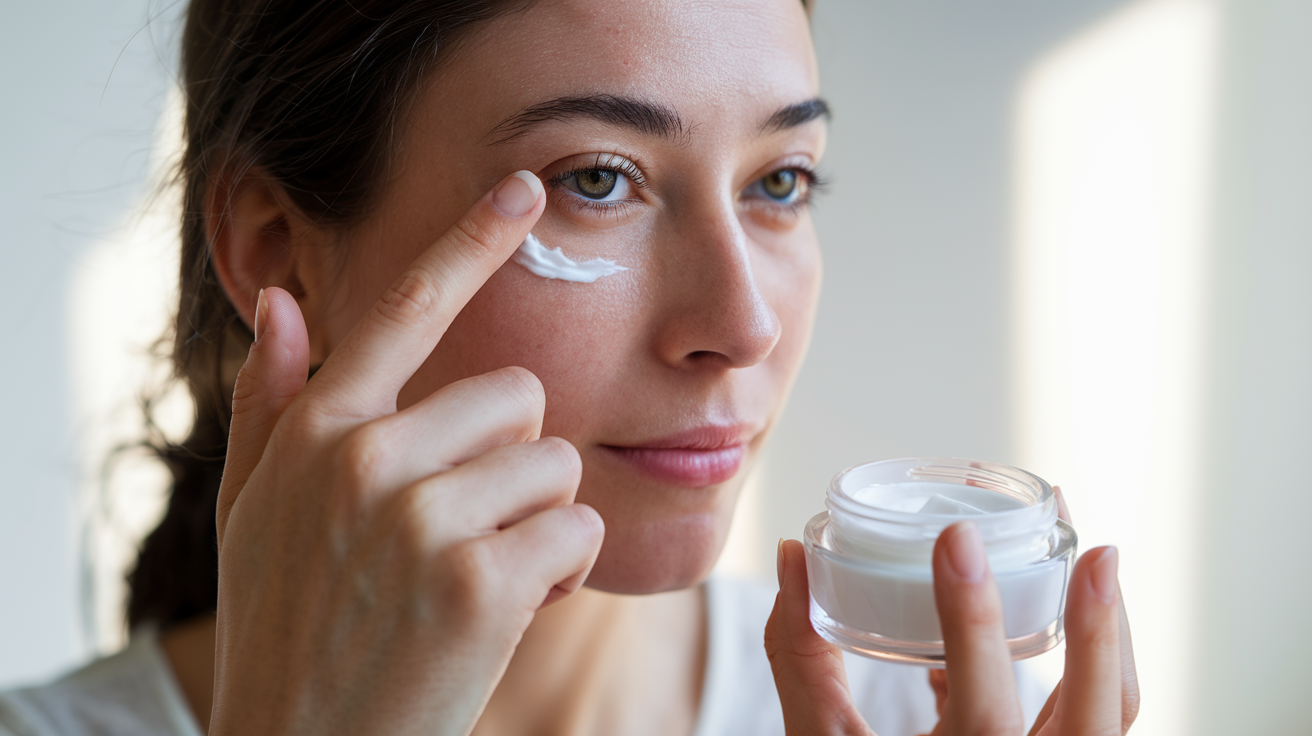
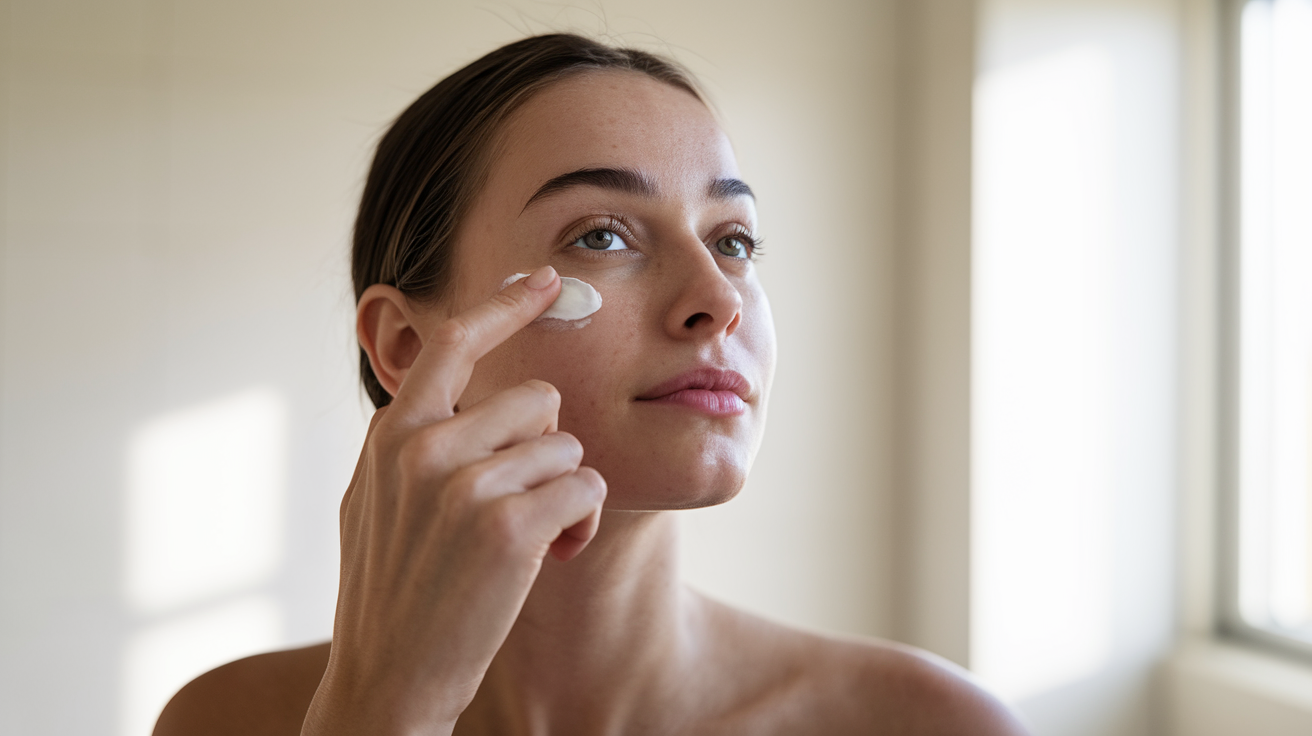
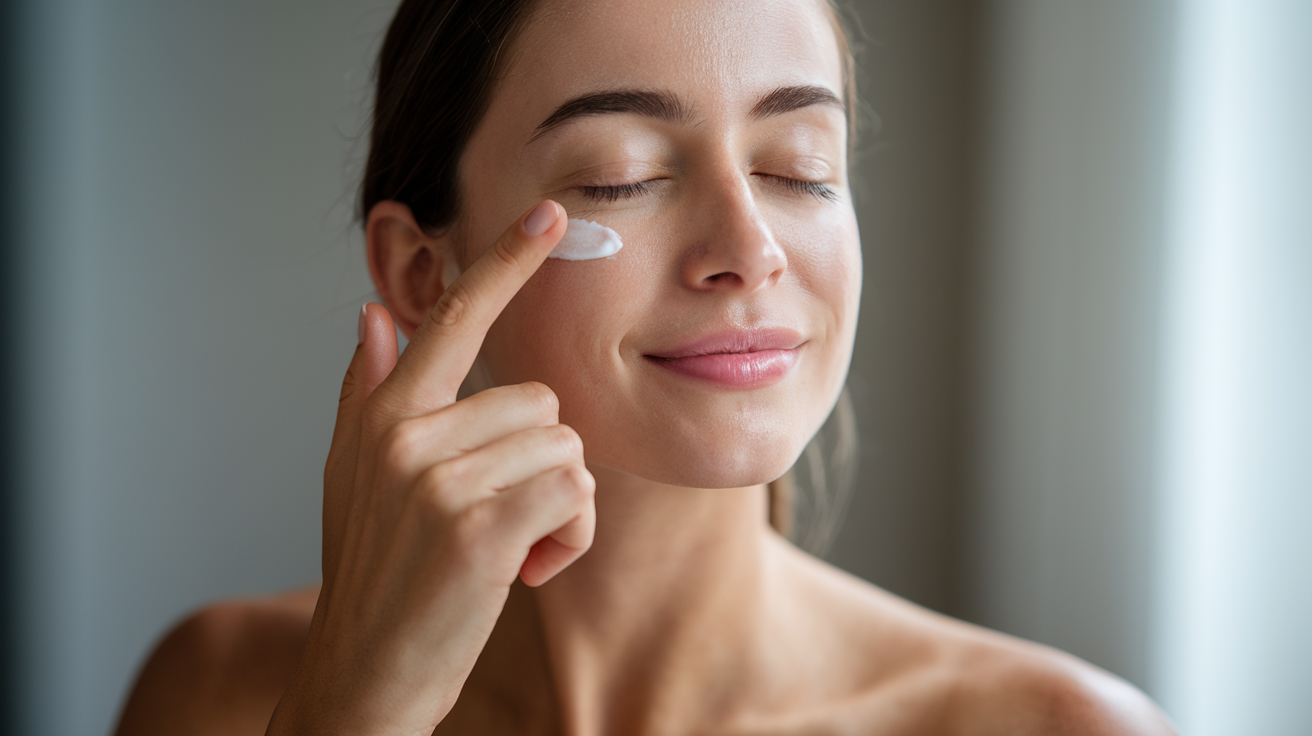
Pat, don't rub. The skin around your eyes is delicate. Use your ring finger to gently pat the product in, starting from the inner corner and moving outward. Rubbing or pulling can make fine lines worse over time.
Layer correctly. If you're using multiple products, apply eye cream after serums but before moisturizer. Let each layer absorb for a minute before adding the next.
Pair your eye cream with sunscreen. UV damage is one of the main causes of premature aging around the eyes. Sunscreen protects your skin while your eye cream works to improve it. Use a mineral sunscreen or one specifically designed for sensitive skin if regular formulas irritate your eyes.
Stay hydrated and get enough sleep. No eye cream can fix chronic dehydration or sleep deprivation. Drink water, aim for seven to eight hours of sleep, and keep your sodium intake reasonable to reduce puffiness.
Be patient with active ingredients. If you're using retinol or prescription-strength actives, start slowly. Use it every other night for the first two weeks, then build up to nightly use. This reduces irritation and helps your skin adjust.
For a structured approach to pairing the right products and techniques, an affiliate one can walk you through the exact steps that help support smoother-looking, less tired-looking eyes over time.
Eye creams work, but they work slowly. Hydration shows up fast. Real improvement in texture, fine lines, and skin firmness takes weeks. Stick with it, apply it correctly, and give your skin the time it needs to respond. The results are worth the wait.