Disclosure: This post contains affiliate links. We may earn a commission at no extra cost to you.
Can You Use Face Cream Under Your Eyes? Here's What Dermatologists Say
Published July 5, 2026
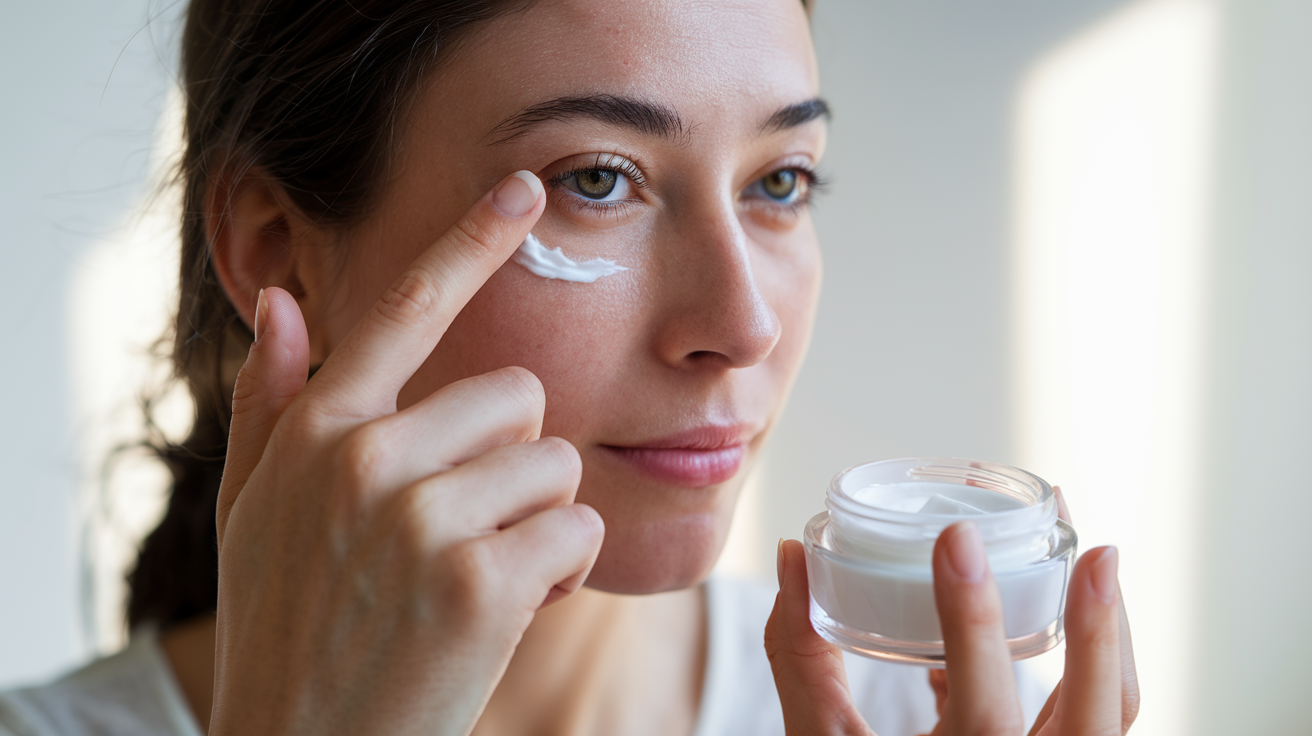
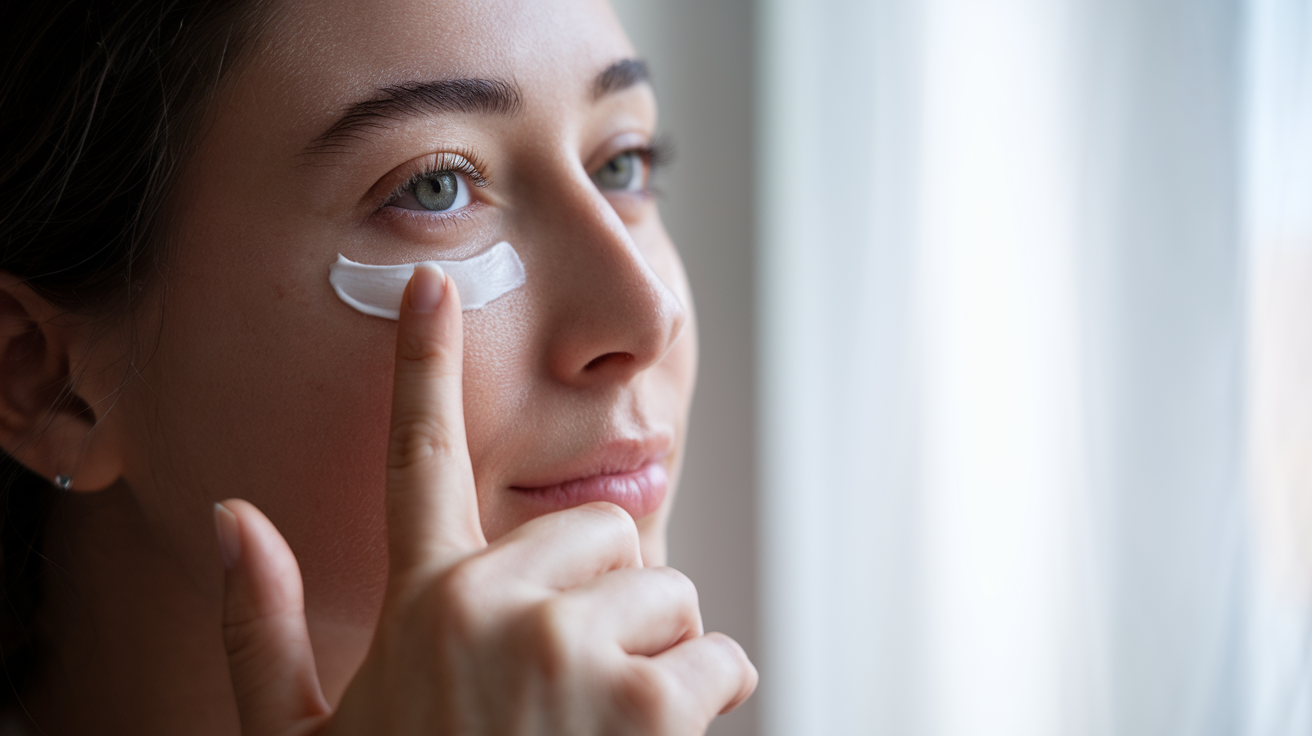
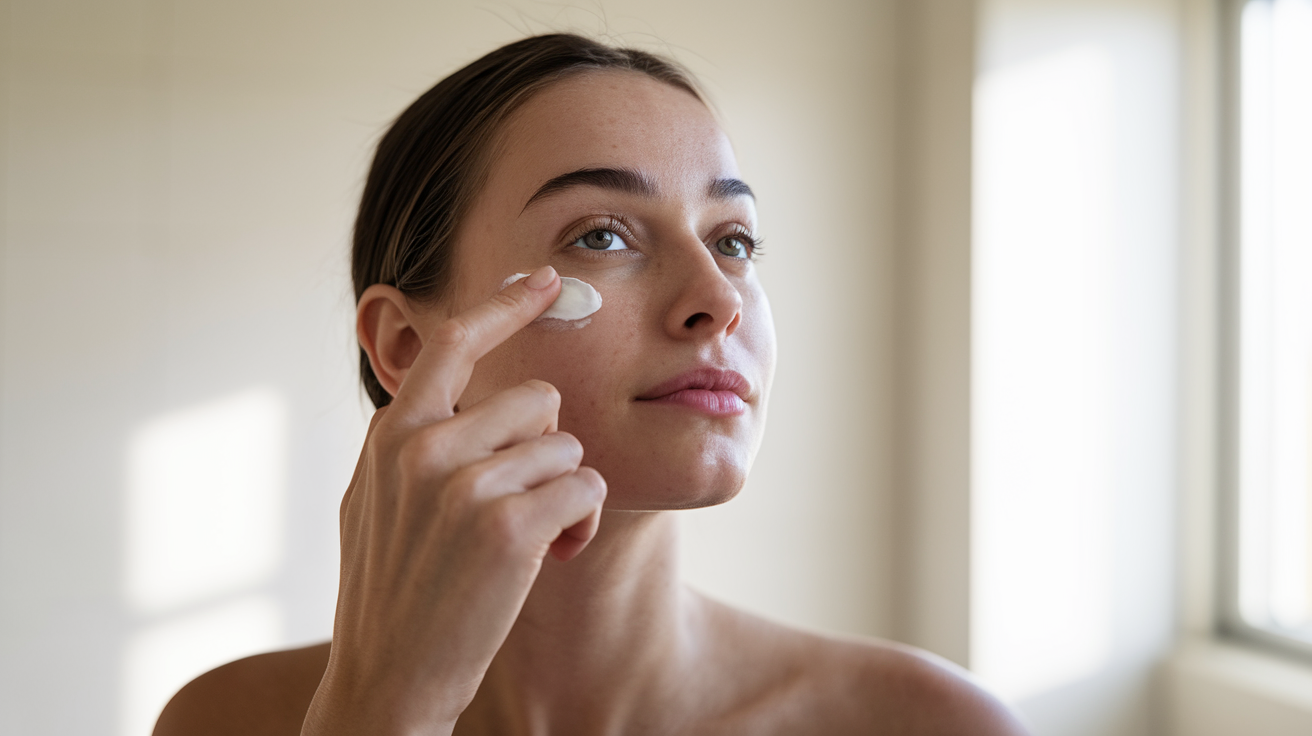
We've all been there. You're finishing up your nighttime routine, and you wonder whether you should grab a separate eye cream or just dab your face moisturizer under your eyes. It seems like it should work the same way, right? After all, the skin on your face and around your eyes is still just skin. But dermatologists say the answer isn't quite that simple. While you might get away with using face cream under your eyes sometimes, there are real reasons why the delicate eye area often needs a different approach. Let's compare what makes face cream and eye cream different, and when each one works best.
Why the Under Eye Area Needs Special Treatment
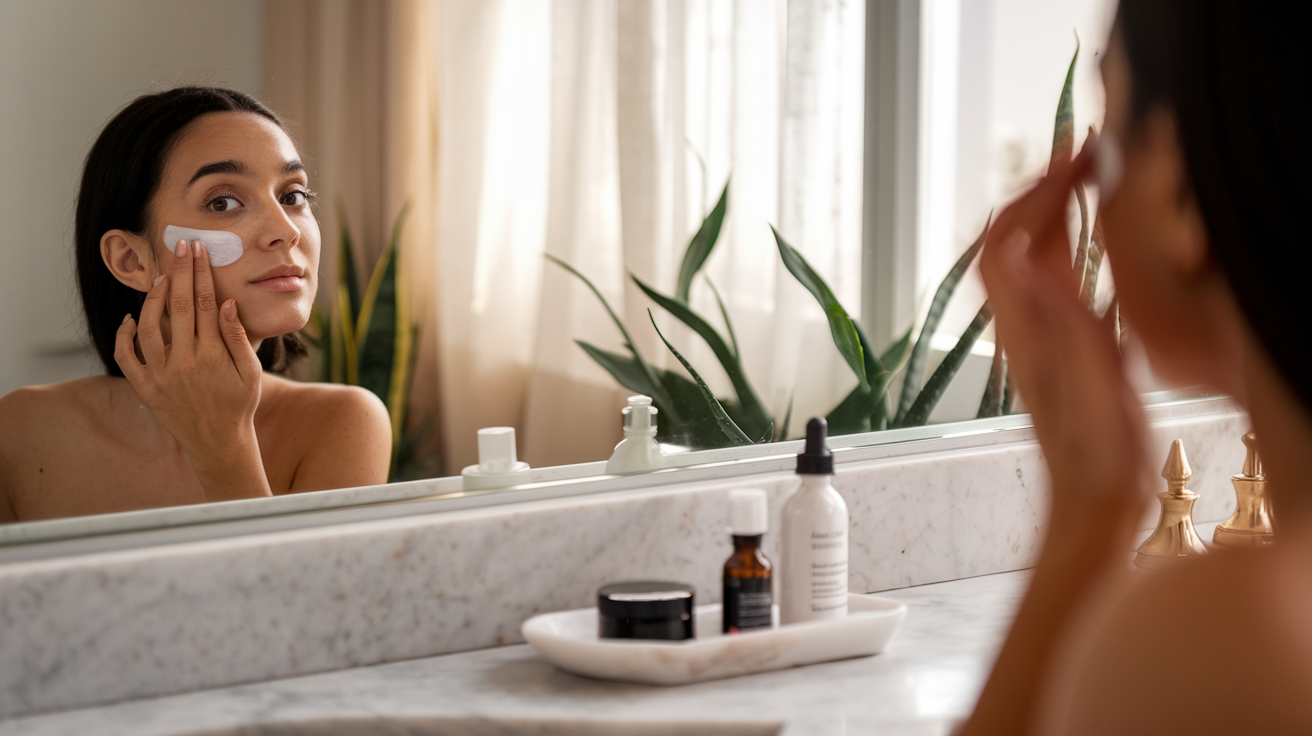
The skin under your eyes is thinner than almost anywhere else on your body. It's about ten times thinner than the skin on your cheeks, which means it shows signs of aging faster and reacts more quickly to ingredients that might be too strong.
This area also has fewer oil glands. That's why it tends to feel dry and look crepey even when the rest of your face feels fine. Without as much natural moisture, the under-eye skin is more prone to dehydration, which can make fine lines look more noticeable.
On top of that, the skin around your eyes moves constantly. Every time you blink, smile, or squint, you're creating tiny movements that add up over time. That repetitive motion combined with thin, delicate skin means this area benefits from formulas that support elasticity and hydration without irritation.
Because of these differences, many dermatologists recommend treating the eye area with gentler, more targeted products. That doesn't mean face cream is always off-limits, but it does mean you need to be more thoughtful about what you're applying.
Key Differences Between Face Cream and Eye Cream Formulations
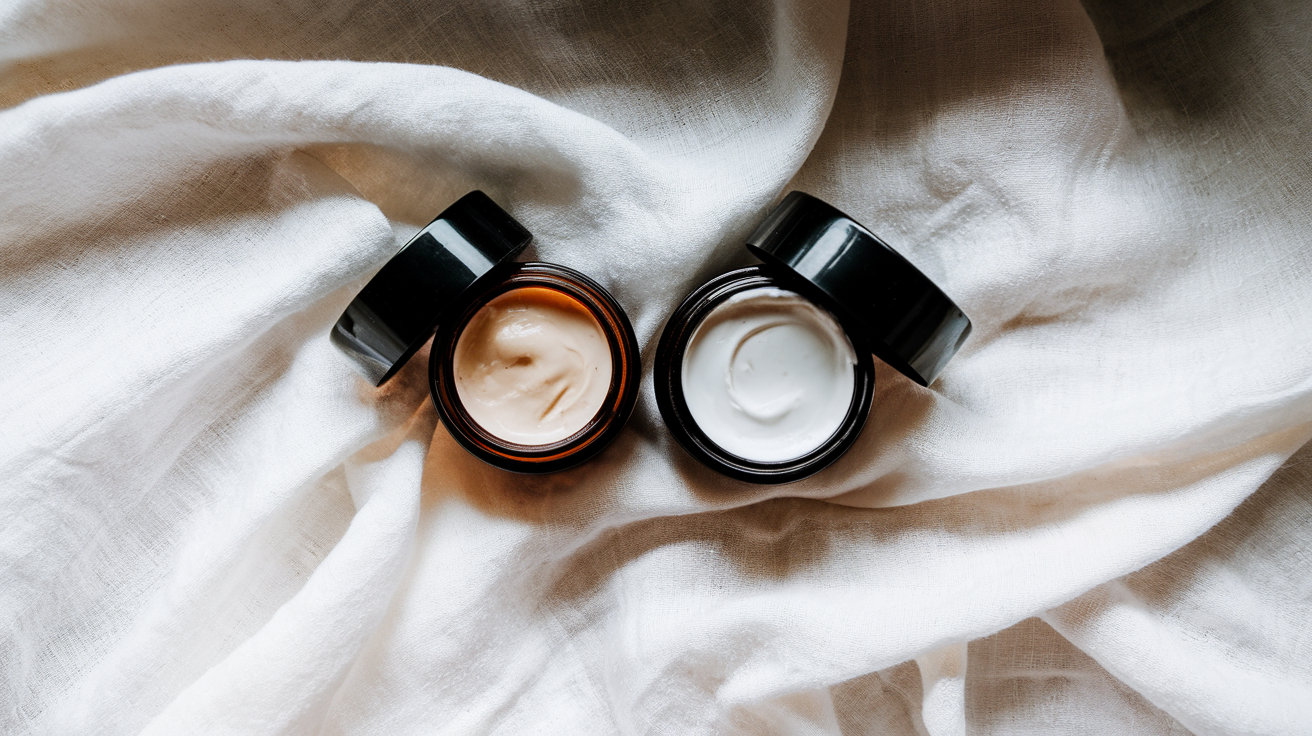
Face creams and eye creams might look similar in the jar, but their formulations are often designed for very different purposes.
Face creams typically contain stronger active ingredients like retinol, alpha hydroxy acids, or vitamin C at higher concentrations. These ingredients can help with texture, tone, and the appearance of fine lines on thicker facial skin. But when applied to the thinner, more sensitive under-eye area, they can sometimes cause redness, flaking, or irritation.
Eye creams, on the other hand, are usually formulated with gentler versions of these actives or lower percentages. They're also more likely to include calming ingredients like chamomile, peptides, or hyaluronic acid in forms that hydrate without feeling heavy.
Texture matters too. Face creams can be richer and heavier, which works well for areas like the cheeks and forehead. But under the eyes, heavy formulas can migrate into the eyes themselves, causing puffiness or watery eyes in the morning. Eye creams are often lighter and designed to absorb quickly without moving around.
Fragrance is another big difference. Many face moisturizers include fragrance or essential oils to make them smell nice. But fragrance is one of the most common irritants for sensitive skin, and the eye area is especially reactive. Most well-formulated eye creams skip the fragrance entirely.
Tired of seeing under-eye lines before you see yourself?
If the tiny creases under your eyes make you look more tired than you feel, this guide shows the simple under-eye routine that helps soften the look of dry lines, crepey texture, and tired skin without guessing or wasting weeks on random products.
If you're just starting to build a routine and want more detailed guidance on choosing products for your specific concerns, this affiliate one can help you understand which ingredients work best for different under-eye issues.
When Face Cream Under Eyes Could Cause Problems
Using face cream under your eyes isn't always a disaster, but there are some situations where it's more likely to cause issues.
If your face cream contains retinol or prescription retinoids, applying it directly under your eyes can lead to irritation, peeling, and increased sensitivity. Even if your face tolerates it well, the thinner eye area might not. Some dermatologists suggest keeping retinol products at least half an inch away from the lower lash line.
Face creams with acids like glycolic acid or salicylic acid can also be too harsh. These exfoliating ingredients are great for smoothing texture on the rest of your face, but they can sting or burn when they get too close to the eyes.
Heavy, occlusive moisturizers can cause another problem: milia. These are tiny white bumps that form when dead skin cells get trapped under the surface. The under-eye area is prone to milia because the skin is so thin and turns over more slowly. Rich face creams can clog the area and make this worse.
Even if your face cream doesn't contain strong actives, it might still cause puffiness if it's too emollient. Some ingredients sit on the surface and trap fluid, which can make your eyes look swollen in the morning.
That said, if your face cream is gentle, fragrance-free, and free of strong actives, you might be fine using it around your eyes. Just pay attention to how your skin reacts. If you notice stinging, redness, or increased dryness, it's time to switch to something formulated specifically for the eye area.
The Best Eye Cream Alternatives That Actually Work
If you're not ready to invest in a separate eye cream but want to avoid the pitfalls of using your regular face cream, there are some smart middle-ground options.
Look for a gentle, fragrance-free facial moisturizer that's free of retinol and acids. Creams designed for sensitive skin or barrier repair often work well around the eyes because they focus on hydration and calming ingredients without irritation.
Hyaluronic acid serums are another great choice. They're lightweight, deeply hydrating, and safe to use all over the face, including the under-eye area. Just make sure to apply them to damp skin and seal them in with a light moisturizer so they don't dry out.
Ceramide-based creams are also worth considering. Ceramides help support the skin's moisture barrier, which is especially helpful for the delicate eye area. These formulas tend to be gentle and nourishing without being too heavy.
If you want something targeted but don't want to spend a fortune, peptide-based eye creams are often a good value. Peptides can help support the appearance of firmness and smooth texture, and they're generally well-tolerated even by sensitive skin.
And if you're dealing with specific concerns like dryness, crepey texture, or the appearance of fine lines, you might find it helpful to follow a more structured routine. This affiliate one walks through the steps that can help support smoother-looking, more hydrated under-eye skin over time.
At the end of the day, whether you use face cream or eye cream under your eyes depends on your skin, your budget, and your specific concerns. The most important thing is to pay attention to how your skin responds and adjust accordingly. If your current routine is working and your under-eye area feels comfortable and looks healthy, there's no need to change it. But if you're noticing irritation, dryness, or signs of sensitivity, switching to a gentler, more targeted product can make a real difference in how your skin looks and feels.