Disclosure: This post contains affiliate links. We may earn a commission at no extra cost to you.
What Age Should You Start Using Eye Cream? The Complete Timeline Guide
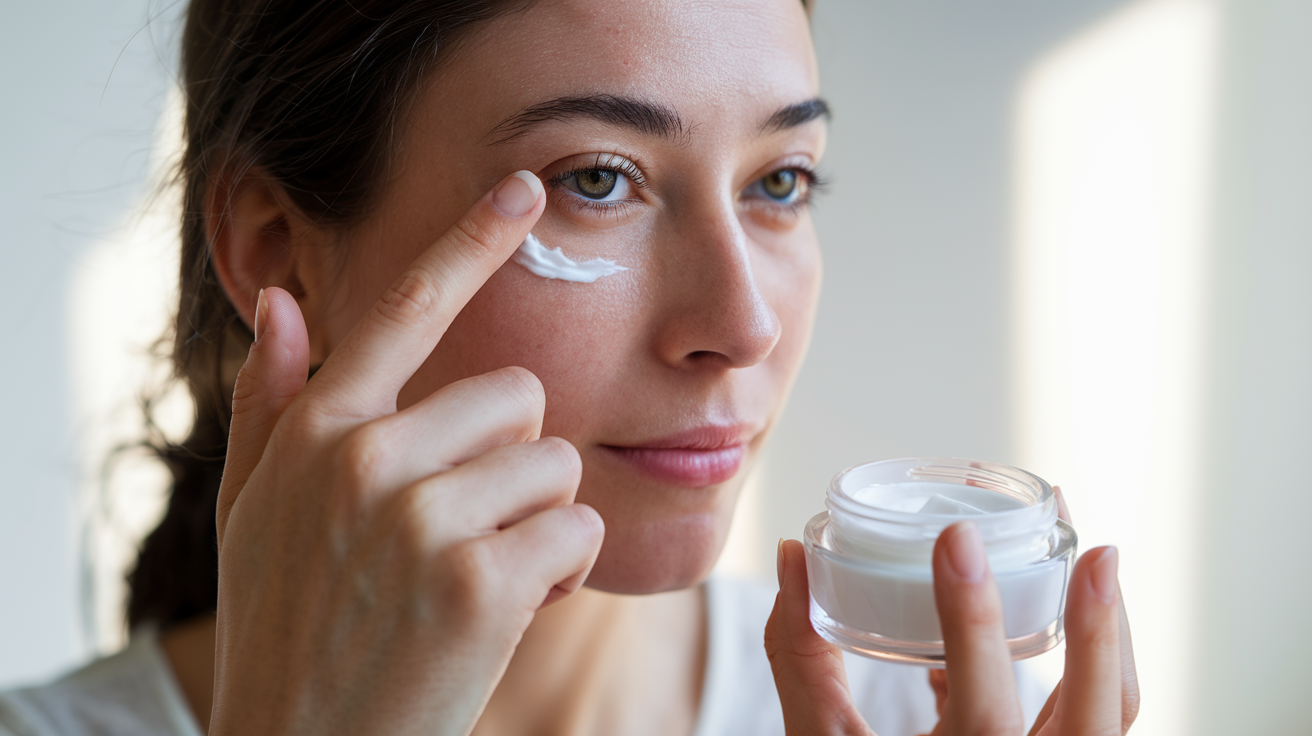
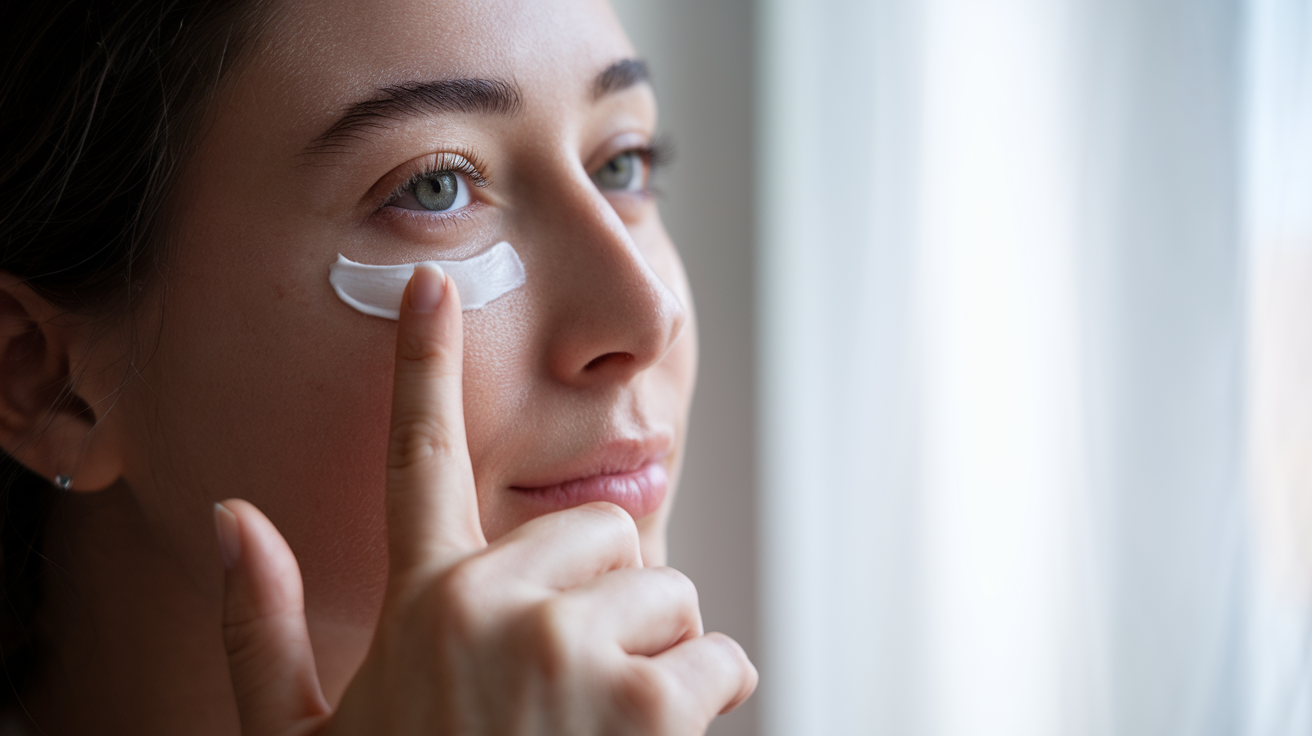
Should you start using eye cream in your twenties, or is it too early? And if you're already in your forties, did you miss the window?
The truth is, there's no magic age to start using eye cream. But there are specific decades when certain ingredients make more sense than others, and signs that tell you it's time to switch up what you're using.
This guide walks you through the eye cream timeline from your twenties through your sixties and beyond, what ingredients work best at each stage, and how to tell when your current routine isn't enough anymore.
Why Age Matters When Choosing Eye Cream
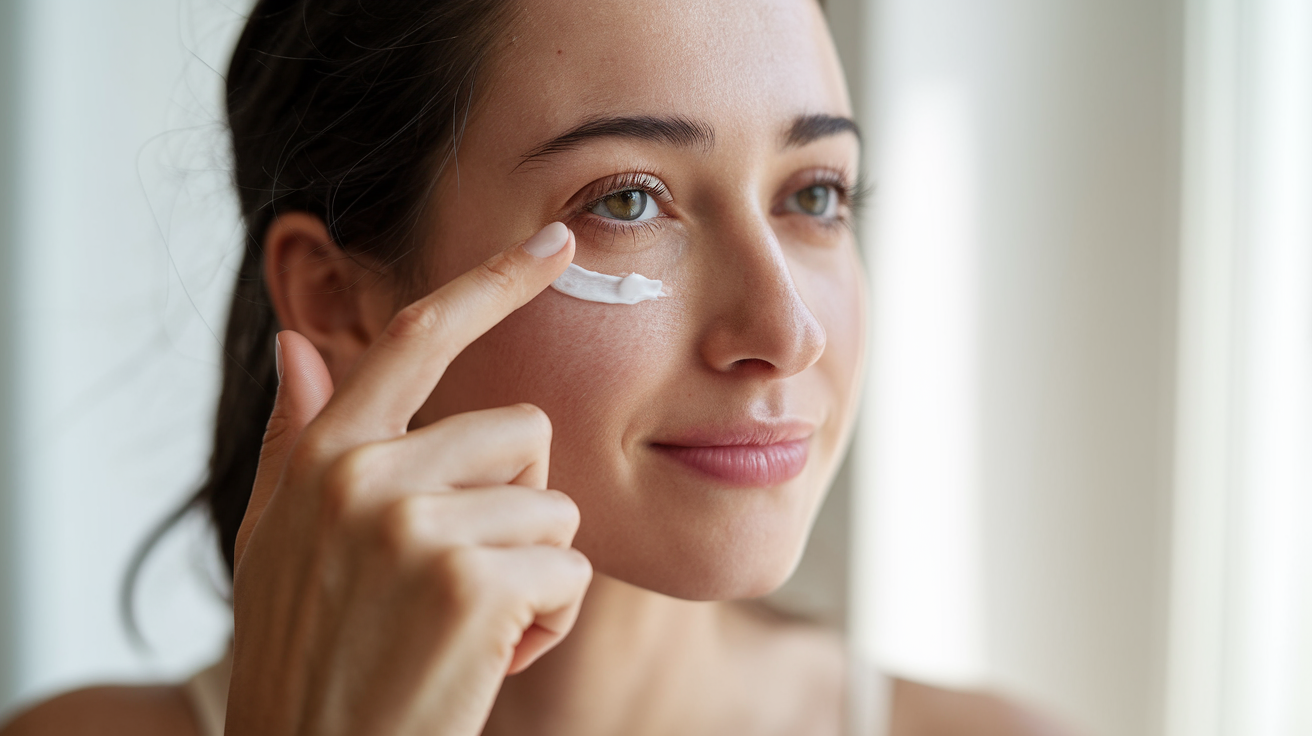
Your under-eye skin changes over time. In your twenties, it's usually thinner and more prone to dryness. By your thirties, you might notice the first fine lines. In your forties and fifties, those lines deepen, and you may see more crepey texture or loss of firmness.
Age doesn't just determine when you start using eye cream. It helps you choose the right formula and ingredients for what your skin actually needs right now.
Starting early with a lightweight hydrating formula can help keep the under-eye area moisturized and smoother-looking. Waiting until lines are already visible doesn't mean you've missed out, but it does mean you'll want a formula with more targeted ingredients.
The goal isn't to reverse time. It's to support your skin at every stage so it looks and feels its best.
Eye Cream Timeline: Your 20s to 60s+
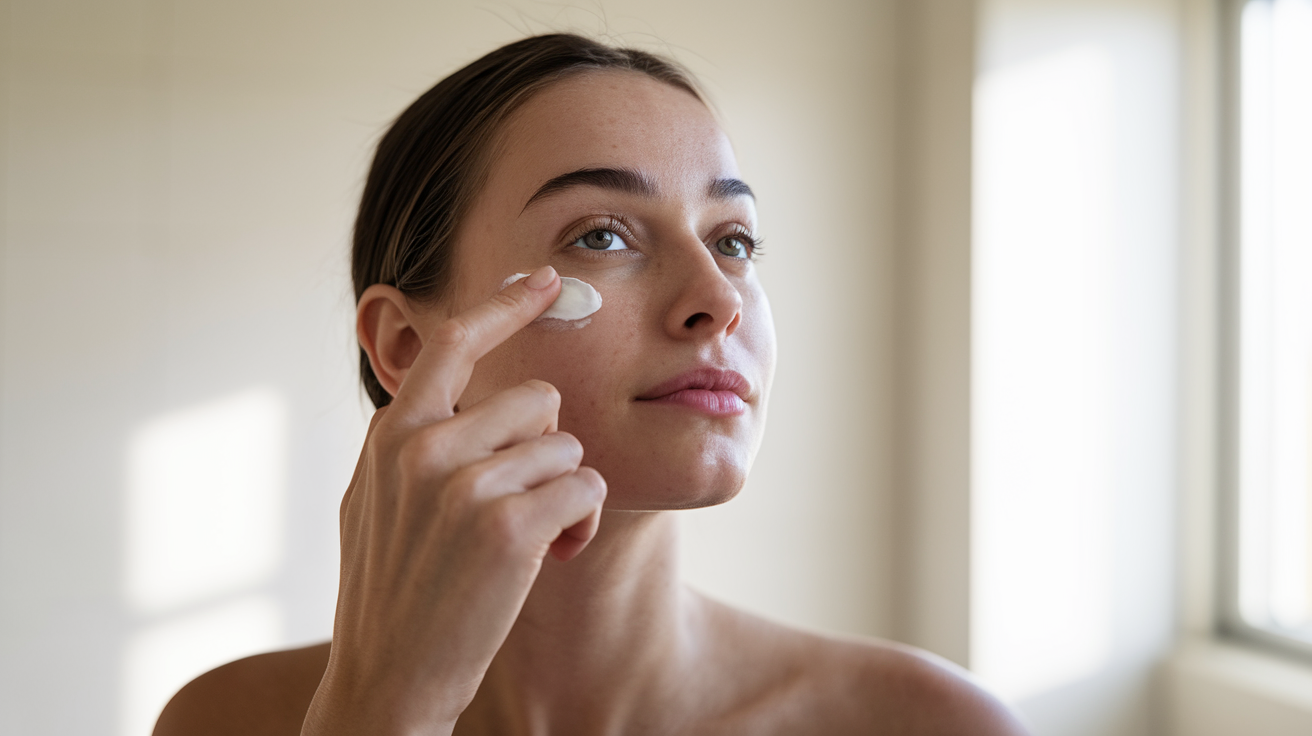
Your 20s: This is the decade to focus on hydration and protection. Your under-eye skin is thin and can easily look tired or dehydrated, especially if you're not sleeping enough or spending time in front of screens.
A lightweight eye cream with hyaluronic acid or glycerin works well here. You don't need heavy formulas yet. The goal is to keep the area moisturized and create a good habit early.
If you wear makeup, a hydrating eye cream also helps concealer sit better and prevents it from settling into dry patches.
Your 30s: This is when most people start noticing the first fine lines, especially around the outer corners. You might also see a bit of puffiness in the morning or slight dark circles that weren't there before.
You'll want to keep hydration as a priority, but now you can add ingredients like peptides or niacinamide. These help support the skin's natural texture and can reduce the appearance of early lines.
This is also a good time to start using an affiliate one resource that breaks down which ingredients work best for your specific concerns.
Tired of seeing under-eye lines before you see yourself?
If the tiny creases under your eyes make you look more tired than you feel, this guide shows the simple under-eye routine that helps soften the look of dry lines, crepey texture, and tired skin without guessing or wasting weeks on random products.
Your 40s: Fine lines become more visible, and you might notice that your under-eye area looks more crepey or less firm. Dark circles may also appear darker due to thinning skin.
This is the time to upgrade to a richer formula with retinol, bakuchiol, or ceramides. These ingredients help support skin texture and can make the area look smoother and less tired over time.
You may also want to use one eye cream in the morning (something lightweight with caffeine or vitamin C) and a different one at night (something richer with retinol or peptides).
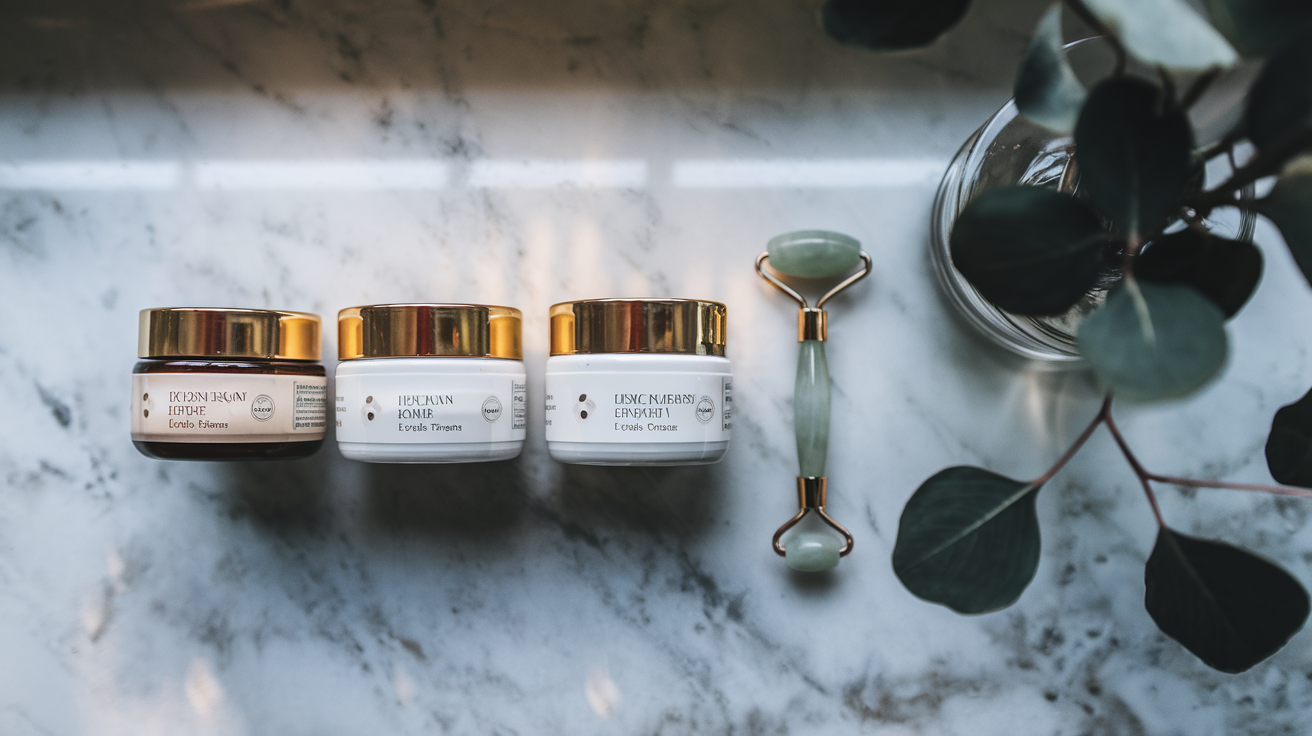
Your 50s and 60s+: At this stage, the under-eye area may look more hollowed, and the skin texture can feel thinner and drier. You might also notice more pronounced dark circles or a loss of volume.
Look for deeply nourishing formulas with ingredients like squalane, shea butter, ceramides, and peptides. Retinol can still be helpful, but make sure it's in a hydrating base to avoid irritation.
Consistency matters more than ever. Your skin needs regular moisture and support to look its best.
Key Ingredients for Each Decade
Choosing the right ingredients makes a bigger difference than the price tag on the jar.
In your 20s: Hyaluronic acid, glycerin, and squalane are your best friends. They help lock in moisture and keep the under-eye area plump and smooth-looking.
In your 30s: Add peptides and niacinamide. Peptides help support the skin's natural structure, while niacinamide can brighten and even out tone. You can also start using a gentle vitamin C formula in the morning.
In your 40s: Retinol or bakuchiol become more important. These ingredients help improve skin texture and reduce the appearance of fine lines. Ceramides are also key for keeping the skin barrier strong and preventing moisture loss.
In your 50s and beyond: Focus on rich, nourishing ingredients like squalane, shea butter, and peptides. You want formulas that deeply hydrate and support the skin without feeling heavy or greasy.
If you're not sure where to start, an affiliate one breakdown can help you match ingredients to your specific skin type and decade.
Signs You Need to Upgrade Your Eye Cream
Even if you've been using the same eye cream for years, your skin's needs change. Here are the signs it's time to switch things up.
Your under-eye area feels dry or tight. If your eye cream isn't keeping the area moisturized, it's not doing its job. You may need a richer formula or one with more hydrating ingredients.
Fine lines are becoming more visible. If you're starting to see more lines than you did a year ago, it's time to add targeted ingredients like peptides or retinol.
Your concealer looks cakey or settles into creases. This usually means your skin is dehydrated or your eye cream isn't providing enough slip for makeup to glide on smoothly.
You're seeing more puffiness or dark circles. Ingredients like caffeine, vitamin K, or niacinamide can help reduce the appearance of these concerns.
Your current formula feels too heavy or too light. If your eye cream feels greasy or pills under makeup, go lighter. If it absorbs instantly and leaves you feeling tight, go richer.
Your under-eye skin will tell you what it needs. The key is paying attention and adjusting your routine as you go.
There's no one-size-fits-all answer to when you should start using eye cream. But if you're in your twenties, starting with a lightweight hydrating formula is a smart move. If you're in your thirties or beyond, choosing ingredients that match your skin's current needs will help you see smoother, less tired-looking eyes over time.
The best time to start is now, no matter what decade you're in.