Disclosure: This post contains affiliate links. We may earn a commission at no extra cost to you.
Published: July 14, 2026
5 Signs Your Eye Cream Is Irritating Your Delicate Under Eye Skin
Have you ever wondered why your eye cream makes your under-eye area look worse instead of better? You're not alone. Many people invest in expensive eye creams hoping to support smoother-looking skin, only to notice their delicate eye area becomes red, puffy, or even more lined after application.
The truth is, not every eye cream works for every person. Your skin might be reacting badly to certain ingredients, textures, or even the way you're applying the product. And because the skin around your eyes is thinner and more sensitive than anywhere else on your face, it shows signs of irritation faster.
Here are five clear signs that your eye cream might be doing more harm than good.
1. Persistent Redness and Inflammation Around the Eye Area
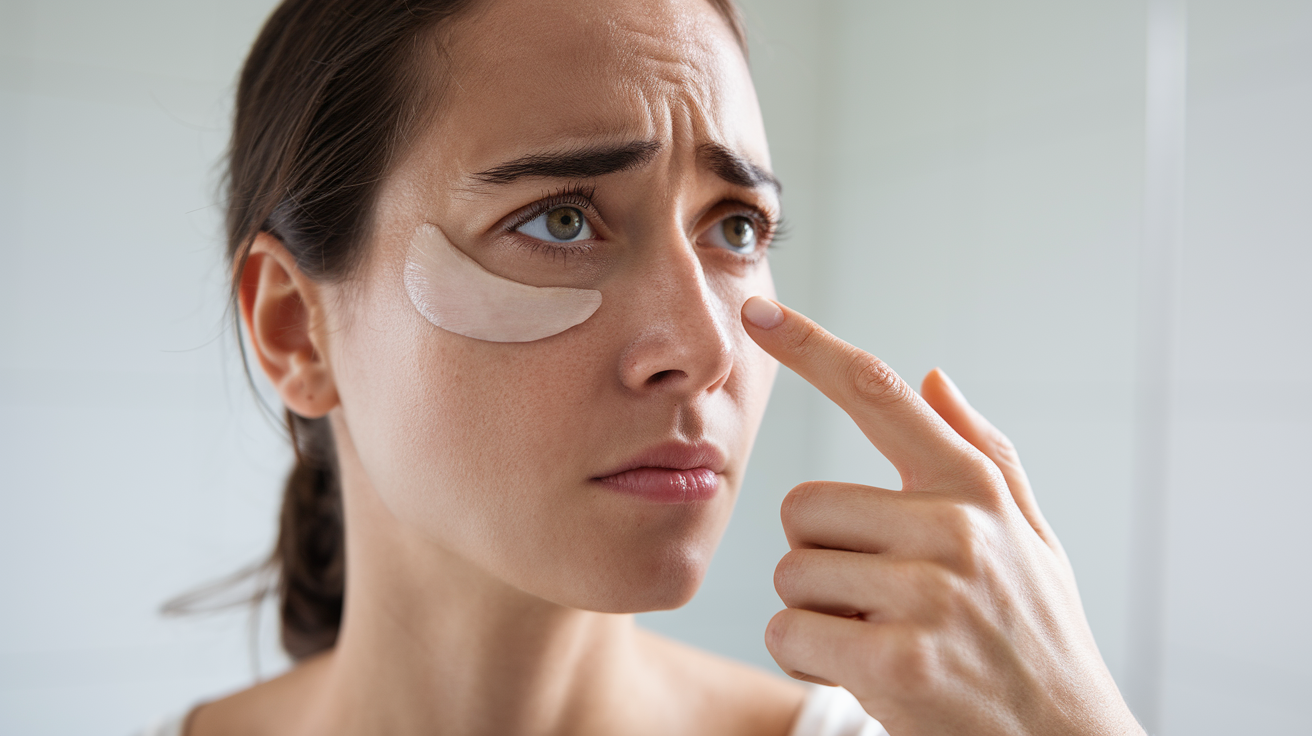
If you notice consistent redness around your eyes after applying your eye cream, that's your skin waving a red flag. This isn't the kind of temporary flush that fades in a few minutes. We're talking about redness that lingers for hours or returns every time you use the product.
This type of inflammation often means your skin is reacting to an ingredient it doesn't tolerate well. Common culprits include retinol, vitamin C at high concentrations, essential oils, or synthetic fragrances. Even some peptides can cause sensitivity in certain people.
Pay attention to when the redness appears. If it shows up within minutes of application, the reaction is likely immediate contact irritation. If it develops slowly over days or weeks, you might be experiencing cumulative sensitivity.
If you're struggling to figure out which ingredient is causing the issue, this affiliate one can help you understand what to look for in a gentler eye cream formula.
2. Increased Fine Lines or Crepey Texture After Application
This one surprises people the most. You apply eye cream to help soften the appearance of fine lines, but instead, your under-eye area looks more wrinkled and crepey than before.
What's happening? Your eye cream might be too heavy, too drying, or formulated with ingredients that don't play well with your skin type. Heavy creams can sit on top of thin under-eye skin and accentuate texture. On the flip side, creams with high amounts of alcohol or astringent botanicals can dehydrate the area, making lines more visible.
Another common issue is using a cream that doesn't absorb properly. When product pills up or creates a film, makeup applied on top will settle into every crease, making fine lines look deeper throughout the day.
If your eye cream makes your skin look drier or more textured within an hour of application, it's not the right match for your skin.
Tired of seeing under-eye lines before you see yourself?
If the tiny creases under your eyes make you look more tired than you feel, this guide shows the simple under-eye routine that helps soften the look of dry lines, crepey texture, and tired skin without guessing or wasting weeks on random products.
3. Stinging, Burning, or Itching Sensations
Let's be clear: your eye cream should never sting, burn, or make you want to scratch your face. If it does, stop using it immediately.
Some people mistakenly think a tingling sensation means the product is working. That's not true for the eye area. Unlike certain active ingredients that might cause mild tingling on thicker facial skin, the delicate skin around your eyes should feel comfortable after application.
Stinging and burning usually indicate that the product contains irritants your skin can't handle. This could be fragrance, preservatives like parabens or phenoxyethanol, or active ingredients at concentrations too strong for the eye area.
Itching is often a sign of an allergic reaction. If your eyes water, your eyelids feel itchy, or you notice yourself rubbing the area frequently, you may be experiencing contact dermatitis.
Don't push through discomfort hoping your skin will adjust. Continued use of an irritating product can compromise your skin barrier and lead to longer-term sensitivity.
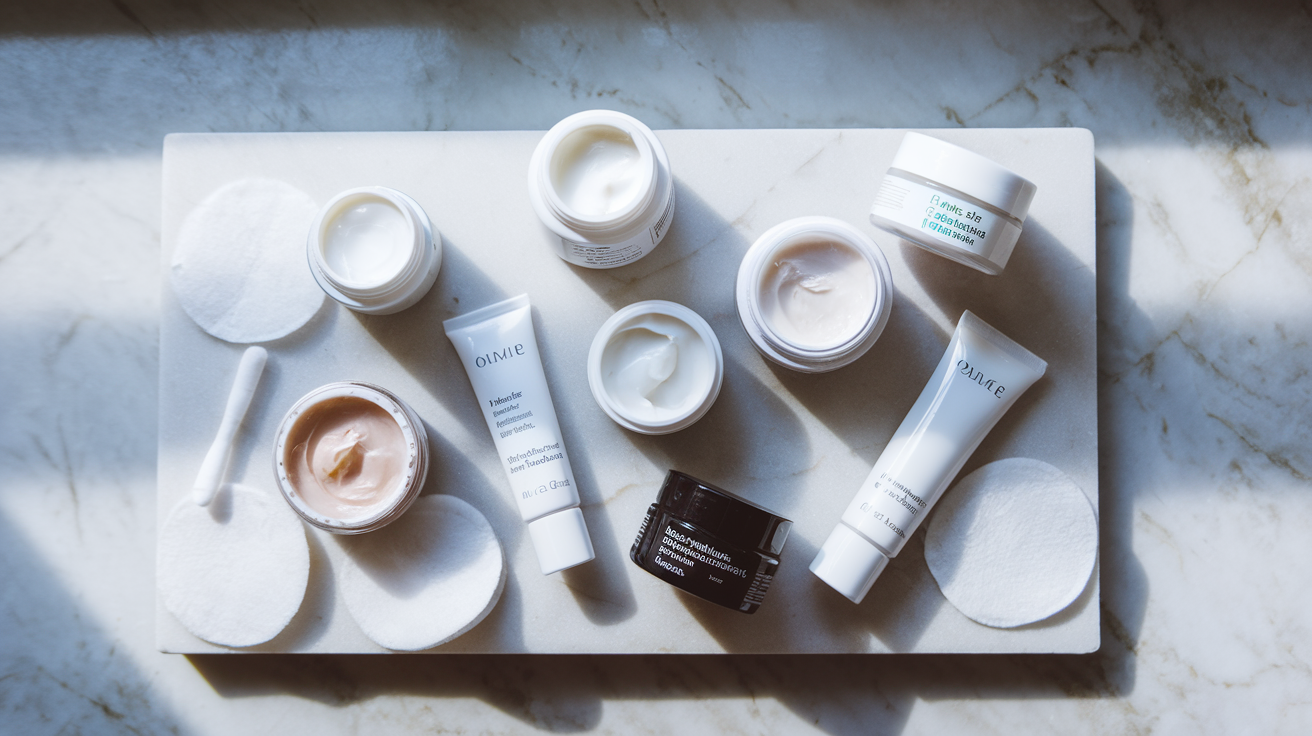
4. Unexpected Puffiness or Swelling Under Eyes
Waking up with puffy eyes occasionally is normal, especially after a salty meal or a late night. But if you notice new or worsening puffiness that coincides with starting a new eye cream, your product might be to blame.
Some eye creams are too rich or occlusive for certain skin types. When heavy creams trap fluid under the thin skin around your eyes, they can cause swelling. This is especially common if you apply eye cream right before bed and sleep on your side or stomach.
Ingredients like sodium hyaluronate or glycerin are humectants that attract water. In the right formulation, they help plump skin. But if the concentration is too high or the formula doesn't balance hydration properly, they can cause temporary puffiness.
Another possibility is that your skin is having a mild inflammatory response to an ingredient. This low-grade reaction can cause fluid retention and make your under-eye area look swollen and tired.
If the puffiness goes away a few hours after washing your face but returns after reapplying the cream, that's a strong sign the product isn't right for you.
5. Tiny Bumps or Milia Formation on Eyelids
Have you noticed small, white, hard bumps appearing on your eyelids or just under your eyes? These are likely milia, tiny cysts that form when dead skin cells get trapped beneath the surface.
Milia around the eyes are often caused by using products that are too heavy or comedogenic for the delicate skin in that area. Rich eye creams with thick oils, butters, or silicones can prevent natural exfoliation and trap keratin under the skin.
If you're seeing an increase in these bumps after starting a new eye cream, the formula is probably too occlusive. This is especially common with anti-aging creams that contain heavy emollients meant to create a barrier on the skin.
Milia don't resolve quickly on their own, and the eye area is tricky to exfoliate safely. Switching to a lighter, non-comedogenic eye cream can help prevent new ones from forming.
You can learn more about choosing the right texture and formula for your skin type with this helpful affiliate one that breaks down eye cream ingredients and textures.
Final Thoughts
Your eye cream should make your under-eye area look and feel better, not worse. If you're experiencing any of these five signs, it's time to reevaluate your product.
Remember, the most expensive eye cream isn't always the best one for your skin. What matters is finding a formula that works with your skin type, doesn't cause irritation, and supports the smoother-looking, less tired-looking under-eye area you're hoping to see.
Listen to your skin. If something doesn't feel right, trust that instinct and make a change.