Disclosure: This post contains affiliate links. We may earn a commission at no extra cost to you.
Eye Cream Gel vs Cream vs Serum: Which Texture Works Best for Your Under Eye Wrinkles
Have you ever stood in the skincare aisle staring at three different eye products wondering which texture is actually right for your under-eye wrinkles? You're not alone. The difference between gel, cream, and serum formulas goes way beyond how they feel on your skin, and choosing the wrong texture can mean wasted money and zero visible improvement in those fine lines that bother you most.
Let's break down exactly what each texture does, who it works best for, and how to match the right formula to your specific skin concerns.
Understanding Eye Cream Texture Categories and What They Mean
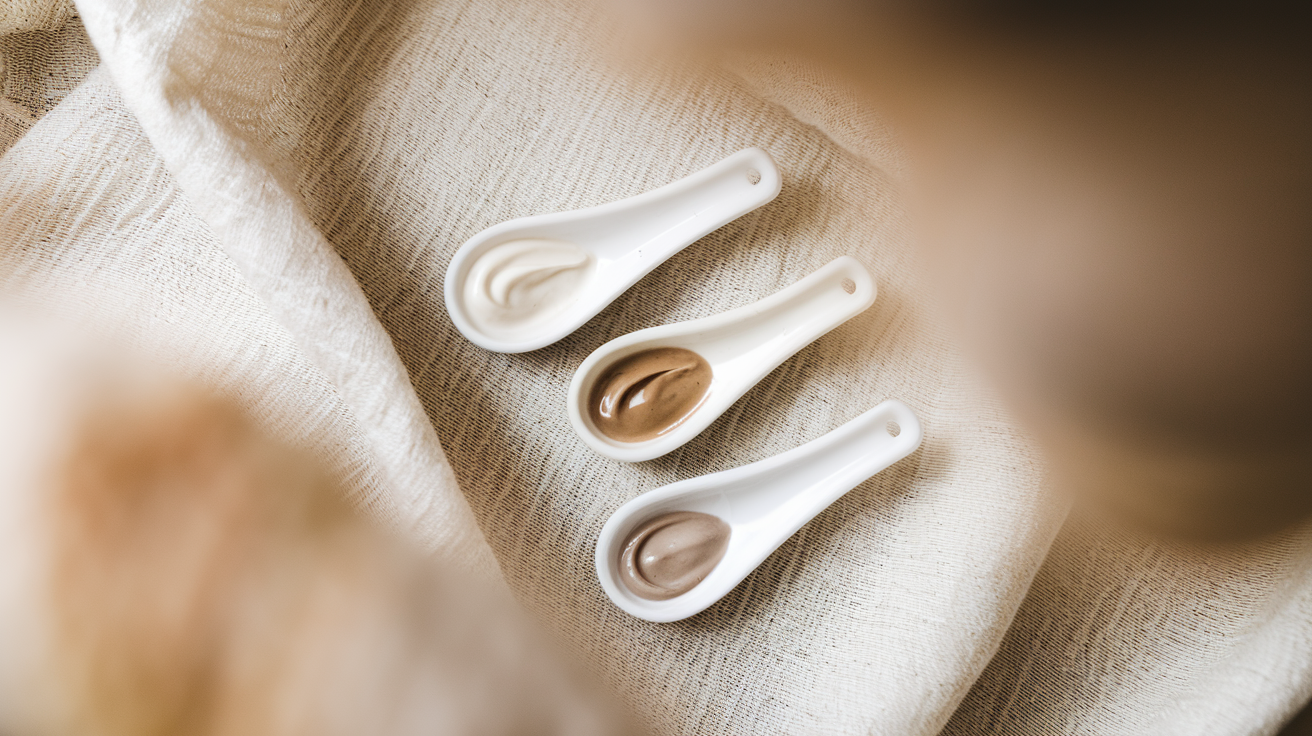
Eye product textures aren't just about personal preference. They're designed to deliver ingredients in different ways based on skin type, concern, and how your under-eye area behaves throughout the day.
Gels are water-based and absorb quickly without leaving residue. They typically contain humectants like hyaluronic acid and glycerin that pull moisture into the skin. The lightweight feel makes them ideal for layering under makeup.
Creams are emulsion-based, meaning they blend water and oil. They create a protective barrier on skin while delivering both hydration and nourishment. The thicker consistency means they sit on skin longer, which can be exactly what dry under-eyes need or too heavy for oilier skin types.
Serums are concentrated liquid formulas packed with active ingredients. They're designed to penetrate quickly and deliver higher concentrations of ingredients like peptides, vitamin C, or retinol alternatives. Think of them as treatment-focused rather than moisture-focused.
Your skin type, climate, and specific concerns should guide which texture you reach for, not just what feels luxurious in the jar.
Gel-Based Eye Treatments: Best for Puffiness and Oily Skin
If you wake up with puffy under-eyes or your skin tends toward oily, gel formulas are likely your best match. The cooling, lightweight texture helps reduce the appearance of morning puffiness without adding extra oil to already congested skin.
Gels work well when your main concern is fluid retention rather than deep wrinkles. The water-based formula won't clog pores or create milia, those tiny white bumps that sometimes appear around the eyes when products are too rich.
Look for gels with caffeine, which can temporarily tighten the look of puffy skin, or cucumber extract for its soothing properties. Many gel formulas also include light-reflecting particles that brighten the under-eye area optically.
The downside? Gels don't provide much in the way of lasting moisture. If your fine lines look worse as the day goes on, a gel alone probably won't give you the hydration your skin needs. You might find the affiliate one helpful for pairing textures strategically.
Tired of seeing under-eye lines before you see yourself?
If the tiny creases under your eyes make you look more tired than you feel, this guide shows the simple under-eye routine that helps soften the look of dry lines, crepey texture, and tired skin without guessing or wasting weeks on random products.
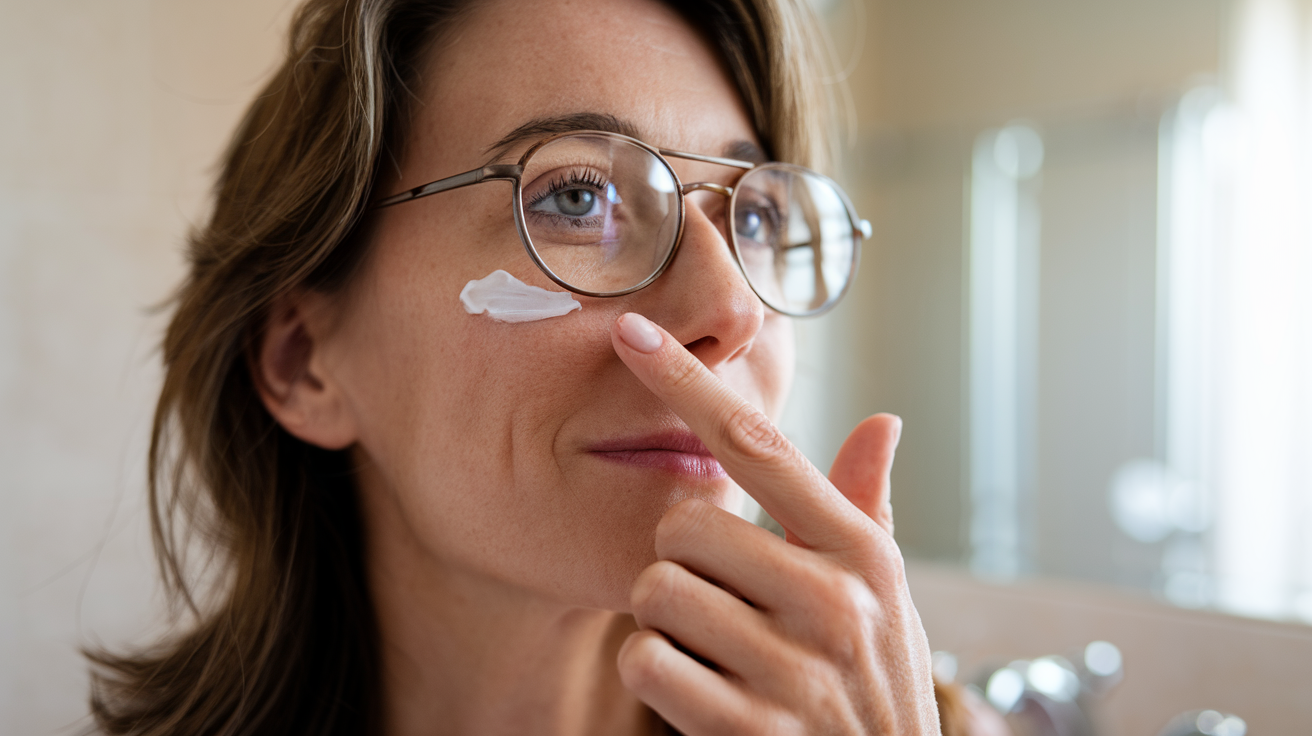
Cream-Based Eye Products: Rich Moisture for Dry and Mature Skin
Creams are the traditional eye product texture for a reason. They deliver both immediate comfort and longer-lasting hydration, which matters when your under-eye skin feels tight or shows visible crepey texture.
If you're over 40 or live in a dry climate, cream formulas usually perform better than gels. The occlusive ingredients like shea butter, squalane, or ceramides create a protective layer that keeps moisture from evaporating throughout the day.
Mature skin produces less natural oil, which means the under-eye area can start to look papery or thin. A good cream helps plump the appearance of fine lines by keeping skin properly moisturized. This doesn't erase wrinkles, but it can make them look softer and less noticeable.
The texture also matters for makeup application. A rich cream needs time to absorb before concealer goes on, or you'll end up with pilling and uneven coverage. Apply cream at least 10 minutes before makeup, and use only a rice-grain amount per eye.
Watch out for creams that are too heavy. If you wake up with more puffiness than you went to bed with, your cream might be too occlusive and trapping fluid overnight.
Serum Formulas: Lightweight Power for Maximum Ingredient Absorption
Eye serums are where you'll find the highest concentrations of active ingredients. If your goal is targeting visible signs of aging rather than just adding moisture, serums deserve a closer look.
The thin, fast-absorbing texture allows ingredients like peptides, niacinamide, and bakuchiol to penetrate quickly. Many people use an eye serum first, then layer a cream or gel over it depending on their moisture needs.
Serums work especially well for specific concerns like dark circles or uneven texture. Vitamin C serums can help brighten the look of shadows over time, while peptide serums may support the appearance of firmer-looking skin.
The challenge with serums is they often don't provide enough hydration on their own. Your skin might feel tight an hour after application if you skip a moisturizing layer. Think of serums as the treatment step, not the final step.
You can also combine textures strategically. Use a serum morning and night for active ingredients, then top with a gel in the morning for a lightweight finish and a cream at night for deeper moisture. The affiliate one walks through layering approaches that actually make sense for real routines.
One more thing: serums in dropper bottles can be tricky to dose for the under-eye area. You need very little—usually one small drop per eye. More isn't better and can lead to irritation in this delicate area.
Choosing between gel, cream, and serum comes down to your skin type, your main concern, and what your under-eye area actually needs. Oily or puffy skin does better with gels. Dry or mature skin benefits from creams. Active ingredient seekers should look at serums, ideally layered with another texture for complete care.
The best approach? Pay attention to how your skin looks and feels four hours after application. If fine lines look more noticeable, you need more moisture. If your under-eyes feel greasy or look puffy, go lighter. Your skin will tell you what's working if you pay attention.