Disclosure: This post contains affiliate links. We may earn a commission at no extra cost to you.
Does Eye Cream Packaging Really Affect Results? What You Need to Know
You spend time researching the best ingredients for your under-eye area. You compare retinol percentages, peptide blends, and vitamin C derivatives. But have you ever stopped to think about the container your eye cream comes in?
It turns out that packaging isn't just about aesthetics or convenience. The type of container holding your eye cream can actually determine whether those expensive active ingredients stay potent or degrade before they ever reach your skin. If you've ever wondered why one eye cream seems to work better than another with similar ingredients, the answer might be sitting right there in your medicine cabinet—in the packaging itself.
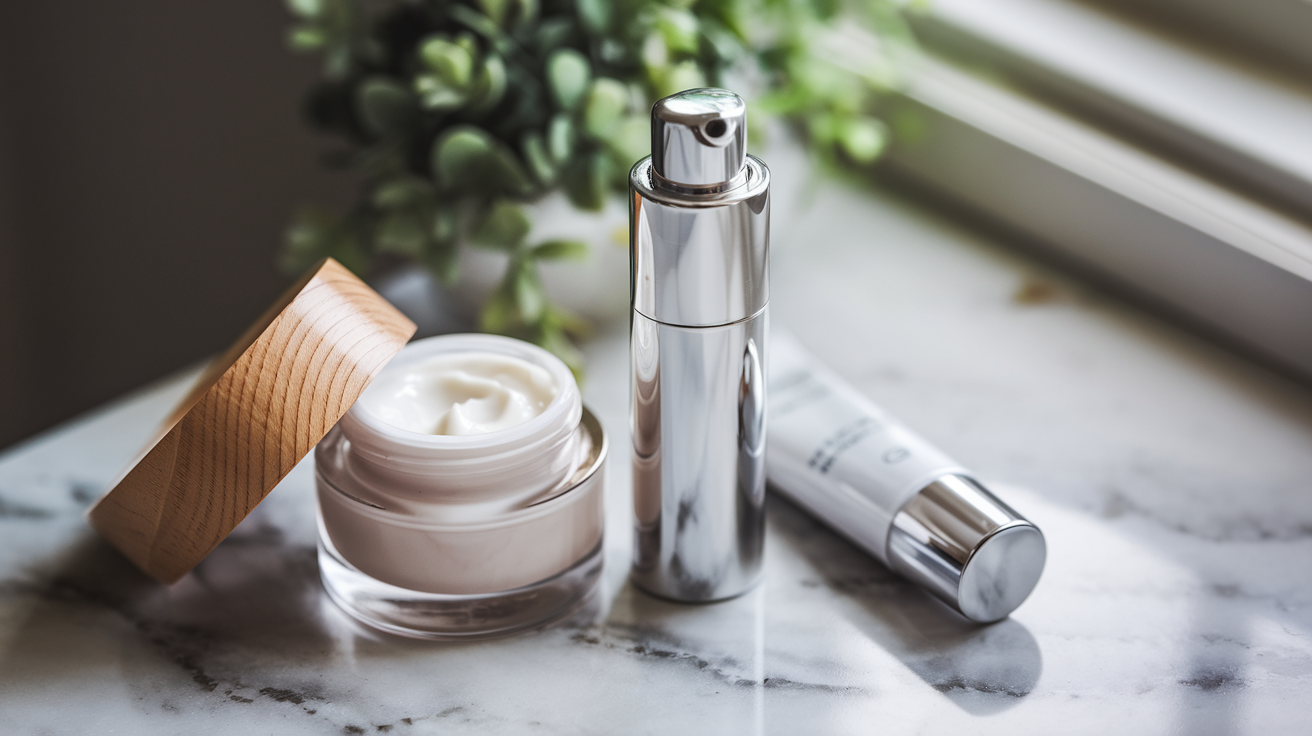
Jar vs Pump vs Tube: How Packaging Impacts Ingredient Stability
Let's start with the most common types of eye cream packaging and what happens to your product inside each one.
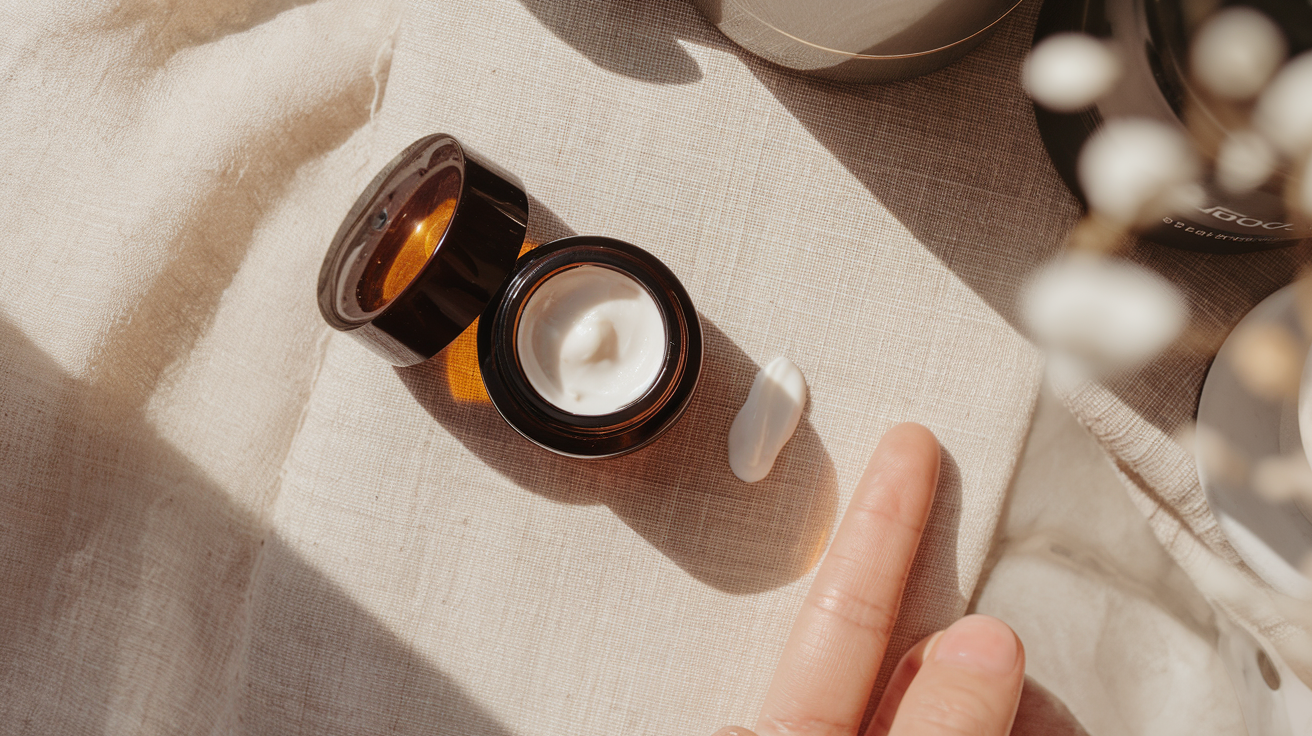
Jars are classic and luxurious-feeling. You dip your finger in, scoop out a small amount, and pat it around your eyes. The problem? Every time you open that jar, you expose the entire product to air and light. Oxygen breaks down active ingredients like retinol, vitamin C, and certain peptides. Your fingers can also introduce bacteria into the formula, even if your hands are clean.
Pumps offer better protection because the product inside stays sealed from air exposure. Each time you press the pump, only the amount you need comes out while the rest remains protected. Standard pumps are better than jars, but they're not perfect—some still allow a small amount of air to enter the chamber as the product depletes.
Tubes fall somewhere in the middle. They limit air exposure better than jars, especially if you squeeze from the bottom and keep the cap tightly closed. However, once you've used about half the product, air pockets can form inside the tube, which can still affect ingredient stability over time.
If your eye cream contains sensitive actives and comes in a jar, you might notice it becoming less effective after a few weeks of use—even though there's still plenty of product left. This is one reason why many affiliate one resources recommend checking packaging types before you buy.
Airless Pumps: The Gold Standard for Retinol and Peptide Eye Creams
Airless pump technology is different from regular pumps. Instead of a tube that dips into the product, airless pumps use a vacuum system. As you dispense the cream, a platform at the bottom of the container rises to push the product upward. No air enters the chamber at any point during use.
This makes airless pumps ideal for formulas with retinol, peptides, growth factors, and vitamin C—all ingredients that degrade quickly when exposed to oxygen.
Retinol, for example, is notoriously unstable. When it comes into contact with air and light, it oxidizes and loses potency. An eye cream with 0.5% retinol in an airless pump will likely remain more effective throughout its shelf life than the same formula in a jar.
Peptides are also sensitive. These short chains of amino acids can break down or become less effective when exposed to air, heat, or contamination. If you're investing in a peptide-rich eye cream, airless packaging helps protect that investment.
Tired of seeing under-eye lines before you see yourself?
If the tiny creases under your eyes make you look more tired than you feel, this guide shows the simple under-eye routine that helps soften the look of dry lines, crepey texture, and tired skin without guessing or wasting weeks on random products.
One more bonus: airless pumps are hygienic. You never touch the product directly, which means less risk of introducing bacteria or other contaminants into the formula. This can extend the usable life of your eye cream and reduce the chance of irritation from a compromised product.
Light-Blocking Packaging: Why Dark or Opaque Containers Matter
Even if your eye cream comes in an airless pump, it can still degrade if the container is clear and sits on your bathroom counter under bright light.
Light—especially UV light—can break down active ingredients just as quickly as oxygen can. This is why many high-quality formulas come in opaque, dark, or metallic containers. Amber glass, frosted plastic, and metallic tubes all help block light from reaching the product inside.
Vitamin C is especially vulnerable to light exposure. If you see an eye cream with L-ascorbic acid (the most potent form of vitamin C) packaged in a clear jar or tube, that's a red flag. The formula may look beautiful on your vanity, but it's probably losing effectiveness every day it sits there.
Retinol and bakuchiol (a plant-based retinol alternative) are also light-sensitive. Even natural oils and antioxidants can oxidize faster when exposed to light, which can change the color, smell, and performance of your eye cream.
If you want to keep your eye cream as effective as possible, store it in a cool, dark place like a drawer or cabinet. And if the packaging is clear, consider transferring it to a dark container—or just choose products that come in light-blocking packaging from the start. Many experts who contribute to affiliate one emphasize this as a simple but often overlooked step.
Signs Your Eye Cream Has Gone Bad (Even Before Expiration Date)
Just because your eye cream hasn't hit its expiration date doesn't mean it's still good to use. Poor packaging can cause a product to spoil or lose potency well before the printed date.
Here are some signs your eye cream may have degraded:
Color change: If your cream has turned yellow, brown, or darker than it originally was, that's often a sign of oxidation. Retinol and vitamin C are common culprits. A color shift usually means the actives have broken down.
Separation: If the formula looks watery on top or has a layer of oil sitting on the surface, it may have separated due to temperature changes, contamination, or age. Some natural formulas separate normally and just need a shake, but if your eye cream never separated before and suddenly does, it's worth questioning.
Strange smell: Eye creams should smell neutral, lightly fragranced, or like their natural ingredients. If yours smells sour, rancid, or just off, toss it. Rancid oils are a common issue in products stored improperly or exposed to air too often.
Change in texture: If your smooth cream has become grainy, clumpy, or overly runny, that's another sign something has gone wrong. Texture changes can indicate ingredient breakdown or bacterial growth.
Irritation or breakouts: If an eye cream that used to feel fine suddenly causes stinging, redness, or small bumps, it may have gone bad. Contaminated or degraded products can irritate even non-sensitive skin.
Even if none of these signs are present, it's smart to replace your eye cream every six to twelve months—especially if it comes in a jar. Actives lose potency over time, and you're not doing your skin any favors by holding onto a product that's no longer working.
Packaging matters more than most people realize. It's not just about looking pretty on your shelf—it's about protecting the ingredients you're paying for and making sure they actually reach your skin in a form that can help soften the appearance of fine lines, reduce puffiness, and support smoother-looking under-eye skin.
Next time you're shopping for eye cream, take a closer look at the container. Is it a jar you'll be dipping into daily? A tube that might let air in over time? Or an airless pump in a dark bottle that keeps your retinol and peptides safe from light and oxygen?
The formula inside matters. But the packaging around it? That matters too.