Disclosure: This post contains affiliate links. We may earn a commission at no extra cost to you.
Does Expensive Eye Cream Really Work Better? The Truth About What You're Paying For
You've probably stood in the skincare aisle staring at two eye creams: one for $12 and another for $150. Same promises on the label, wildly different price tags. So what gives? Are you actually getting better ingredients in that luxury jar, or just fancier packaging?
The truth is more nuanced than most beauty blogs will admit. Some expensive eye creams do contain superior formulations, but plenty of drugstore options perform just as well. Here's what you're really paying for—and what actually matters for the delicate skin around your eyes.
What Actually Makes Eye Cream Expensive
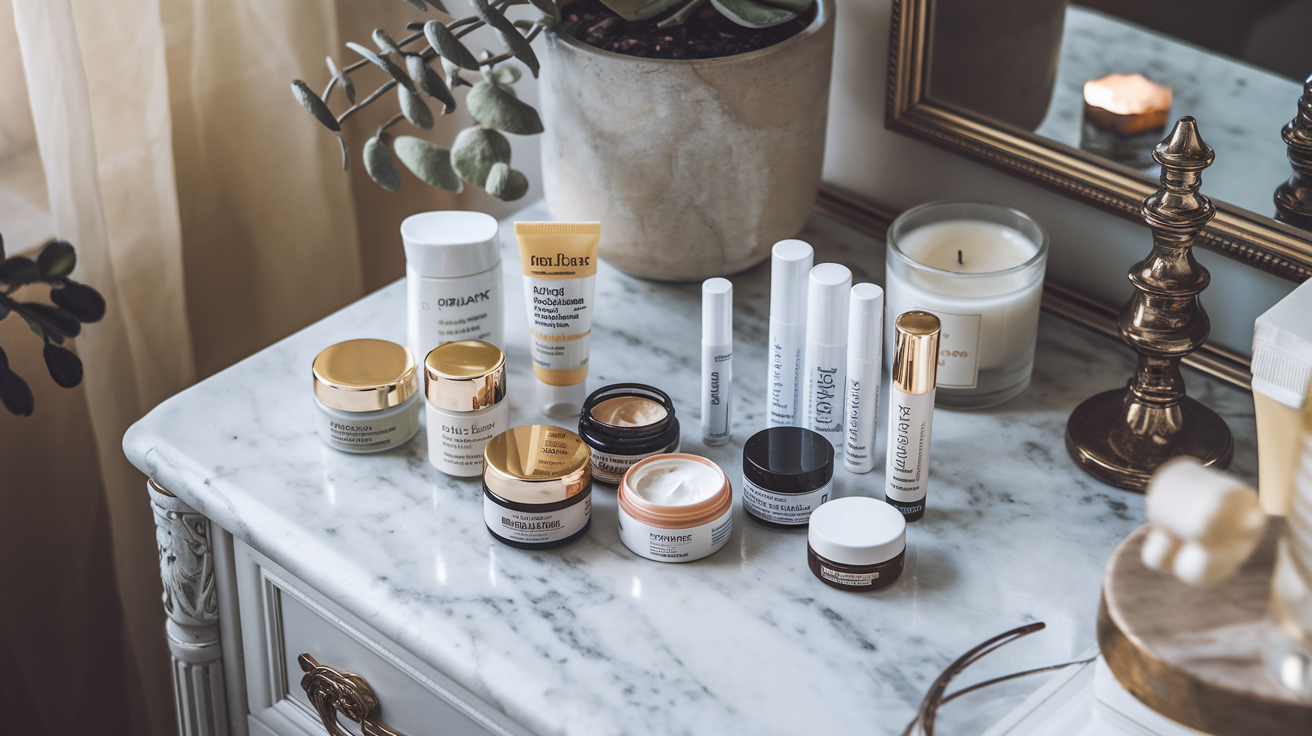
Let's start with the obvious: luxury brands spend millions on marketing, elegant packaging, and celebrity endorsements. That frosted glass jar with the gold cap? You're paying for it. The glossy magazine ads and influencer partnerships? Also in the price.
But beyond the obvious markup, some high-end eye creams do use pricier ingredients. Encapsulated retinol, growth factors, and peptide complexes cost more to formulate than basic moisturizers. The concentration matters too—a cream with 5% niacinamide will outperform one with 1%, assuming everything else is equal.
Research and development is another factor. Companies that invest in clinical trials and stability testing often charge more. That doesn't mean their products work miracles, but it does mean they've tested whether the ingredients actually penetrate skin or just sit on the surface.
Then there's the texture. Premium eye creams often feel silkier and absorb faster because they use refined emulsifiers and texturizers. Does that make them more effective? Not necessarily. But it does make them more pleasant to use, which means you're more likely to apply them consistently.
Budget Eye Creams That Dermatologists Actually Recommend
Good news: you don't need to spend your grocery budget on eye cream. Several affordable options contain the same active ingredients found in luxury versions.
CeraVe Eye Repair Cream is a dermatologist favorite for good reason. It contains ceramides and hyaluronic acid to support the skin barrier and plump the appearance of fine lines. The formula is fragrance-free and gentle enough for sensitive skin. It won't give you dramatic overnight changes, but consistent use can help the under-eye area look smoother and more hydrated.
The Ordinary Caffeine Solution 5% + EGCG is another budget standout. Caffeine helps reduce the appearance of puffiness, while the antioxidants provide some protection against environmental stress. It's watery and absorbs quickly, making it ideal for morning application under makeup.
Neutrogena Rapid Wrinkle Repair Eye Cream uses retinol SA, a gentler form of retinol that's less likely to irritate the delicate eye area. Retinol is one of the most researched ingredients for reducing the appearance of fine lines and promoting smoother-looking skin over time.
If you want to understand more about building an effective routine without overspending, check out this affiliate one that breaks down which ingredients matter most for under-eye concerns.
Tired of seeing under-eye lines before you see yourself?
If the tiny creases under your eyes make you look more tired than you feel, this guide shows the simple under-eye routine that helps soften the look of dry lines, crepey texture, and tired skin without guessing or wasting weeks on random products.
High-End Eye Cream Ingredients Worth The Splurge
Sometimes the price tag does reflect genuinely superior formulation. Here's when spending more might actually make sense.
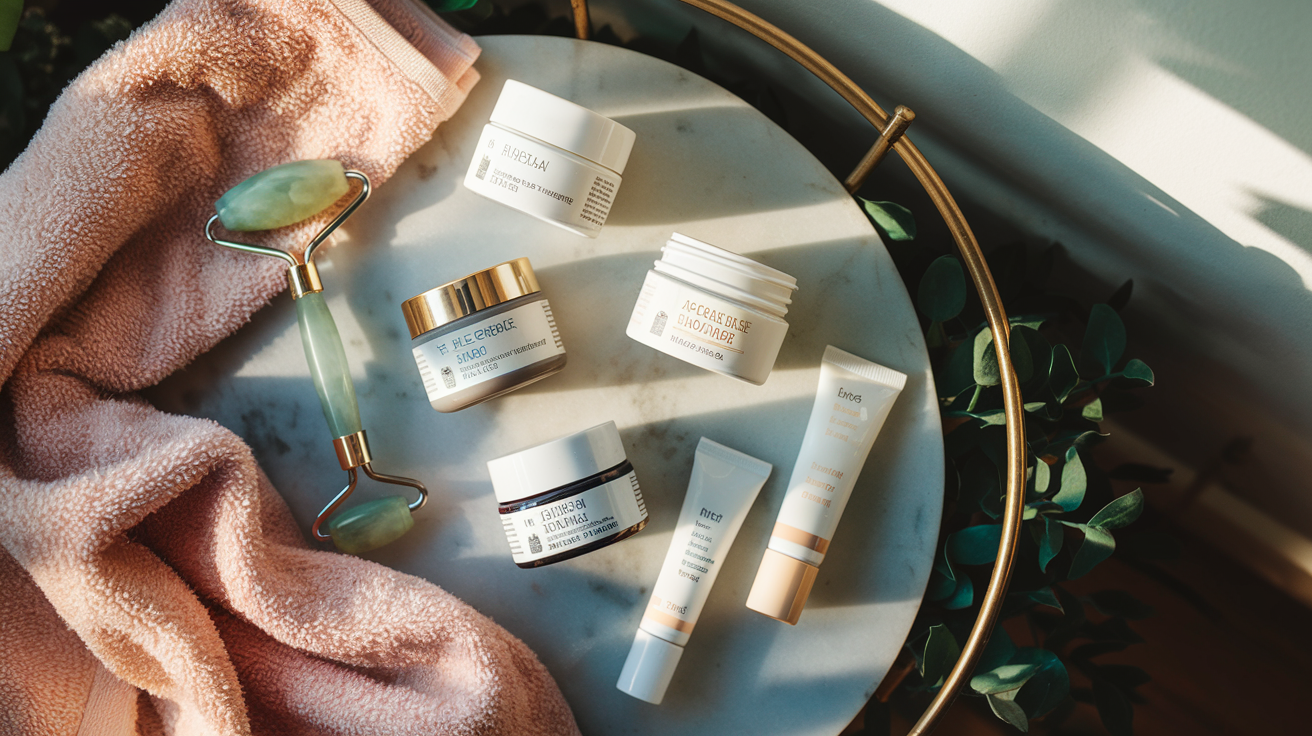
Advanced peptide blends like Matrixyl 3000 or Argireline can be worth the investment. These compounds may help support the appearance of firmer-looking skin over time. Budget brands rarely use the same concentrations or combinations you'll find in premium formulas.
Encapsulated or time-released retinol is another ingredient where quality matters. This technology helps the retinol penetrate more effectively while reducing irritation. Brands like SkinCeuticals and Drunk Elephant invest in this type of formulation, which explains part of the price difference.
Growth factors and stem cell extracts are almost exclusively found in high-end products. The research on these ingredients is still evolving, but some studies suggest they may help skin look more refreshed and less fatigued over time.
Stable vitamin C formulations also tend to cost more. Vitamin C degrades quickly when exposed to light and air, so luxury brands use airless pumps and stabilized forms like tetrahexyldecyl ascorbate. If you're investing in vitamin C for the eye area, the packaging and formulation stability actually matter.
That said, even the most expensive eye cream won't erase deep wrinkles or completely transform your under-eye area. These products work gradually to help skin look smoother and more hydrated—not to provide cosmetic-procedure-level changes.
How To Tell If Your Eye Cream Is Working Regardless Of Price
Whether you spent $15 or $150, here's how to evaluate if your eye cream is actually doing something.
First, give it time. Most eye creams need at least 8-12 weeks of consistent use before you'll notice visible changes. The skin around your eyes is thin and delicate, which means it shows results slowly.
Look for hydration first. Even basic eye creams should make the under-eye area feel more moisturized and comfortable. If your skin feels tight or shows more visible lines after applying your cream, it's not the right formula for you.
Check your makeup application. If your concealer stops settling into fine lines as much, or if it blends more smoothly than before, your eye cream is probably improving your skin's texture and hydration.
Take monthly photos in the same lighting. Subtle changes are hard to notice day-to-day, but side-by-side comparisons over several weeks can show whether your under-eye area looks smoother or less tired.
Pay attention to puffiness patterns. A good eye cream with caffeine or peptides should help the under-eye area look slightly less puffy in the morning, especially if you apply it consistently at night.
If you're not seeing any changes after three months of regular use, it's probably time to switch formulas. For more specific guidance on building an eye cream routine that actually works for your concerns, this affiliate one walks through the exact steps.
The bottom line? Price doesn't always predict performance when it comes to eye cream. Some budget options contain the same effective ingredients as luxury versions, while some high-end products do offer superior formulations that justify the cost. Focus on ingredients that address your specific concerns—whether that's dryness, fine lines, or puffiness—and give any product enough time to work before deciding if it's worth repurchasing.
The best eye cream is ultimately the one you'll use consistently, whether it costs $12 or $120. Your under-eye skin doesn't care about the label—it cares about hydration, gentle actives, and daily protection from environmental stress.