Disclosure: This post contains affiliate links. We may earn a commission at no extra cost to you.
Is Your Eye Cream Causing Milia? 7 Warning Signs to Watch For
Have you noticed tiny white bumps appearing around your eyes after starting a new eye cream? You're not alone. Those small, stubborn bumps could be milia, and your expensive eye cream might be the culprit. While eye creams promise smoother-looking skin and less tired-looking eyes, some formulas can actually trap dead skin cells beneath the surface, leading to these frustrating little bumps.
Let's walk through the warning signs that your eye cream might be causing milia, so you can adjust your routine and get back to enjoying healthier-looking skin.
What Is Milia and Why Does It Form Around Eyes
Milia are small white or yellowish bumps that appear when dead skin cells get trapped beneath the surface instead of shedding naturally. They look like tiny pearls under the skin and feel hard to the touch.
The eye area is especially prone to milia because the skin there is thinner and more delicate than the rest of your face. When heavy products sit on this thin skin, they can create a barrier that prevents natural exfoliation. The result? Those keratin-filled cysts we call milia.
Unlike acne, milia don't have an opening at the surface, which is why they're so stubborn. You can't simply extract them at home without risking damage to the delicate eye area.
Heavy Ingredients That Trigger Milia Formation
Certain ingredients are more likely to cause milia, especially around the eyes. Mineral oil, lanolin, and petroleum-based ingredients create an occlusive barrier that can be too heavy for the thin eye area. While these ingredients work beautifully for dry body skin, they may trap dead cells around your eyes.
Silicones like dimethicone and cyclopentasiloxane can also contribute to buildup. These ingredients create that silky, smooth texture we love, but they can prevent proper skin cell turnover if your skin doesn't respond well to them.
Rich butters like shea butter and cocoa butter sound nourishing, but they're often too heavy for the eye area. If you see these listed high up in your eye cream ingredients, and you're noticing milia, this could be your affiliate one to understanding the connection.
Even some natural oils can be problematic. Coconut oil, for example, is highly comedogenic and can trigger milia in sensitive areas.
Your Skin Type May Not Match Your Eye Cream
Here's something many people don't realize: you can have combination skin on your face but oily eyelids. Or you might have dry cheeks but find that rich eye creams cause congestion around your eyes.
If you have naturally oily skin or oily eyelids, ultra-rich eye creams marketed for mature skin might be too much. Your skin simply doesn't need that level of occlusion, and the excess product has nowhere to go except to sit on the surface and cause buildup.
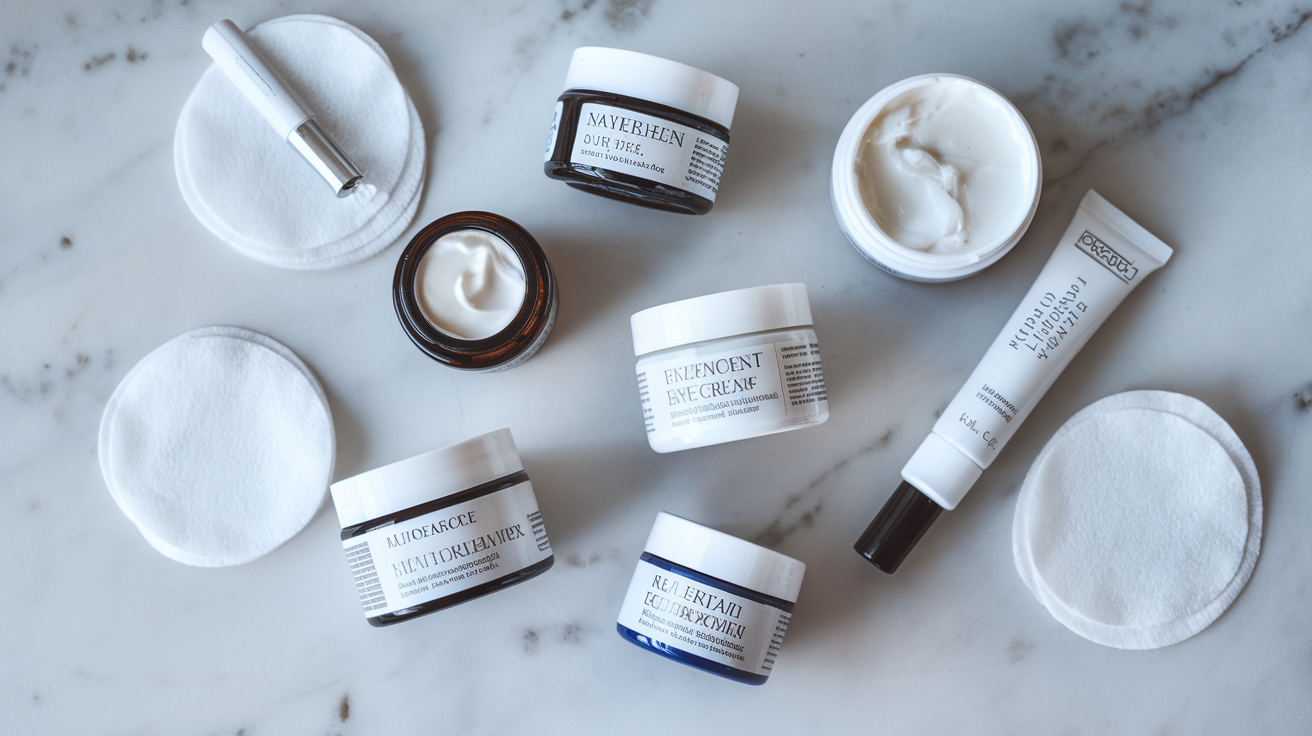
Similarly, if you're younger and using a heavy anti-aging eye cream because you're concerned about prevention, you might be overdoing it. Your skin is still producing plenty of natural oils, and adding a thick cream on top can backfire.
Pay attention to how your eye area feels an hour after application. If it still feels greasy or heavy, the formula is likely too rich for your skin type.
Tired of seeing under-eye lines before you see yourself?
If the tiny creases under your eyes make you look more tired than you feel, this guide shows the simple under-eye routine that helps soften the look of dry lines, crepey texture, and tired skin without guessing or wasting weeks on random products.
Over-Layering Products Creates Buildup
Even if your eye cream itself isn't too heavy, layering multiple products in the eye area can create the same problem. Are you using an eye serum, then an eye cream, then a face oil, then a night cream that extends to your eye area?
Each layer adds more occlusion. When you stack too many products, especially ones with film-forming ingredients, you're essentially wrapping your eye area in plastic wrap. Dead skin cells can't shed properly, and milia forms.
This is especially common in elaborate nighttime routines where people layer everything they own, hoping for better results. More isn't always better when it comes to the delicate eye area.
If you're noticing milia and you use more than two products around your eyes, try simplifying. Use either a serum or a cream, not both, and see if your skin responds better.
Skipping Proper Cleansing Before Bed
This one's simple but often overlooked: if you're not thoroughly removing your eye makeup and sunscreen before applying eye cream, you're layering fresh product over residue. That's a recipe for clogged pores and milia.
Waterproof mascara and long-wear eyeliner are designed to stay put, which means they need proper removal. A quick splash of water or a gentle face wash often isn't enough to break down these products.
Use a dedicated eye makeup remover or cleansing oil first, then follow with your regular cleanser. Make sure there's no black residue on your cotton pad before you consider your eye area clean.
When cleansing, be gentle but thorough. Don't tug or rub harshly, but do make sure you're actually cleaning the skin, not just patting water around your eyes.
Using Too Much Product Per Application
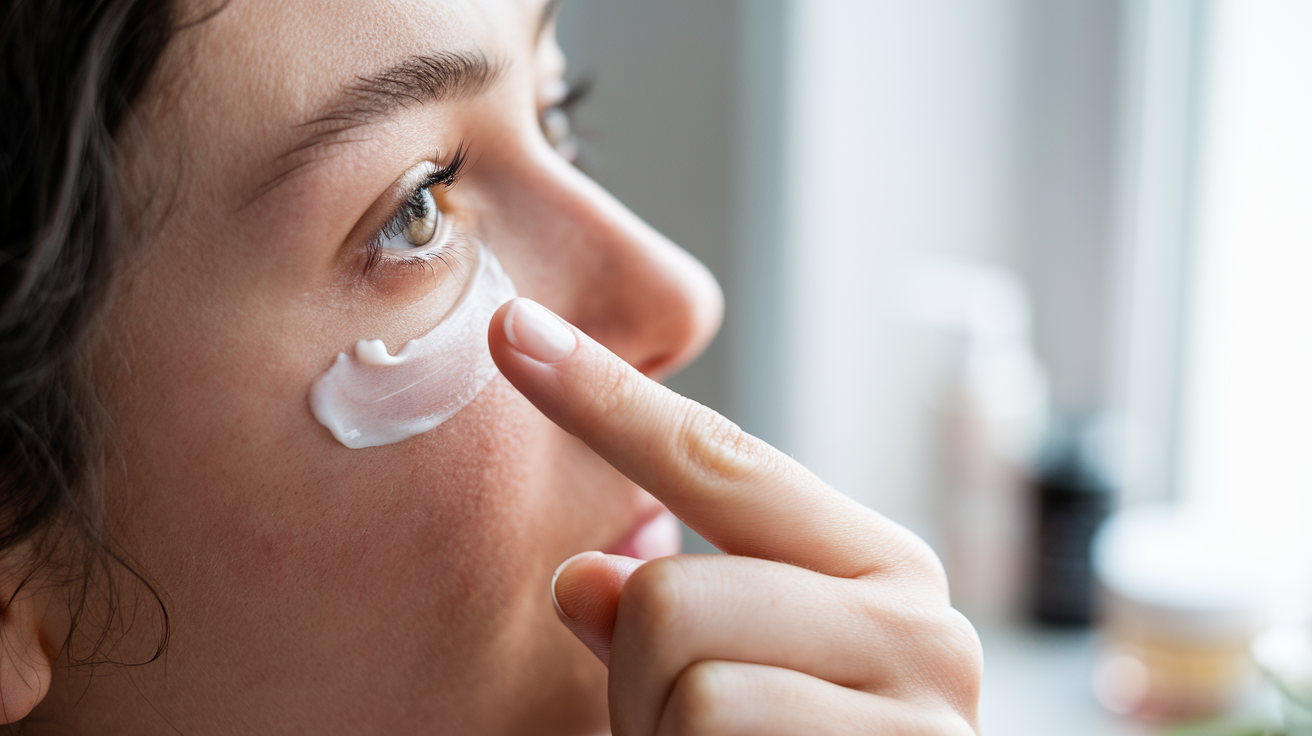
The "pea-sized amount" rule exists for a reason. Most people use far too much eye cream, thinking more product equals better results. In reality, excess product just sits on the skin's surface, contributing to milia formation.
You only need a rice grain-sized amount for both eyes. That's it. The skin around your eyes can only absorb so much, and anything extra becomes problematic buildup.
Here's a test: after applying your eye cream, wait five minutes and gently press a tissue to your eye area. If it picks up significant product, you're using too much.
Pat your eye cream in gently rather than rubbing it. This helps with absorption and prevents you from dragging excess product around the eye area where it will just sit and cause issues.
How to Choose Milia-Free Eye Creams
Look for lightweight formulas described as gels, gel-creams, or serums rather than rich creams or balms. These textures are less likely to cause buildup.
Check for non-comedogenic labels, though keep in mind this isn't a guarantee. Ingredients matter more than labels. Avoid products with mineral oil, lanolin, and coconut oil listed in the first five ingredients.
Hyaluronic acid, niacinamide, and peptides are generally safe ingredients that provide benefits without heavy occlusion. Lightweight plant oils like squalane or rosehip seed oil are usually better tolerated than heavy butters.
Consider trying an affiliate one approach where you use a simple hydrating serum instead of a traditional cream, especially if you've struggled with milia before.
Start with less rather than more. You can always add a second layer if needed, but you can't un-apply a heavy cream once it's causing problems.
If you already have milia, don't try to extract them yourself. See a dermatologist or licensed esthetician who can safely remove them. Continue using a gentle, lightweight routine while they heal, and your skin should look clearer over time.
Remember, the goal is healthier-looking skin, not just throwing more products at a problem. Sometimes the best thing you can do for your eye area is simplify your routine and let your skin breathe.