Disclosure: This post contains affiliate links. We may earn a commission at no extra cost to you.
How to Store Eye Cream Properly: 7 Mistakes That Ruin Your Product
Have you ever wondered why your eye cream stopped working as well as it did when you first opened it? The problem might not be the formula—it could be how you're storing it. Eye creams contain delicate ingredients that break down when exposed to heat, light, bacteria, and air. Even expensive formulas lose their effectiveness when stored incorrectly, which means you're not getting the smoother-looking skin you paid for.
Let's walk through the seven most common storage mistakes that compromise your eye cream, so you can protect your investment and give your under-eye area the care it deserves.
Keeping Eye Cream in the Bathroom
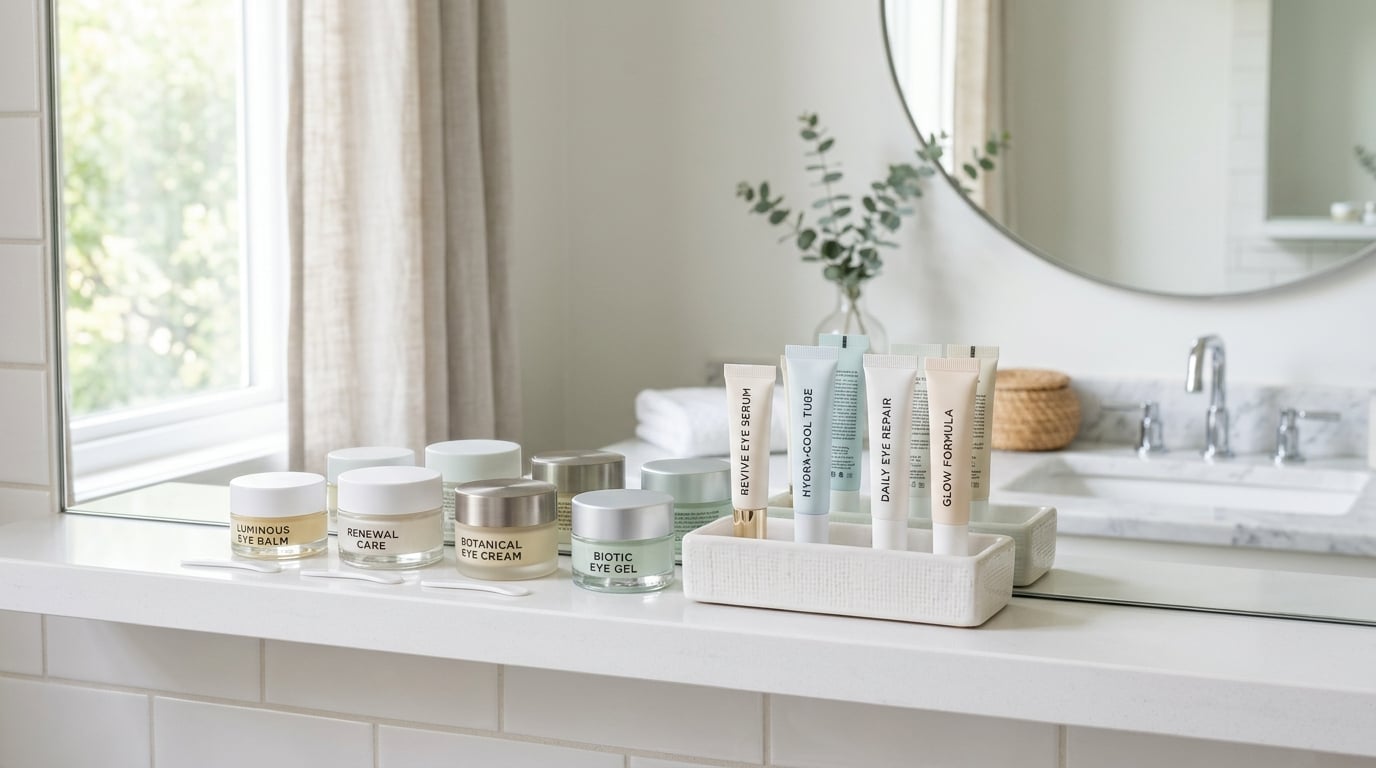
Your bathroom seems like the logical place to store skincare, but it's actually one of the worst spots for eye cream. The steam from hot showers creates a humid environment that destabilizes active ingredients like retinol, peptides, and vitamin C.
Temperature fluctuations also cause problems. When your bathroom goes from warm and steamy to cool and dry multiple times a day, the constant change can break down preservatives and alter the texture of your product.
Instead, store your eye cream in a bedroom drawer or on a vanity away from the shower. Keep it in a cool, dry place with consistent temperature. If you want to learn more about protecting your investment in anti-aging products, check out this affiliate one for comprehensive storage tips.
Using Fingers Without Washing Hands First
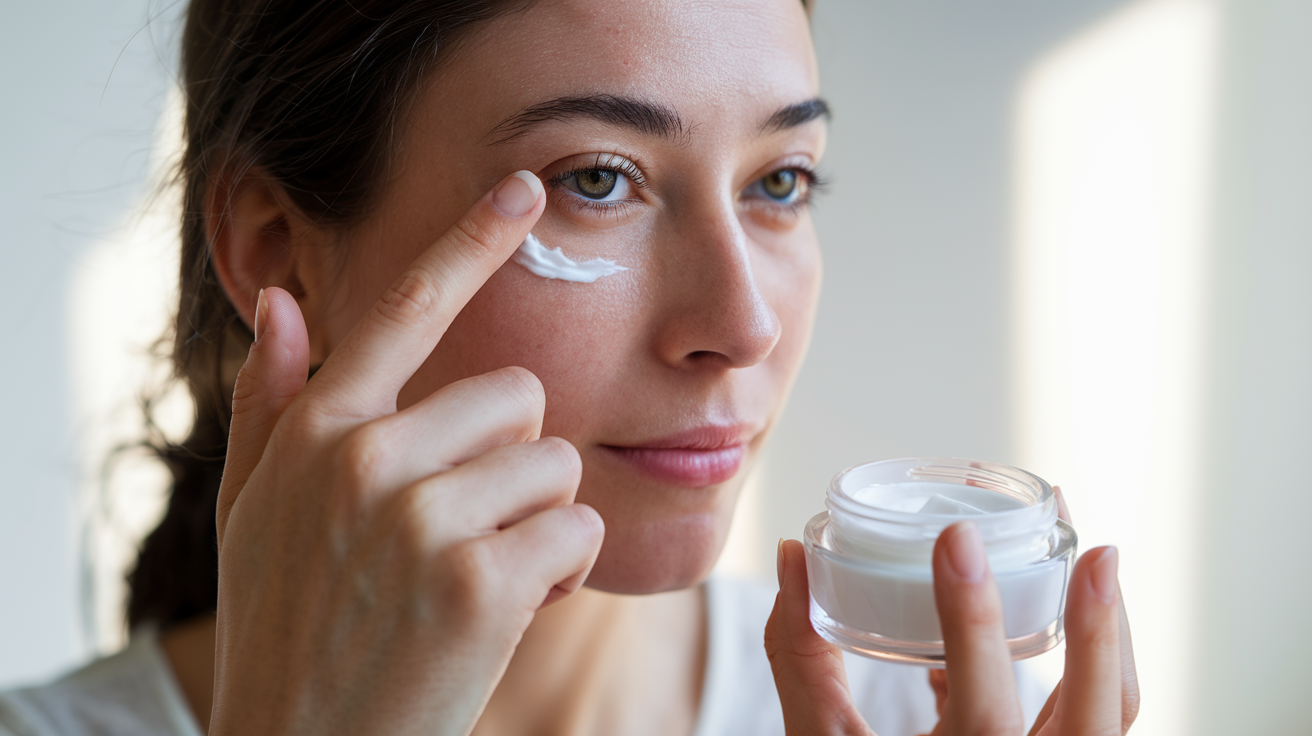
Dipping unwashed fingers into your eye cream jar introduces bacteria, oils, and dirt into the formula. This contaminates the entire container and can cause the product to spoil faster than the expiration date suggests.
The skin around your eyes is especially sensitive, so introducing bacteria can lead to irritation or breakouts along the delicate eye area. Even if your hands look clean, they carry microscopic particles throughout the day.
Always wash and dry your hands thoroughly before applying eye cream. If you use a jar instead of a pump, consider using a small spatula or cosmetic spoon to scoop out product. This keeps the remaining formula pristine and extends its shelf life.
Tired of seeing under-eye lines before you see yourself?
If the tiny creases under your eyes make you look more tired than you feel, this guide shows the simple under-eye routine that helps soften the look of dry lines, crepey texture, and tired skin without guessing or wasting weeks on random products.
Ignoring Expiration Dates and PAO Symbols
That little jar symbol on your eye cream packaging isn't just decoration—it's the Period After Opening (PAO) indicator. The number inside tells you how many months the product remains effective after you first open it.
Using eye cream past its PAO date means you're applying a formula with degraded active ingredients. The peptides and antioxidants that help with the appearance of fine lines lose potency over time, so you're basically rubbing inactive cream around your eyes.
Write the opening date on the bottom of your eye cream container with a permanent marker. Set a phone reminder for when it expires. If the texture, smell, or color changes before the PAO date, discard it immediately.
Storing Eye Cream in Direct Sunlight
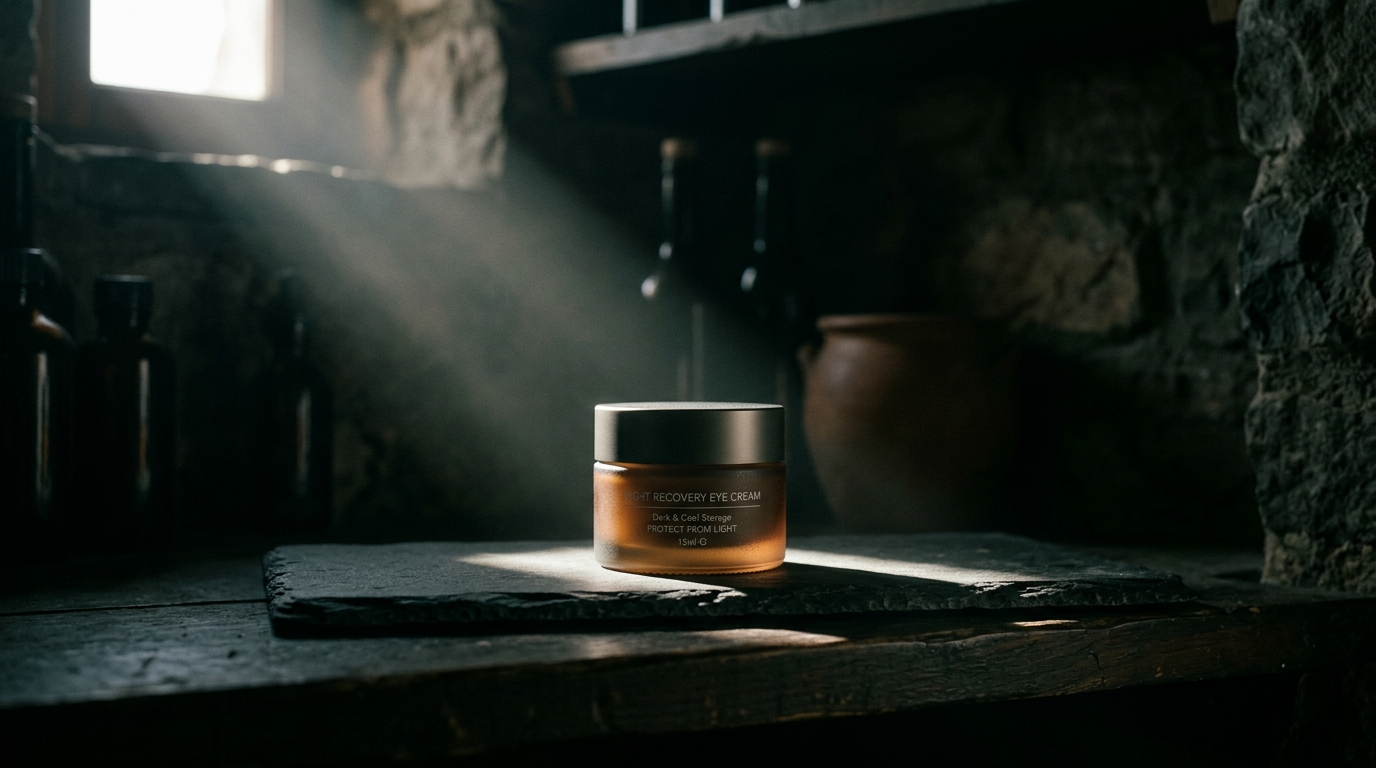
Leaving your eye cream on a sunny windowsill or bathroom counter where sunlight hits it directly breaks down light-sensitive ingredients. Retinol, vitamin C, and certain peptides degrade rapidly when exposed to UV rays.
Heat from sunlight also changes the consistency of your cream. You might notice it becomes runny, separates, or develops an unusual texture. These changes signal that the formula has been compromised.
Store eye cream in a drawer, cabinet, or any spot that stays dark throughout the day. If your product comes in a clear container, this protection becomes even more important. Opaque or dark-colored packaging offers some built-in UV protection, but darkness is still your best defense.
Not Closing the Container Tightly
Leaving the cap loose or not fully sealed allows air to oxidize the ingredients inside. Oxygen exposure degrades antioxidants and can cause the product to develop a strange smell or change color.
Air exposure also dries out the formula, especially with cream textures. You might find your eye cream becomes thick, difficult to spread, or develops a film on top. This crusty layer is a sign of oxidation and moisture loss.
After each use, wipe the rim of the container clean with a tissue, then screw or snap the cap on firmly. Make this a habit every single time you apply your eye cream. For more detailed guidance on maintaining your skincare routine, this affiliate one offers helpful strategies.
Mixing Old and New Product
When your eye cream jar runs low, resist the urge to add new product on top of the old residue. Mixing fresh formula with older product that's been exposed to air and bacteria contaminates the new batch.
The old layer might contain degraded ingredients or bacterial growth that you can't see. When you mix it with fresh cream, you spread that contamination throughout the entire container.
Finish one container completely before opening the next. If you absolutely must consolidate products, thoroughly clean and dry the container first, though starting fresh is always safer.
Refrigerating Products That Shouldn't Be Cold
While some eye creams benefit from cool storage, others contain ingredients that thicken or separate when chilled. Oil-based formulas and products with certain emulsifiers don't respond well to cold temperatures.
Check your product instructions before refrigerating. Gel-based eye creams and products marketed specifically for de-puffing often work well cold. But rich, butter-like creams may become too stiff to apply smoothly when refrigerated.
If cold storage isn't recommended and you've already refrigerated your eye cream, let it return to room temperature gradually. Don't microwave it or place it in hot water—that creates temperature shock that's just as damaging as the cold.
Final Thoughts
Proper storage protects the active ingredients that help maintain smoother-looking, more hydrated under-eye skin. These seven mistakes are easy to avoid once you know what to watch for.
Take a moment today to check where your eye cream lives, how you're applying it, and when it expires. Small changes in your storage habits can make a noticeable difference in how your product performs and how long it lasts.
Your eye cream works hard to support the delicate skin around your eyes—give it the storage conditions it needs to do its job effectively.