Disclosure: This post contains affiliate links. We may earn a commission at no extra cost to you.
How Long Does Eye Cream Take to Work? A Realistic Timeline for Results
Published July 11, 2026
You just bought a new eye cream. You smooth it under your eyes, hopeful it'll help with those fine lines that showed up seemingly overnight. Then you wake up the next morning, look in the mirror, and... nothing has changed. Sound familiar?
If you're wondering how long eye cream actually takes to work, you're asking the right question. The truth is, different changes happen at different stages—and knowing what to expect (and when) can help you stick with a routine long enough to see real improvement.
Let's walk through what actually happens to your under-eye skin week by week, so you know exactly what you're looking for.
Week 1-2: Immediate Hydration and Plumping Effects You'll Notice First
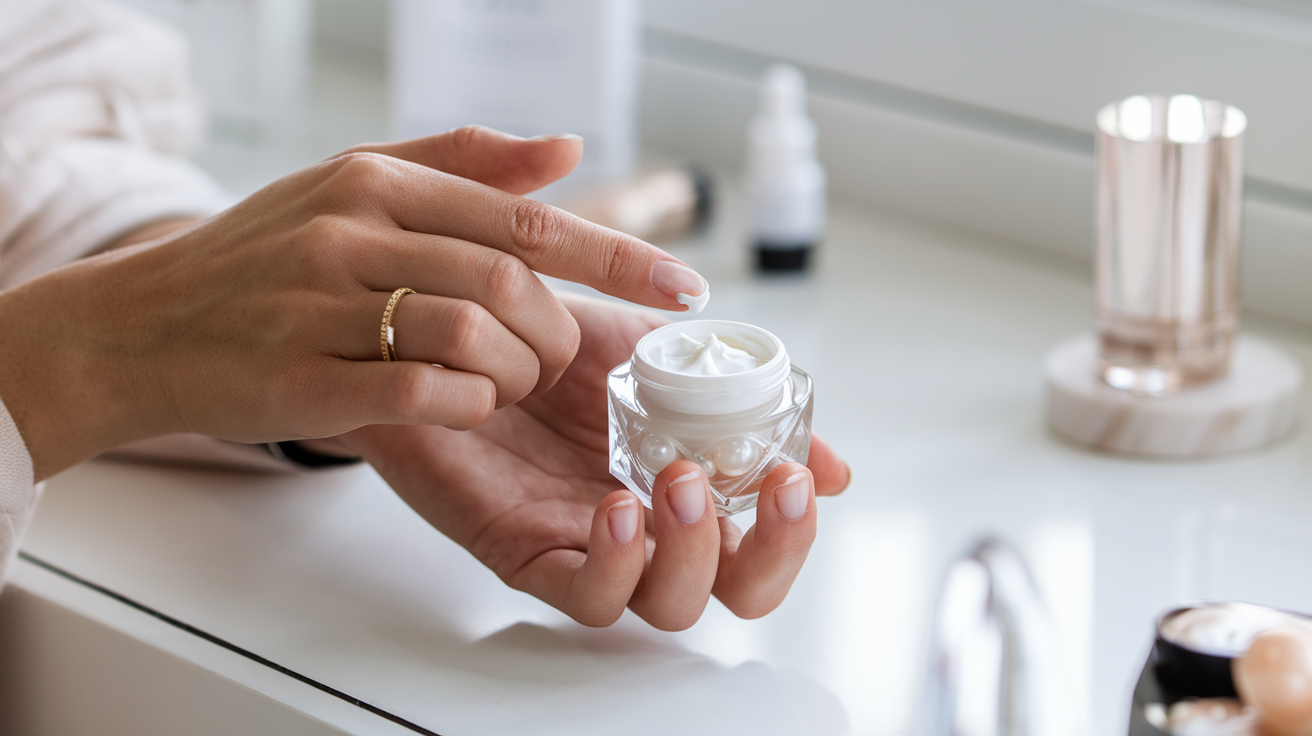
The first thing you'll notice isn't dramatic—but it matters. Within the first one to two weeks, most eye creams start hydrating the thin skin around your eyes. This area has fewer oil glands than the rest of your face, so it dries out faster and shows texture more easily.
When you apply a good eye cream consistently, the humectants (like hyaluronic acid or glycerin) pull moisture into the skin. The emollients (like squalane or ceramides) help seal it in. The result? Your under-eye area looks smoother and slightly plumper.
You might notice makeup sits better. That crepe-paper texture might soften a bit. Dry patches may calm down. These are real changes—but they're surface-level. They show you the product is doing its job, but the deeper work hasn't started yet.
This is also the stage where you'll know if the formula works for your skin. If it stings, pills under makeup, or causes milia, it's probably not the right fit. If it absorbs well and feels comfortable, keep going.
Week 3-6: Surface Fine Lines Begin to Soften and Reduce
Around week three, something shifts. If your eye cream contains actives like retinol, peptides, or niacinamide, this is when they start influencing your skin at a cellular level.
Surface fine lines—the ones caused mostly by dehydration and minor sun damage—begin to look softer. Not gone. Not erased. But less noticeable, especially in certain lighting. You might catch yourself in the mirror mid-morning and think, "Huh, I look less tired."
This is also when skin cell turnover starts to pick up (especially if you're using a retinol-based eye cream). Dead skin cells shed a little faster. Fresh cells come to the surface. The overall texture around your eyes starts to look smoother and more even.
Here's the catch: this stage is subtle. If you're looking for dramatic before-and-after changes, you'll be disappointed. But if you compare a photo from week one to week six, you'll likely see a difference in how rested and smooth your eye area looks.
Consistency is everything here. Skipping nights or switching products too soon means you'll reset the clock. Stick with it. For more help building a routine that actually works for your skin, check out this affiliate one.
Tired of seeing under-eye lines before you see yourself?
If the tiny creases under your eyes make you look more tired than you feel, this guide shows the simple under-eye routine that helps soften the look of dry lines, crepey texture, and tired skin without guessing or wasting weeks on random products.
Week 8-12: Deeper Wrinkles and Pigmentation Start Improving
This is where patience pays off. By week eight, you're in the zone where deeper changes start to show—if your product contains the right ingredients and you've been using it consistently.
Deeper expression lines—like crow's feet that stick around even when you're not smiling—may start to look less pronounced. They won't vanish, but the depth and shadow they cast can soften as the skin becomes firmer and more resilient.
If dark circles are part of your concern, this is also when brightening ingredients like vitamin C, caffeine, or kojic acid start making a visible difference. Pigmentation doesn't fade overnight. It takes weeks of consistent use to see the skin tone around your eyes become more even and less shadowy.
Puffiness may also improve during this window, especially if your eye cream contains caffeine or peptides that support drainage and microcirculation. You might notice your eyes look less swollen in the morning, even if you didn't sleep perfectly.
This stage is encouraging because the improvements feel real—not just a trick of the light or good hydration. You're starting to see structural changes in how your skin behaves and looks.
Month 4+: Maximum Collagen Renewal and Long-Term Eye Area Transformation
Here's the truth most brands don't tell you: real collagen renewal takes months, not weeks. If you want to see lasting improvement in skin firmness, elasticity, and the overall texture of your eye area, you need to think in terms of four months or longer.
By month four, retinol and peptide-based eye creams have had enough time to stimulate collagen production and support the skin's natural repair process. The under-eye area may look noticeably smoother, firmer, and more lifted. Fine lines that were obvious in month one may now blend into the skin. Deeper lines may appear softer and less etched.
This is also when you'll notice the cumulative effect of protection. If your eye cream includes antioxidants or SPF (or you've been layering sunscreen), you're not just repairing past damage—you're preventing new damage from forming. That makes a huge difference over time.
The skin around your eyes may also feel thicker and more resilient. It's less likely to crease as deeply when you smile or squint. It bounces back faster after a late night or a salty meal.
Keep in mind that results plateau eventually. Your skin won't keep improving forever on the same product. But maintaining what you've achieved is still a win. If you want to keep building on your progress, this affiliate one can help you layer products strategically without overdoing it.
Final Thoughts: Set Realistic Expectations and Stick With It
Eye cream isn't magic. It won't erase deep wrinkles, reverse decades of sun damage, or make your under-eyes look like they did at 22. But it can absolutely help your skin look smoother, more hydrated, and less tired—if you give it time.
Week one is about hydration. Week six is about texture. Month three is about tone and firmness. Month four and beyond is about long-term resilience and maintenance.
If you quit after two weeks because you don't see a miracle, you'll never get to the good part. Stick with a formula that works for your skin type, use it every single day, and take progress photos so you can actually see the difference.
Your under-eye area deserves that kind of consistency—and so do you.