Disclosure: This post contains affiliate links. We may earn a commission at no extra cost to you.
Does Expensive Eye Cream Actually Work Better? The Truth About Price vs Results
You're standing in the skincare aisle, comparing a $15 eye cream to a $150 one, and wondering if that extra hundred dollars actually makes a difference. Is luxury eye cream really ten times better, or are you just paying for fancy packaging and a designer name?
The answer isn't as simple as you'd think. Price doesn't always predict performance, but it doesn't mean all eye creams are created equal either. Let's break down what you're actually paying for and when spending more might actually make sense.
What Makes Expensive Eye Creams Cost More
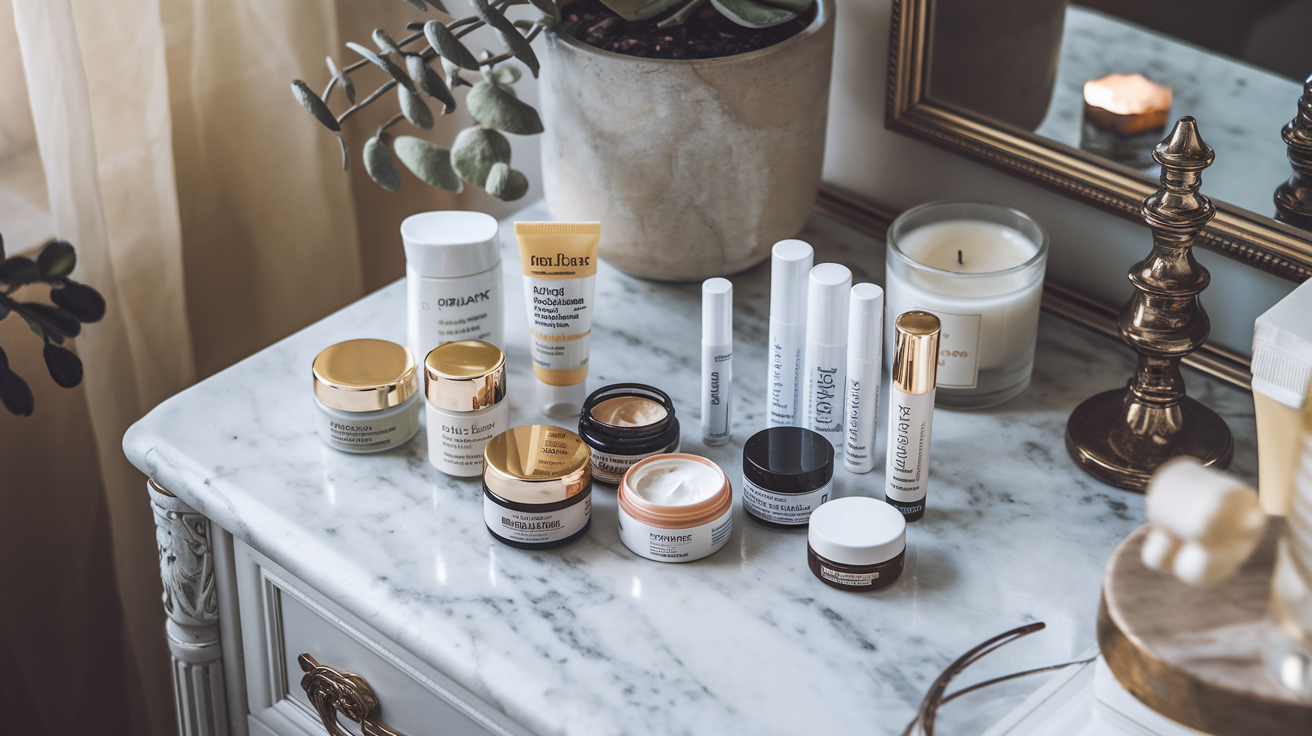
Premium eye creams don't just charge more for fun. Several factors drive up the price, and not all of them impact what happens to your skin.
First, there's the ingredient quality and concentration. High-end formulas often use patented peptides, stabilized retinol derivatives, or encapsulated vitamins that cost significantly more to source and formulate. A luxury brand might use bakuchiol at 2% concentration, while a budget version uses 0.5%.
Then there's research and development. Premium brands invest millions in clinical trials, texture innovation, and stability testing. That silky texture that glides on without pilling? That costs money to perfect.
Packaging also adds up fast. Airless pumps, UV-protective glass, and opaque containers help preserve ingredient potency, especially for light-sensitive actives like retinol and vitamin C. But let's be honest, some of that cost is just pretty jars.
Marketing and brand positioning make up a huge chunk of luxury pricing. Celebrity endorsements, glossy magazine ads, and counter space at department stores all get baked into what you pay at checkout.
Budget Eye Creams That Dermatologists Actually Recommend
You don't need to spend your grocery budget on eye cream. Several affordable options contain the same active ingredients as their luxury counterparts.
CeraVe Eye Repair Cream sits around $15 and contains ceramides, hyaluronic acid, and niacinamide. It's fragrance-free and gentle enough for sensitive skin. Dermatologists consistently recommend it because it focuses on hydration and barrier repair without unnecessary extras.
The Ordinary Caffeine Solution 5% + EGCG costs under $7 and targets the appearance of puffiness and dark circles. It's no-frills, but the concentration is comparable to products five times the price.
Neutrogena Rapid Wrinkle Repair Eye Cream uses retinol SA, a stabilized retinol that works on the look of fine lines. It's usually under $20 and delivers retinol benefits without the luxury markup.
RoC Retinol Correxion Eye Cream is another dermatologist favorite in the $20-25 range. It's been around forever because it works for many people looking to address the appearance of crow's feet and crepey texture.
Tired of seeing under-eye lines before you see yourself?
If the tiny creases under your eyes make you look more tired than you feel, this guide shows the simple under-eye routine that helps soften the look of dry lines, crepey texture, and tired skin without guessing or wasting weeks on random products.
The 3 Ingredients That Matter More Than Price
Forget the price tag for a minute. If an eye cream has these three ingredient categories, it has real potential to help improve the look of under-eye skin.
Retinoids and retinol alternatives. Retinol, retinaldehyde, and newer alternatives like bakuchiol help encourage cell turnover and can improve the appearance of fine lines over time. The key is consistency and concentration, not brand name. A well-formulated drugstore retinol at 0.5% can work just as well as a luxury version at the same percentage.
Peptides. These amino acid chains signal skin to look firmer and smoother. Matrixyl, argireline, and copper peptides show up in both budget and luxury formulas. What matters is the type and percentage, which unfortunately isn't always listed on the label. This is one area where affiliate one can help you decode what actually works.
Hydrators and barrier supporters. Hyaluronic acid, ceramides, squalane, and niacinamide help skin hold moisture and look plumper. The under-eye area has thinner skin with fewer oil glands, so keeping it hydrated makes a visible difference in how smooth it looks. You can find these ingredients at every price point.
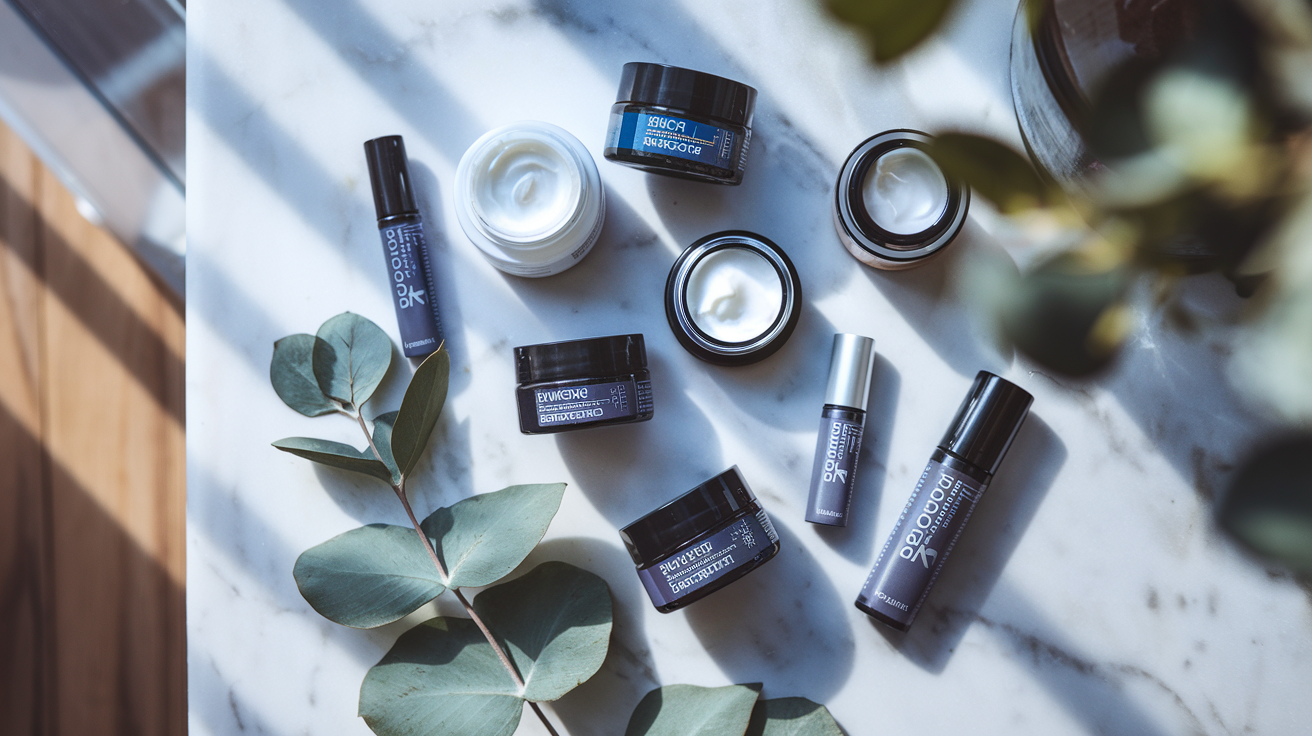
Antioxidants like vitamin C, vitamin E, green tea extract, and resveratrol also help protect against environmental stress, but they're bonuses, not deal-breakers. They're nice to have, but hydration and cell turnover matter more for visible improvement.
When Premium Eye Creams Are Worth The Splurge
Sometimes spending more actually makes sense. Here's when it might be worth it.
If you have specific concerns like deep-set lines or very crepey texture, advanced formulations with high-concentration peptides or encapsulated retinol might give you better results. Brands like SkinCeuticals, Revision, and SkinMedica invest heavily in clinical testing and use higher percentages of active ingredients.
Texture and experience matter if you're someone who won't use a product that feels greasy or pills under makeup. Luxury formulas often have better sensory experiences, which means you'll actually use them consistently. Consistency beats ingredients every time.
If you have extremely sensitive skin, premium formulas often undergo more extensive testing for irritation and use gentler delivery systems. You're paying for stability and compatibility, which can prevent reactions.
When you need something that works under makeup without balling up or creating a slippery base, high-end eye creams typically perform better. They're formulated to layer well with other products.
That said, you don't need to splurge on everything. Many people mix and match, using a budget retinol eye cream at night and a nicer hydrating one in the morning under makeup. There's no rule that says you need to pick one price point and stick with it.
The Real Verdict
Price and results don't have a direct relationship in eye cream. A $200 jar isn't automatically better than a $20 one. What matters is the ingredient list, concentration, and whether you'll actually use it every day.
Start by identifying what you want to address. If it's dryness and a tired look, a good hydrating cream with ceramides and hyaluronic acid at any price point will help. If you're targeting the appearance of fine lines, you need retinol or peptides, which you can find in both budget and luxury options.
Read the ingredient list, not the marketing copy. Check that actives are listed in the first five to seven ingredients, which usually means they're present in meaningful amounts.
Test affordable options first. If they work for you, great. If you're not seeing the improvement you want after eight to twelve weeks, then consider upgrading to a formula with higher concentrations or more advanced delivery systems.
And remember that affiliate one exists to help you cut through the confusion and find routines that actually make sense for your specific under-eye concerns, whether you're spending $15 or $150.
Your under-eye skin doesn't care about brand names. It cares about hydration, protection, and the right active ingredients delivered consistently over time. Sometimes that comes in a luxury package, and sometimes it comes from the drugstore shelf.