Disclosure: This post contains affiliate links. We may earn a commission at no extra cost to you.
Why Your Expensive Eye Cream Isn't Working: 7 Reasons You're Wasting Money
You've spent good money on that fancy eye cream promising smoother-looking skin. You apply it every night like clockwork. But weeks later, those fine lines are still staring back at you in the mirror. Sound familiar?
The problem usually isn't the cream itself. It's how you're using it. Most people make at least one of these seven common mistakes that sabotage their results before they even have a chance to see any benefits. Let's break down exactly what you might be doing wrong and how to fix it.
You're Using Too Much Product Per Application
More isn't better when it comes to eye cream. In fact, using too much can actually make things worse.
The skin around your eyes is incredibly thin and delicate. When you glob on a thick layer of product, it can't absorb properly. Instead, it just sits on the surface, potentially migrating into your eyes and causing puffiness or irritation.
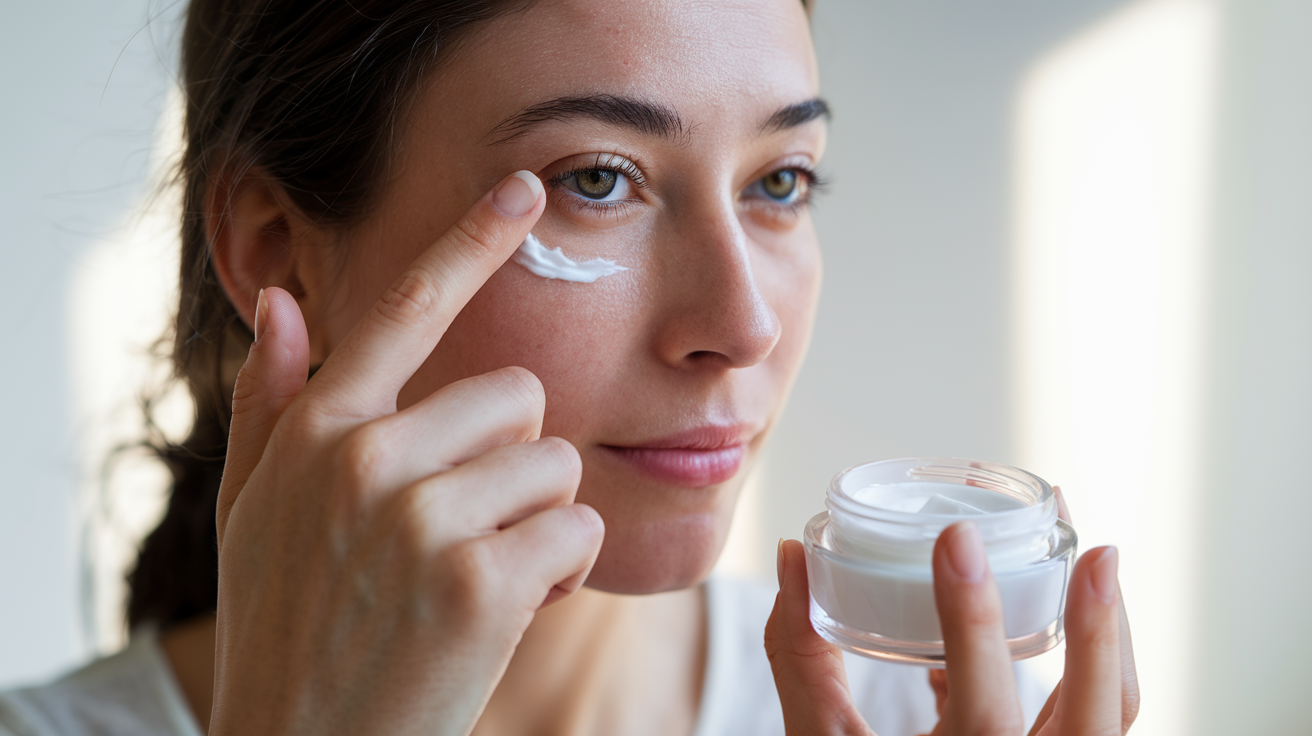
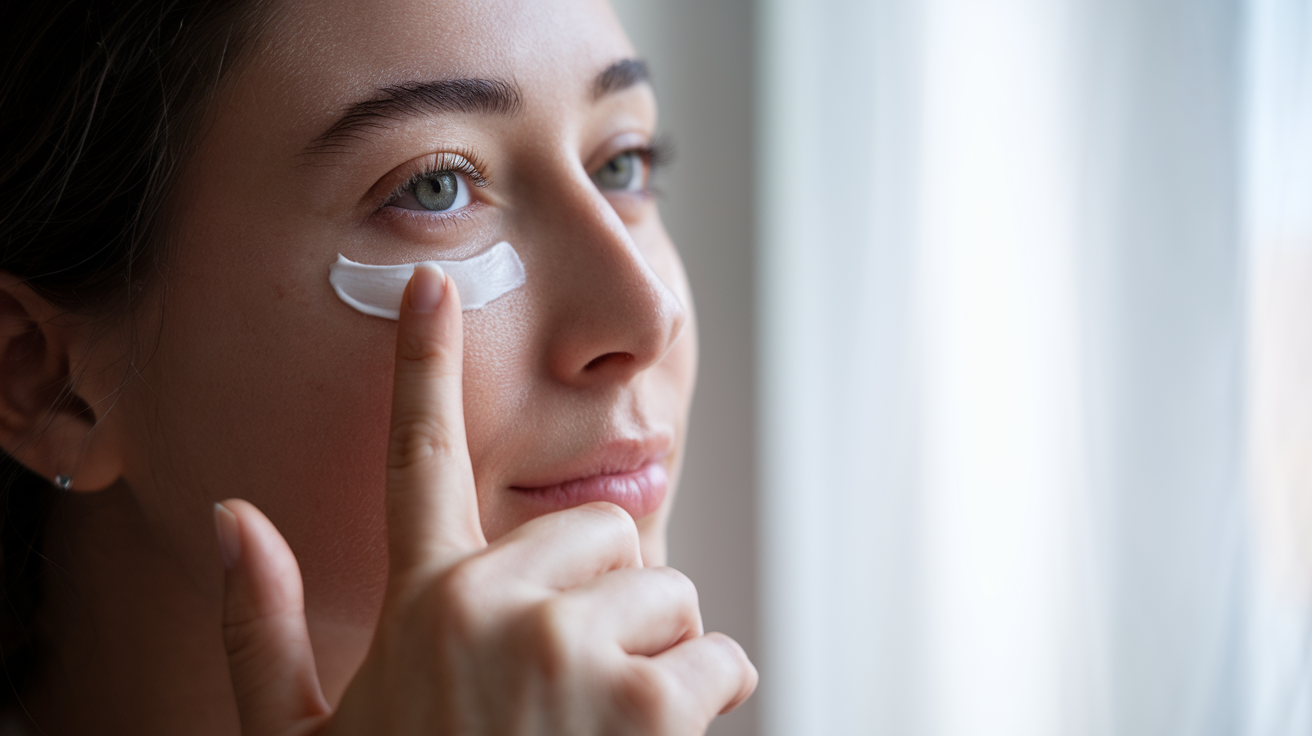
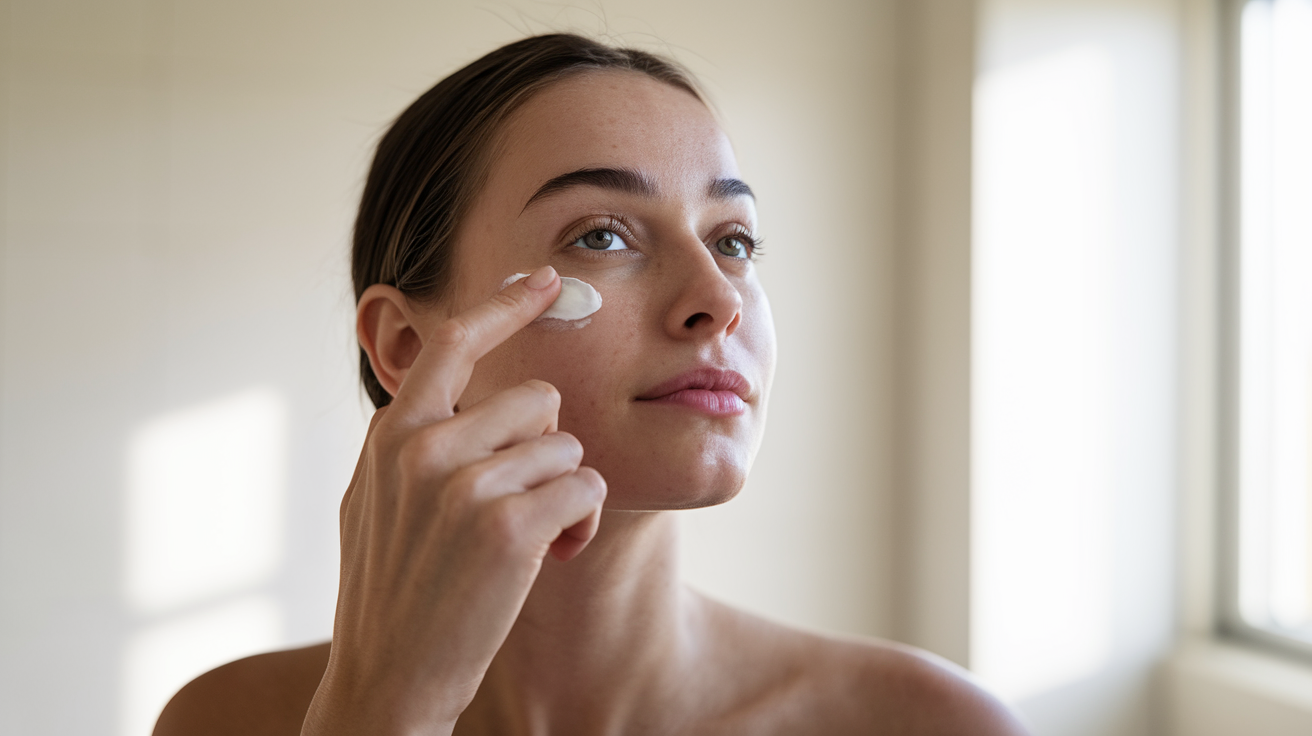
A rice grain-sized amount for both eyes is plenty. That's about half a grain per eye. Gently pat it on using your ring finger, which naturally applies the least pressure. If you're squeezing out a pea-sized dollop or more, you're using way too much and likely wasting half the jar.
This matters because overloading the area can also interfere with how the active ingredients penetrate. You want a thin, even layer that sinks in within a minute or two.
You're Not Storing Your Eye Cream Properly
Where you keep your eye cream matters more than you think.
Many active ingredients break down when exposed to light, heat, or air. If you're leaving your jar open on a sunny bathroom counter or next to a hot shower, you're essentially turning your expensive formula into an ineffective moisturizer.
Retinol, vitamin C, and peptides are particularly sensitive. Even if the product looks and smells the same, the potency can drop significantly with improper storage.
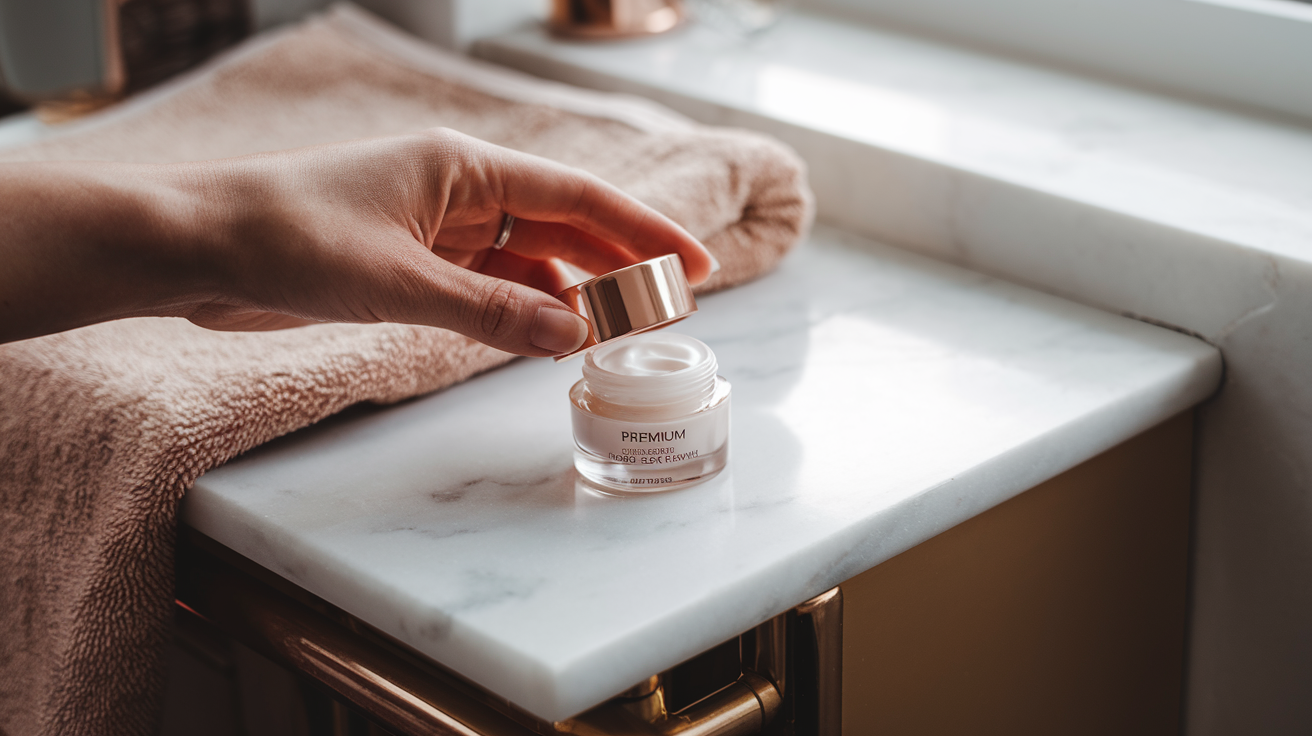
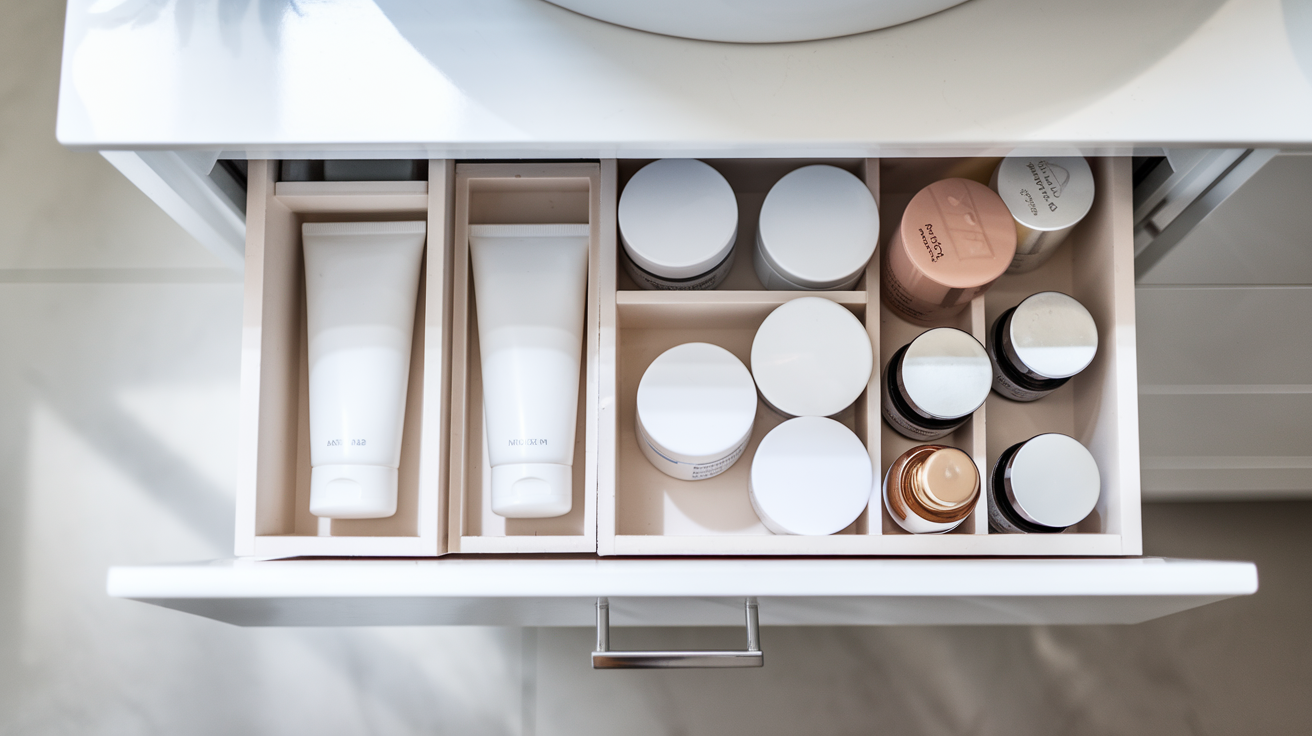
Keep your eye cream in a cool, dark place like a drawer or cabinet. If it came in a jar rather than a pump or tube, make sure you're closing it tightly after each use. Some people even store theirs in the fridge, which has the bonus benefit of feeling soothing and helping reduce the appearance of puffiness when applied cold.
You're Expecting Overnight Results From Active Ingredients
This is probably the biggest reason people think their eye cream isn't working.
Real changes to the look of your skin take time. Retinol needs at least 12 weeks of consistent use before you might notice smoother-looking texture. Peptides work gradually over months. Even hydrating ingredients need a few weeks to plump up the appearance of fine lines from chronic dryness.
If you're switching products every few weeks because you're not seeing dramatic changes, you're never giving anything a fair chance. You're also potentially irritating your skin by constantly introducing new formulas.
For genuine improvement in how your under-eye area looks, you need patience and consistency. Mark your calendar for three months out and commit to using the same product properly during that time. Then reassess.
Tired of seeing under-eye lines before you see yourself?
If the tiny creases under your eyes make you look more tired than you feel, this guide shows the simple under-eye routine that helps soften the look of dry lines, crepey texture, and tired skin without guessing or wasting weeks on random products.
You're Skipping SPF During the Day
Here's the hard truth: you can use the best eye cream in the world, but if you're not protecting that delicate skin from UV damage during the day, you're fighting a losing battle.
Sun exposure breaks down collagen and elastin, creating new fine lines faster than any cream can address the appearance of existing ones. The skin around your eyes has almost no natural oil glands and minimal melanin protection, making it especially vulnerable.
If your eye cream doesn't contain SPF, you need a separate sunscreen for that area. Look for mineral formulas with zinc oxide or titanium dioxide that won't sting if they migrate into your eyes.
Apply it every single morning, even on cloudy days, even if you're just working from home near a window. This one habit makes everything else you do for your eye area more effective.
You're Not Addressing Your Lifestyle Habits
No eye cream can fully compensate for habits that work against your skin.
Chronic poor sleep, dehydration, high sodium intake, smoking, and excessive alcohol consumption all contribute to how tired and puffy your eye area looks. If you're doing any of these regularly, even the most advanced formula will have limited impact.
Sleeping on your stomach or side can cause fluid to pool under your eyes overnight. Not drinking enough water means your skin can't stay plump and hydrated from the inside out. A diet high in salt causes water retention that shows up as puffiness.
You don't have to be perfect, but looking at these factors alongside your skincare routine gives you a much better chance of seeing the smoother-looking, less tired-looking results you want. Sometimes the issue isn't your cream at all—it's what's happening the other 23 hours of the day.
You're Choosing Based on Price Not Ingredients
Expensive doesn't always mean effective, and affordable doesn't mean inferior.
Many luxury eye creams are priced for the packaging, marketing, and brand prestige rather than the actual formula inside. Meanwhile, some drugstore options contain the same proven ingredients at much higher concentrations.
What actually matters is what's in the jar. Look for ingredients backed by research: retinol for smoother-looking texture over time, hyaluronic acid for hydration and plumper-looking skin, caffeine for temporary reduction in the appearance of puffiness, niacinamide for evening out skin tone, and peptides for supporting skin structure.
Check where these ingredients fall on the list. If they're near the end after a bunch of fillers and fragrances, they're probably not present in meaningful amounts. An affiliate one resource can help you decode labels and understand what to prioritize.
Don't get swayed by fancy jars or celebrity endorsements. Read the ingredient list and choose based on what will actually benefit your specific concerns.
You're Not Being Consistent With Application
Using your eye cream only when you remember, or just at night, or only a few times a week won't give you the results you're hoping for.
Consistency is everything. Active ingredients need regular application to build up in the skin and create visible improvement in texture and tone. Hydrating ingredients need to be replenished daily because the skin loses moisture constantly.
Set a routine and stick to it. Most dermatologists recommend applying eye cream twice daily: once in the morning under SPF and makeup, and once at night as part of your evening skincare routine.
If you keep forgetting, leave your eye cream right next to your toothbrush or set a phone reminder. Make it as automatic as brushing your teeth. After about three weeks, it becomes a habit that requires no extra thought.
If you're still struggling to figure out the right routine for your specific concerns, affiliate one breaks down exactly what to use and when for different under-eye issues.
The bottom line? Your expensive eye cream probably isn't the problem. How you're using it might be. Fix these seven common mistakes, give your product enough time to work, and you'll have a much better chance of seeing the smoother-looking, less tired-looking eye area you've been working toward.