Disclosure: This post contains affiliate links. We may earn a commission at no extra cost to you.
Can You Use Face Moisturizer Under Your Eyes? The Surprising Truth About Eye Cream vs Face Cream
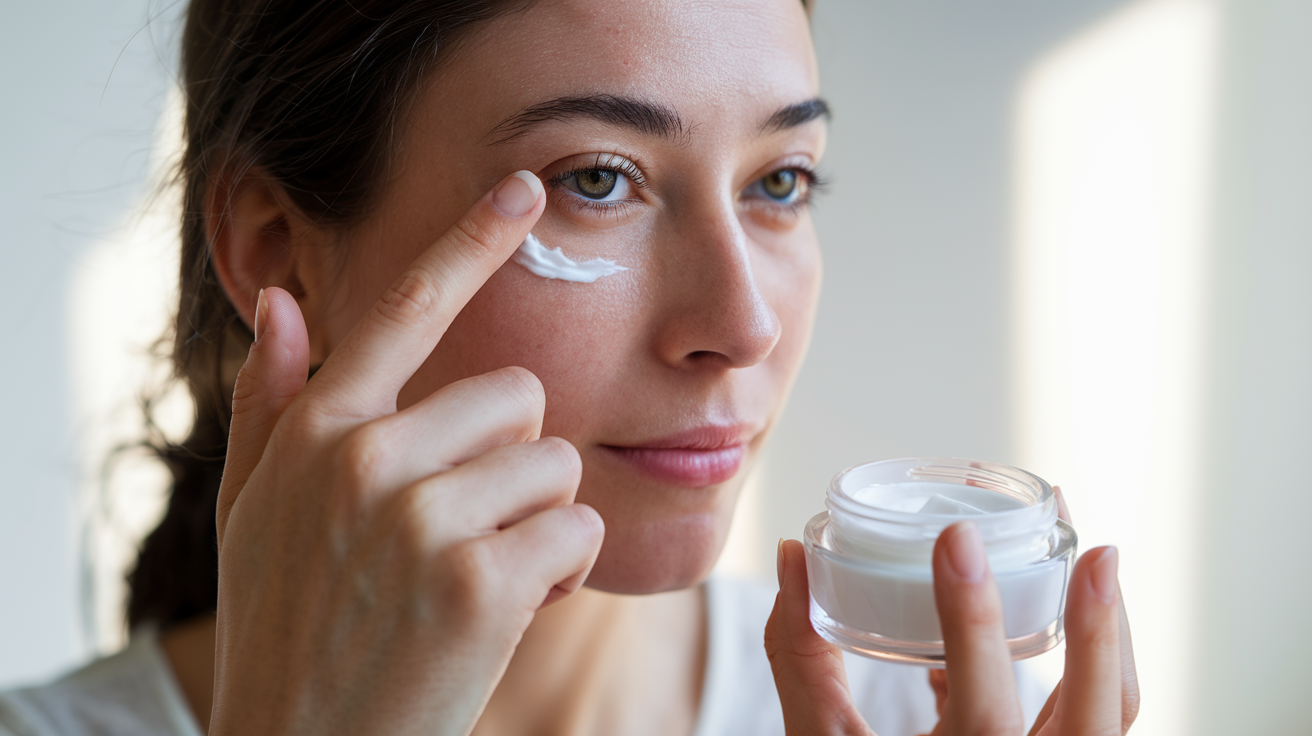
Ever stood in front of your bathroom mirror, face moisturizer in hand, wondering if you really need to buy a separate eye cream? You're not alone. The debate between eye cream and face moisturizer is one of the most common questions in skincare, and the answer isn't as simple as beauty brands would like you to think. While some dermatologists say eye cream is marketing hype, others insist the skin around your eyes needs special attention. So what's actually true?
Why the Skin Around Your Eyes Is Fundamentally Different
The skin under your eyes is about ten times thinner than the skin on your cheeks. That's not just a minor difference—it's a completely different playing field.
This delicate area has fewer oil glands, which means it produces less natural moisture and protective lipids. It also has less collagen and elastin support from the start, making it more prone to showing signs of aging earlier than the rest of your face.
Think about how much this area moves every day. You blink about 15,000 times daily, smile, squint, and rub your eyes when you're tired. All that movement combined with thinner skin means the under-eye area is working overtime without the same structural backup.
The under-eye zone is also more prone to fluid retention and darkening due to the concentration of blood vessels close to the surface. That's why puffiness and dark circles show up here first, even when the rest of your face looks fine.
Because this skin is so much thinner and more reactive, it can become irritated by ingredients that work perfectly well on your cheeks or forehead.
What Makes Eye Cream Formulations Unique
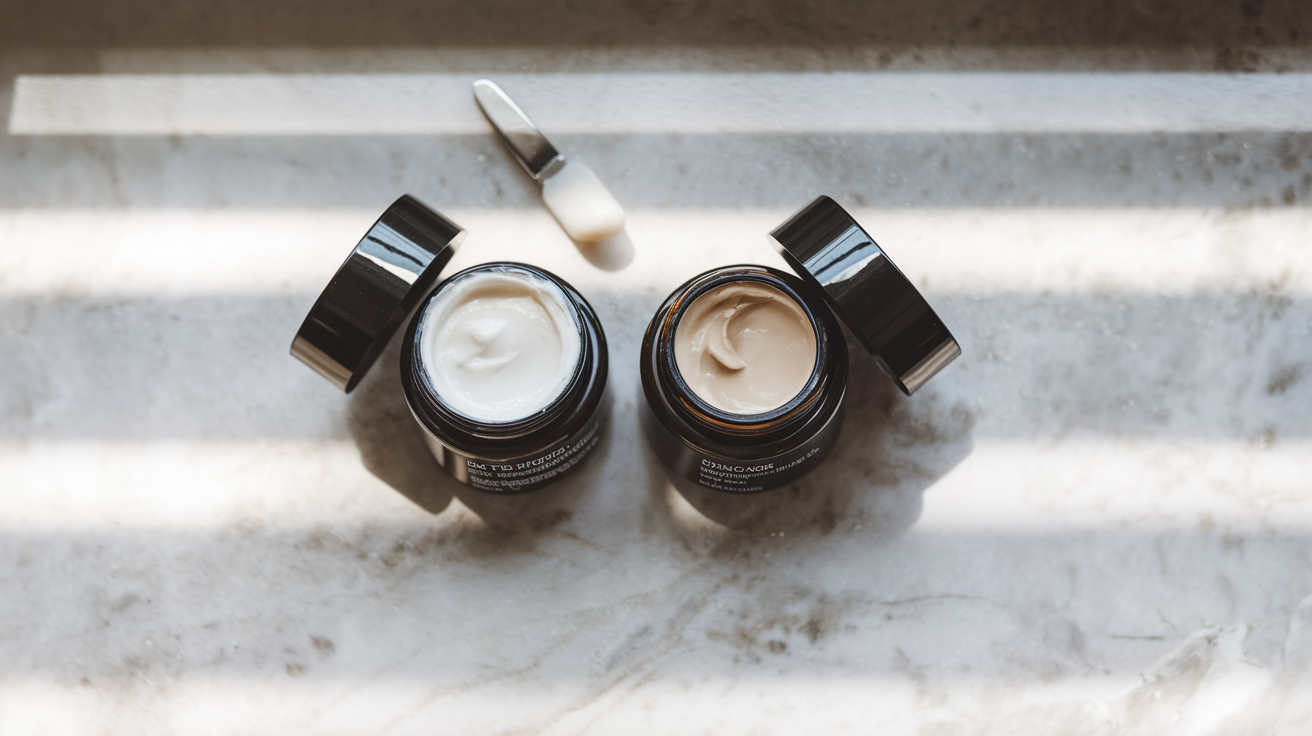
Eye creams aren't just face creams in smaller jars, though some lower-quality products might be. Well-formulated eye creams are designed with the unique needs of the under-eye area in mind.
Most eye creams use gentler concentrations of active ingredients. For example, a face cream might contain 1% retinol, while an eye cream uses 0.1% retinol or a gentler retinoid alternative like retinyl palmitate. This helps reduce the risk of irritation and flaking in such a sensitive zone.
Eye creams also tend to skip potentially irritating ingredients like strong fragrances, essential oils, and high levels of drying alcohols. These ingredients might be fine for your forehead but can cause stinging or redness around your eyes.
The texture matters too. Eye creams are often lighter and absorb faster than face moisturizers because the thin skin under your eyes can't handle heavy, occlusive formulas that might lead to milia—those tiny white bumps that form when pores get clogged.
Many eye creams include specific ingredients targeted at common under-eye concerns: caffeine for puffiness, vitamin K for dark circles, peptides for a smoother-looking texture, and hyaluronic acid for plumping hydration.
Tired of seeing under-eye lines before you see yourself?
If the tiny creases under your eyes make you look more tired than you feel, this guide shows the simple under-eye routine that helps soften the look of dry lines, crepey texture, and tired skin without guessing or wasting weeks on random products.
When Face Moisturizer Might Actually Damage Your Eye Area
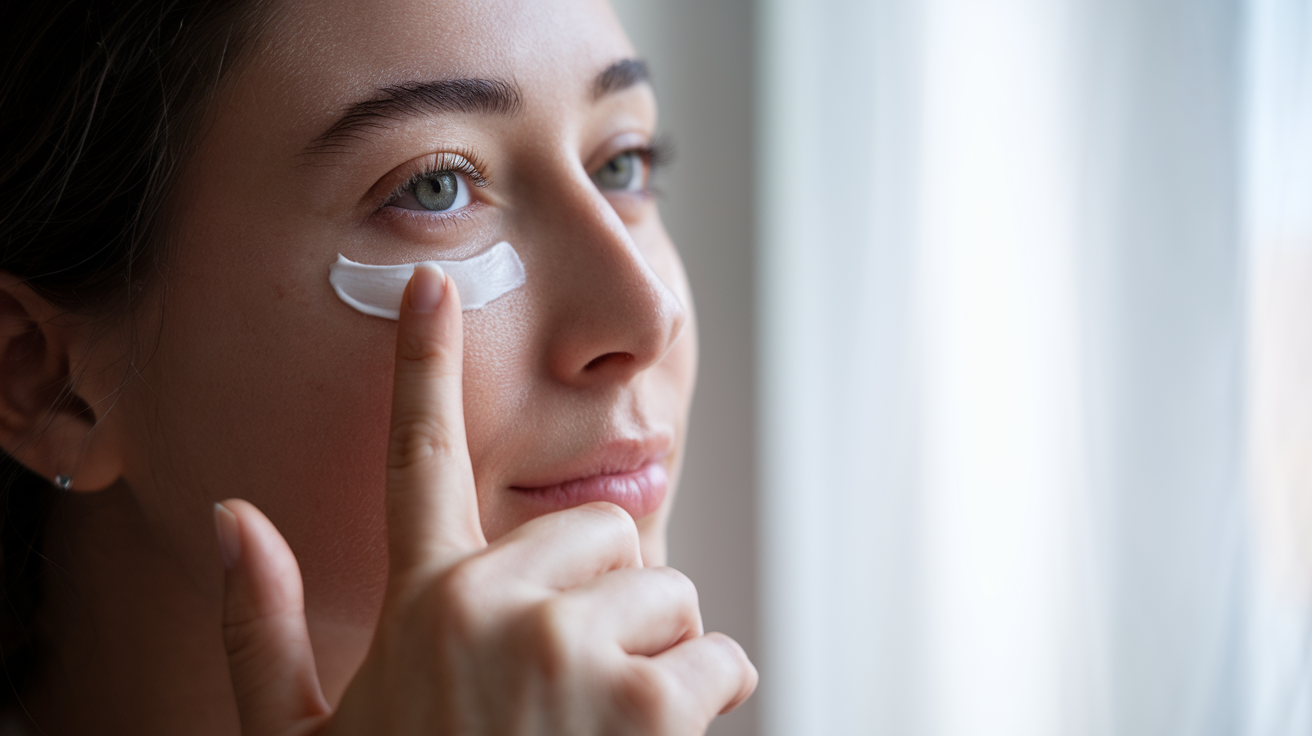
Using your face moisturizer under your eyes isn't always dangerous, but certain formulas can cause real problems in this delicate zone.
If your face cream contains active exfoliants like glycolic acid, salicylic acid, or high-strength retinol, applying it near your eyes can lead to irritation, redness, peeling, and increased sensitivity. The thin skin here simply can't tolerate the same strength of actives.
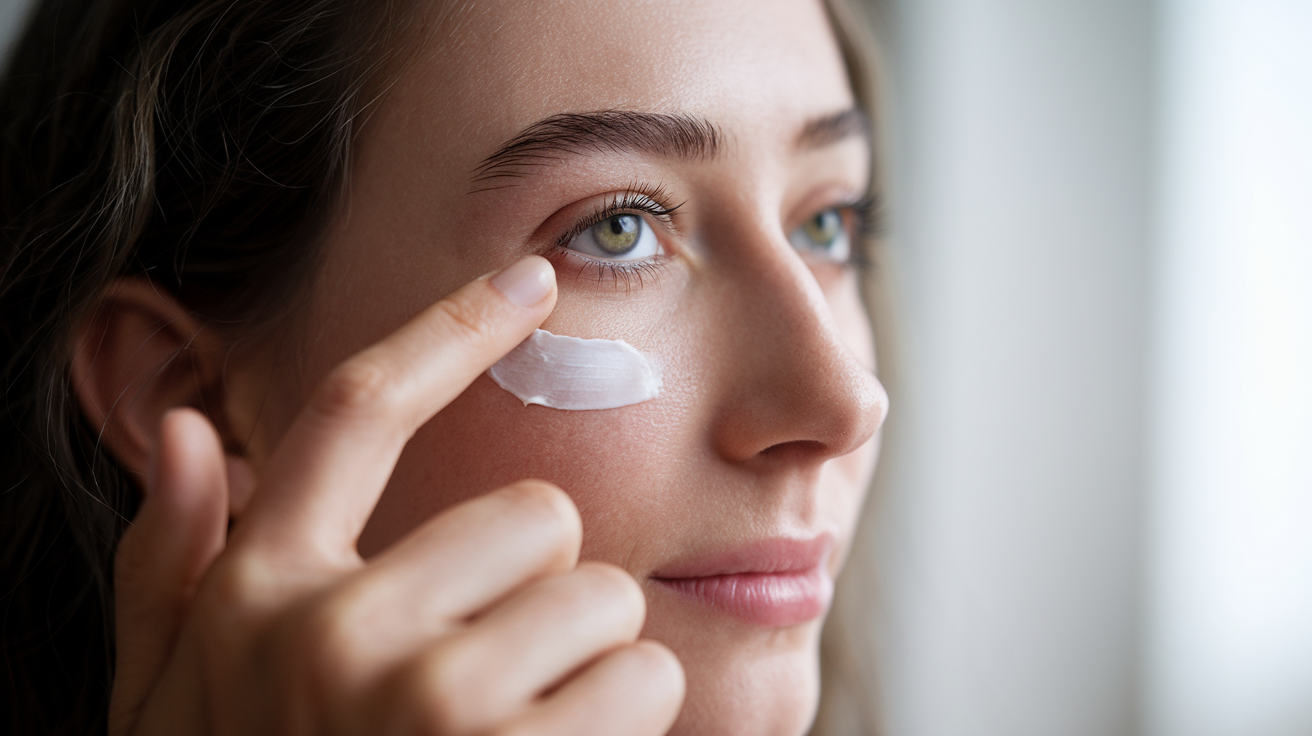
Heavy, oil-based moisturizers designed for dry skin types can migrate into your eyes overnight, causing blurry vision and puffiness in the morning. They can also clog the delicate pores around your eyes, leading to milia formation that requires professional extraction.
Fragranced moisturizers are another common culprit. What smells lovely on your cheeks can cause stinging and watering when it gets close to your eyes. The mucous membranes around your eyes are extremely sensitive to volatile fragrance compounds.
Even natural ingredients aren't always safe for the eye area. Essential oils like peppermint, eucalyptus, and citrus oils can be highly irritating when applied near your eyes, even though they're marketed as gentle and plant-based.
If you've been using face cream under your eyes and notice persistent redness, stinging, increased fine lines, or small white bumps, your moisturizer is likely too harsh for that area.
How to Choose Between Eye Cream and Face Moisturizer for Your Age
Your age and skin concerns should guide your decision about whether you need a dedicated eye cream or if your face moisturizer will do.
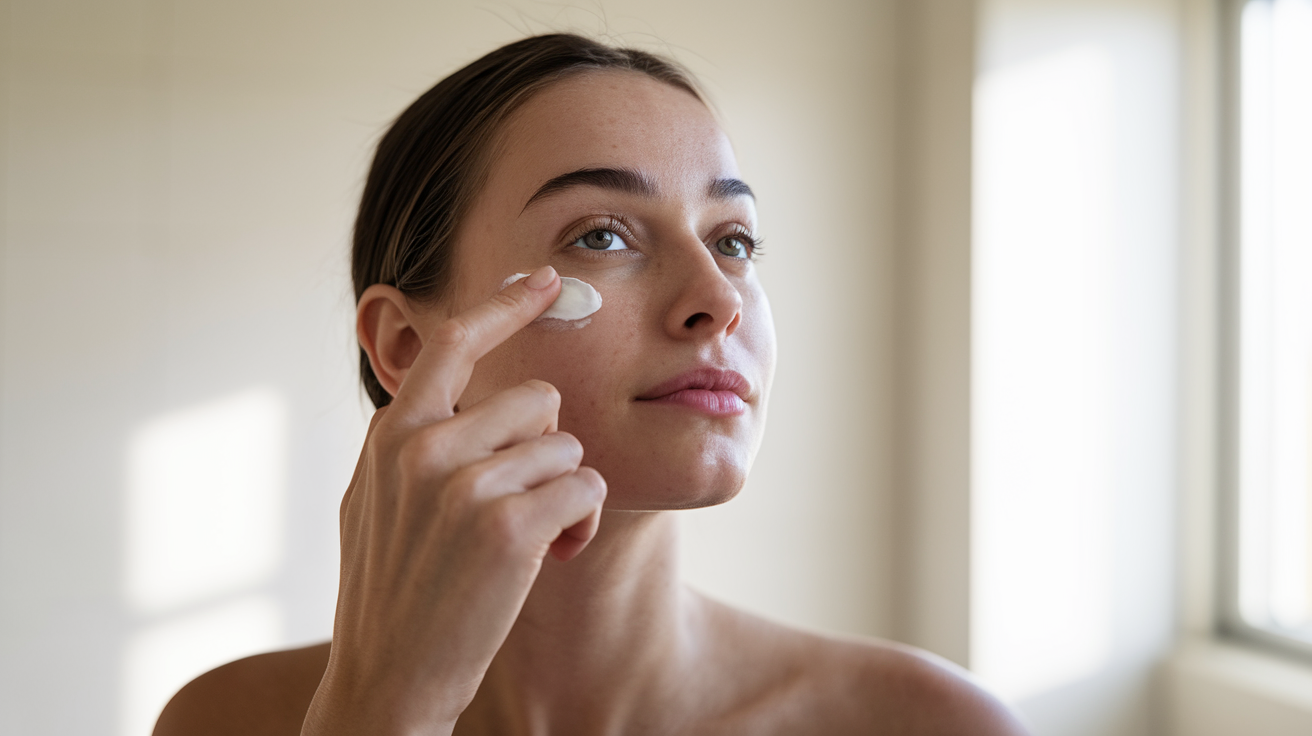
In your 20s, if you're using a gentle, fragrance-free face moisturizer without strong actives, you can probably use it around your eyes without issues. Focus on prevention with SPF during the day and consistent hydration at night. If you start noticing puffiness or want to address early fine lines, a basic hydrating eye cream with caffeine and peptides can help.
By your 30s, the skin under your eyes starts showing more visible changes. This is when most people benefit from switching to a dedicated eye cream, especially if you're incorporating retinol or acids into your face routine. Look for eye creams with gentle retinoids, antioxidants, and hydrating ingredients that can help reduce the appearance of early expression lines without irritation.
In your 40s and beyond, an eye cream becomes even more important. The under-eye area loses volume and elasticity faster than the rest of your face, leading to deeper-looking lines and crepey texture. At this stage, you'll want richer eye creams with peptides, ceramides, and nourishing oils that support the look of thinner, more fragile skin. For comprehensive guidance on building an effective routine, check out this affiliate one for more targeted strategies.
That said, skin age matters more than chronological age. If you have naturally thin or sensitive under-eye skin, you might benefit from eye cream earlier. If your skin is thick and resilient, you might get away with using a gentle face moisturizer longer.
The bottom line? If your face moisturizer contains any actives, fragrances, or irritating ingredients, keep it away from your eyes and invest in a proper eye cream. If you're using a basic, gentle hydrator and your under-eye area looks and feels fine, you can probably skip the separate product. But once you start seeing dryness, fine lines, or irritation, it's time to make the switch.
Pay attention to how your skin responds. If you wake up with puffy eyes, notice stinging during application, or see your makeup creasing more throughout the day, those are signs your current routine isn't working for your eye area. A well-chosen eye cream can make a noticeable difference in how smooth and rested your under-eye skin looks over time. For more details on selecting the right products for your specific concerns, explore this affiliate one to help guide your choices.
Remember, skincare isn't one-size-fits-all. What works beautifully for someone else might not suit your skin, and that's completely normal. Listen to your skin, be patient with new products, and don't be afraid to adjust your routine as your needs change.