Disclosure: This post contains affiliate links. We may earn a commission at no extra cost to you.
What Eye Cream Consistency Works Best for Your Under Eye Concerns
Published July 16, 2026
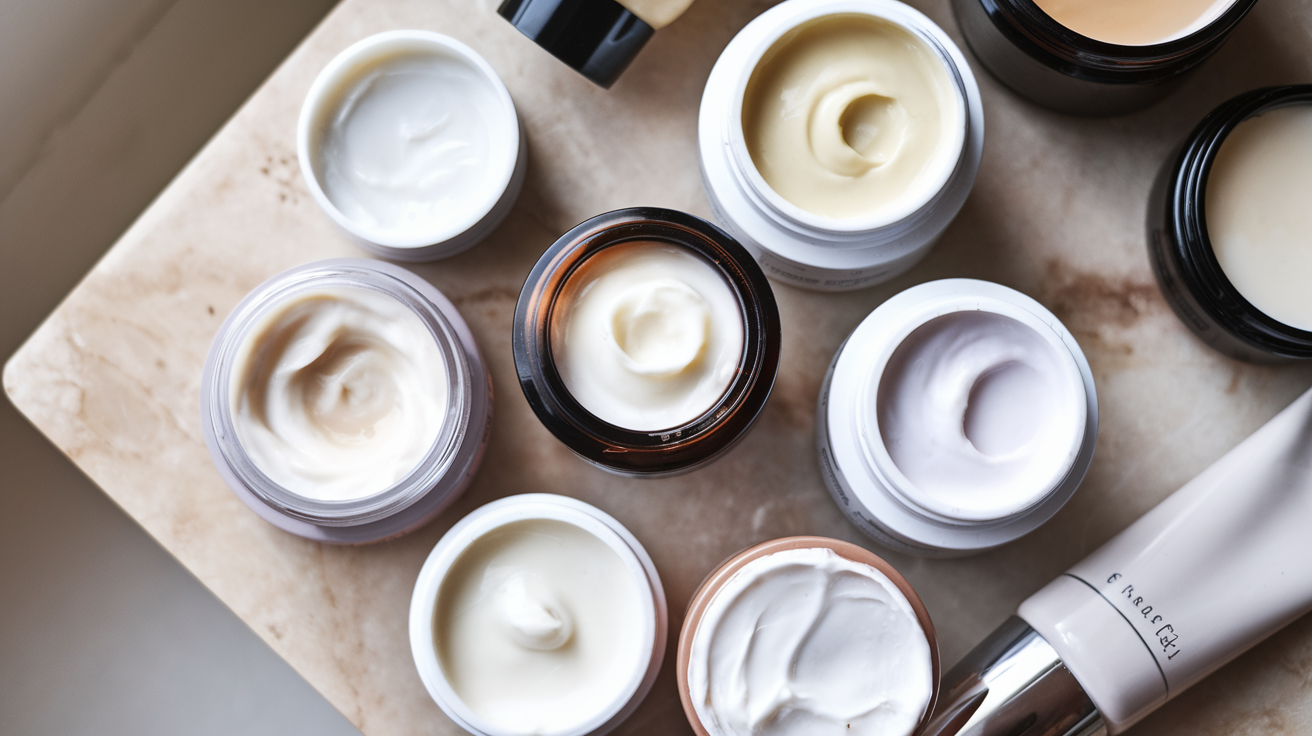
Have you ever noticed how some eye creams feel like water while others feel like thick butter? That texture isn't random. The consistency of your eye cream actually determines how it works with your specific under-eye concerns. If you've been choosing eye cream based on brand or price instead of texture, you might be missing the formula that works best for your skin.
The thin skin under your eyes needs different support depending on whether you're dealing with puffiness, dryness, fine lines, or crepey texture. A gel that helps with morning swelling won't do much for severe dryness. A heavy balm that rescues parched skin might feel too thick if you just need something light for layering. Understanding consistency helps you match the right product to your actual concern.
Lightweight Gel Eye Creams: Best for Puffiness and Morning Use
Gel eye creams feel cool and almost weightless. They absorb quickly and leave no residue. This makes them ideal for morning routines when you need something that won't interfere with concealer or when your under-eyes look swollen after sleep.
The water-based texture helps refresh tired-looking eyes without adding heaviness. Many gel formulas contain caffeine or cooling botanicals that can temporarily help the skin look less puffy. They work well if your main concern is waking up with under-eye bags or if you live in a humid climate where heavier creams feel uncomfortable.
Gels also layer beautifully under sunscreen and makeup. If you follow a multi-step routine, a gel consistency won't pill or feel sticky when you apply other products on top. They're especially useful during warmer months when your skin doesn't need as much occlusion.
The downside? Gels typically don't provide long-lasting moisture. If your under-eye area feels tight or shows visible dryness, a gel alone won't give you the nourishment you need. Save these for days when hydration isn't your biggest worry.
Rich Cream Textures: Intensive Hydration for Crepey Skin
Rich creams have a thicker, more emollient feel. They take longer to absorb and leave a slight protective layer on the skin. This texture works beautifully for mature skin or anyone dealing with crepey under-eye texture that needs serious moisture support.
These formulas usually contain nourishing ingredients like shea butter, peptides, ceramides, or plant oils. The thicker consistency helps soften the appearance of fine lines caused by dryness and can make the under-eye area look smoother over time with consistent use.
If you've noticed your concealer settling into lines or your under-eye skin looking papery, a rich cream texture can help. The extra emollience plumps the skin's surface with hydration, which may reduce the appearance of tired, crepey texture.
Tired of seeing under-eye lines before you see yourself?
If the tiny creases under your eyes make you look more tired than you feel, this guide shows the simple under-eye routine that helps soften the look of dry lines, crepey texture, and tired skin without guessing or wasting weeks on random products.
Rich creams work best at night when you don't need to apply makeup afterward. They give your skin hours to absorb the nourishing ingredients while you sleep. In the morning, you might prefer something lighter unless your skin is extremely dry.
One caution: if you're prone to milia (tiny white bumps under the eyes), very rich creams can sometimes contribute to congestion. Use them sparingly and focus on the driest areas only.
Serum-Like Formulas: Fast Absorption for Layering Routines
Serum-consistency eye products feel silky and fluid. They're thinner than creams but more substantial than gels. This texture absorbs quickly and works well when you want to layer multiple products without heaviness.
These formulas often contain active ingredients like retinol, vitamin C, niacinamide, or hyaluronic acid in a lightweight base. The thin consistency allows actives to penetrate efficiently without sitting on the surface. If you're using targeted ingredients to address specific concerns, a serum texture delivers them effectively.
Serum-like eye products work well morning and night. They don't interfere with other skincare steps and they layer smoothly under sunscreen, moisturizer, or makeup. Many people use an affiliate one approach that includes a serum texture in the morning and a richer cream at night for balanced hydration.
The lightweight feel also makes serums less likely to migrate into your eyes. If you've experienced stinging or irritation from heavier eye creams, a serum consistency might feel more comfortable.
Keep in mind that serums focus more on delivering actives than on providing heavy moisture. Pair them with a hydrating layer if your skin needs both treatment and nourishment.
Balm Consistencies: Maximum Moisture for Severe Dryness
Eye balms are the thickest option. They have a solid or semi-solid texture that melts on contact with skin. Balms create a protective barrier that locks in moisture and prevents water loss overnight.
If your under-eye area feels constantly tight, flaky, or uncomfortable, a balm consistency provides the most intensive moisture support. These formulas usually contain oils, waxes, and butters that coat the skin and prevent dehydration.
Balms work best as the final step in your nighttime routine. Apply them after serums and lighter creams to seal everything in. The occlusive texture helps other products work more effectively by preventing evaporation.
They're especially helpful during winter months, on flights, or in dry climates where the air strips moisture from your skin. If you wake up with under-eye skin that looks less tired and feels softer, the balm is doing its job.
The thick texture isn't practical for daytime use under makeup. Balms can feel greasy and cause concealer to slide around. Save them for bedtime when your skin can absorb the nourishment without interruption.
Some people use balms as a weekly treatment rather than daily. You can apply a thick layer as an overnight mask to give severely dry under-eyes an intensive moisture boost.
Matching Consistency to Your Routine
Your ideal eye cream consistency might change with the seasons, your age, or your current skin condition. Many people keep two textures on hand: a lighter option for morning and a richer one for night.
Pay attention to how your under-eye area feels throughout the day. If it looks puffy in the morning, reach for a gel. If it feels tight by afternoon, you need more moisture. If makeup settles into lines, try a richer cream the night before.
The best texture is the one you'll actually use consistently. If a heavy balm feels uncomfortable, you won't apply it regularly. If a gel doesn't give you enough hydration, you'll see continued dryness. Finding the right consistency makes your affiliate one routine more effective because you're addressing your specific concern with the appropriate texture.
Start by identifying your primary under-eye concern, then choose the consistency that supports that issue. Your skin will show you what works through how it looks and feels each day. Consistency in both texture and application is what helps you see smoother-looking, less tired-looking eyes over time.