Disclosure: This post contains affiliate links. We may earn a commission at no extra cost to you.
7 Dermatologist-Approved Ways to Reduce Under Eye Bags and Puffiness
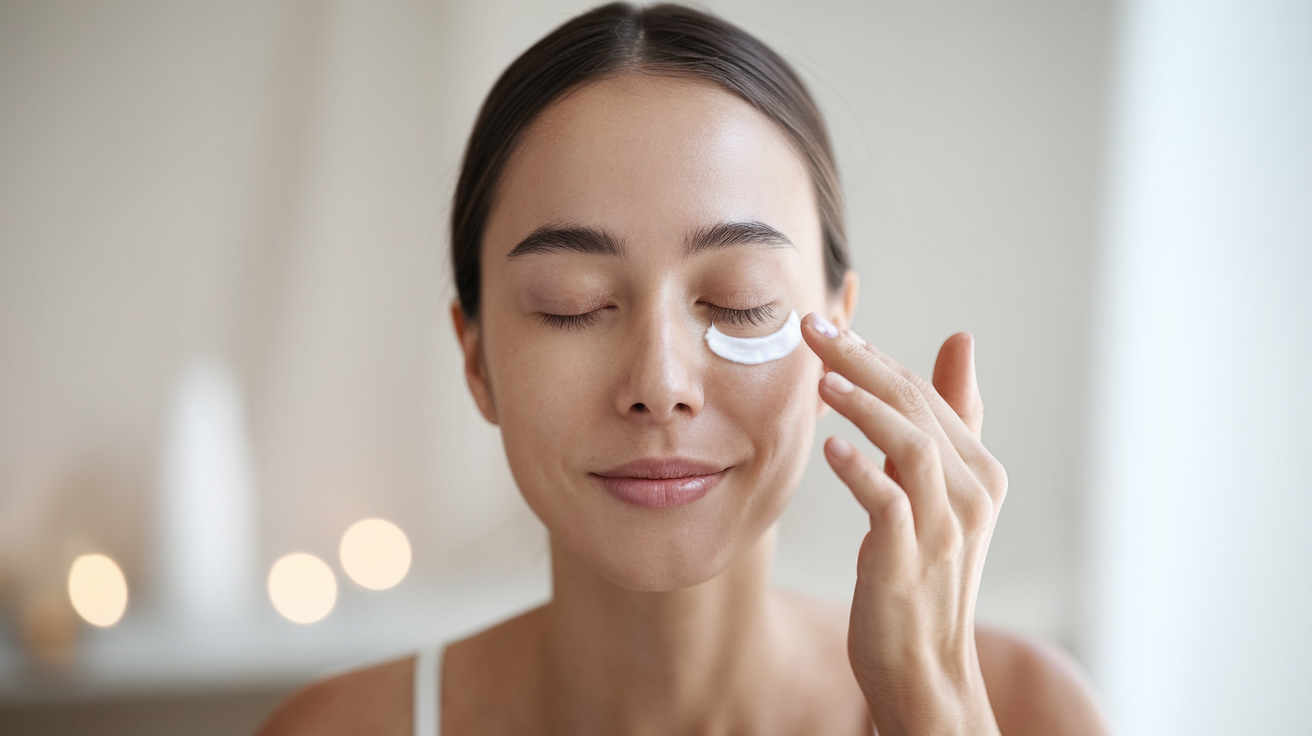
Ever look in the mirror first thing in the morning and wonder who replaced your eyes with puffy marshmallows? You're not alone. Under eye bags and puffiness are one of the most common skincare complaints dermatologists hear, and the good news is that there are actually proven ways to tackle them.
Whether you're dealing with occasional morning puffiness or chronic under eye bags that make you look perpetually tired, understanding what causes them and how to treat them effectively can make a real difference in your appearance. Let's dive into the dermatologist-approved strategies that actually work.

What Causes Under Eye Bags and Puffiness
Before we jump into solutions, it's important to understand what's actually happening under your skin. Under eye bags occur when the tissues around your eyes weaken and sag, allowing fat to push forward. Puffiness, on the other hand, is typically caused by fluid retention in the delicate skin beneath your eyes.
Common culprits include aging (as we lose collagen and elastin), genetics, allergies, lack of sleep, excess salt intake, and even sleeping position. Sometimes it's a combination of factors working against you.
The skin under your eyes is the thinnest on your entire body, which means it shows signs of aging and stress faster than anywhere else. Understanding your specific triggers can help you choose the most effective treatment approach.
Cooling Eye Treatments That Actually Work
There's a reason cold compresses have been used for decades – they actually work. Cold temperature constricts blood vessels and reduces inflammation, which can significantly decrease puffiness.
Try keeping a pair of metal spoons in your refrigerator overnight and placing them over your eyes for 10-15 minutes in the morning. You can also use chilled cucumber slices, cold tea bags (the caffeine helps too), or invest in a reusable gel eye mask that you keep in the fridge.
Ice rollers have become increasingly popular, and dermatologists confirm they're not just a trend. Rolling a cold tool from the inner corner of your eye outward can help drain excess fluid while stimulating circulation.
The Best Eye Cream Ingredients for Reducing Puffiness
Not all eye creams are created equal. Dermatologists recommend looking for specific ingredients that target the underlying causes of bags and puffiness.
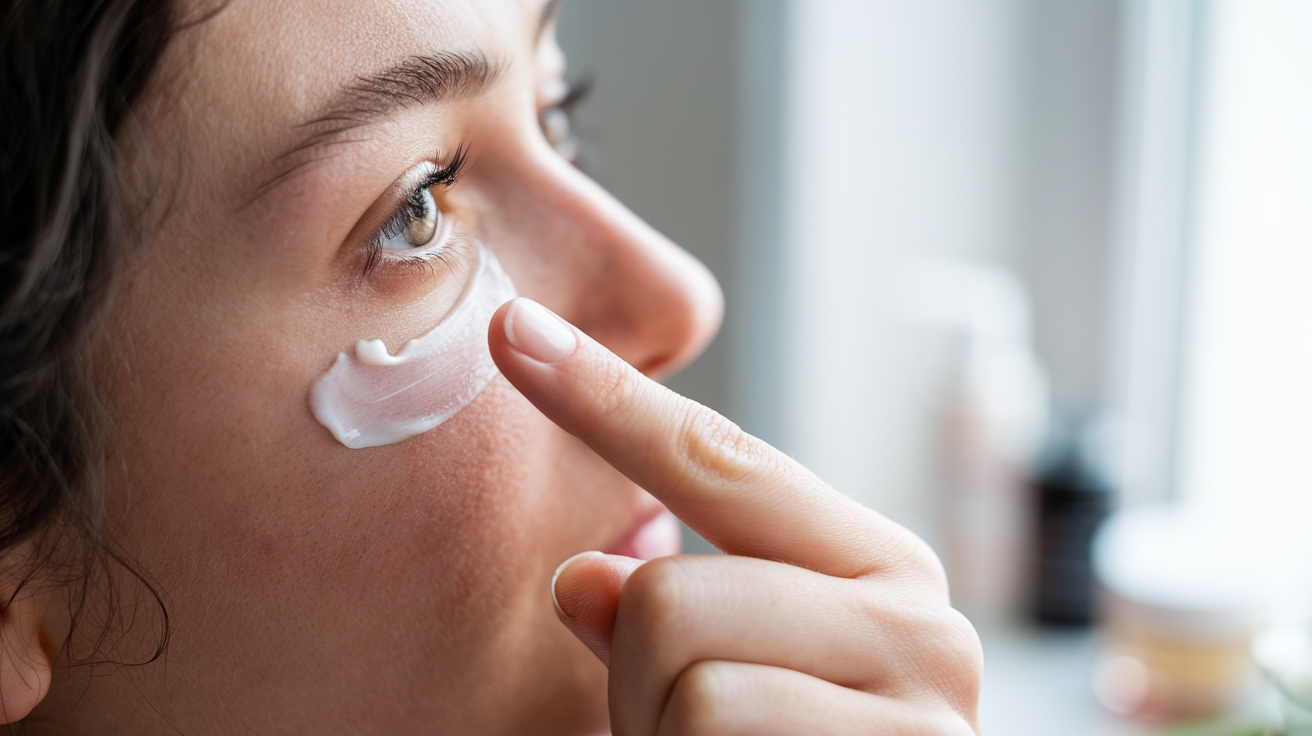
Caffeine is a powerhouse ingredient that constricts blood vessels and reduces fluid buildup. Peptides help strengthen the skin structure and boost collagen production. Hyaluronic acid hydrates without adding heaviness, while niacinamide reduces inflammation and brightens dark circles that often accompany bags.
If you want to learn more about choosing effective anti-aging ingredients, check out this affiliate one for comprehensive information.
Retinol can also be beneficial for under eye bags by thickening the skin over time, but it needs to be used carefully in this delicate area. Start with a low concentration and use it only a few times per week.
Want more tips? Join our free newsletter
Lifestyle Changes That Minimize Under Eye Bags
Sometimes the most effective solutions don't come in a bottle. Simple lifestyle adjustments can dramatically reduce chronic puffiness.
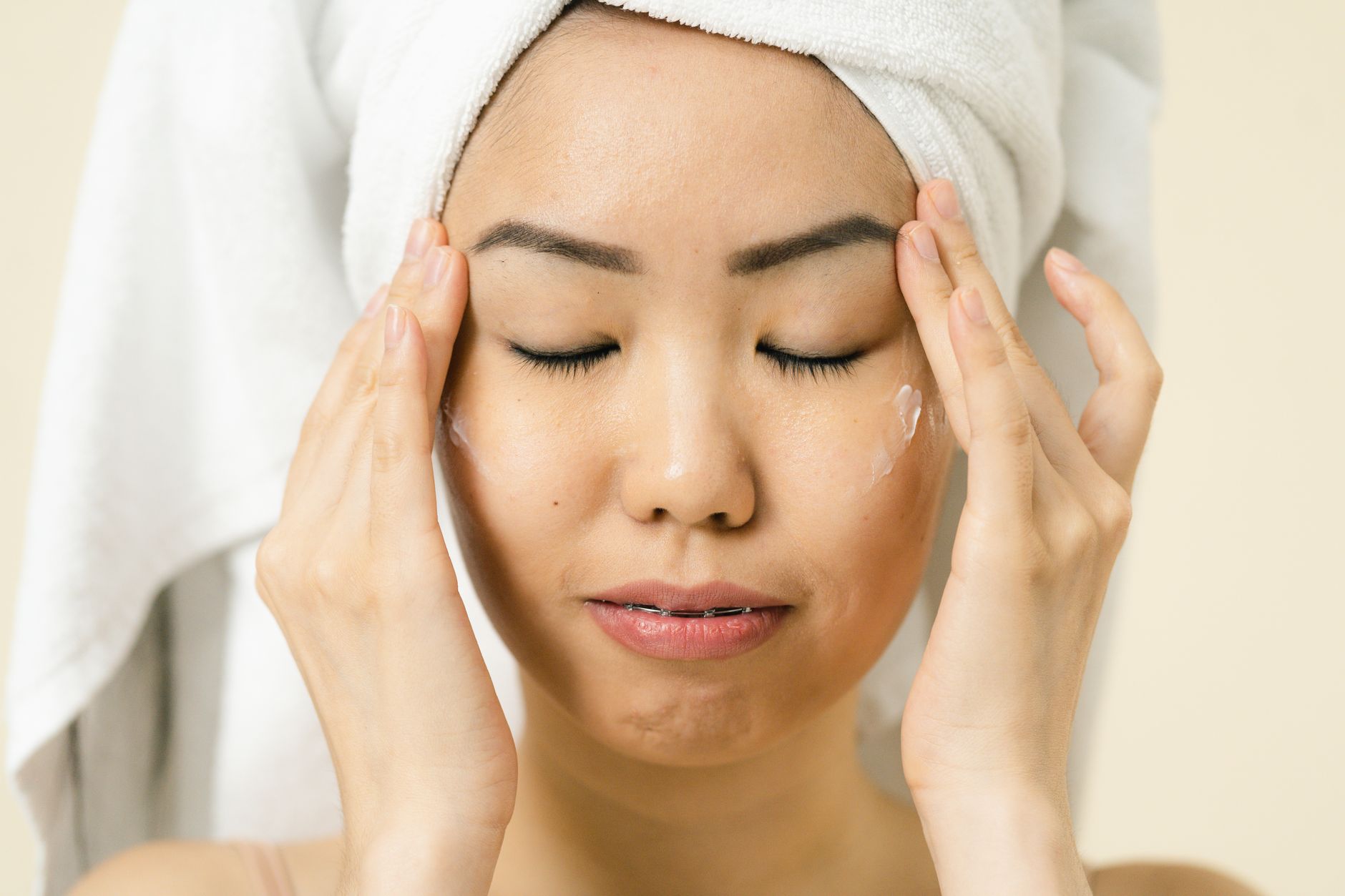
Sleep position matters more than you'd think. Sleeping on your back with your head slightly elevated prevents fluid from pooling under your eyes overnight. Reduce sodium intake, especially in the evening, as excess salt causes water retention.
Stay hydrated throughout the day – paradoxically, dehydration can actually cause puffiness as your body tries to retain water. Limit alcohol consumption, which dehydrates skin and causes inflammation.
Managing allergies is crucial. If seasonal allergies trigger your puffiness, work with your doctor to find an effective antihistamine or treatment plan.
Professional Treatments vs At-Home Remedies
While at-home treatments can be very effective, sometimes professional intervention delivers faster or more dramatic results.
At-home remedies like cold compresses, eye creams, and lifestyle changes work best for mild to moderate puffiness and can show improvement within weeks. They're cost-effective and have minimal risk.
Professional treatments include options like radiofrequency therapy, which tightens skin, and dermal fillers, which can smooth the transition between the under eye area and cheeks. For severe bags, blepharoplasty (eyelid surgery) removes excess fat and skin, providing permanent results.
Dermatologists typically recommend starting with conservative at-home approaches first, then considering professional treatments if you're not seeing the results you want.
How to Choose the Right Eye Cream for Bags
Walking down the skincare aisle can be overwhelming with hundreds of eye cream options. Here's how to narrow it down.
First, identify your primary concern. Are you dealing with puffiness, bags, dark circles, or all three? Look for products that specifically target your issues with proven ingredients.
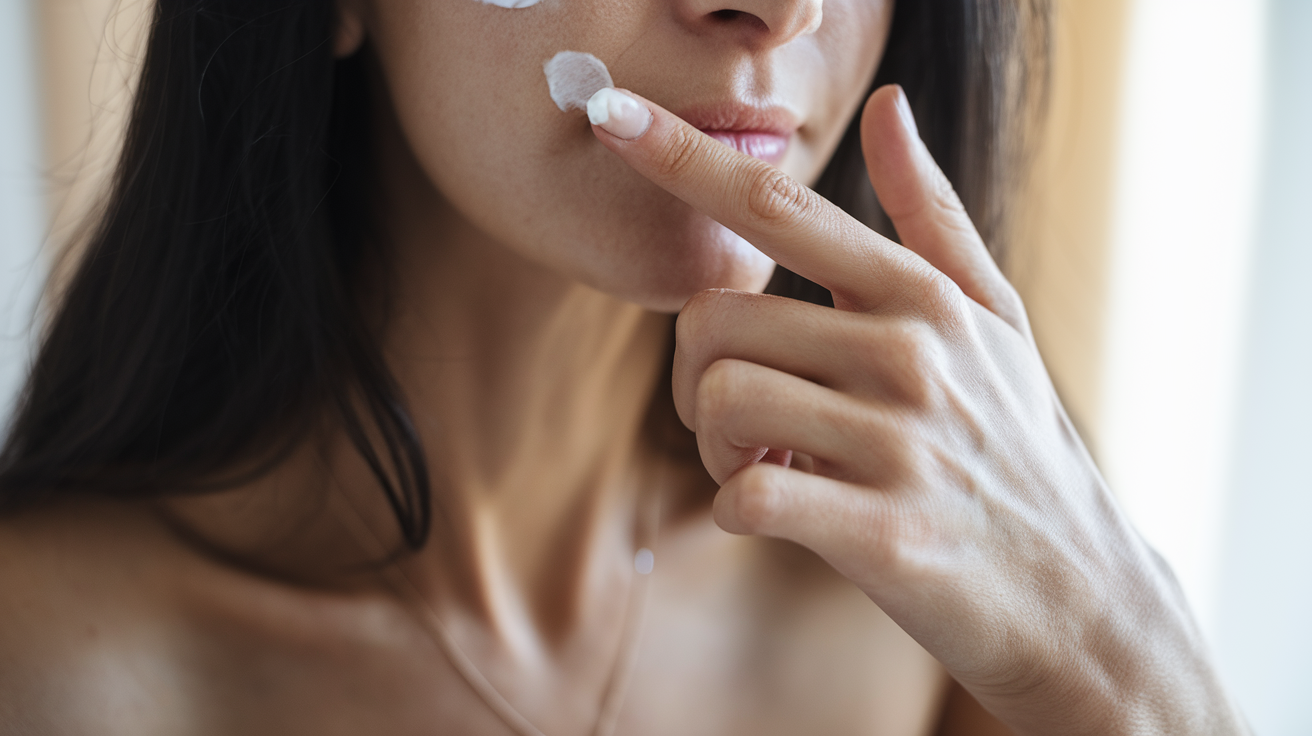
Consider your skin type. If you have sensitive skin, avoid heavily fragranced products and potential irritants. For dry skin, look for richer formulations with ceramides and hyaluronic acid.
This affiliate one can help you navigate the best options for your specific needs and skin type.
Pay attention to packaging too. Eye creams in pump or tube dispensers are more hygienic and preserve ingredient potency better than jars.
Morning Routine Tips to Deflate Puffy Eyes
Your morning routine can make or break how your under eye area looks for the rest of the day.
Start by splashing your face with cold water as soon as you wake up. While you're doing your other morning activities, apply a cooling eye gel or mask from the fridge.
Use a gentle tapping motion to apply eye cream rather than rubbing, which can irritate the delicate skin. Tap from the inner corner outward to encourage lymphatic drainage.
Consider doing some facial exercises or gua sha massage to promote circulation and fluid movement. Even five minutes can make a noticeable difference.
Finally, give your products time to absorb before applying makeup. Rushing this step can lead to creasing and make puffiness more noticeable rather than less.
The key to reducing under eye bags and puffiness is consistency. These dermatologist-approved methods work, but they require regular application and patience. Start with the easiest changes first, then build from there. Your eyes will thank you.