Disclosure: This post contains affiliate links. We may earn a commission at no extra cost to you.
What Your Eye Cream's Texture Says About Its Effectiveness
Published July 2, 2026
Have you ever squeezed out your eye cream and wondered if the texture actually matters? Maybe you've used a thick, buttery formula that felt luxurious but didn't seem to do much. Or perhaps you tried a lightweight gel that absorbed quickly but left you questioning whether it was really working.
The truth is, texture isn't just about how a product feels. It can tell you a lot about what's inside, how it delivers active ingredients, and whether it's truly suited to your specific under-eye concerns. Let's break down what different eye cream textures mean for your skin and how to choose the right one.
Gel vs Cream: Which Texture Works Best for Your Concerns
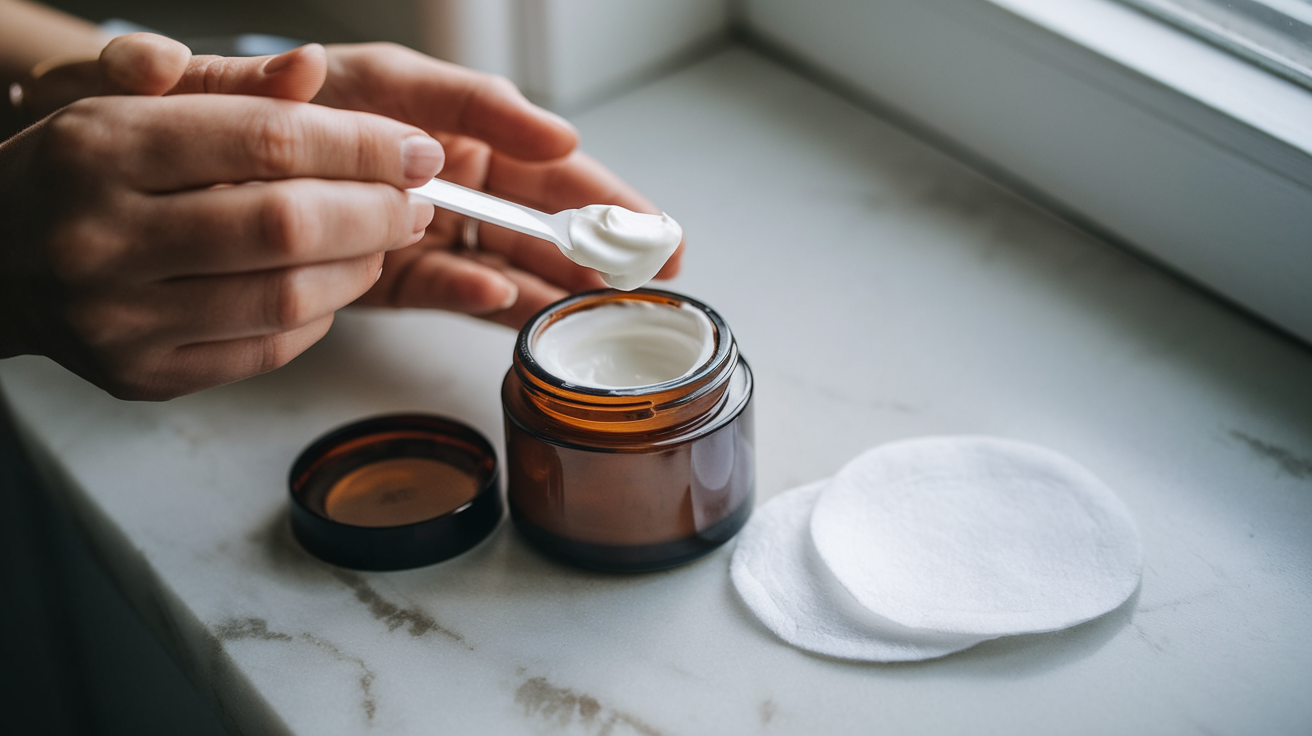
Gel and cream textures serve very different purposes, and understanding the difference can help you target your specific under-eye issues more effectively.
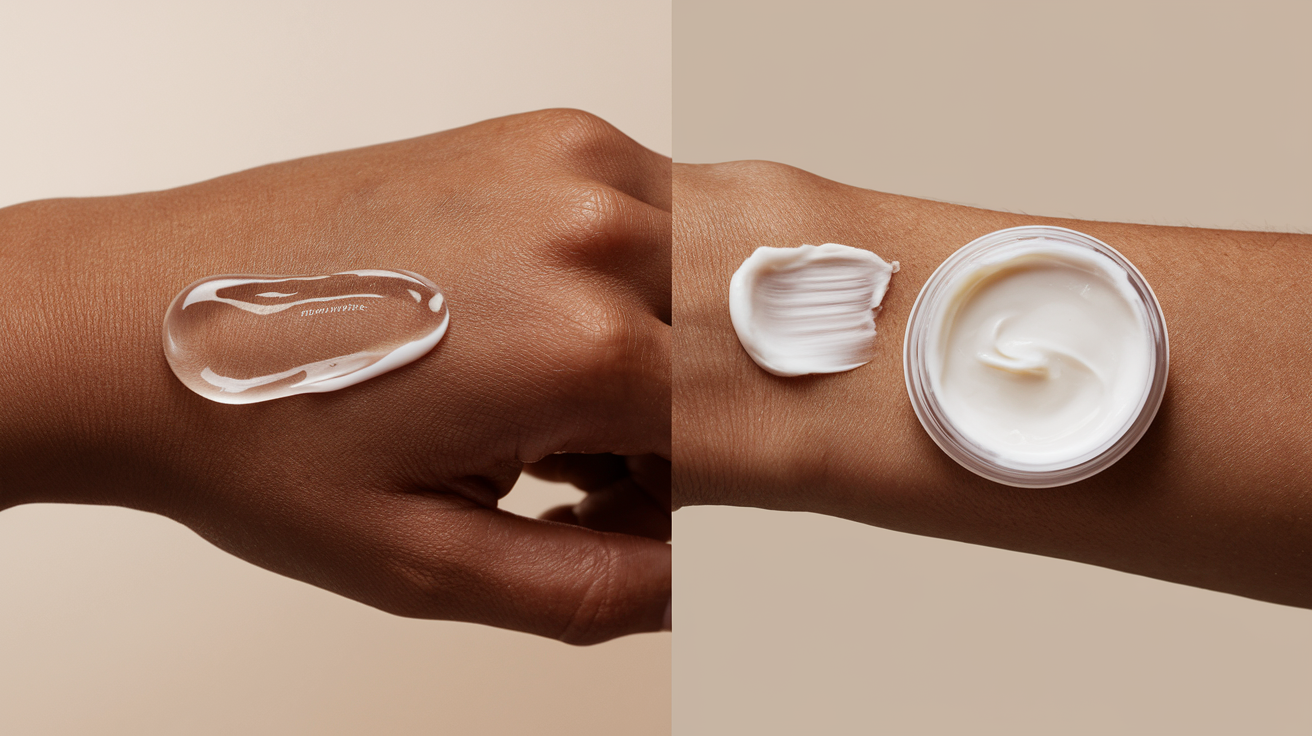
Gel eye creams tend to be water-based and absorb quickly into the skin. They're typically lighter in weight and feel cooling on contact. This texture works well for concerns like puffiness and mild dark circles because gels often contain ingredients that help with fluid drainage and circulation. If you wake up with under-eye bags or notice swelling throughout the day, a gel formula might be your best match.
Cream textures, on the other hand, are usually oil-based or contain a higher concentration of emollients. They sit on the skin longer and create more of a barrier. This makes them better suited for dryness, fine lines, and crepey texture. If your under-eye area feels tight, looks papery, or if makeup settles into creases, a cream formula can provide the moisture and plumping effect that helps skin look smoother.
One thing to keep in mind: gels may feel like they're doing less because they disappear so quickly, but that doesn't mean they're ineffective. Similarly, thick creams can feel nourishing without actually addressing the deeper concerns you're trying to target. It's not about which texture feels better—it's about which one matches what your skin actually needs.
Tired of seeing under-eye lines before you see yourself?
If the tiny creases under your eyes make you look more tired than you feel, this guide shows the simple under-eye routine that helps soften the look of dry lines, crepey texture, and tired skin without guessing or wasting weeks on random products.
How to Match Eye Cream Consistency to Your Skin Type
Your skin type plays a huge role in how well an eye cream texture will work for you, even if the active ingredients are perfect on paper.
If you have oily or combination skin, you might find that heavy cream textures feel uncomfortable or even cause milia—those tiny white bumps that form when product gets trapped under the skin. A lightweight gel-cream hybrid or a fluid serum texture will absorb better and won't interfere with the rest of your routine. Look for formulas that feel silky rather than greasy.
Dry or mature skin types usually benefit from richer textures. The under-eye area produces very little natural oil, and as we age, that becomes even more noticeable. A thicker cream texture helps supplement that lack of moisture and creates a protective layer that prevents trans-epidermal water loss. This is especially helpful at night when your skin is in repair mode.
Sensitive skin requires a bit more caution. Sometimes thick textures contain more fragrance or preservatives, which can cause irritation. On the other hand, some gels include alcohol or astringent ingredients that can sting delicate skin. For sensitive types, look for a medium-weight cream with minimal ingredients and no added fragrance. Texture should feel soothing, not reactive.
One helpful approach is to use different textures at different times of day. A gel in the morning can help with puffiness and sit well under makeup, while a richer cream at night supports the skin's natural repair process. This affiliate one resource can help you build a routine that layers textures effectively without overwhelming the delicate eye area.
Why Thicker Doesn't Always Mean Better Results
There's a common misconception that thicker, more luxurious-feeling eye creams are automatically more effective. But texture and efficacy aren't the same thing.
A thick cream might feel indulgent, but if it just sits on top of your skin without penetrating, it's not doing much beyond surface-level hydration. Some heavy textures are packed with waxes and fillers that create a rich feel but don't contain meaningful concentrations of active ingredients like peptides, retinol, or antioxidants.
On the flip side, a lightweight serum or gel can deliver potent actives more efficiently because they're formulated to penetrate quickly. Water-based formulas often have smaller molecular structures, which means ingredients can reach deeper layers of the skin where they're actually needed.
The key is to look beyond texture and focus on the ingredient list. A well-formulated lightweight product with peptides, ceramides, or niacinamide can be far more effective than a thick cream filled mostly with oils and butters. Texture should support ingredient delivery, not replace it.
That said, if your under-eye area is extremely dry or compromised, a richer texture can provide immediate comfort and help restore the skin barrier while active ingredients do their work. It's about balance and knowing what your skin needs right now versus what it might need in a few months as conditions change.
Signs Your Eye Cream Texture Isn't Right for You
Sometimes the wrong texture can actually make your concerns worse, even if the product itself is high quality.
If you notice that your under-eye area feels sticky or greasy hours after application, your cream is probably too heavy for your skin type. This can lead to makeup sliding off, attracting dust and debris, or even causing tiny clogged pores that look like bumps.
On the other hand, if your skin feels tight, looks flaky, or if fine lines seem more visible after using a gel formula, it's likely too lightweight. Your under-eye area needs more moisture and barrier support than that texture can provide.
Pilling is another telltale sign. If your eye cream rolls up into little balls when you apply makeup or sunscreen over it, the texture isn't compatible with the rest of your routine. This usually happens with silicone-heavy gels or overly thick creams that don't absorb properly.
Irritation, redness, or stinging can also be texture-related. Some gels contain penetration enhancers or alcohol that can be too harsh, while thick creams with fragrance or essential oils can cause sensitivity, especially if you're layering multiple products.
Pay attention to how your skin responds throughout the day, not just right after application. The right texture should feel comfortable, absorb within a reasonable time, and work seamlessly with the rest of your skincare and makeup. If something feels off, it's worth trying a different consistency—even from the same brand.
Choosing the right eye cream texture isn't about finding the most expensive or luxurious-feeling product. It's about understanding what your skin actually needs and how different formulas deliver their ingredients. Whether you prefer a gel, cream, or something in between, the best texture is the one that supports your specific concerns and fits into your routine without causing issues. For more guidance on building an effective under-eye routine, check out this affiliate one guide that walks you through each step.