Disclosure: This post contains affiliate links. We may earn a commission at no extra cost to you.
Have you ever looked in the mirror and wondered why those stubborn dark circles won't go away, no matter how much concealer you apply? You're not alone—dark circles are one of the most common skincare concerns, affecting people of all ages and skin types.
The truth is, dark circles aren't always just about lack of sleep. There are multiple surprising factors that could be contributing to those shadows under your eyes, and understanding them is the first step toward finding an effective solution.
In this post, we'll explore seven unexpected causes of dark circles and share proven strategies to help you achieve brighter, more refreshed-looking eyes.

Genetics and Skin Tone: Are You Predisposed to Dark Circles?
Sometimes, dark circles are simply written into your DNA. If your parents or grandparents had them, there's a good chance you inherited the tendency too.
People with naturally thin skin under the eyes are more prone to visible dark circles because the blood vessels beneath show through more easily. This creates that bluish or purple tint many of us struggle with.
Additionally, certain ethnicities—particularly those with darker skin tones—are more susceptible to periorbital hyperpigmentation. This is when excess melanin production creates brownish discoloration around the eye area.
While you can't change your genetics, knowing this is a factor helps you choose the right treatments. Look for eye creams with vitamin K to address vascular issues or vitamin C to target pigmentation.
Sleep Quality and Fatigue: The Tired Eyes Connection
Yes, lack of sleep really does contribute to dark circles—but probably not in the way you think.
When you're sleep-deprived, your skin becomes paler, which makes the blood vessels and darker skin under your eyes more visible. Fluid can also accumulate beneath your eyes when you're lying down, creating puffiness that casts shadows and makes circles appear darker.
Poor sleep quality also increases cortisol levels, which can thin the skin over time and worsen the appearance of dark circles as you age.
Aim for seven to nine hours of quality sleep each night, and try elevating your head slightly with an extra pillow to prevent fluid retention around the eyes.
Dehydration and Salt Intake: How Diet Affects Under Eye Appearance
The skin under your eyes is incredibly thin and delicate, making it one of the first places to show signs of dehydration.
When your body lacks adequate water, the under-eye area can appear sunken and hollow, which casts shadows that look like dark circles. High sodium intake makes this worse by causing water retention and puffiness.
The fix? Drink at least eight glasses of water daily and reduce processed foods high in salt. You'll be surprised how much brighter your eyes look when you're properly hydrated.
For additional guidance on optimizing your skincare routine for better hydration, check out this affiliate one resource.
Want more tips? Join our free newsletter

Allergies and Sinus Issues: The Hidden Inflammation Factor
This is one of the most overlooked causes of dark circles, and it's surprisingly common.
Allergies trigger the release of histamines, which cause inflammation and swelling. When this happens around your eyes, blood vessels dilate and become more visible, creating that characteristic dark appearance.
Seasonal allergies, dust sensitivity, or even food intolerances can all contribute. If you notice your dark circles worsen during certain times of the year or after eating specific foods, allergies might be the culprit.
Managing your allergies with antihistamines, avoiding triggers, and using a cold compress can significantly reduce inflammation and improve the appearance of your under-eye area.
Sun Exposure and Hyperpigmentation: UV Damage Under Your Eyes
Most people are diligent about applying sunscreen to their face, but often neglect the delicate under-eye area.
UV exposure increases melanin production, and the thin skin under your eyes is particularly vulnerable to developing hyperpigmentation. Over time, this can create persistent brown or dark patches that won't budge with concealer.
Always wear broad-spectrum SPF 30 or higher, and don't forget to apply it gently under your eyes. Wearing sunglasses provides additional protection and prevents you from squinting, which can lead to premature wrinkles.
If you already have sun-induced dark circles, ingredients like niacinamide, vitamin C, and kojic acid can help fade pigmentation over time.
Aging and Collagen Loss: Why Dark Circles Worsen Over Time
As we age, our skin naturally loses collagen and elasticity. The fat pads that provide cushioning under the eyes begin to diminish, making the area appear more hollow and sunken.
This loss of volume creates deeper shadows and makes blood vessels more visible through increasingly thin skin. It's why dark circles often become more pronounced in our 30s, 40s, and beyond.
The good news? Targeted anti-aging treatments can help. Look for eye creams containing retinol, peptides, and hyaluronic acid to boost collagen production and plump the under-eye area.
Professional treatments like dermal fillers or laser therapy can also provide dramatic improvements for age-related dark circles.
The Best Eye Creams and Treatments to Reduce Dark Circles
Now that you understand what causes dark circles, let's talk about solutions that actually work.
The most effective eye creams contain a combination of ingredients targeting different causes: caffeine to constrict blood vessels, vitamin C to brighten, retinol to boost collagen, and hyaluronic acid to hydrate and plump.
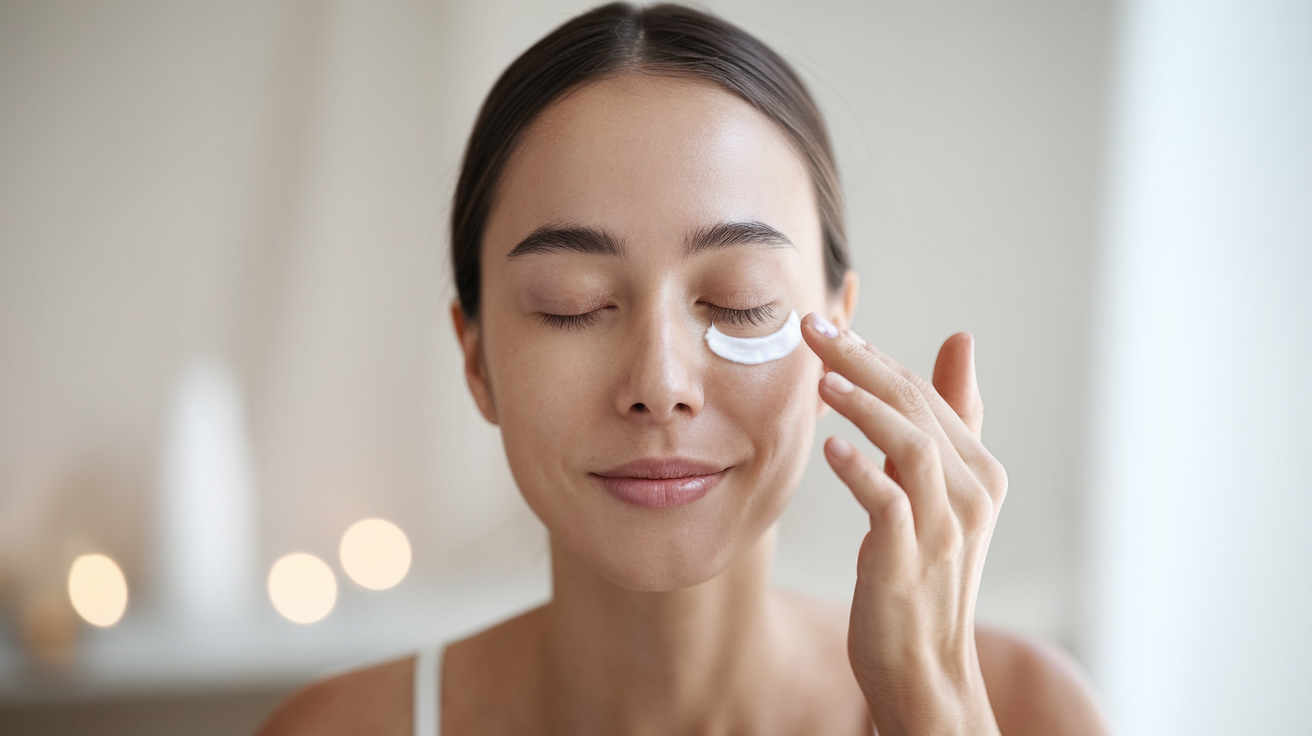
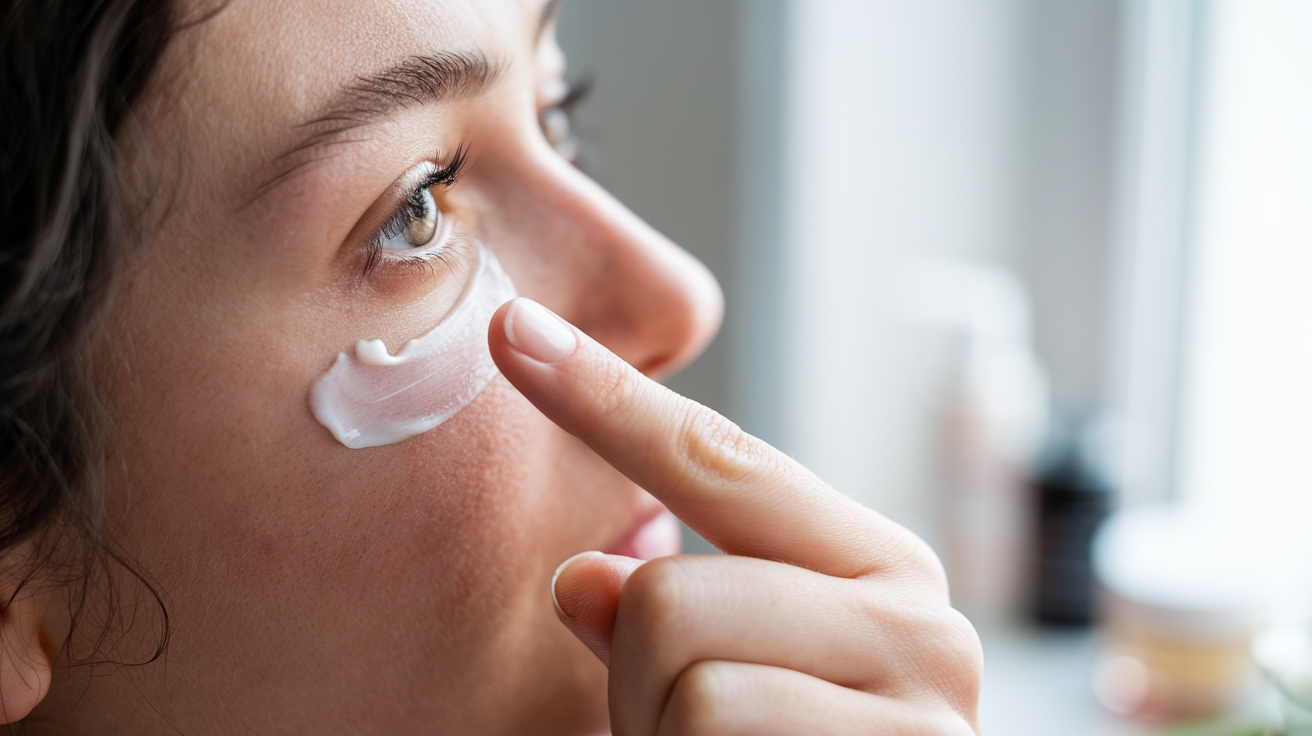
Apply eye cream using your ring finger with gentle tapping motions—never rub or pull the delicate skin. Consistency is key; you'll typically see results after four to six weeks of regular use.
Beyond topical treatments, consider incorporating a jade roller or cooling eye masks into your routine to reduce puffiness. For comprehensive treatment strategies, this affiliate one offers excellent recommendations.
Professional treatments like chemical peels, microneedling, or laser therapy can address stubborn dark circles that don't respond to over-the-counter products. Consult with a dermatologist to determine the best approach for your specific situation.
Remember, dark circles are a common concern with multiple causes. By identifying your specific triggers and using targeted treatments, you can significantly improve the appearance of your under-eye area and achieve the bright, youthful look you deserve.