Disclosure: This post contains affiliate links. We may earn a commission at no extra cost to you.
How to Choose the Best Eye Cream for Puffiness and Swelling
Have you ever looked in the mirror and wondered why your eyes look so puffy even after a full night's sleep? Under-eye puffiness and swelling can make you look exhausted, even when you're not. Whether it's fluid retention from sleeping, allergies, or simply the way your skin ages, puffiness around the eyes is one of the most common skincare frustrations people face.
The good news is that the right eye cream can help reduce the appearance of puffiness when paired with smart application techniques. But with hundreds of products claiming to depuff and refresh tired-looking eyes, how do you choose one that actually works for your specific needs?
In this guide, we'll walk through what causes under-eye puffiness, which ingredients can help reduce the appearance of swelling, how to apply eye cream properly for maximum benefit, and when a cold compress might be a better option than cream alone.
Understanding What Causes Under Eye Puffiness
Before you can choose the right eye cream, it helps to understand why puffiness happens in the first place.
The skin around your eyes is thinner than anywhere else on your face. This means it shows fluid retention, inflammation, and changes in circulation more visibly. When fluid builds up in the tissue beneath your eyes, it creates that swollen, puffy look.
Common causes include sleeping flat without elevation, consuming salty foods before bed, seasonal allergies, lack of sleep, crying, rubbing your eyes, and simply getting older. As skin ages, the supportive structures weaken, and fat pads can shift, making puffiness more noticeable.
Some people wake up with puffiness that fades throughout the day as gravity helps drain the fluid. Others experience chronic puffiness that sticks around no matter what time it is.
Knowing your pattern can help you choose the right product and routine. If your puffiness is worst in the morning, you'll want a cream with cooling, draining ingredients. If it's constant, you may need something that addresses skin elasticity and firmness over time.
Tired of seeing under-eye lines before you see yourself?
If the tiny creases under your eyes make you look more tired than you feel, this guide shows the simple under-eye routine that helps soften the look of dry lines, crepey texture, and tired skin without guessing or wasting weeks on random products.
Key Ingredients That Actually Reduce Puffiness
Not all eye creams are designed to address puffiness. Some focus on dark circles, others on fine lines. When shopping for a depuffing formula, look for these specific ingredients.
Caffeine is one of the most effective ingredients for reducing the appearance of puffiness. It works by constricting blood vessels and encouraging drainage of excess fluid. Many eye creams formulated for morning use include caffeine for this reason.
Peptides can help support skin firmness over time, which may reduce the sagging that makes puffiness more visible. They won't work overnight, but consistent use can help the under-eye area look smoother and more lifted.
Niacinamide is a calming ingredient that helps reduce the appearance of inflammation. If your puffiness comes with redness or irritation, niacinamide can be especially helpful.
Hyaluronic acid hydrates without adding heaviness. Well-hydrated skin looks plumper and smoother, which can make puffiness less noticeable by evening out texture.
Arnica and green tea extract are botanical ingredients often included in formulas targeting puffiness. They're known for their soothing properties and may help calm the look of swollen, tired eyes.
When choosing a product, check the ingredient list and make sure at least one or two of these actives appear near the top. If you want more detail on choosing the right formula for your skin type, this affiliate one can walk you through the full selection process.
How to Apply Eye Cream for Maximum De-Puffing Results
Even the best eye cream won't do much if you're applying it the wrong way. The method matters almost as much as the product itself.
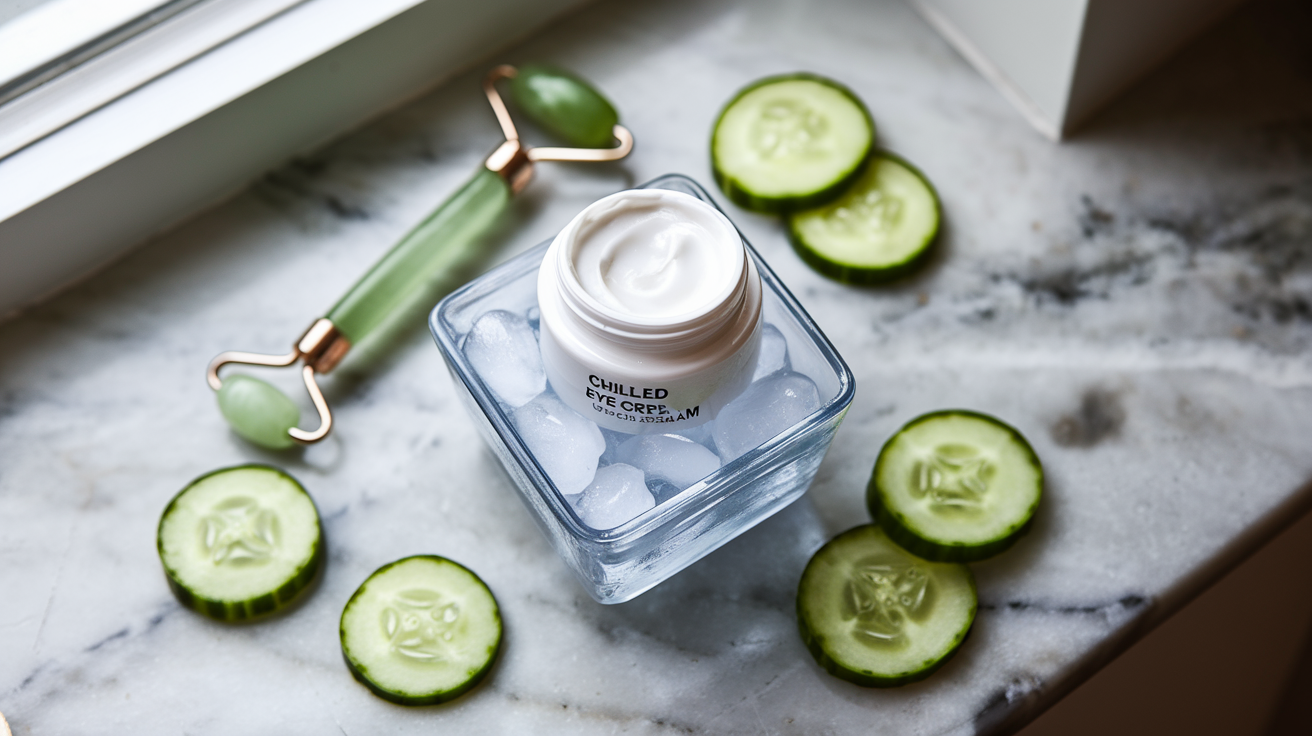
Start by storing your eye cream in the fridge. The cool temperature helps constrict blood vessels and adds an instant depuffing effect when you apply it.
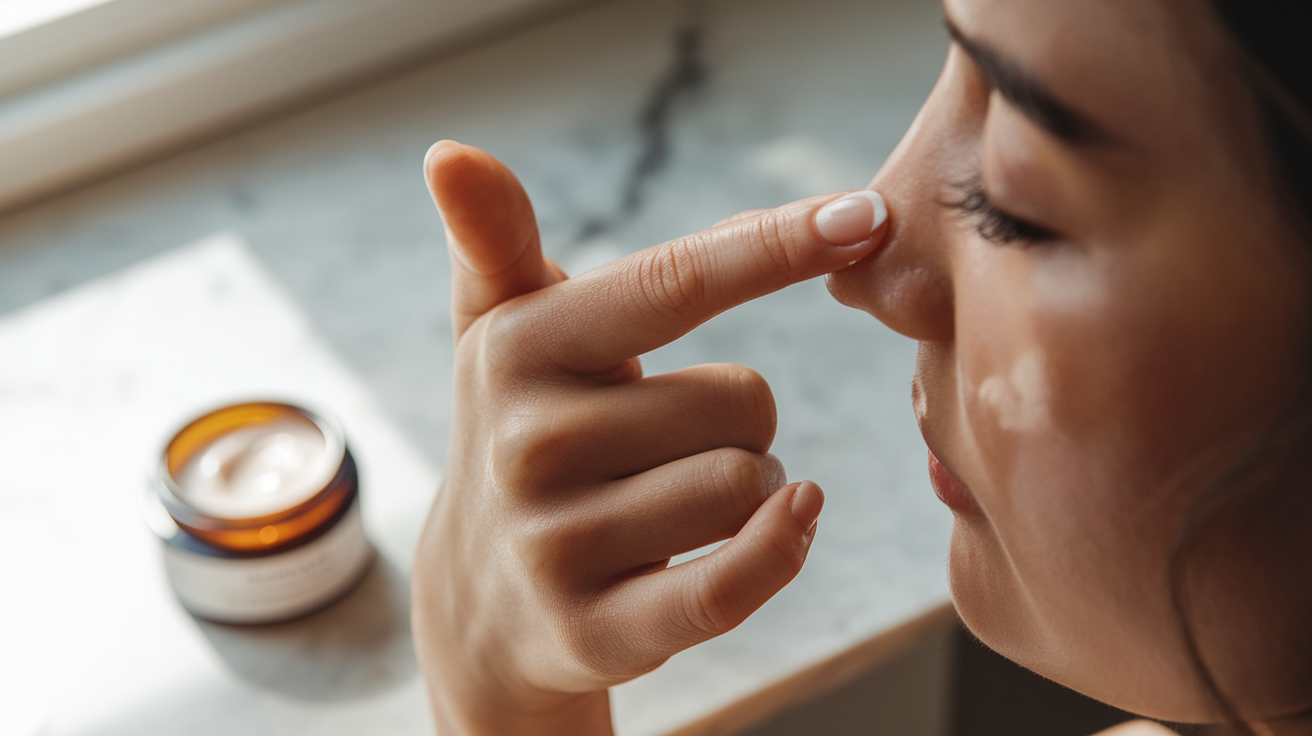
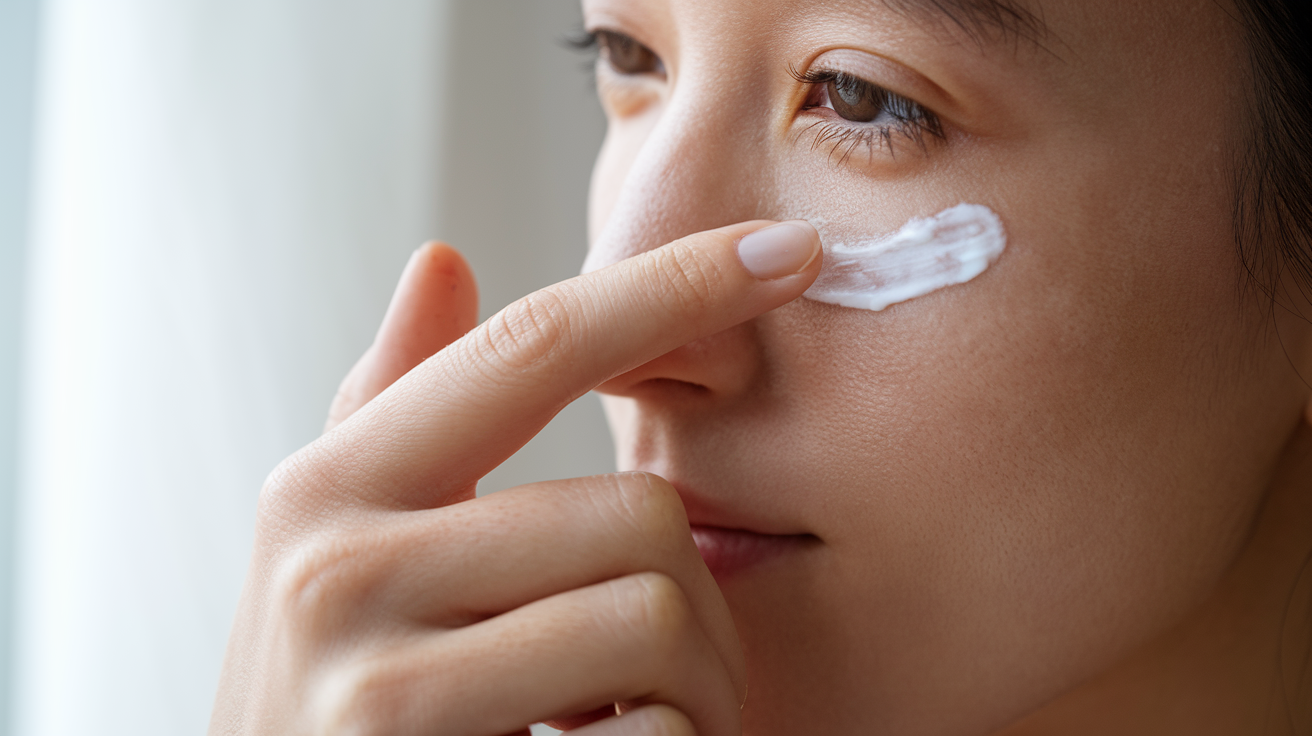
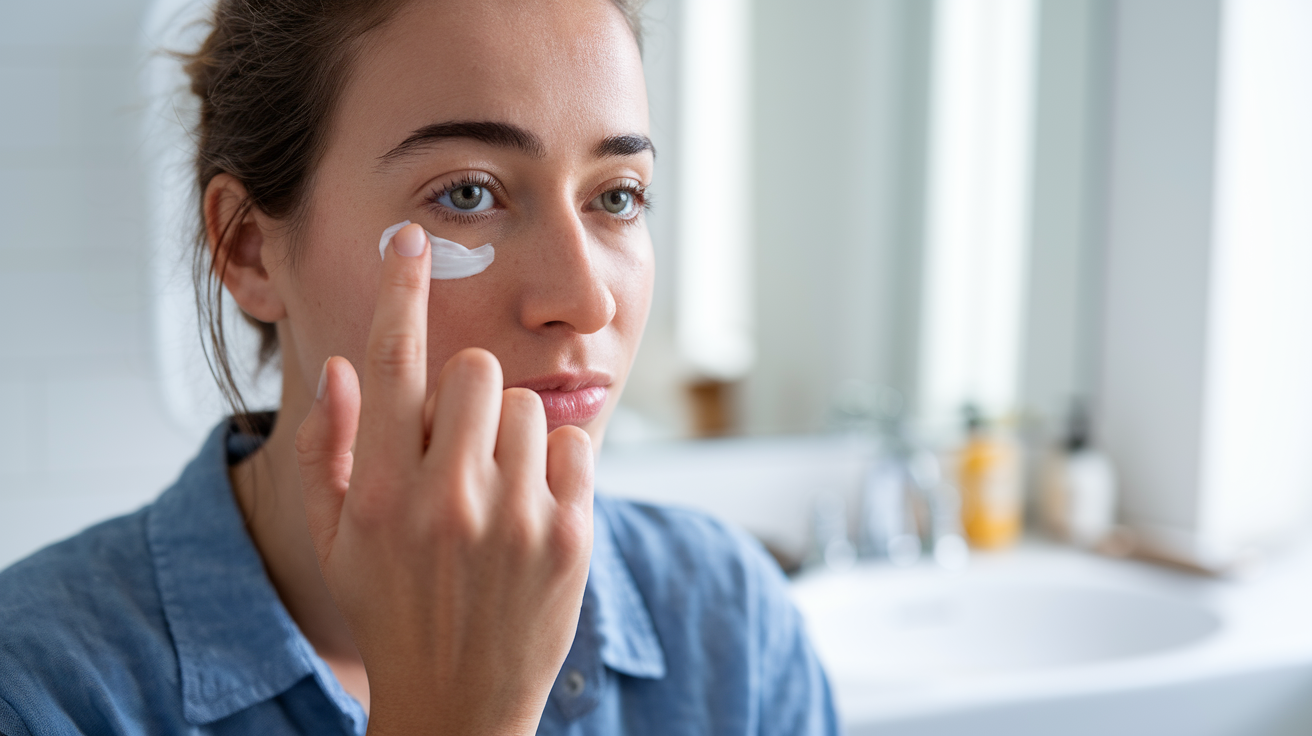
Use your ring finger to apply the cream. It's your weakest finger, so you're less likely to tug or pull the delicate skin around your eyes.
Dot a small amount along the orbital bone, starting from the inner corner and moving outward. Don't apply cream directly on the eyelid or too close to the lash line unless the product specifically says it's safe for that area.
Gently pat the cream in using a light tapping motion. This not only helps the product absorb, but the tapping motion can also encourage lymphatic drainage, which reduces the appearance of fluid buildup.
Avoid rubbing or dragging the skin. That can cause irritation and make puffiness worse over time.
For an extra boost, try applying your eye cream while your head is slightly elevated. Some people like to apply it while still propped up in bed before getting up for the day.
Consistency is key. Apply your depuffing eye cream every morning, and if your product is gentle enough, you can also use it at night. Just make sure it's appropriate for twice-daily use.
When to Use Eye Cream vs Cold Compresses for Swelling
Sometimes puffiness needs more than just a cream. Knowing when to reach for a cold compress instead of or in addition to your eye cream can make a big difference.
If you wake up with sudden, intense puffiness after a poor night's sleep, a salty meal, or a bout of crying, a cold compress is your best first step. The cold helps constrict blood vessels immediately and can reduce the appearance of swelling faster than any cream.
You can use a clean washcloth soaked in cold water, chilled spoons, gel eye masks stored in the freezer, or even a bag of frozen peas wrapped in a soft towel. Apply for 5 to 10 minutes while lying down with your head elevated.
After using the compress, follow up with your eye cream. The combination can be more effective than either method alone.
If your puffiness is mild and happens every morning, you may not need a compress at all. A good caffeine-based eye cream applied with tapping motions may be enough.
If your puffiness is chronic and doesn't respond to either cream or cold, it may be worth checking in with a dermatologist or healthcare provider. Persistent swelling can sometimes signal allergies, sinus issues, or other concerns that need more targeted care.
For ongoing support and a complete routine that addresses not just puffiness but also fine lines and texture around the eyes, check out this affiliate one for step-by-step guidance.
Final Thoughts
Choosing the best eye cream for puffiness and swelling starts with understanding what's causing the puffiness in the first place. Once you know your triggers, you can select a formula with the right active ingredients like caffeine, peptides, or niacinamide and apply it using techniques that encourage drainage and circulation.
Pair your eye cream with smart habits like sleeping with your head slightly elevated, reducing salt intake before bed, and keeping your product chilled for an extra cooling boost. And when puffiness is more intense, don't hesitate to reach for a cold compress before applying your cream.
With the right approach, you can help your eyes look less tired, smoother, and more refreshed every day.