Disclosure: This post contains affiliate links. We may earn a commission at no extra cost to you.
How to Fix Under Eye Dryness: 7 Hydration Solutions That Actually Work
Have you ever noticed how the skin under your eyes feels tight and uncomfortable, especially after washing your face? That delicate area can become dry faster than the rest of your face, and if you're dealing with flaking, tightness, or a crepey texture, you're not alone. The good news is that with the right approach, you can help support smoother-looking, more comfortable skin around your eyes.
Understanding Why Under Eye Skin Gets So Dry
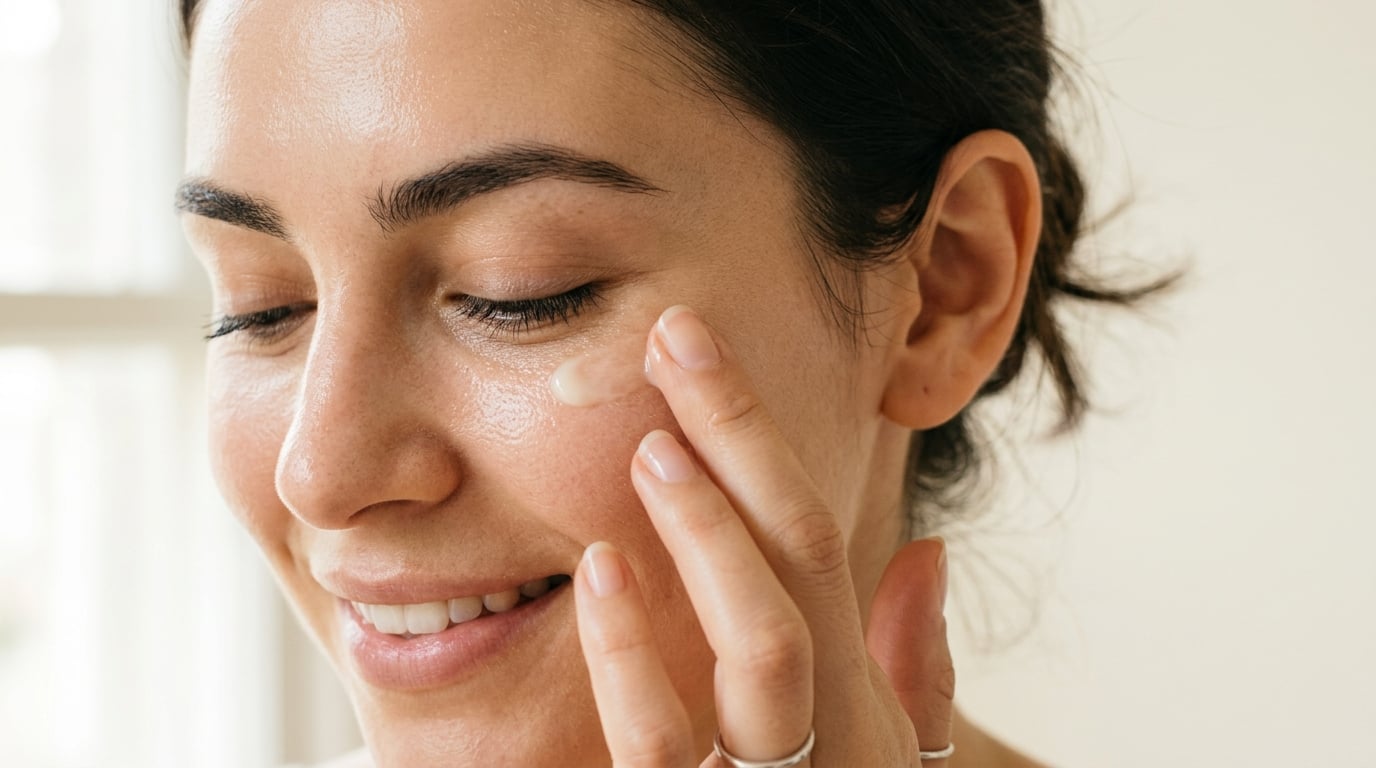
The skin around your eyes is significantly thinner than the skin on your cheeks or forehead. It has fewer oil glands, which means it produces less natural moisture on its own. This makes the under-eye area more vulnerable to environmental factors like cold weather, indoor heating, and air conditioning.
As we age, this area also loses some of its ability to retain moisture. The natural lipid barrier becomes less efficient, allowing water to evaporate more quickly. Activities like rubbing your eyes, removing makeup roughly, or sleeping face-down on your pillow can also contribute to irritation and dryness.
Understanding these factors helps explain why your regular face moisturizer might not be enough for this specific area.
The Best Hydrating Ingredients for Delicate Eye Area
Not all moisturizing ingredients work the same way. For the under-eye area, you want ingredients that both attract moisture and help seal it in.
Hyaluronic acid is a lightweight humectant that can hold up to 1,000 times its weight in water. It draws moisture from the air into your skin, helping to plump the look of fine lines temporarily.
Ceramides are lipids that naturally occur in your skin barrier. Products containing ceramides can help reinforce the protective layer that keeps moisture from escaping.
Squalane is a non-greasy emollient that mimics your skin's natural oils. It helps soften the skin without feeling heavy or migrating into your eyes.
Peptides are amino acid chains that may help support the appearance of firmer-looking skin over time. While they won't eliminate dryness overnight, they can be a helpful addition to a hydration routine.
Niacinamide is a form of vitamin B3 that helps support the skin barrier and can reduce the appearance of discoloration while providing gentle hydration.
Morning Hydration Routine for Dry Under Eyes
Your morning routine sets the foundation for how your under-eye area looks and feels throughout the day.
Start by splashing your face with lukewarm water rather than hot water, which can strip natural oils. Pat the area gently with a soft towel—never rub.
While your skin is still slightly damp, apply a hydrating eye serum. Look for one with hyaluronic acid or glycerin as a primary ingredient. The dampness helps these humectants work more effectively.
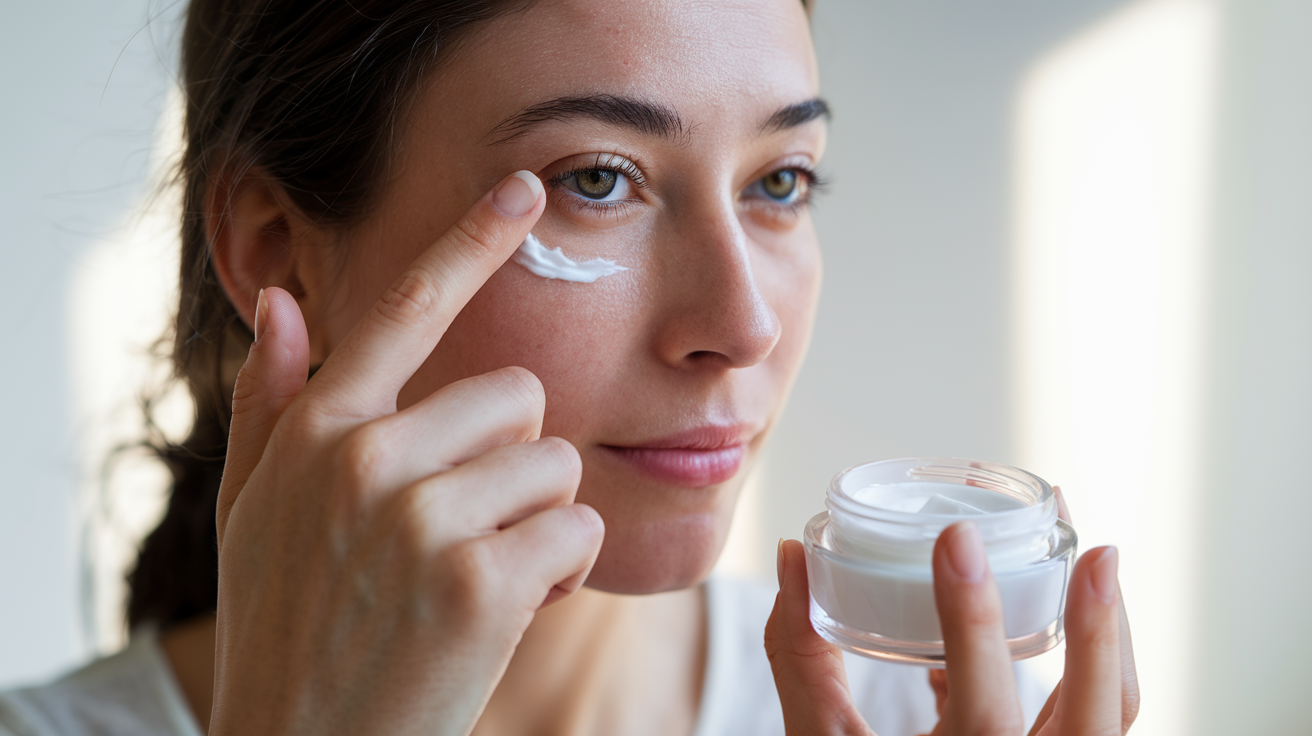
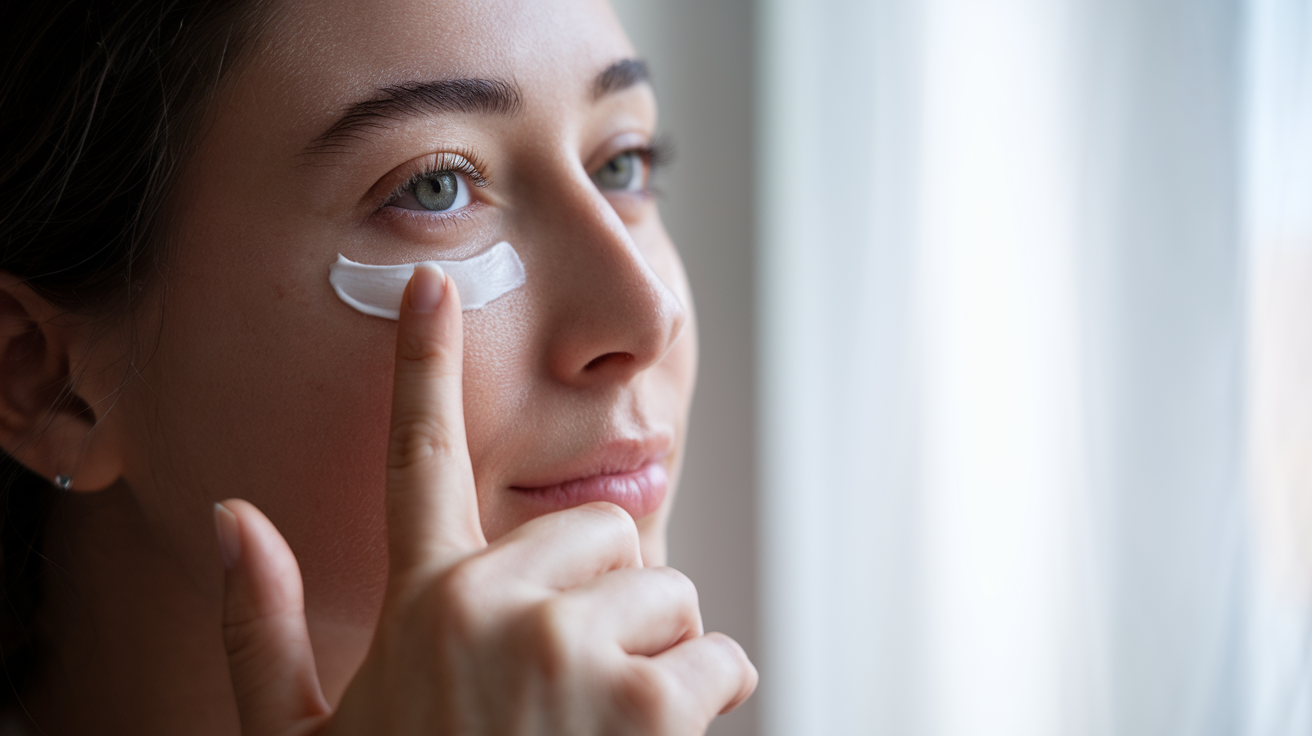
Follow with a dedicated eye cream that contains occlusives like shea butter or ceramides. Use your ring finger to gently pat the product along the orbital bone, avoiding the immediate lash line.
If you wear makeup, give your eye cream at least five minutes to absorb before applying concealer. This prevents pilling and helps makeup sit more smoothly on hydrated skin.
Always finish with sunscreen. UV exposure breaks down collagen and elastin, which can worsen the appearance of dryness and crepiness over time. Choose a mineral sunscreen if chemical filters tend to irritate your eyes.
Tired of seeing under-eye lines before you see yourself?
If the tiny creases under your eyes make you look more tired than you feel, this guide shows the simple under-eye routine that helps soften the look of dry lines, crepey texture, and tired skin without guessing or wasting weeks on random products.
Evening Repair Routine to Lock in Moisture
Nighttime is when your skin does most of its repair work, making your evening routine crucial for addressing dryness.
Remove eye makeup with a gentle oil-based cleanser or micellar water. Avoid tugging or using cotton pads that feel scratchy. Soft reusable makeup remover pads work well for this delicate area.
After cleansing your face, apply a richer eye treatment than what you use in the morning. Look for ingredients like squalane, jojoba oil, or shea butter that create a protective seal.
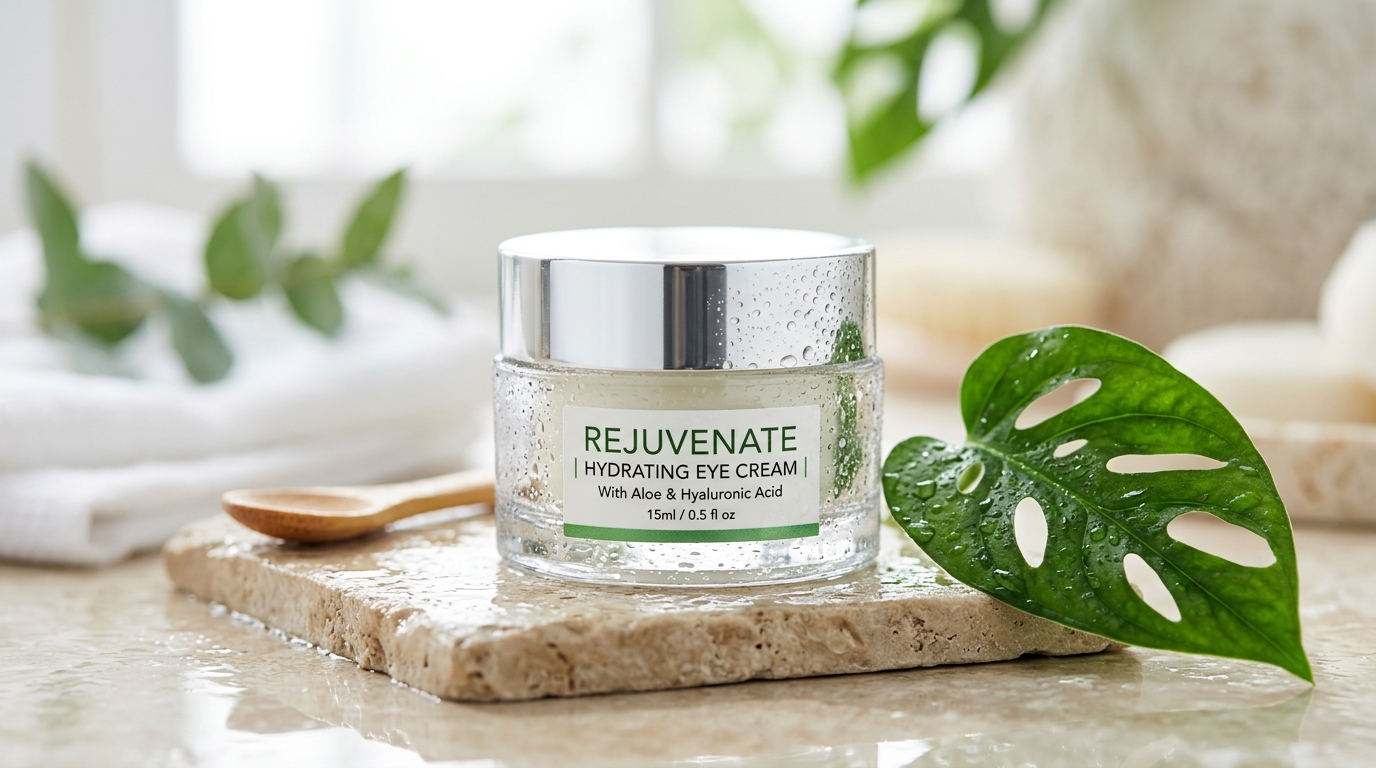
Consider using an overnight eye mask once or twice a week. These intensive treatments typically contain higher concentrations of hydrating ingredients and work while you sleep.
If dryness is severe, you can layer products. Start with a hydrating serum, then add your eye cream, and finish with a thin layer of facial oil or an occlusive like Aquaphor on the driest areas. This technique, called slugging, helps prevent overnight moisture loss.
Sleep on a silk or satin pillowcase. These materials create less friction against your skin compared to cotton, which can help reduce irritation and moisture loss while you sleep.
Lifestyle Changes That Reduce Under Eye Dryness
What you do beyond skincare can significantly impact how hydrated your under-eye area stays.
Drink water consistently throughout the day. Dehydration shows up quickly in thin skin, and while drinking water won't eliminate dryness, chronic dehydration can make it worse.
Use a humidifier in your bedroom, especially during winter months or if you live in a dry climate. Keeping moisture in the air prevents it from being pulled out of your skin overnight.
Limit your screen time or take regular breaks. Staring at screens reduces your blink rate, which can dry out the entire eye area. Follow the 20-20-20 rule: every 20 minutes, look at something 20 feet away for 20 seconds.
Eat foods rich in omega-3 fatty acids like salmon, walnuts, and flaxseeds. These healthy fats support your skin's lipid barrier from the inside out.
Avoid rubbing your eyes, even when they itch. If you have allergies, address them with appropriate treatments rather than repeatedly irritating the delicate skin.
For more detailed guidance on supporting the appearance of the under-eye area, check out this affiliate one resource.
Product Application Techniques for Maximum Absorption
Even the best products won't work well if you're not applying them correctly.
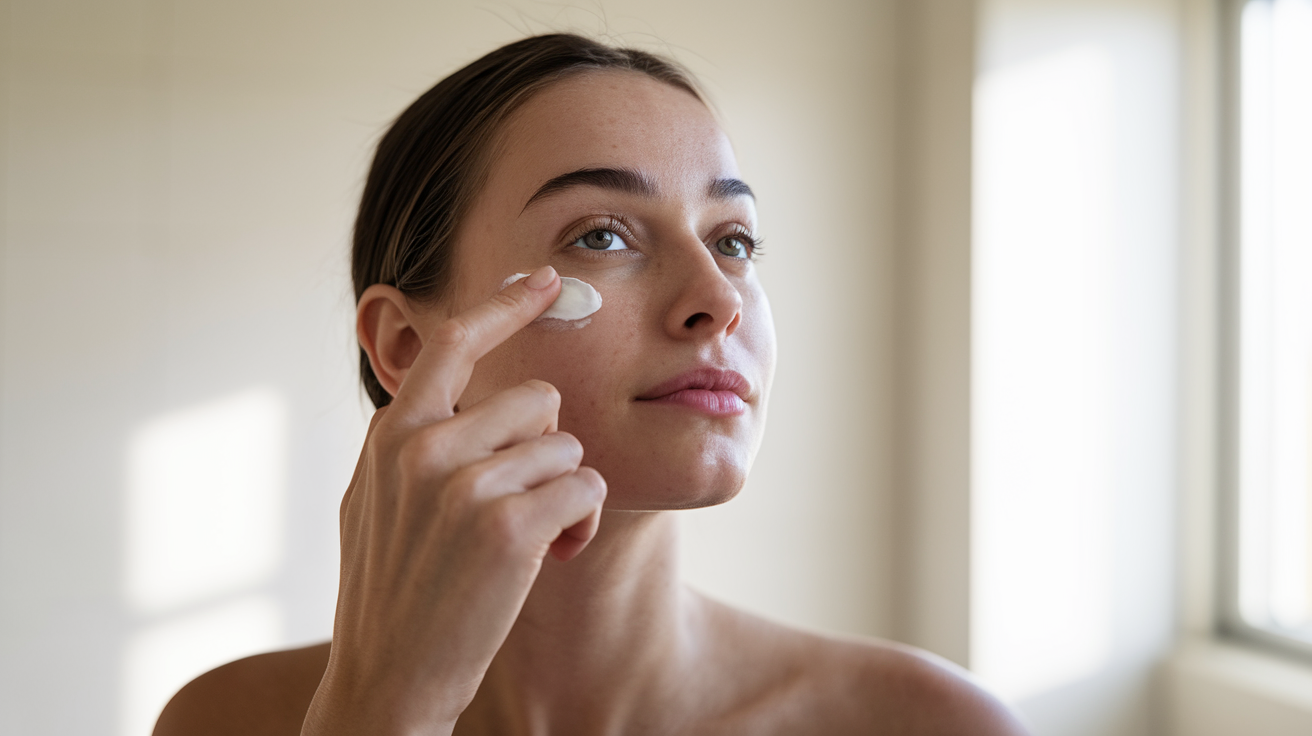
Always use your ring finger for application. It naturally applies the least pressure, which is ideal for delicate skin.
Apply products in a gentle patting motion rather than rubbing or dragging the skin. Pat from the inner corner outward along the orbital bone, which is the bony area around your eye socket.
Use the right amount. For most eye creams, a grain-of-rice-sized amount per eye is sufficient. Using too much can lead to product migrating into your eyes or sitting on the surface without absorbing.
Apply products on slightly damp skin when possible. This helps with absorption and makes humectant ingredients more effective.
Wait between layers. Give each product about 60 seconds to absorb before applying the next one. This prevents pilling and allows each formula to penetrate properly.
Store eye products properly. Keep them in a cool, dark place, or even in the refrigerator. The cool temperature can feel soothing on application and helps preserve active ingredients.
If you're looking for a structured approach to caring for this area, this affiliate one guide offers helpful information.
When to See a Dermatologist About Severe Dryness
While most under-eye dryness responds well to better hydration practices, some situations warrant professional attention.
If your under-eye area is persistently red, itchy, or inflamed despite using gentle products, you might be dealing with eczema or contact dermatitis rather than simple dryness.
Peeling or flaking that doesn't improve after two weeks of consistent hydration could indicate an underlying skin condition that needs medical treatment.
If you notice sudden changes in the texture or appearance of your under-eye skin, especially if accompanied by vision changes or discomfort, see a doctor promptly.
Severe dryness that cracks or bleeds requires professional care. This level of barrier damage needs more than over-the-counter products.
A dermatologist can prescribe prescription-strength treatments, identify potential allergens through patch testing, or recommend in-office procedures that may help with more significant concerns.
Taking care of dry under-eye skin requires patience and consistency. By understanding what causes dryness, choosing the right ingredients, and applying products correctly, you can help support more comfortable, smoother-looking skin in this delicate area. Remember that visible improvements take time, and protecting your skin from further damage is just as important as treating existing dryness.