Disclosure: This post contains affiliate links. We may earn a commission at no extra cost to you.
7 Best Eye Creams for Sensitive Skin That Won't Irritate or Cause Reactions
Ever applied eye cream only to wake up with puffy, red, or stinging skin the next morning? If you have sensitive skin, finding the right eye cream can feel like walking through a minefield. One wrong ingredient and you're dealing with irritation that makes your under-eye area look worse than before you started.
The skin around your eyes is thinner and more reactive than anywhere else on your face. When you have sensitive skin on top of that, even products labeled gentle can cause problems. But the good news is that there are eye creams specifically formulated to work with sensitive skin without triggering redness, burning, or breakouts.
Why Sensitive Skin Around Eyes Needs Special Care
The under-eye area has skin that's about ten times thinner than the skin on your cheeks. This means ingredients absorb faster and deeper, which can be a problem when you're prone to reactions.
Sensitive skin around the eyes often shows up as tightness after cleansing, redness that won't go away, or a burning feeling when you apply products. Sometimes it's genetic, but it can also be triggered by harsh weather, over-exfoliation, or using too many active ingredients at once.
Because the eye area doesn't have as many oil glands, it tends to get dry faster. Dryness weakens your skin barrier, making it even more reactive. That's why skipping eye cream isn't the answer. You just need the right one.
Fragrance is one of the biggest culprits behind eye cream reactions. Even natural essential oils can irritate sensitive skin. Alcohol-based formulas, certain preservatives, and high concentrations of active ingredients like retinol can also cause stinging or redness.
Key Ingredients Safe for Sensitive Eye Area
When you're shopping for eye cream with sensitive skin, look for ingredients that hydrate and soothe without overwhelming your skin barrier.
Ceramides help rebuild your skin's protective layer, which is especially important if your under-eye area feels tight or reactive. They work quietly in the background to keep moisture in and irritants out.
Hyaluronic acid is a hydration hero that plumps up dry skin without causing sensitivity. It holds up to 1,000 times its weight in water, so it's excellent for making fine lines look softer.
Niacinamide is a gentle form of vitamin B3 that can help reduce the appearance of dark circles and uneven tone. It's well-tolerated by most sensitive skin types and works well with other ingredients.
Peptides support the look of firmer, smoother-looking skin over time. They're typically non-irritating and pair well with hydrating ingredients.
Squalane mimics your skin's natural oils, so it absorbs easily without feeling heavy or greasy. It's calming and works for even the most reactive skin.
Avoid anything with added fragrance, denatured alcohol, or high percentages of retinol unless your dermatologist recommends it. If you want to use a retinoid, look for encapsulated or time-release formulas designed specifically for sensitive skin.
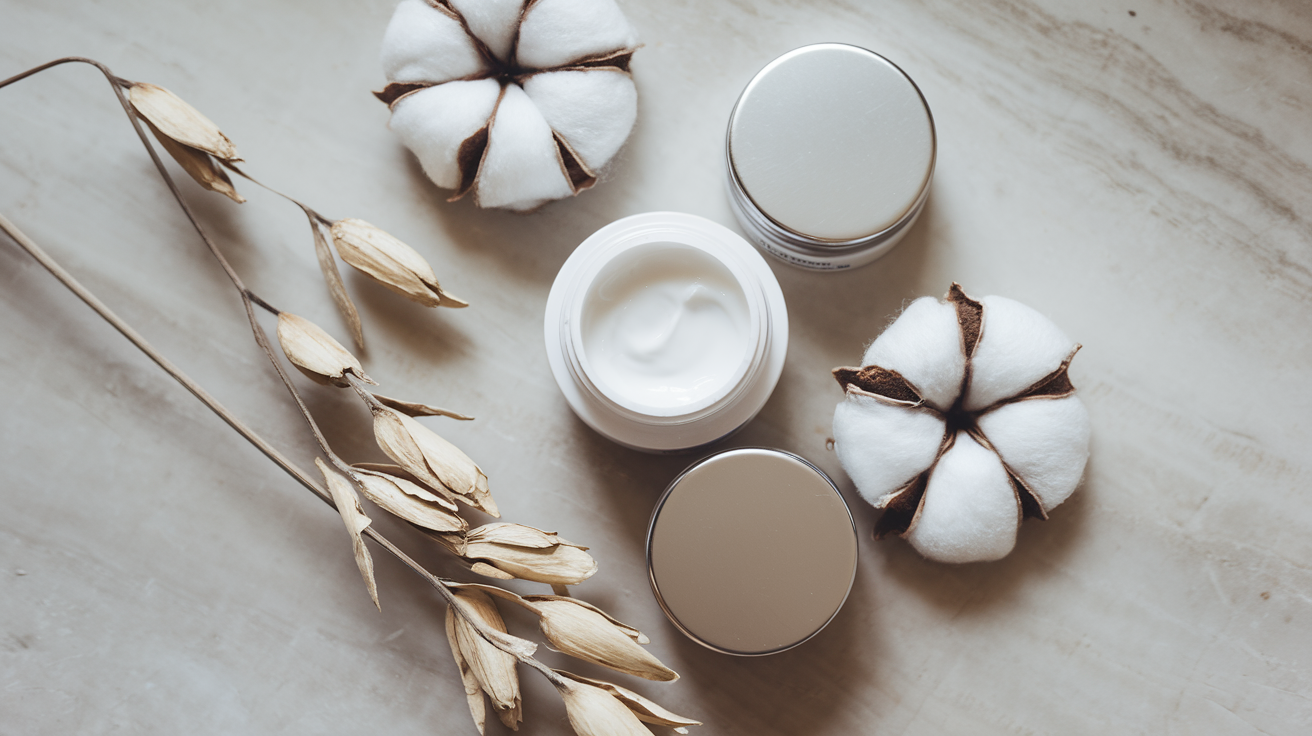
Top 7 Dermatologist-Approved Eye Creams for Sensitive Skin
These eye creams are formulated with sensitive skin in mind. They focus on hydration, barrier support, and calming ingredients without the common irritants that cause reactions.
1. CeraVe Eye Repair Cream
This fragrance-free formula contains ceramides and hyaluronic acid to support your skin barrier while reducing the appearance of fine lines. It's lightweight, absorbs quickly, and works well under makeup. Dermatologists recommend it for sensitive and eczema-prone skin.
2. La Roche-Posay Toleriane Ultra Eye Cream
Designed for very sensitive and allergy-tested skin, this cream uses minimal ingredients to avoid reactions. It contains neurosensine to help calm reactive skin and glycerin for hydration. It's a good choice if your eyes tend to get red or itchy easily.
3. Vanicream Eye Cream
Free of dyes, fragrance, parabens, and formaldehyde, this is one of the cleanest formulas available. It hydrates without feeling heavy and is safe for post-procedure skin or anyone dealing with chronic sensitivity.
4. Neutrogena Hydro Boost Eye Gel-Cream
This gel-cream hybrid uses hyaluronic acid to plump and smooth the under-eye area. It's oil-free, fragrance-free, and absorbs fast. It's especially helpful if your skin feels dehydrated but you don't want a thick cream.
Tired of seeing under-eye lines before you see yourself?
If the tiny creases under your eyes make you look more tired than you feel, this guide shows the simple under-eye routine that helps soften the look of dry lines, crepey texture, and tired skin without guessing or wasting weeks on random products.
5. Aveeno Calm + Restore Eye Gel
With oat extract and feverfew, this gel calms redness and irritation while hydrating the eye area. It's lightweight and cooling, making it great for morning puffiness or skin that feels inflamed.
6. First Aid Beauty Eye Duty Niacinamide Brightening Eye Cream
This cream uses niacinamide and licorice root to help brighten the look of dark circles without irritation. It's free of parabens, sulfates, and artificial fragrance. It works well for sensitive skin that also deals with discoloration.
7. Eucerin Q10 Anti-Wrinkle Sensitive Skin Eye Cream
Formulated with coenzyme Q10 and vitamin E, this cream supports smoother-looking skin around the eyes. It's fragrance-free, ophthalmologist-tested, and gentle enough for contact lens wearers.
If you're new to eye creams or switching products, check out this affiliate one for a detailed breakdown of how to build a routine that works for sensitive under-eye skin.
How to Patch Test and Apply Eye Cream Safely
Even the gentlest eye cream can cause a reaction if your skin is in a sensitive state. That's why patch testing is essential, especially if you've had bad experiences before.
To patch test, apply a small amount of the eye cream to the inside of your wrist or behind your ear. Wait 24 hours and check for redness, itching, or irritation. If your skin looks calm, try applying it to the outer corner of one eye for another day before using it on both eyes.
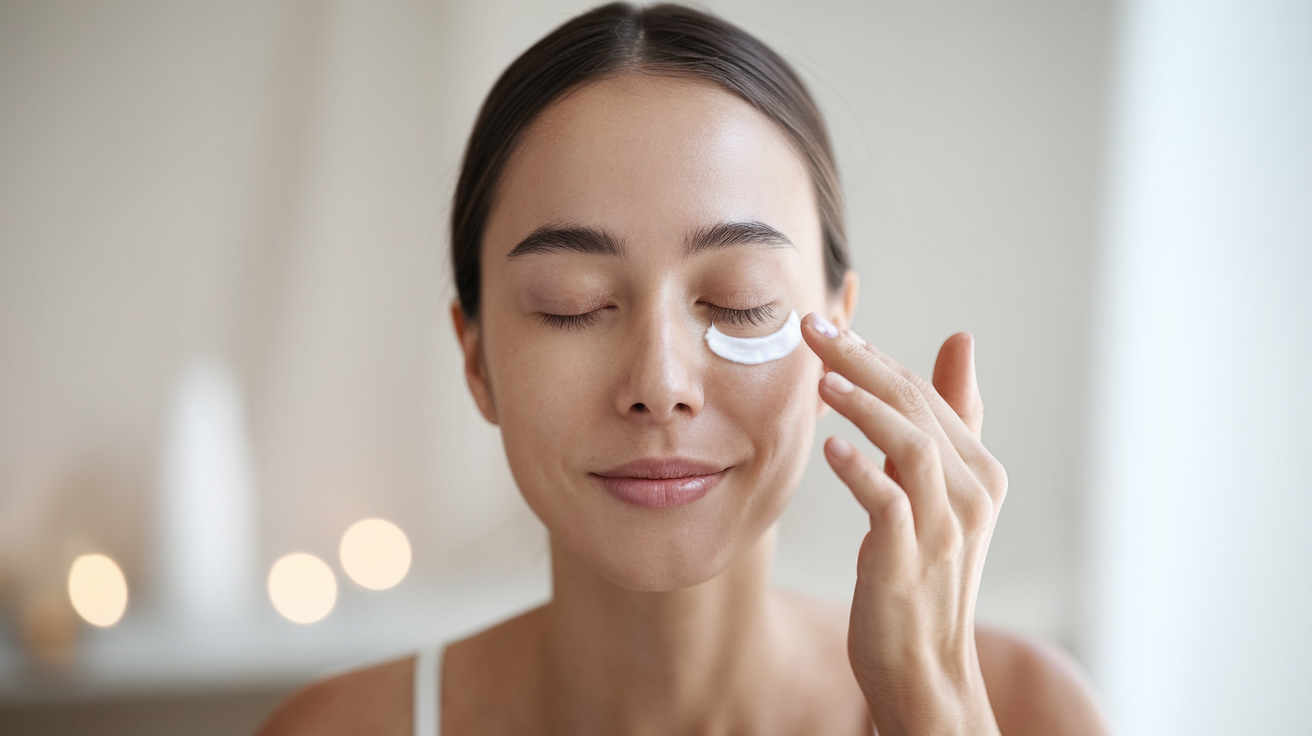
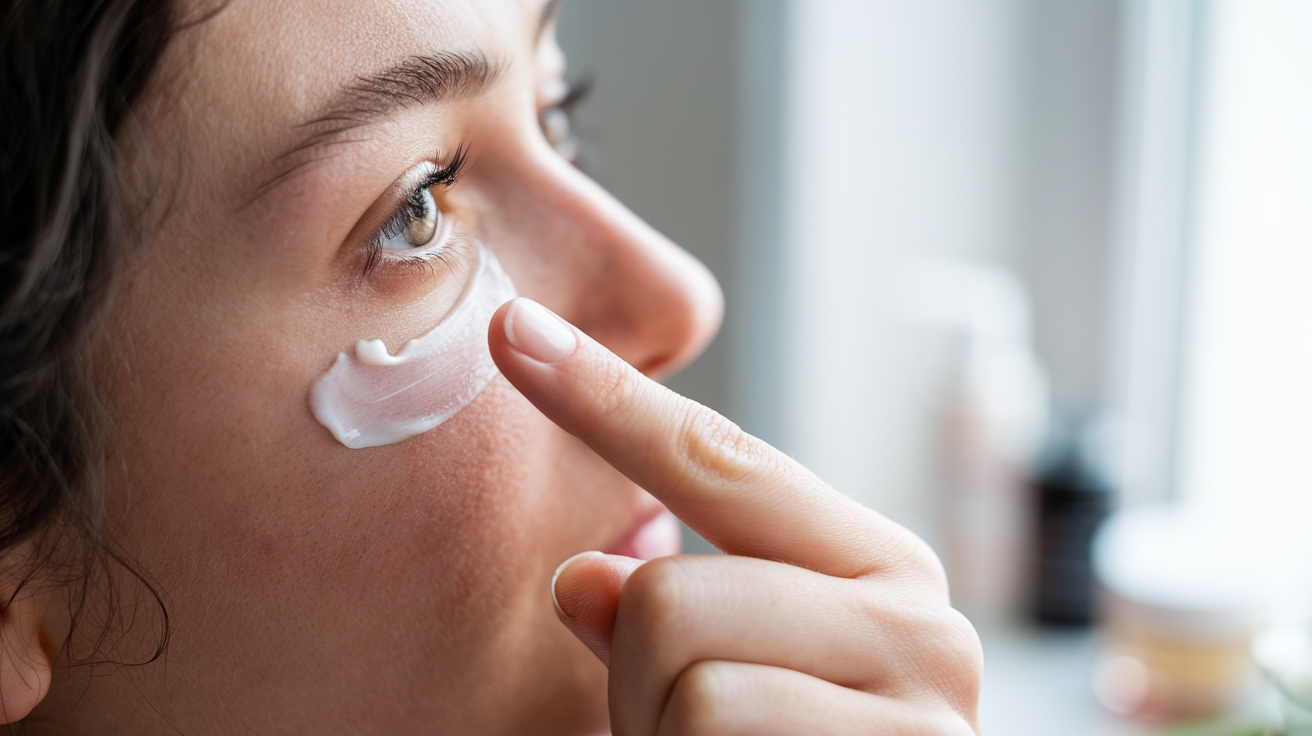
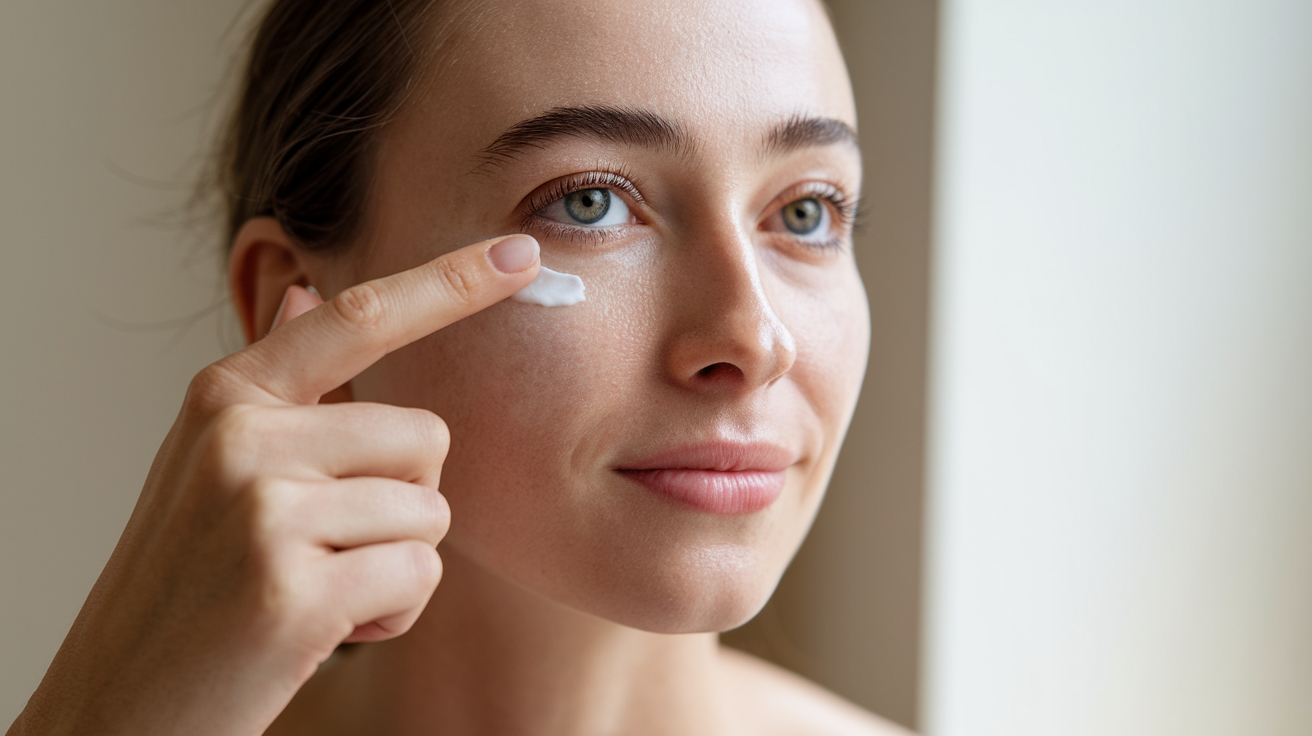
When you're ready to apply, use your ring finger. It naturally applies the least pressure, which matters when you're working with delicate skin. Dot a rice-sized amount along your orbital bone, starting from the inner corner and moving outward.
Don't apply eye cream too close to your lash line. The product will naturally migrate as it warms up on your skin, so placing it on the bone is enough. Applying it too close can lead to irritation or puffiness.
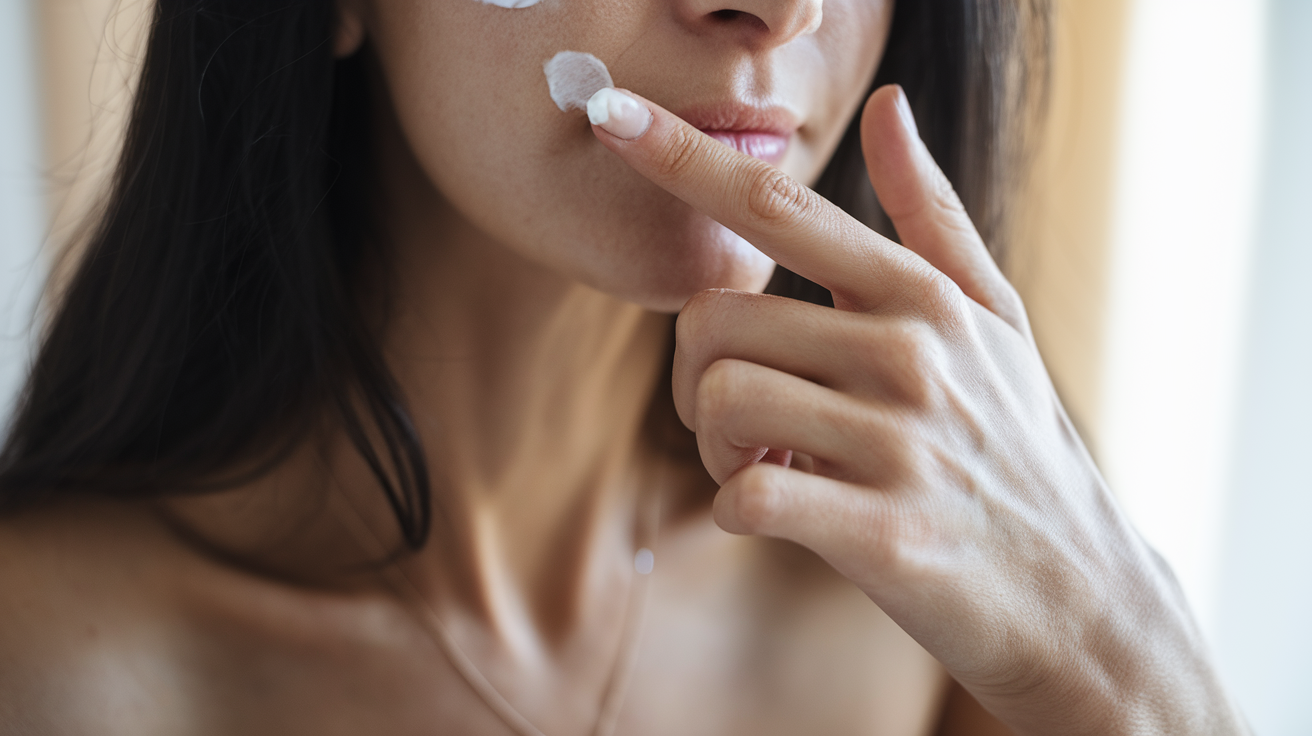
Pat gently instead of rubbing. Rubbing tugs at the skin and can cause more irritation. Let the cream absorb for a minute or two before layering other products like sunscreen or makeup.
If you're using actives like retinol or vitamin C elsewhere on your face, introduce your eye cream first and let your skin adjust. Adding too many new products at once makes it hard to pinpoint what's causing a reaction.
For more guidance on building a safe and effective routine for reactive under-eye skin, this affiliate one walks you through the full process step by step.
Sensitive skin around the eyes doesn't mean you have to skip anti-aging skincare. It just means you need to be more intentional about what you use and how you use it. With the right formula and a gentle application routine, you can support smoother, less tired-looking eyes without the redness or stinging.