Disclosure: This post contains affiliate links. We may earn a commission at no extra cost to you.
Does Eye Cream Actually Penetrate Your Skin? The Science Explained
Published: July 2, 2026
You've probably wondered if your eye cream is actually doing anything, or if it's just sitting on top of your skin making empty promises. It's a fair question, especially when you're investing time and money into products that claim to help soften the appearance of fine lines and tired-looking eyes. The truth is, skin penetration isn't automatic—and the delicate eye area has its own unique rules. Let's break down what actually happens when you apply eye cream, which ingredients can work their way deeper into the skin barrier, and how to tell if your product is genuinely being absorbed.
How Skin Absorption Actually Works in the Delicate Eye Area
The skin around your eyes is thinner than anywhere else on your face—about 0.5mm compared to 2mm on your cheeks. That means it has fewer layers of protection, but it also means ingredients face a different absorption environment.
Your skin barrier is designed to keep things out, not let them in. It's made of tightly packed cells surrounded by lipids (fats) that act like mortar between bricks. For any ingredient to penetrate, it needs to navigate this structure.
Under your eyes, this barrier is more fragile. There's less sebum production, which means less natural oil to lock in moisture. The result? Ingredients can sometimes move through faster here, but the skin is also more prone to sensitivity and irritation.
Water-based ingredients tend to sit on the surface unless they're formulated with penetration enhancers. Oil-soluble ingredients have a slightly easier time because they can slip between those lipid layers. But here's the catch: just because something penetrates doesn't mean it penetrates deeply enough to make a visible difference.
The outermost layer, the stratum corneum, is where most topical products do their work. Very few ingredients make it past this layer into the living layers of skin below—and that's actually by design. Your skin is protecting you.
The Molecular Size Factor: Which Ingredients Penetrate Deepest
Molecular weight matters more than most people realize. The general rule: anything under 500 Daltons has a better chance of penetrating the skin barrier. Anything larger typically stays on the surface.
Let's look at some common eye cream ingredients and where they fall:
Smaller molecules that can penetrate:
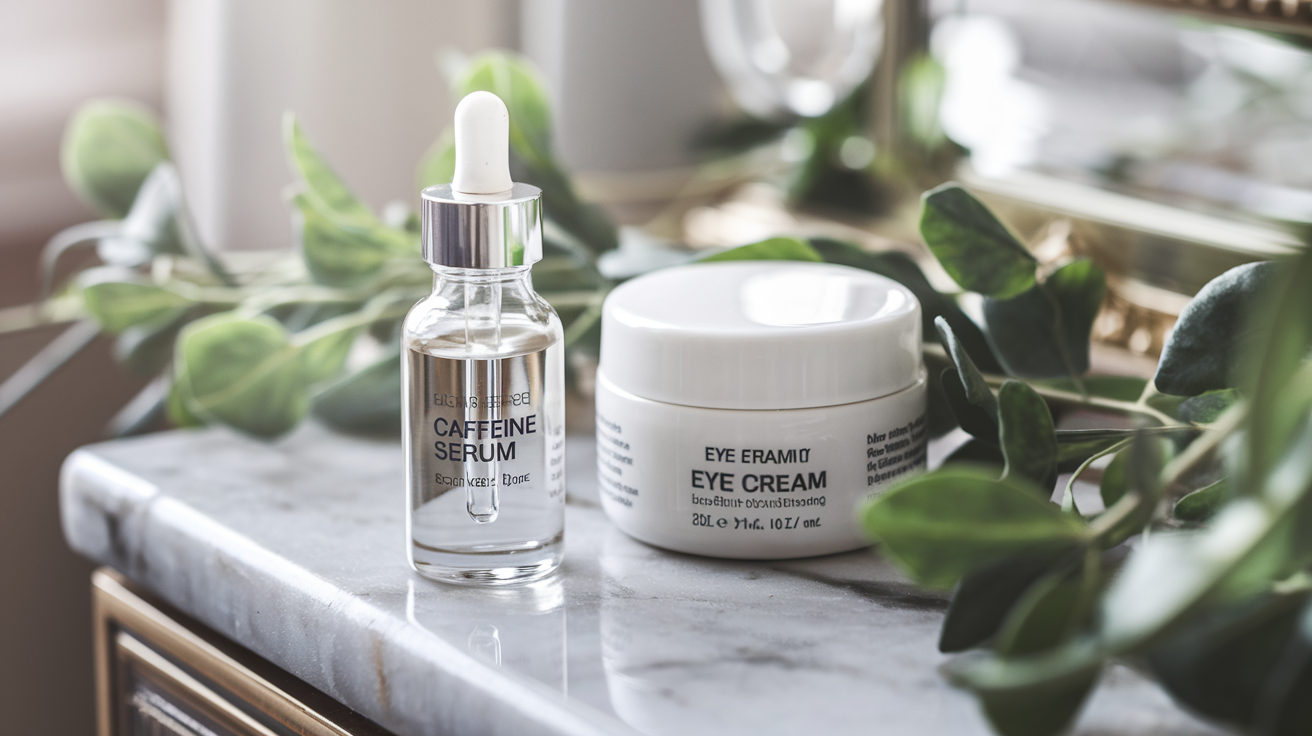
Retinol (286 Daltons) is small enough to work its way into the skin, which is why it's known for helping to support skin texture over time. Caffeine (194 Daltons) is even smaller, which is why it can help temporarily reduce the look of puffiness by constricting blood vessels just under the skin.
Niacinamide (122 Daltons) moves through the barrier relatively easily, which is one reason it's become so popular for supporting skin tone and texture. Vitamin C in certain forms, like ascorbic acid, is also small enough to penetrate when formulated correctly.
Larger molecules that work on the surface:
Hyaluronic acid (anywhere from 10,000 to over 1 million Daltons depending on the form) is far too large to penetrate deeply. But that's not a bad thing—it works by sitting on the surface and drawing moisture into the outer layers, which can help plump the appearance of fine lines temporarily.
Peptides vary in size, but most are too large to penetrate deeply. They typically work in the uppermost layers to help support the look of skin firmness over time. Collagen molecules in creams are massive—there's no way they're getting through your skin barrier. Instead, they act as moisturizers on the surface.
If you want to understand more about which ingredients are worth your attention, this affiliate one breaks down the most effective formulations for the under-eye area.
Tired of seeing under-eye lines before you see yourself?
If the tiny creases under your eyes make you look more tired than you feel, this guide shows the simple under-eye routine that helps soften the look of dry lines, crepey texture, and tired skin without guessing or wasting weeks on random products.
Why Application Technique Changes Everything for Product Penetration
You can have the most scientifically advanced eye cream in the world, but if you're applying it wrong, you're limiting how well it can work.
First, start with clean skin. Makeup, sunscreen residue, and oil can create a barrier that blocks penetration. Your eye cream needs direct contact with your skin to have any chance of absorbing.
Use your ring finger—it applies the least pressure, which matters because the skin here is fragile. Too much tugging can contribute to the appearance of lines over time.
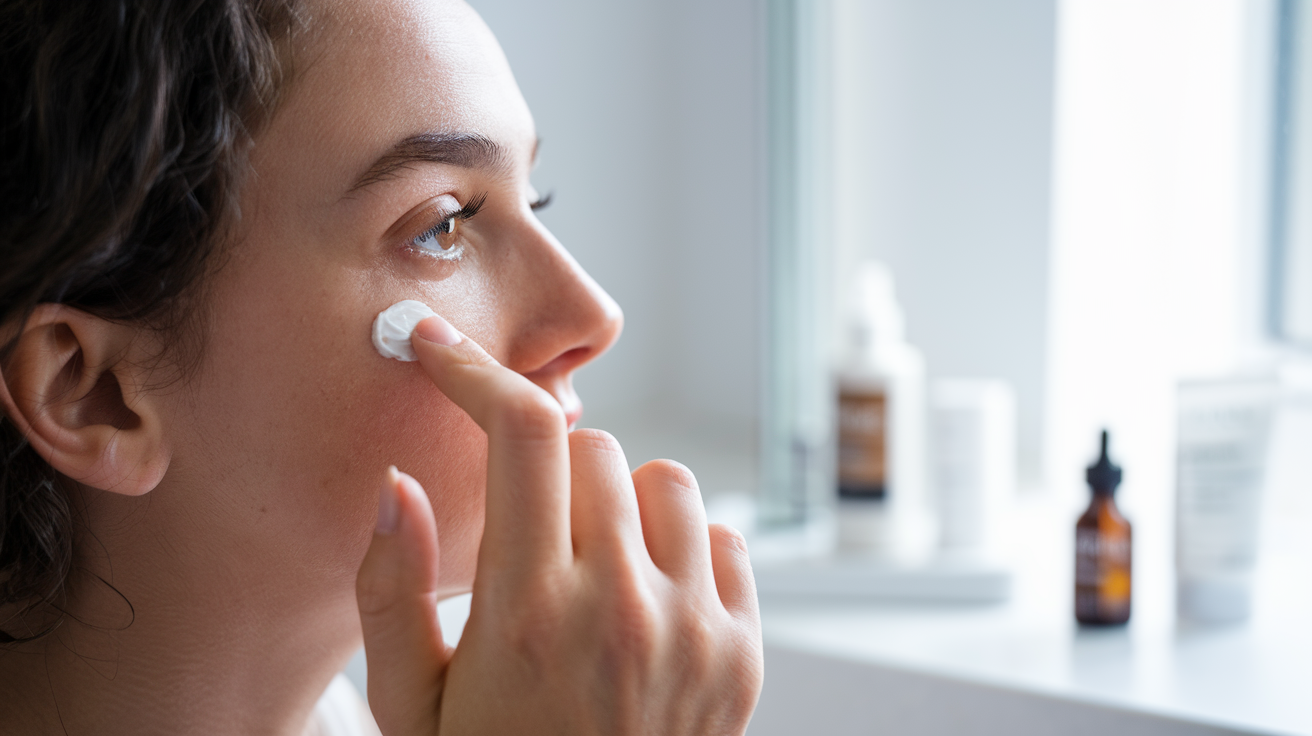
Apply to slightly damp skin when possible. Water can act as a penetration enhancer, helping ingredients move through the barrier more easily. Pat your eye cream on gently rather than rubbing. Patting warms the product slightly and presses it into the skin without dragging.
Don't apply too much. A pea-sized amount for both eyes is usually enough. Overloading the area can cause product to migrate into your eyes or just sit on the surface without absorbing.
Layer correctly. If you're using multiple products, apply thinnest to thickest. Serums go first, then eye cream, then facial oil if you use one. Each layer should be fully absorbed before you apply the next.
Timing matters too. Give your eye cream at least 60 seconds to absorb before applying makeup or sunscreen. If you rush this step, you're essentially creating a barrier that limits penetration.
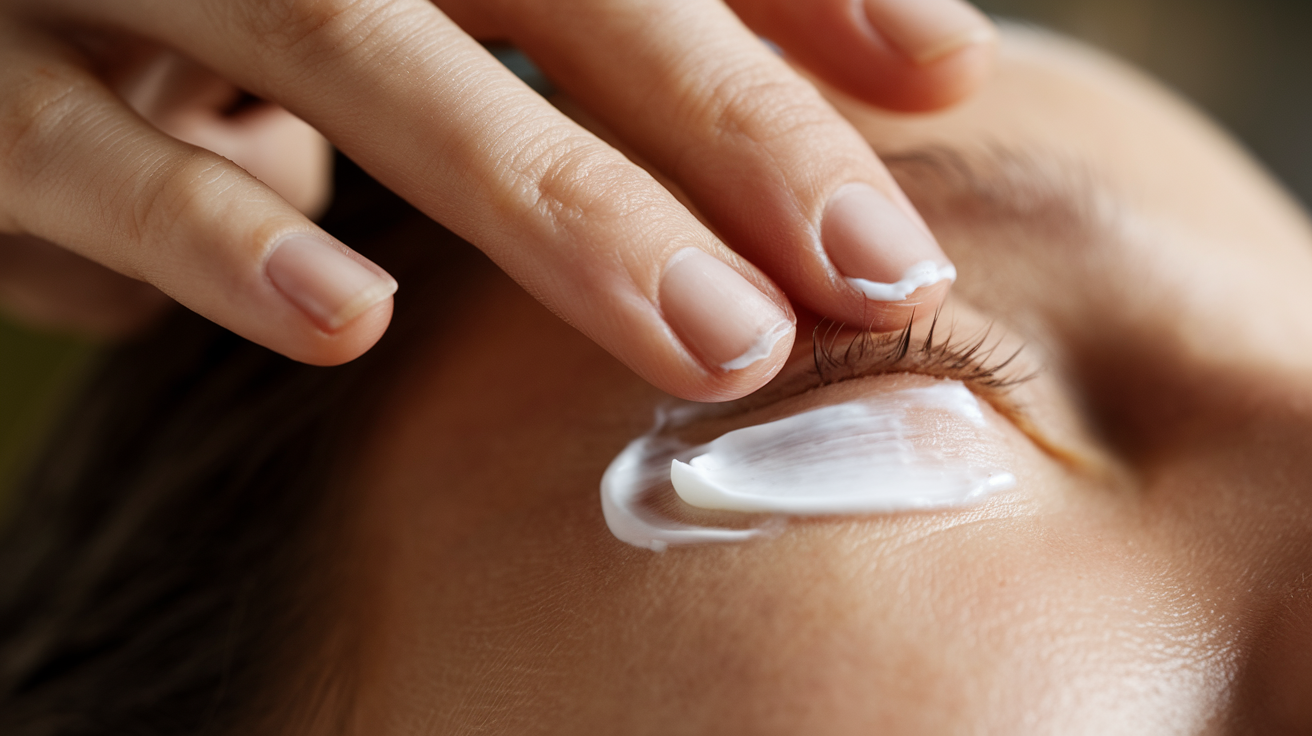
Signs Your Eye Cream Is Working vs Just Sitting on Surface
So how do you know if your eye cream is actually penetrating or just making your under-eyes feel slippery?
Signs of absorption:
The product disappears within a few minutes. If your eye cream is still visible or tacky 5-10 minutes after application, it's probably not absorbing well. Properly formulated products should sink in relatively quickly.
Your skin feels hydrated but not greasy. There's a difference between moisturized skin and skin with a layer of cream sitting on top. Absorbed products leave the area feeling soft and smooth, not slick.
Makeup applies smoothly over it. If your concealer is pilling, sliding, or separating, your eye cream likely hasn't absorbed. Well-penetrated products create a smooth canvas.
You notice gradual changes over weeks. This is the big one. Ingredients that penetrate and work in the skin layers typically take 4-12 weeks to show visible effects on the appearance of texture and tone. If you're seeing results that develop gradually, that suggests the active ingredients are reaching where they need to be.
Signs it's just sitting on the surface:
The product transfers onto your pillow or clothes. If you're waking up with cream on your pillowcase, it never absorbed.
You see a white cast or shine that won't go away. This often happens with products that contain ingredients too large to penetrate or formulations that aren't compatible with your skin type.
It feels like you're wearing a mask. Heavy, occlusive products can be helpful for sealing in moisture, but if that's all your eye cream does, the active ingredients probably aren't penetrating deeply.
You experience no change after 8-12 weeks of consistent use. While skincare requires patience, if you've given a product three months and see absolutely no difference in how your under-eye area looks or feels, it's likely not delivering ingredients effectively.
For a detailed breakdown of which formulations absorb best and how to build an effective routine, check out this affiliate one.
Understanding penetration helps you make smarter choices about which eye creams are worth your time. Look for products with proven penetrating ingredients, molecular weights under 500 Daltons for active ingredients, and formulations designed specifically for the thin skin around your eyes. And remember—penetration alone isn't the goal. The goal is penetration of ingredients that can actually help support the appearance of smoother, more rested-looking skin over time.