Disclosure: This post contains affiliate links. We may earn a commission at no extra cost to you.
When to Apply Eye Cream in Your Skincare Routine: The Right Order for Maximum Results
Published September 1, 2026
Are you applying your eye cream at the wrong time without even knowing it? If you've been smoothing that delicate eye product onto your skin whenever feels convenient, you might be cutting its effectiveness in half. The truth is, skincare order isn't just about neatness—it's about letting each product work the way it was designed to. And when it comes to eye cream, timing is everything.
Why the Order of Eye Cream Application Actually Matters
Eye cream formulas are built differently than face moisturizers. They're lighter, more concentrated, and designed to work on thinner, more sensitive skin. But here's what most people miss: if you apply eye cream at the wrong stage, heavier products can block it from absorbing, or you risk diluting the active ingredients before they even reach your skin.
Think of your skincare routine like layers of clothing. You wouldn't put a jacket on before your shirt, right? The same logic applies here. Thinner products should go first so they can sink in properly. Heavier creams come last to lock everything in.
When you layer correctly, your eye cream can actually reach the skin around your eyes instead of sitting on top or mixing with other products. That makes a visible difference over time—especially if you're trying to support smoother-looking skin or reduce the appearance of dry fine lines.
The Correct Sequence: Where Eye Cream Fits in Your Routine
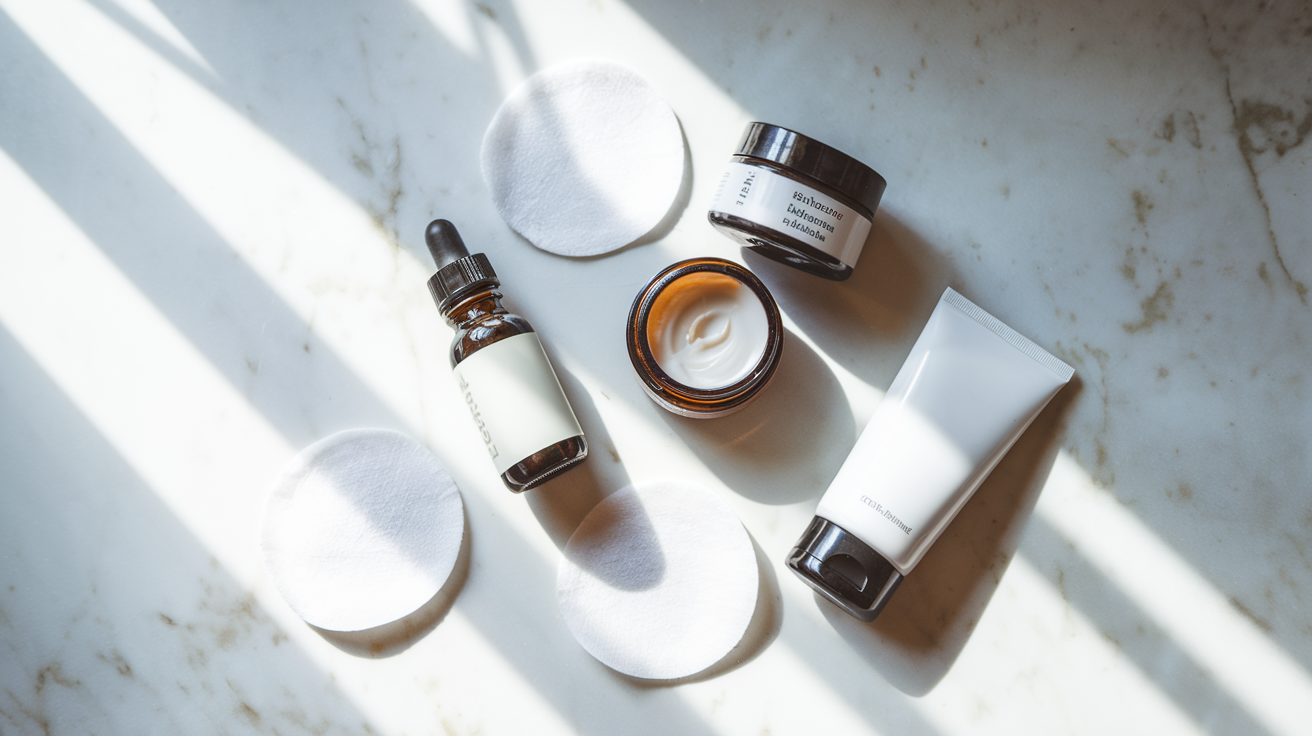
Here's the simple rule: eye cream goes on after your serum but before your face moisturizer. If you're using a treatment product like retinol or vitamin C, apply those first. Let them absorb for a minute. Then apply your eye cream. Then your face cream.
Why this order? Serums are the lightest and most potent. They need to go on clean, barely-damp skin. Eye cream comes next because it's thicker than a serum but lighter than most face moisturizers. Your face moisturizer seals everything in and adds a protective layer.
If you skip this sequence, you might end up rubbing heavy moisturizer into your eye area first, which creates a barrier. Then your eye cream just sits on top doing very little. Or worse, you mix the two and dilute the affiliate one ingredients you're counting on.
Tired of seeing under-eye lines before you see yourself?
If the tiny creases under your eyes make you look more tired than you feel, this guide shows the simple under-eye routine that helps soften the look of dry lines, crepey texture, and tired skin without guessing or wasting weeks on random products.
Morning Routine: Eye Cream Timing and Product Layering
Your morning routine is all about protection and prep. Start with a gentle cleanser, then pat your skin dry—don't rub. While your skin is still slightly damp, apply any lightweight serums you use. Vitamin C, hyaluronic acid, or brightening serums all go on now.
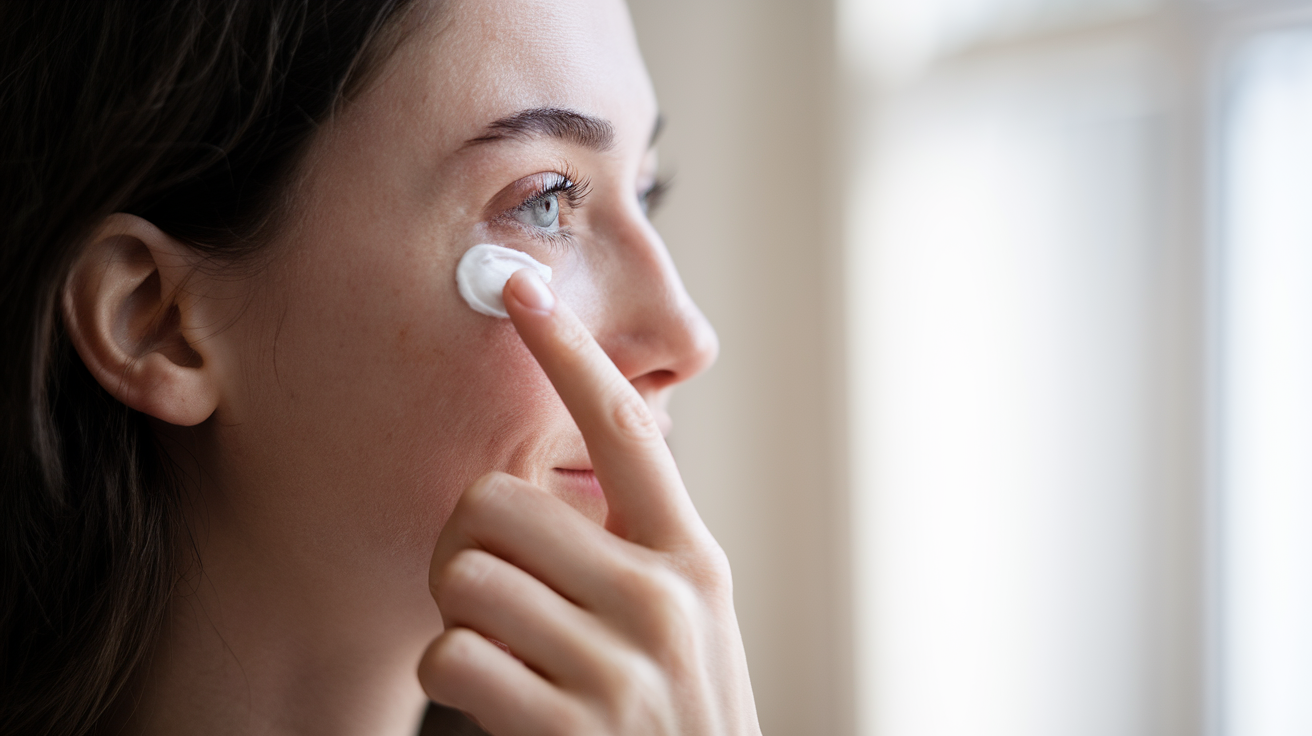
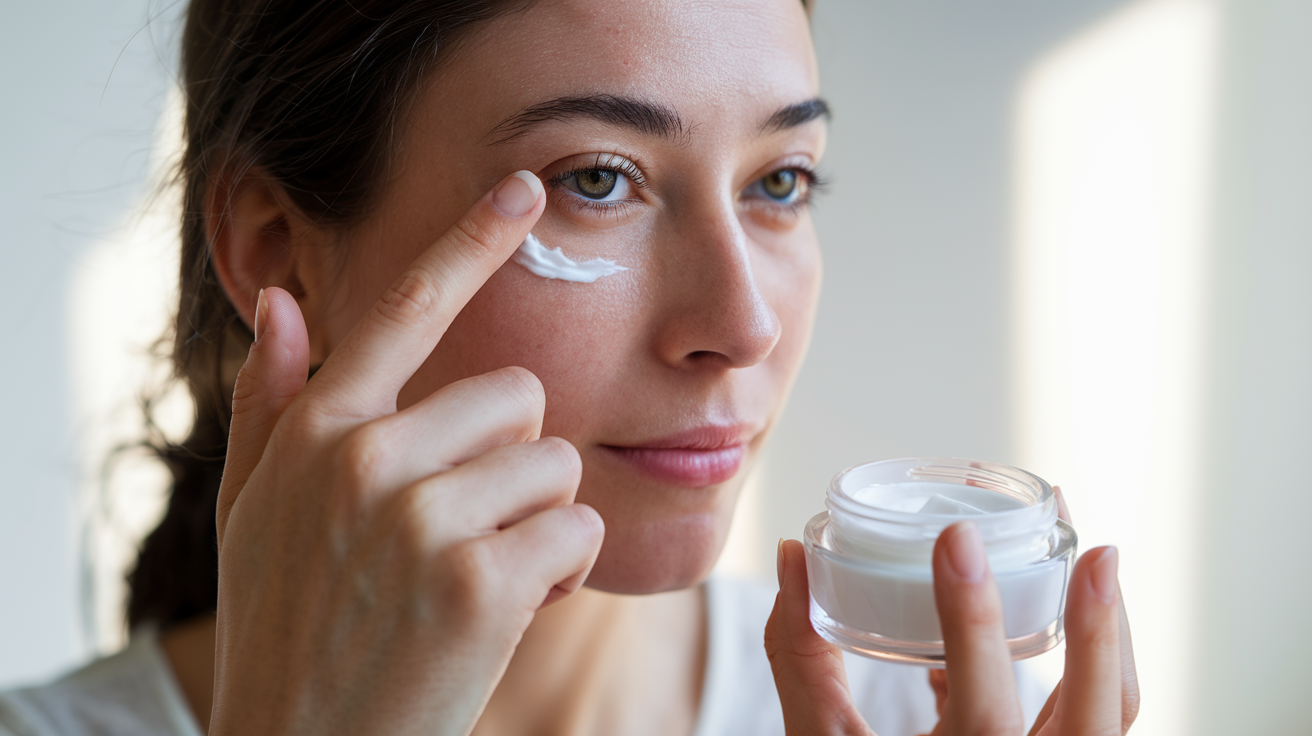
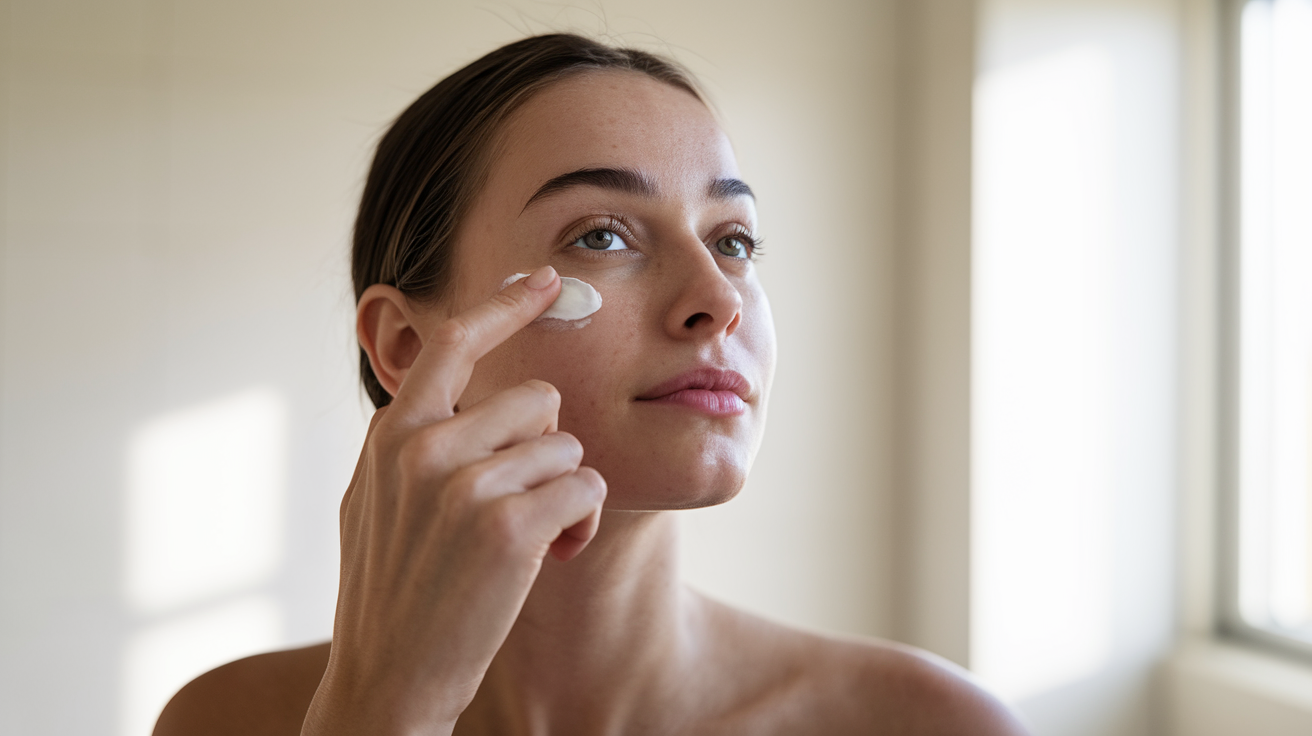
Wait about 30 seconds. You don't need to stand there timing it, but give your serum a moment to settle. Then take a rice-grain-sized amount of eye cream and gently tap it around your orbital bone. Don't rub it in like lotion. Use your ring finger and press lightly until it absorbs.
Once your eye cream is on, apply your face moisturizer. Keep it away from your immediate eye area since you've already treated that skin. Then finish with sunscreen—always. Sunscreen is your last step in the morning, and it's non-negotiable if you want to support healthier-looking skin long-term.
One more thing: if you're using makeup, let your sunscreen set for a minute or two before you start with concealer or foundation. This keeps everything from pilling or sliding around.
Evening Routine: Optimizing Eye Cream Absorption at Night
Nighttime is when your skin does most of its repair work, so this is when layering order really counts. Start by removing all your makeup and sunscreen with a cleansing balm or micellar water. Follow up with your regular cleanser to make sure your skin is completely clean.
If you're using a treatment like retinol or peptides, apply that first on dry skin. Let it absorb fully—this can take a minute or two. Then apply your eye cream the same way you did in the morning: small amount, tap gently, focus on the orbital bone.
After your eye cream has settled, apply your night moisturizer or sleeping cream. If you use a facial oil, that goes on last since oils create a seal over everything else. Some people like to add an extra layer of affiliate one moisture around the eyes at night—if you do, just make sure it's after your eye cream, not before.
Here's a tip that makes a difference: don't tug or pull on the skin around your eyes. That area is delicate and doesn't bounce back the way other parts of your face do. Be gentle, use light pressure, and let the product do the work.
And if you wake up with puffiness, it's usually not the eye cream's fault—it's more about fluid retention, sleep position, or salt intake. But applying your eye cream correctly at night can help support skin that looks smoother and less tired-looking over time.
The order might seem small, but it's one of those details that adds up. When you apply eye cream in the right sequence, morning and night, you're giving that product the best chance to work the way it was meant to. And that's how you build a routine that actually supports the skin you want to see in the mirror.