Disclosure: This post contains affiliate links. We may earn a commission at no extra cost to you.
Why Your Eye Cream Isn't Working: Consistency and Absorption Secrets
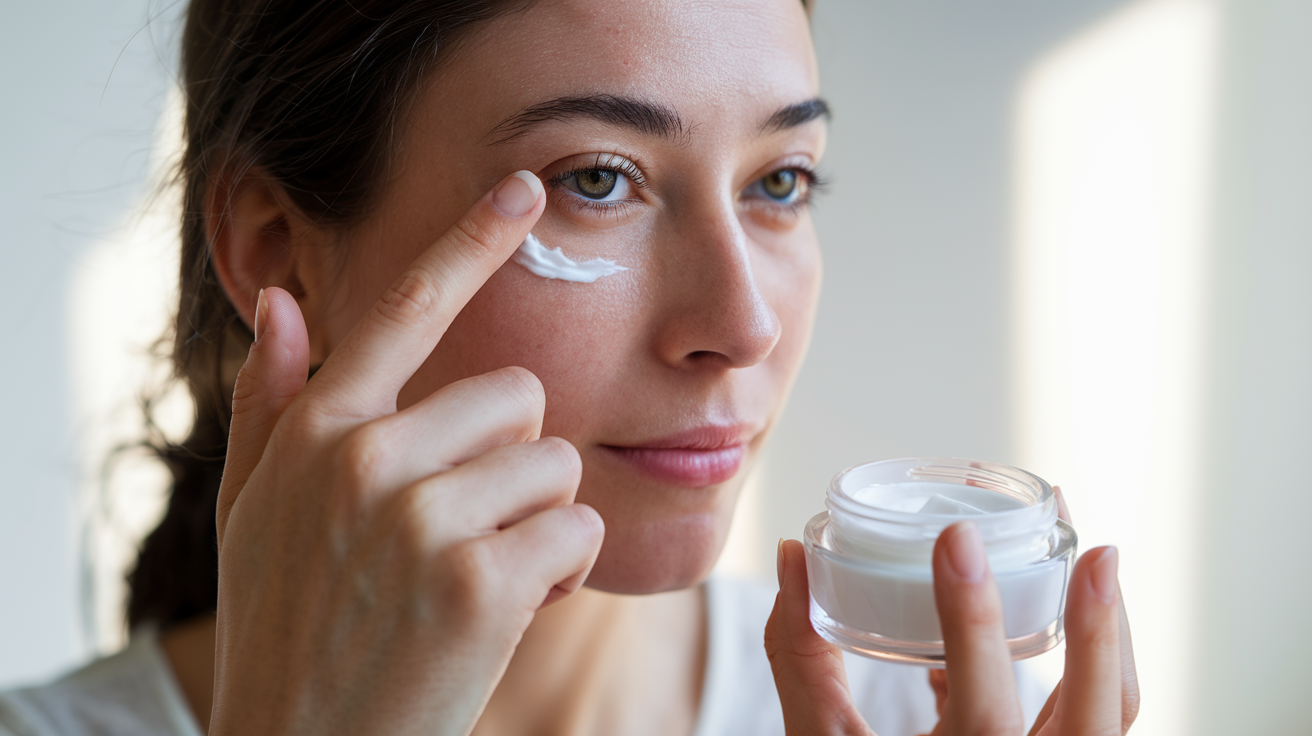
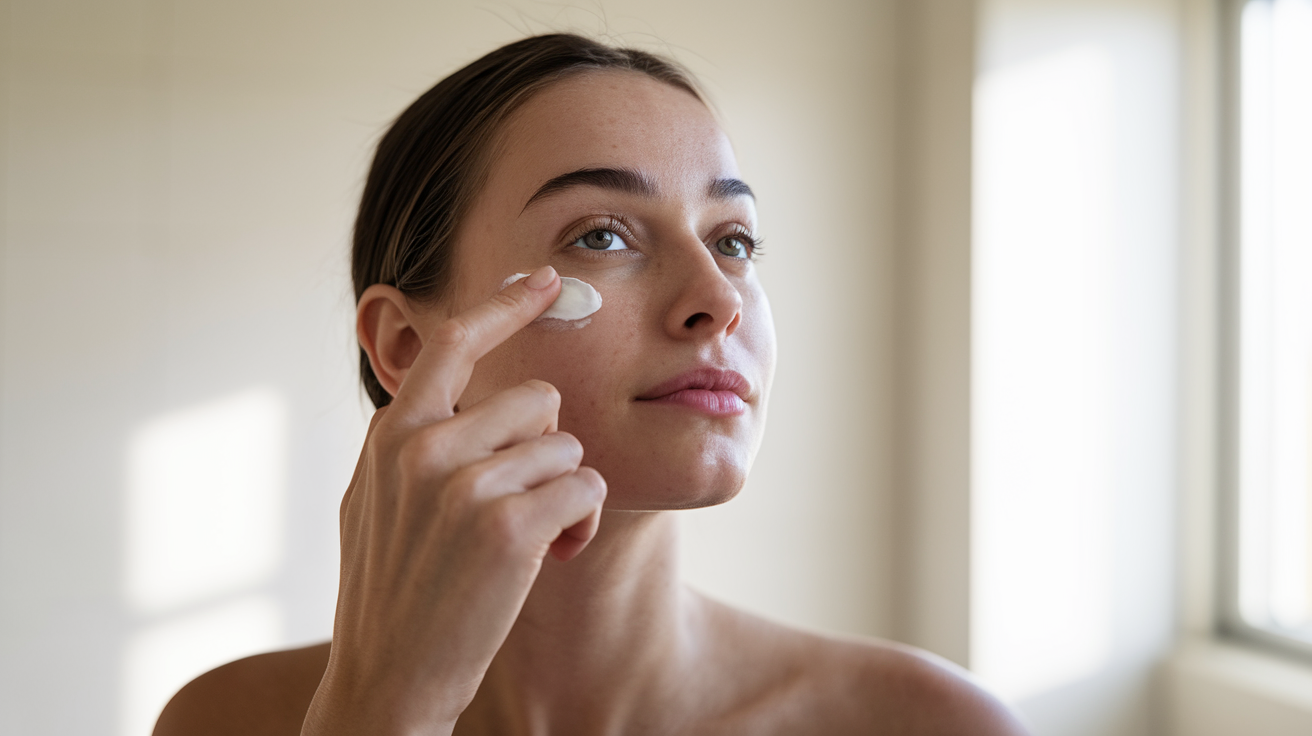
Why does your eye cream just sit on top of your skin instead of sinking in? You're applying it every day, but those fine lines and crepey texture aren't getting any better. The problem usually isn't the product itself—it's how you're using it. Most people make simple mistakes with consistency and absorption that prevent their eye cream from working the way it should.
Let's walk through the four biggest mistakes that stop your eye cream from absorbing properly, so you can finally see smoother-looking skin around your eyes.
Mistake 1: Choosing the Wrong Consistency for Your Skin Type
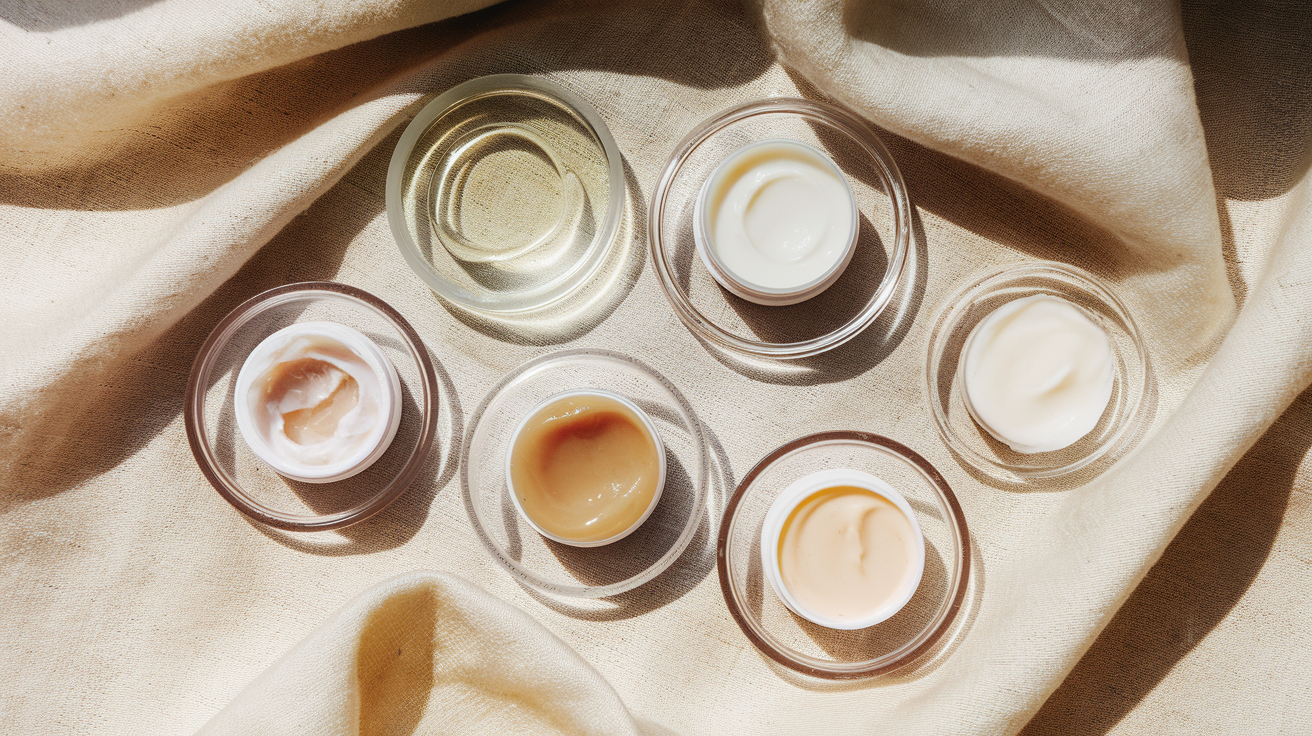
Eye creams come in all different textures—thick balms, lightweight gels, silky serums, and rich butters. But if you pick the wrong consistency for your skin type, you're setting yourself up for poor absorption from the start.
If you have dry or mature skin, you need something richer that can sit on the surface long enough to hydrate without evaporating too quickly. Gel formulas might feel refreshing, but they often don't provide enough moisture for drier under-eyes.
On the other hand, if your under-eye area gets oily or you deal with milia (those tiny white bumps), a heavy cream can clog your skin and just sit there. You'll get better results with a lighter serum or emulsion that sinks in faster.
Your skin type also changes with the seasons. You might need a thicker formula in winter when indoor heating dries everything out, then switch to something lighter in humid summer months.
If you're not sure what consistency works best for your skin, this affiliate one can help you figure out which textures absorb best for your unique under-eye concerns.
Mistake 2: Applying Eye Cream When Your Skin Isn't Ready to Absorb
Timing matters more than most people realize. If you slap on eye cream right after washing your face while your skin is still soaking wet, you're diluting the product before it even has a chance to work.
Water creates a barrier. When your skin is dripping, the eye cream mixes with that water and slides right off instead of penetrating. You end up wiping half the product onto your pillowcase or towel.
But you also don't want your skin to be completely dry and tight. That makes it harder for anything to absorb because your skin is essentially closed up.
The sweet spot is damp skin—not wet, not dry. After cleansing, gently pat your face with a towel until it's about 70% dry. Your skin should feel cool and slightly moist, but not dripping. This is when your skin is most receptive and eye cream can actually sink in.
If you've already dried your face completely, mist it lightly with water or a hydrating toner before applying eye cream. That bit of moisture helps the product spread and absorb instead of just sitting on the surface.
Tired of seeing under-eye lines before you see yourself?
If the tiny creases under your eyes make you look more tired than you feel, this guide shows the simple under-eye routine that helps soften the look of dry lines, crepey texture, and tired skin without guessing or wasting weeks on random products.
Mistake 3: Using Too Much Product and Blocking Absorption
More isn't better when it comes to eye cream. In fact, using too much can actually prevent absorption and make your under-eyes look worse.
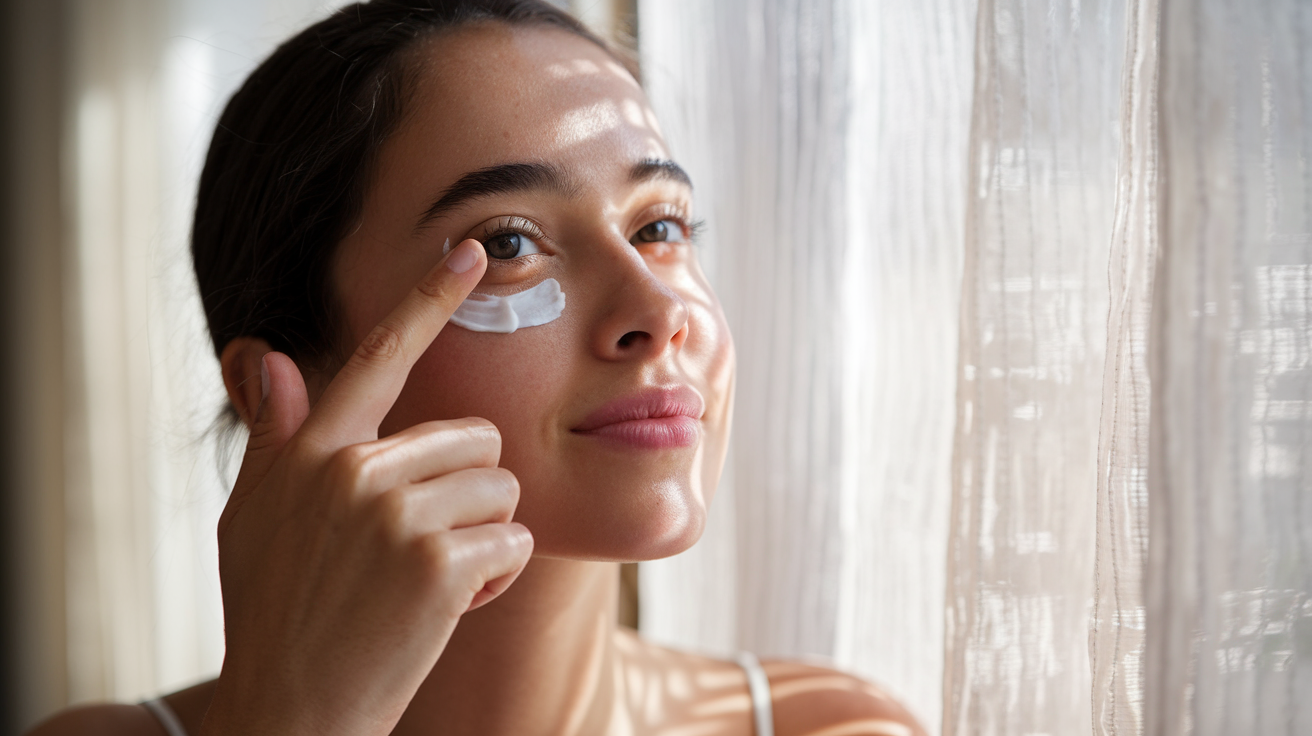
When you use a blob of eye cream the size of a pea for each eye, there's nowhere for all that product to go. Your thin under-eye skin can only absorb so much. The rest just sits on top, creating a greasy film that makes makeup slide around and can even migrate into your eyes.
The right amount is tiny—about half a grain of rice per eye. That's it. It sounds like nothing, but it's enough to cover the entire orbital bone area when you warm it between your fingers and pat it in gently.
If you're used to slathering on eye cream, this will feel weirdly small at first. But you'll notice it actually absorbs instead of sitting there. Your under-eyes will look smoother and less greasy, and your concealer won't slip off two hours later.
Think of it like seasoning food. A little bit enhances everything. Too much ruins the whole dish.
If you need more guidance on proper application amounts and techniques, check out this affiliate one for a complete breakdown of what actually works.
Mistake 4: Not Waiting Between Skincare Layers
Layering skincare is great, but only if you give each layer time to absorb before adding the next one. If you rush through your routine—cleanser, toner, serum, eye cream, moisturizer, sunscreen—everything just mushes together into a pilly mess that never sinks in.
Each product needs about 30 to 60 seconds to start absorbing before you add the next layer. This is especially important for eye cream because the skin there is so thin.
When you apply eye cream immediately after a serum or toner without waiting, you're creating a traffic jam. The products compete for absorption and end up mixing together on the surface instead of penetrating your skin.
Try this instead: after applying your serum, do something else for a minute. Brush your teeth. Put on deodorant. Comb your hair. Then come back and apply your eye cream. Wait another minute before adding face moisturizer.
Yes, your routine takes a few minutes longer. But you'll use less product overall because it's actually absorbing, and you'll see better results because each ingredient can do its job properly.
You'll also avoid pilling—those annoying little balls of product that form when you layer too quickly. Your makeup will go on smoother, and your skin will look less greasy throughout the day.
Stop Wasting Your Eye Cream
These four mistakes are incredibly common, but they're also easy to fix once you know what to look for. Choose the right consistency for your skin type. Apply eye cream when your skin is damp, not soaking wet or bone dry. Use way less product than you think you need. And give each skincare layer time to absorb before piling on the next one.
When you get these basics right, your eye cream can actually do what it's supposed to do—help your under-eyes look smoother, more hydrated, and less tired-looking. You might be surprised how much better your current product works when you use it correctly.