Disclosure: This post contains affiliate links. We may earn a commission at no extra cost to you.
Morning vs Night Eye Cream Routine: When to Apply for Best Results
Are you applying your eye cream at the right time of day? If you're using the same eye cream morning and night, you might be missing out on serious anti-aging benefits. The delicate skin around your eyes has different needs depending on whether you're starting your day or winding down for sleep.
Just like you wouldn't wear pajamas to work or a business suit to bed, your eye cream routine should change based on what your skin needs during different parts of the day. Let's dive into why timing matters and how to maximize your results.

Why Morning and Night Eye Care Differ
Your skin operates on a natural circadian rhythm, just like the rest of your body. During the day, your skin is in defense mode, protecting itself from environmental stressors like UV rays, pollution, and blue light from screens. At night, it shifts into repair mode, working overtime to fix damage and regenerate cells.
The eye area is particularly vulnerable because the skin there is ten times thinner than the rest of your face. It has fewer oil glands, making it prone to dryness, fine lines, and showing signs of aging first.
Morning eye creams are formulated to protect, depuff, and prepare your skin for makeup application. They typically contain lighter textures with ingredients like caffeine, antioxidants, and SPF. Night eye creams, on the other hand, are richer and packed with active ingredients like retinol, peptides, and hyaluronic acid that work while you sleep.
Understanding this difference is crucial for getting the most out of your skincare investment. For more detailed guidance on choosing the right formulas, check out this affiliate one resource.
Your Morning Eye Cream Routine: Protection and Prep
Your morning eye cream routine should focus on three main goals: reducing puffiness, protecting against environmental damage, and creating a smooth base for concealer or makeup.
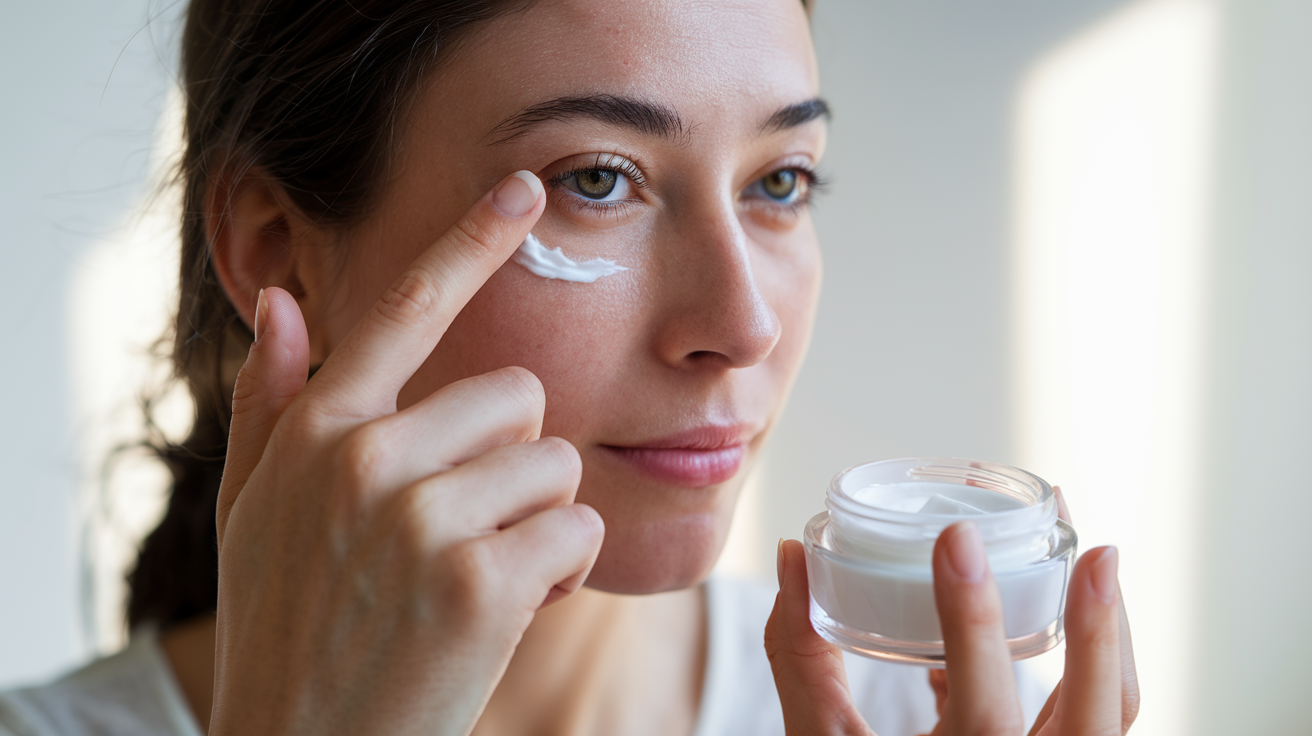
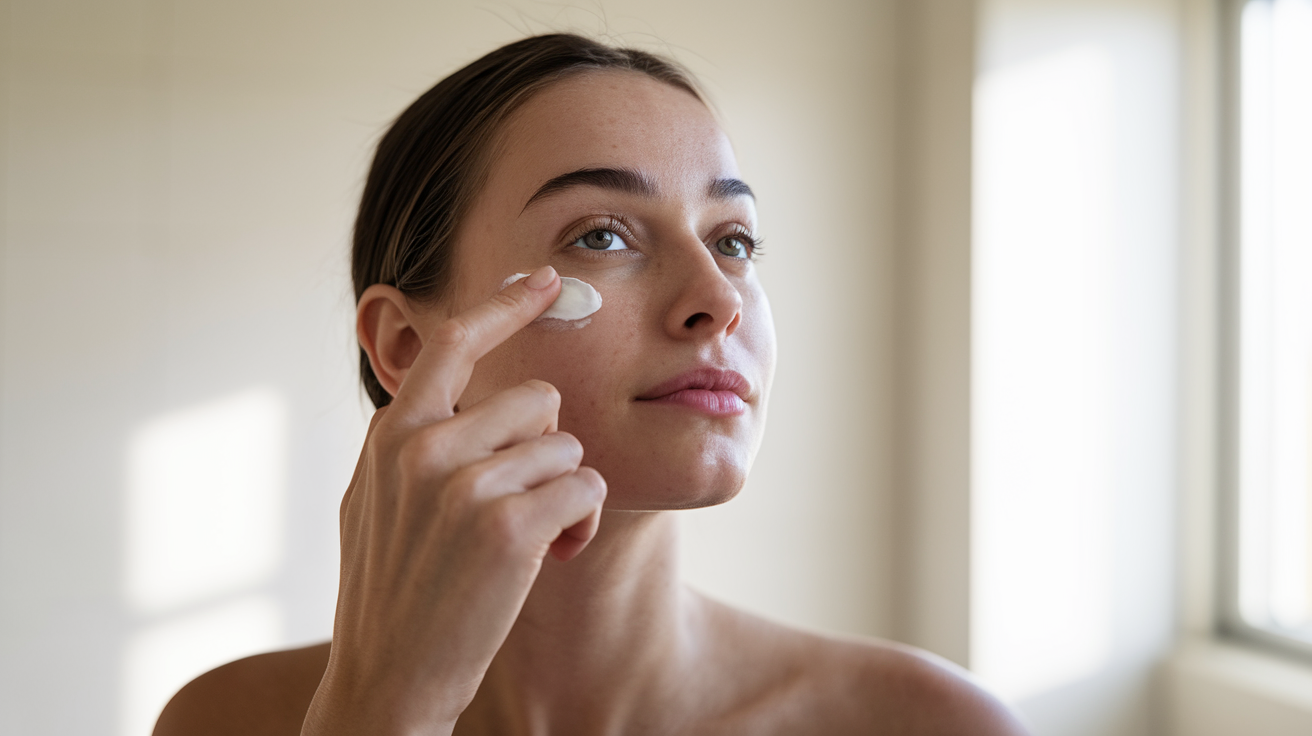
Start by gently cleansing your face with lukewarm water. Pat the eye area dry without rubbing or tugging. While your skin is still slightly damp, apply a pea-sized amount of your morning eye cream using your ring finger, which applies the least pressure.
Look for morning formulas with caffeine to constrict blood vessels and reduce under-eye bags. Vitamin C and other antioxidants shield your skin from free radical damage throughout the day. Some eye creams include light-reflecting particles that instantly brighten dark circles.
Always apply your eye cream before sunscreen and makeup. Tap it gently along the orbital bone, starting from the inner corner and working outward. Never apply eye cream too close to your lash line, as it can migrate into your eyes.
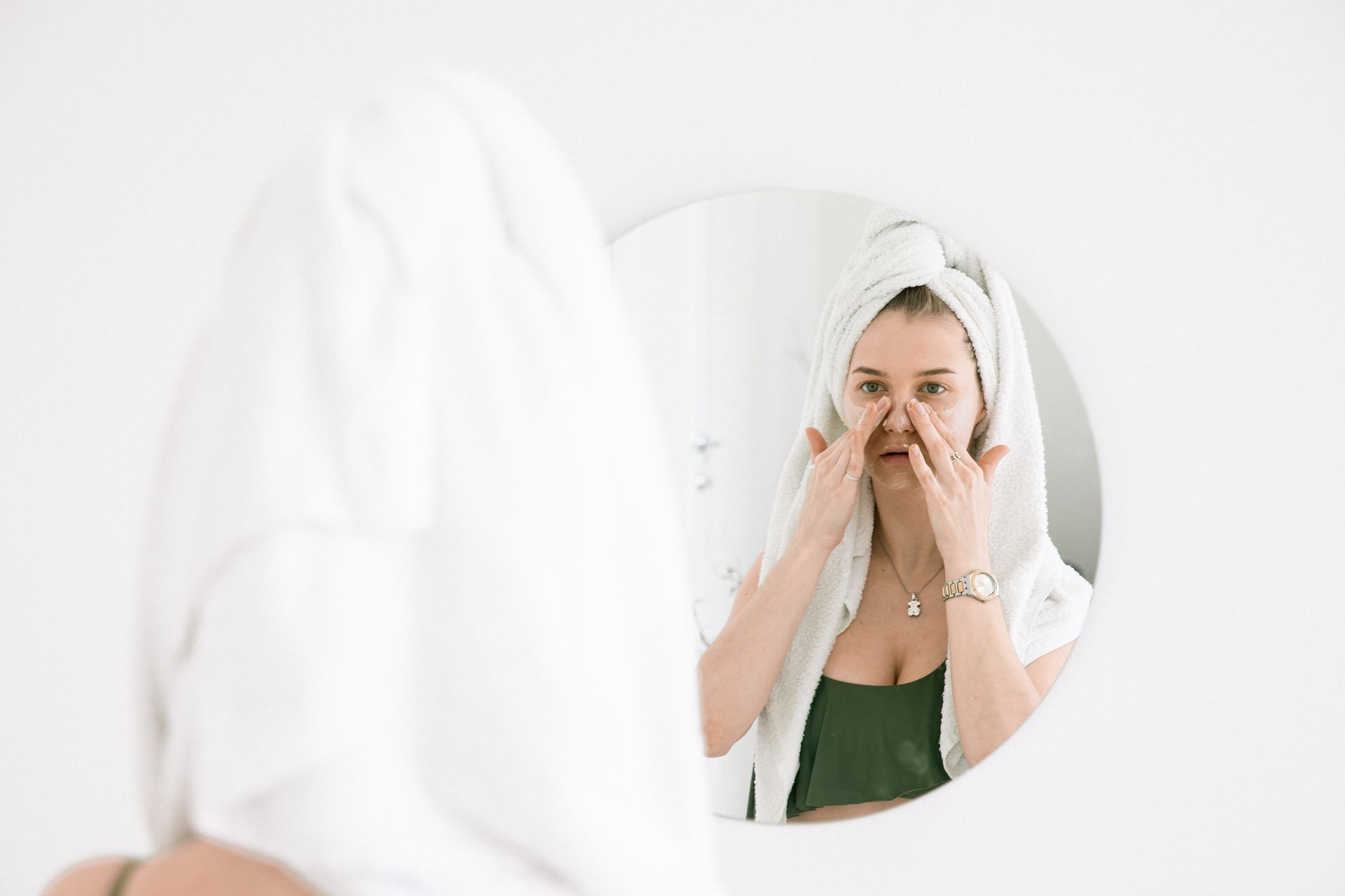
A lightweight texture is essential for morning application. Heavy creams can cause makeup to slide off or settle into fine lines. If you're wearing concealer, wait 2-3 minutes for your eye cream to fully absorb before applying it.
Want more tips? Join our free newsletter
Your Night Eye Cream Routine: Repair and Renewal
Your nighttime routine is when the real anti-aging magic happens. Between 10 PM and 2 AM, your skin's cell regeneration rate nearly doubles, making it the perfect time to use potent active ingredients.
After removing all makeup and cleansing thoroughly, apply any treatment serums to your face first. Your night eye cream should go on after serums but before heavier moisturizers to ensure proper absorption.
Night eye creams can be richer and more emollient than their daytime counterparts. Look for ingredients like retinol to boost collagen production, peptides to firm and strengthen, and ceramides to repair the skin barrier.
Hyaluronic acid is especially beneficial at night because it draws moisture from the air into your skin while you sleep. Some formulas include bakuchiol, a natural retinol alternative that's gentler on sensitive eye areas.
Apply your night eye cream generously compared to your morning application. Use gentle tapping motions to stimulate circulation and lymphatic drainage. This not only helps the product absorb better but also reduces fluid retention that causes morning puffiness.
For comprehensive product recommendations tailored to your specific concerns, this affiliate one guide offers expert insights.
Common Mistakes That Reduce Eye Cream Effectiveness
Even with the right products, poor application techniques can sabotage your results. One of the biggest mistakes is applying too much product. Eye creams are concentrated formulas, and more isn't better. A rice grain-sized amount for both eyes is sufficient.
Rubbing or pulling the delicate eye area creates more wrinkles over time. Always use a gentle patting motion and never drag the skin. Another common error is applying eye cream too close to the lash line, which can cause irritation and milia (tiny white bumps).
Skipping sunscreen around your eyes during the day negates much of your anti-aging efforts. UV damage is the number one cause of premature aging. Either use an eye cream with SPF or carefully apply your facial sunscreen around the eye area.
Inconsistency is perhaps the biggest mistake of all. Eye creams require at least 4-6 weeks of consistent use to show visible results. Switching products too frequently doesn't give your skin time to respond to active ingredients.
Finally, using the wrong formula for the wrong time of day can backfire. Heavy retinol creams in the morning increase sun sensitivity, while lightweight caffeine gels at night won't provide enough nourishment for overnight repair.
The key to youthful, bright eyes isn't just about buying expensive products—it's about using the right formulas at the right time and applying them correctly. By separating your morning and night eye cream routines, you're giving your skin exactly what it needs when it needs it most. Start implementing these changes today, and in just a few weeks, you'll notice firmer, brighter, more refreshed-looking eyes staring back at you in the mirror.