Disclosure: This post contains affiliate links. We may earn a commission at no extra cost to you.
Can You Use Face Moisturizer Under Your Eyes? What Dermatologists Say
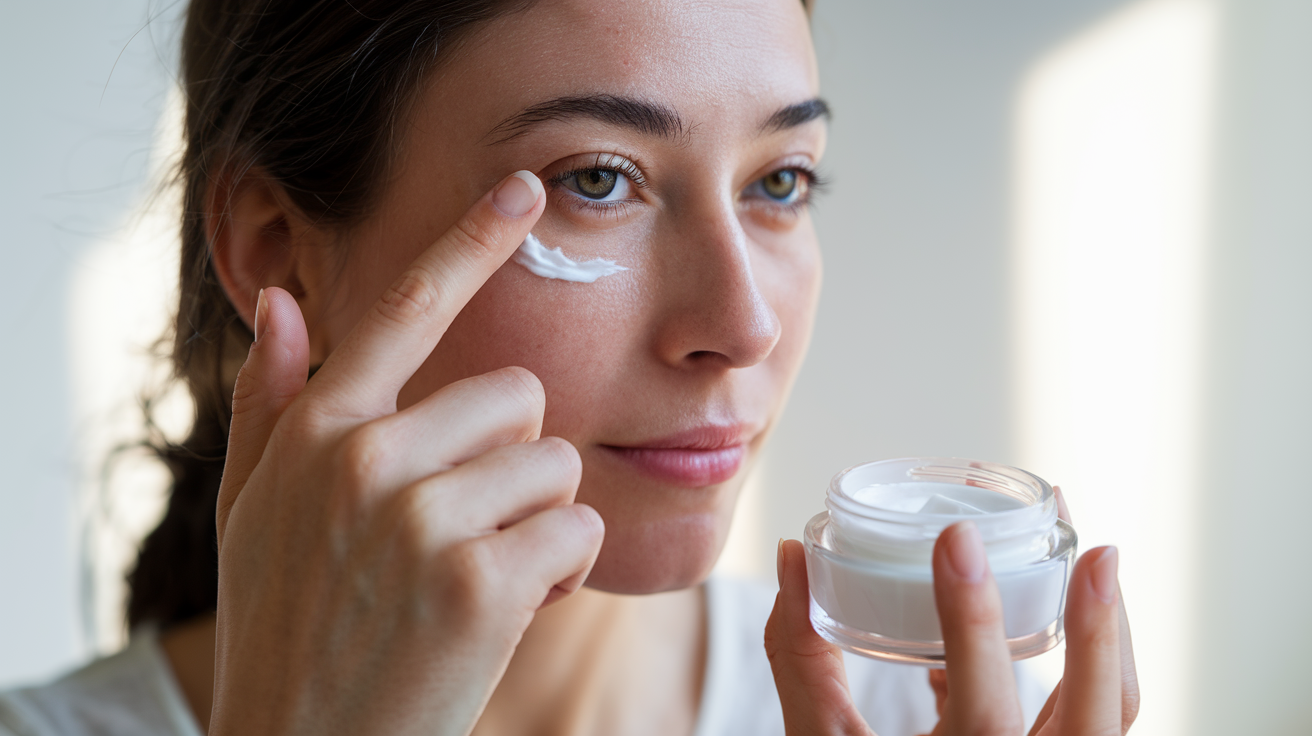
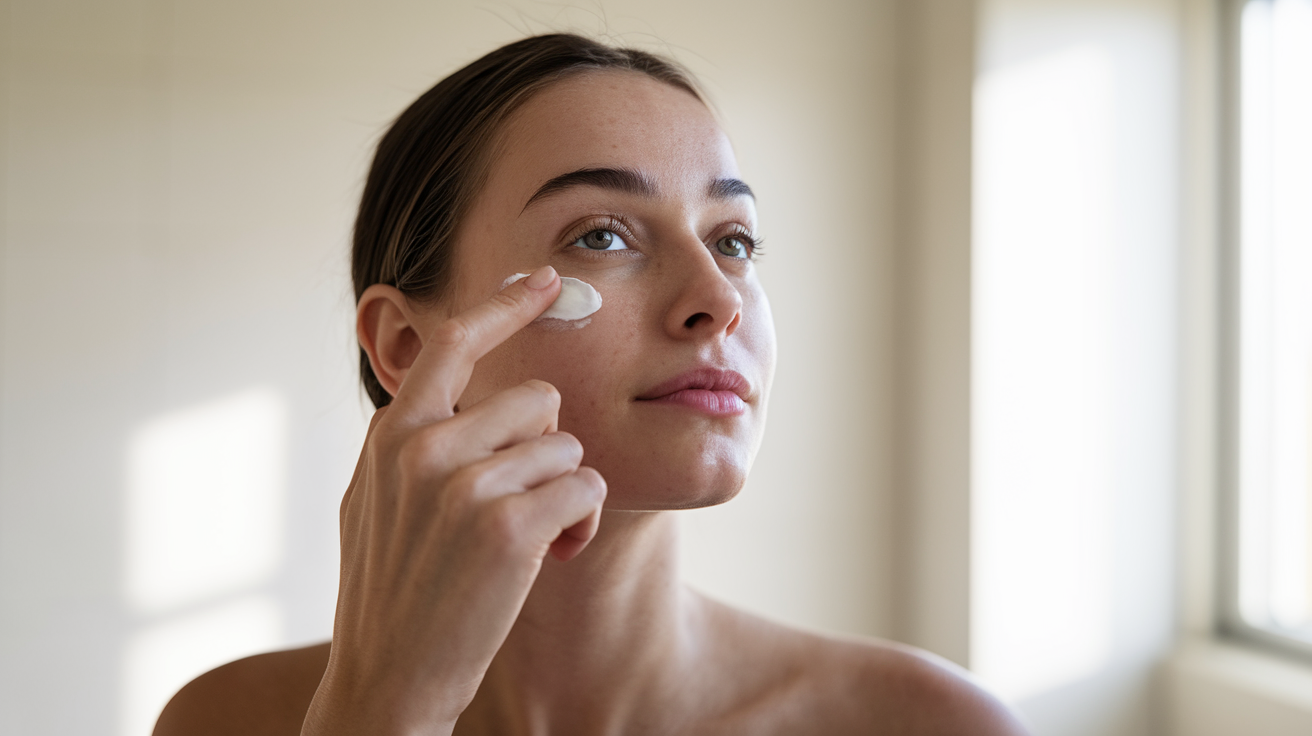
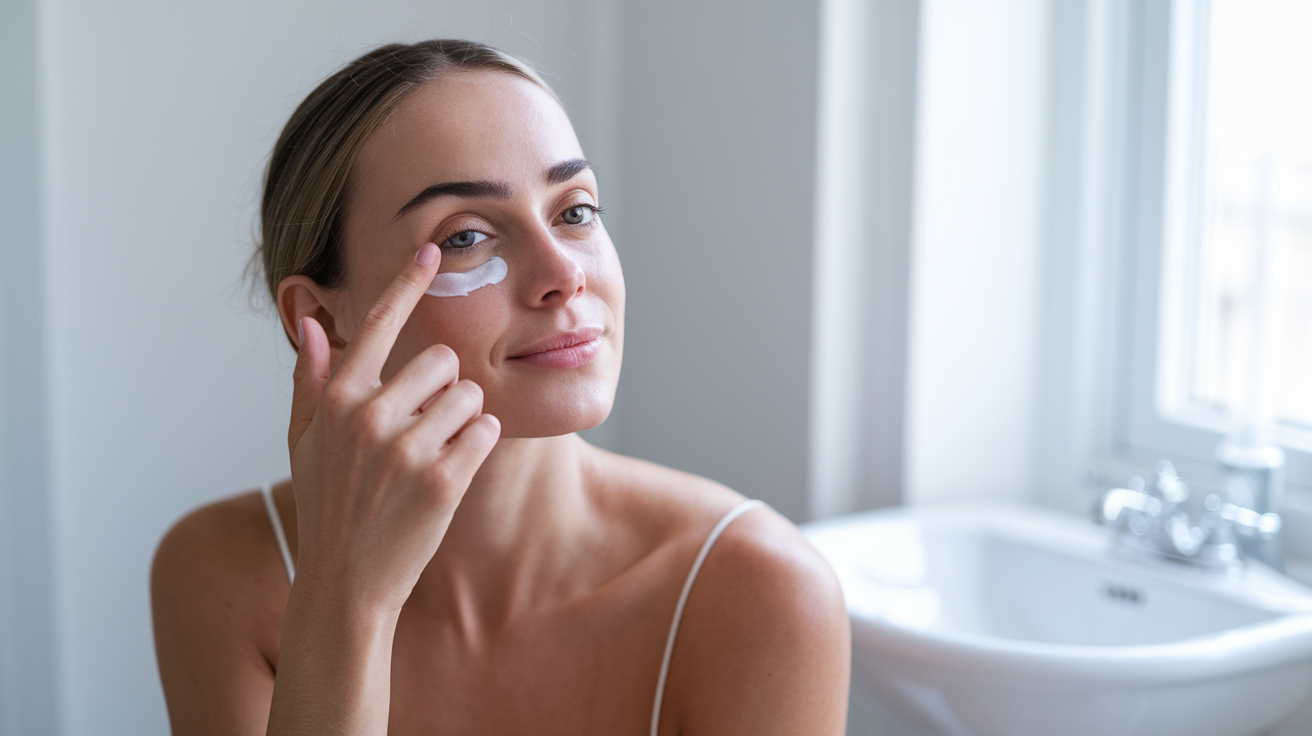
Have you ever run out of eye cream and wondered if you could just swipe your regular face moisturizer under your eyes instead? You're not alone. This question comes up constantly in skincare communities, and the answer isn't as simple as yes or no. While some face moisturizers are perfectly fine for the under-eye area, others can cause irritation, puffiness, or even make fine lines look more noticeable. Let's break down what dermatologists actually recommend.
Why the Under Eye Area Needs Special Attention
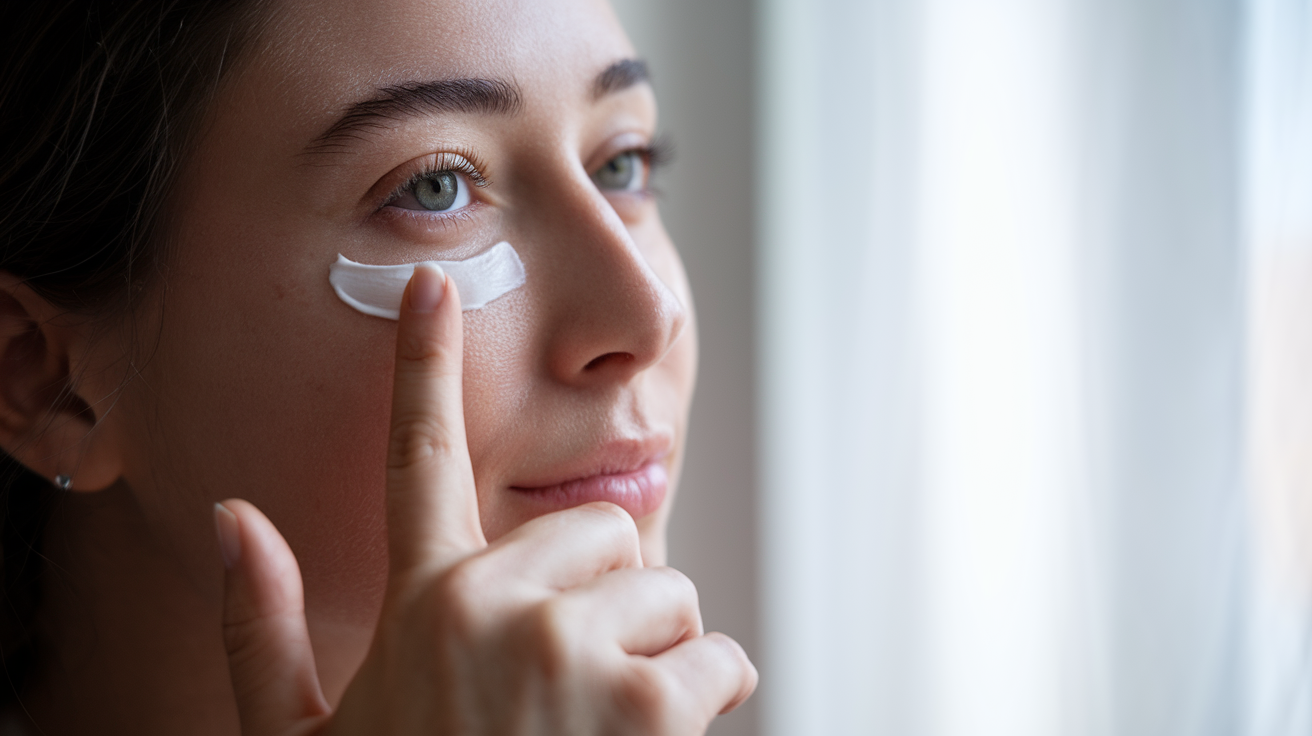
The skin under your eyes is thinner than anywhere else on your face. We're talking about one-tenth the thickness of the skin on your cheeks. This delicate area has fewer oil glands, less collagen support, and almost no fat padding underneath.
Because of this unique structure, the under-eye zone tends to show signs of aging earlier than other areas. It's also more reactive to ingredients that your forehead or cheeks might handle just fine.
Think about how much this area moves throughout the day. Every blink, squint, smile, and facial expression creates micro-movements that can contribute to visible creases over time. Add in lack of sleep, rubbing your eyes, or removing makeup roughly, and you've got a zone that needs gentler, more targeted care.
This doesn't automatically mean you need a separate product for every part of your face. But it does mean paying attention to what you're putting near your eyes matters more than you might think.
Key Differences Between Eye Cream and Face Moisturizer
Eye creams and face moisturizers are formulated with different goals in mind. Eye creams typically have a gentler pH and skip potentially irritating ingredients like strong retinoids, fragrances, or essential oils that could sting or cause puffiness.
The texture is usually lighter too. Many face moisturizers contain richer emollients or occlusive ingredients that can feel heavy on the thin under-eye skin or cause milia, those tiny white bumps that appear when pores get clogged.
Eye creams often include ingredients chosen specifically for common under-eye concerns like dark circles, puffiness, or the appearance of crepey texture. Caffeine, peptides, hyaluronic acid in smaller molecular weights, and antioxidants like vitamin C or niacinamide show up frequently in eye formulas.
Face moisturizers, on the other hand, may focus on treating acne, balancing oil production, or addressing concerns across larger areas of skin. These goals don't always align with what the under-eye area needs.
If you're looking for a affiliate one to help you choose products that work with your skin instead of against it, understanding these formulation differences is a great starting point.
Tired of seeing under-eye lines before you see yourself?
If the tiny creases under your eyes make you look more tired than you feel, this guide shows the simple under-eye routine that helps soften the look of dry lines, crepey texture, and tired skin without guessing or wasting weeks on random products.
When Face Moisturizer Can Work for Under Eyes
Not everyone needs a separate eye cream. If your face moisturizer has a simple, gentle formula without fragrance or irritating actives, it might work perfectly fine under your eyes.
Look for moisturizers with soothing ingredients like ceramides, glycerin, squalane, or hyaluronic acid. These hydrate without overwhelming the delicate eye area. Many dermatologists use basic, fragrance-free face creams around their own eyes without issues.
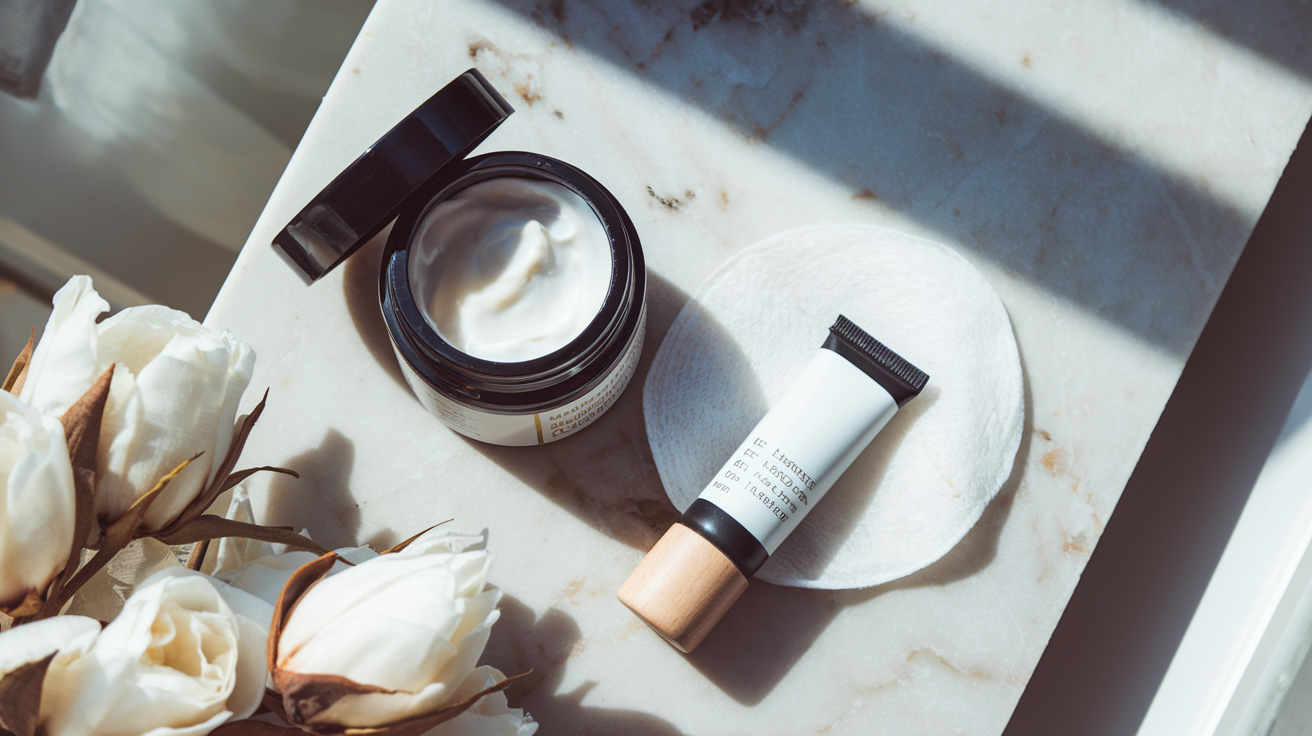
Younger skin that doesn't yet show visible signs of aging around the eyes can often get away with using the same moisturizer everywhere. If you're in your twenties with no puffiness, dark circles, or fine lines, a good lightweight face cream may be all you need.
The key is paying attention to how your skin responds. If you wake up with puffy eyes, notice stinging or redness, or feel like the area looks greasier than the rest of your face, your moisturizer might be too heavy or contain something your under-eyes don't like.
Another factor is your skin type. People with very dry skin may find that their hydrating face moisturizer works beautifully under the eyes. Those with oily or combination skin might need something lighter in that zone to avoid congestion.
Signs You Need a Dedicated Eye Cream Instead
Some situations call for a product specifically designed for the eye area. If you're dealing with persistent dark circles, noticeable puffiness, or the appearance of fine lines and crepey texture, an eye cream with targeted ingredients will likely serve you better than your regular face moisturizer.
Watch for irritation. If your face moisturizer stings, burns, or makes your eyes water when applied near them, don't push through it. That's a clear sign the formula isn't appropriate for that area.
Milia is another red flag. Those small white bumps that appear under the eyes often mean your moisturizer is too occlusive or comedogenic for the thin skin in that zone. Switching to a lighter eye cream can help prevent new ones from forming.
If you use active ingredients like retinol, AHAs, or BHAs in your face moisturizer, keep them away from your immediate under-eye area unless you have a gentler eye-specific version. These actives can be too strong for the delicate skin there and cause irritation or increased sensitivity.
Age and specific concerns matter too. As skin matures and begins showing visible changes around the eyes, a targeted eye cream with peptides, antioxidants, or gentle retinoid alternatives can help support a smoother-looking, less tired appearance over time.
The affiliate one breaks down exactly which ingredients work best for different under-eye concerns, so you're not just guessing at the drugstore.
The Bottom Line
You can use face moisturizer under your eyes if it's gentle, fragrance-free, and doesn't cause irritation or puffiness. Many people do this without any problems, especially if they're younger or have minimal under-eye concerns.
But if you're noticing specific issues like dark circles, fine lines, crepey texture, or puffiness, a dedicated eye cream with targeted ingredients will likely give you better support for a smoother, more refreshed-looking appearance.
Listen to your skin. If your current routine is working, there's no need to add another product just because the beauty industry says you should. But if you're struggling with tired-looking eyes despite using your regular moisturizer, it might be time to try something formulated specifically for that area.
Start with one change at a time, give products at least four to six weeks to show any visible difference, and remember that consistency matters more than having a dozen different creams.