Disclosure: This post contains affiliate links. We may earn a commission at no extra cost to you.
Why Your Eye Cream Needs SPF: Protecting Delicate Under Eye Skin from Sun Damage
Have you ever wondered why your under eye area seems to age faster than the rest of your face? Even if you're diligent about applying sunscreen to your face every morning, the delicate skin around your eyes might still be missing out on critical sun protection. This oversight can accelerate the appearance of fine lines, dark circles, and crepey texture in an area that's already vulnerable.
The under eye area is incredibly thin and delicate, making it one of the first places to show visible signs of aging. Yet most people skip SPF in this zone entirely, or they assume their face sunscreen is enough. The truth is, this oversight can make your eyes look more tired and aged than they need to, even when you're doing everything else right in your skincare routine.
Let's explore why SPF specifically formulated for the eye area matters, how sun damage affects this sensitive zone, and how to choose and layer the right products to help maintain smoother-looking, less tired-looking eyes.
Why the Under Eye Area Needs Extra Sun Protection
The skin under your eyes is roughly ten times thinner than the skin on the rest of your face. This means it has fewer layers of protection against environmental stressors, including UV radiation.
When you apply regular face sunscreen, you probably avoid getting too close to your eyes to prevent stinging or irritation. This creates a gap in your sun protection exactly where your skin is most vulnerable. The result? Unprotected delicate skin that's constantly exposed to UV rays whenever you're outdoors, driving, or even sitting near windows.
UV exposure doesn't just happen at the beach. It occurs during your morning commute, while running errands, and through windows in your home or office. UVA rays, which penetrate deeply into the skin and contribute to premature aging, pass right through glass. Without proper protection, these rays can gradually break down the limited collagen and elastin in the under eye area.
An eye cream with SPF is specifically formulated to be gentle enough for this sensitive zone while still providing meaningful sun protection. These products typically use mineral filters like zinc oxide or titanium dioxide, which sit on the skin's surface and physically block UV rays rather than absorbing them.
Tired of seeing under-eye lines before you see yourself?
If the tiny creases under your eyes make you look more tired than you feel, this guide shows the simple under-eye routine that helps soften the look of dry lines, crepey texture, and tired skin without guessing or wasting weeks on random products.
How UV Damage Accelerates Under Eye Wrinkles and Dark Circles
Sun damage doesn't announce itself with an immediate sunburn under your eyes. Instead, it accumulates quietly over time, breaking down the skin's structural support and creating visible changes you might attribute to simply getting older.
UV radiation generates free radicals in the skin, which damage collagen and elastin fibers. Since the under eye area has less of these supportive proteins to begin with, the impact becomes visible more quickly. The skin may start to look thinner, more crepey, and less resilient.
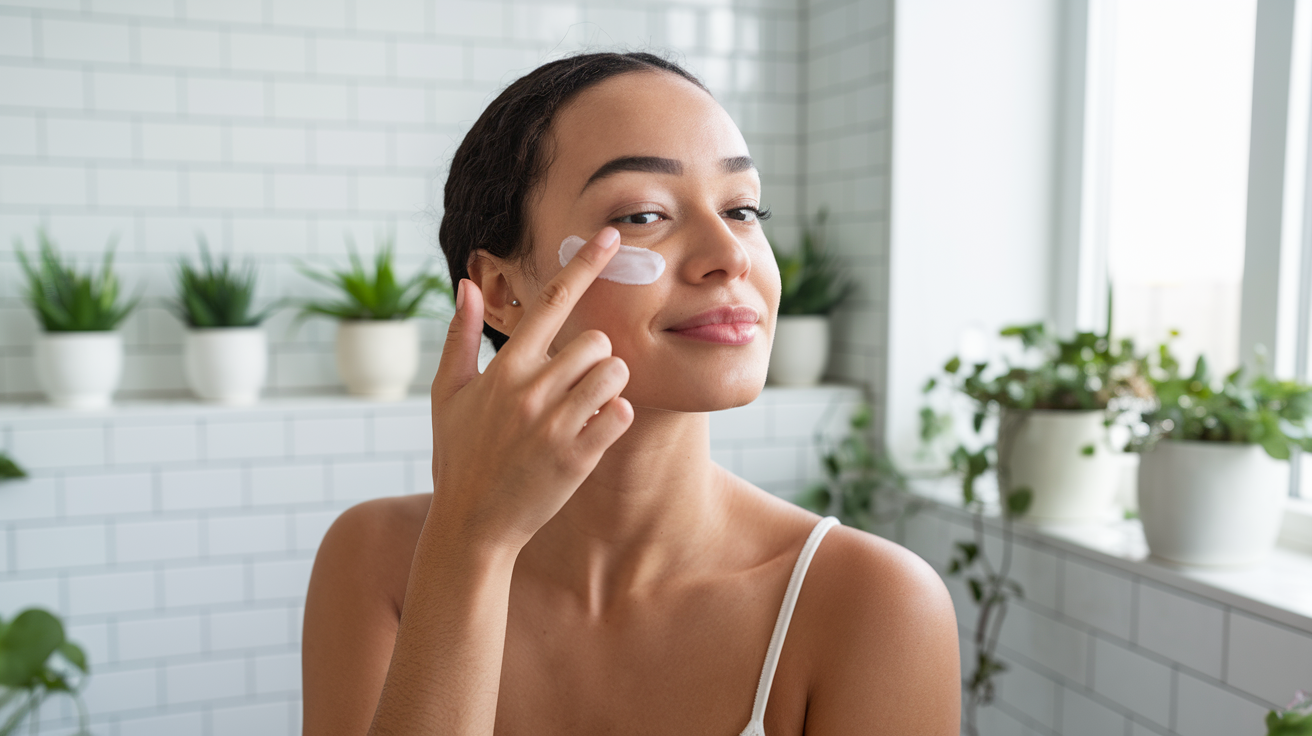
Fine lines around the eyes often deepen faster with unprotected sun exposure. The repeated squinting you do in bright sunlight creates expression lines that, when combined with UV damage to the skin's structure, can become more pronounced over time.
Dark circles can also worsen with sun exposure. UV rays stimulate melanin production, and the thin under eye skin can show this hyperpigmentation more visibly than thicker areas of your face. For those who already have darkness under their eyes due to visible blood vessels or natural shadowing, sun damage can add an extra layer of discoloration that makes eyes look even more tired.
The affiliate one resource explains how protecting this delicate area fits into a comprehensive approach to maintaining smoother-looking under eye skin as you age.
Choosing the Right SPF Eye Cream: What to Look For
Not all eye creams with SPF are created equal. The key is finding one that provides adequate protection without causing irritation, white cast, or that uncomfortable heavy feeling under your eyes.
Look for mineral sunscreen ingredients like zinc oxide or titanium dioxide. These physical blockers are less likely to irritate sensitive eye area skin compared to chemical filters. They create a physical barrier that reflects UV rays away from the skin rather than absorbing them.
The SPF number matters. Aim for at least SPF 30 for meaningful daily protection. While higher SPF numbers offer incrementally more protection, SPF 30 blocks about 97% of UVB rays when applied properly, making it a solid baseline for everyday use.
Check for broad spectrum protection. This means the product shields against both UVA rays (which age skin) and UVB rays (which burn skin). Both types contribute to premature aging, so you want coverage against the full spectrum.
Consider the texture. Eye creams with SPF should absorb smoothly without pilling, feeling greasy, or creating a thick layer that interferes with makeup application. Many modern formulations use micronized mineral filters that blend more seamlessly into the skin.
Added beneficial ingredients can enhance your results. Look for formulations that include antioxidants like vitamin C or niacinamide, which help defend against free radical damage. Peptides and ceramides can support the skin barrier while you're protecting it from the sun.
The affiliate one guide walks you through building a complete protective routine that addresses multiple concerns in the under eye area simultaneously.
How to Layer SPF Eye Cream in Your Anti-Aging Routine
Adding SPF eye cream to your routine is simple once you understand the proper order of application. The goal is to maximize both the skincare benefits and sun protection without compromising either.
Start with a clean face. Your morning cleanse removes overnight skincare products, oils, and any debris that could interfere with even SPF application.
Apply any treatment serums next. If you use a vitamin C serum, hyaluronic acid, or other targeted treatments around your eyes, apply these first on clean skin. Let them absorb for a minute or two.
Follow with your regular eye cream if it doesn't contain SPF. This provides hydration and any anti-aging ingredients you rely on. Let this layer absorb fully before moving to the next step.
Now apply your SPF eye cream. Use your ring finger to gently pat the product along the orbital bone, avoiding the immediate lash line. Don't rub or drag, as this can pull on the delicate skin. Make sure you're applying enough product for adequate coverage.
Let the SPF eye cream set for a few minutes before applying face sunscreen. This prevents the products from mixing and potentially reducing the effectiveness of either one.
Apply your face sunscreen, carefully blending it up to (but not directly over) the SPF eye cream. Some gentle overlap is fine, but you don't want to rub away the eye-specific protection you just applied.
If you wear makeup, let your SPF set completely first. Most mineral sunscreens need about five minutes to fully dry down. Then you can apply concealer or other eye makeup without disrupting your sun protection.
Reapplication throughout the day can be tricky with eye makeup. On days when you're spending extended time outdoors, consider using a mineral powder SPF that you can dust over your makeup, or plan your outdoor activities for times when you can reapply fresh SPF.
Consistency matters more than perfection. Using an SPF eye cream every single morning, even on cloudy days and when you're staying indoors, creates a foundation of protection that supports smoother-looking, more resilient under eye skin over time.
The under eye area might be small, but it plays an outsized role in how rested and youthful your face looks. Protecting it from daily UV exposure is one of the most straightforward ways to help maintain softer, less tired-looking eyes as you age. By choosing a gentle, effective SPF eye cream and making it a non-negotiable step in your morning routine, you're giving this delicate skin the specific protection it needs to look its best.