Disclosure: This post contains affiliate links. We may earn a commission at no extra cost to you.
When to Apply Eye Cream in Your Skincare Routine: The Complete Order Guide
Are you applying eye cream at the wrong time and wondering why your under-eye area still looks tired? The order in which you layer your products can make a surprising difference in how well they actually work. Eye cream isn't just another step to squeeze in randomly—it has a specific place in your routine, and getting that placement right helps the ingredients perform better.
If you've been dabbing on eye cream whenever it feels convenient, or layering it over heavy serums and moisturizers, you might be blocking it from doing its job. The delicate skin around your eyes needs targeted care, but only if you're giving those ingredients a clear path to absorb.
Why Eye Cream Placement Matters for Maximum Results
The skin under your eyes is thinner than the rest of your face, which means it absorbs products differently. If you apply eye cream after heavy moisturizers or oils, those richer formulas create a barrier that can prevent the eye cream from penetrating properly.
Think of your skincare routine like building layers of paint. If you apply a thin coat over a thick, waxy one, it just sits on top. The same thing happens with skincare. Lighter formulas should always go on before heavier ones so they can sink in and do their work.
Eye creams are usually designed with specific ingredients like peptides, caffeine, or niacinamide that target concerns like puffiness, dark circles, or the appearance of fine lines. But these ingredients need direct contact with your skin to be effective. When you apply them in the wrong order, you're essentially diluting their impact.
Another reason placement matters? The under-eye area is prone to dryness and sensitivity. Applying eye cream at the right time helps lock in hydration without overwhelming the skin with too many products at once.
The Correct Order: Where Eye Cream Fits in Your Morning Routine
Your morning routine should focus on protection and hydration. Here's where eye cream fits in that sequence:
Step 1: Cleanser
Start with a gentle cleanser to remove overnight oil and prep your skin. Pat dry—don't rub, especially around the eyes.
Step 2: Toner or Essence
If you use a toner or hydrating essence, apply it now. These watery formulas go on first because they're the thinnest.
Step 3: Serum
Apply any treatment serums like vitamin C or hyaluronic acid. Use them on your entire face, but avoid the immediate under-eye area if they contain potent actives.
Step 4: Eye Cream
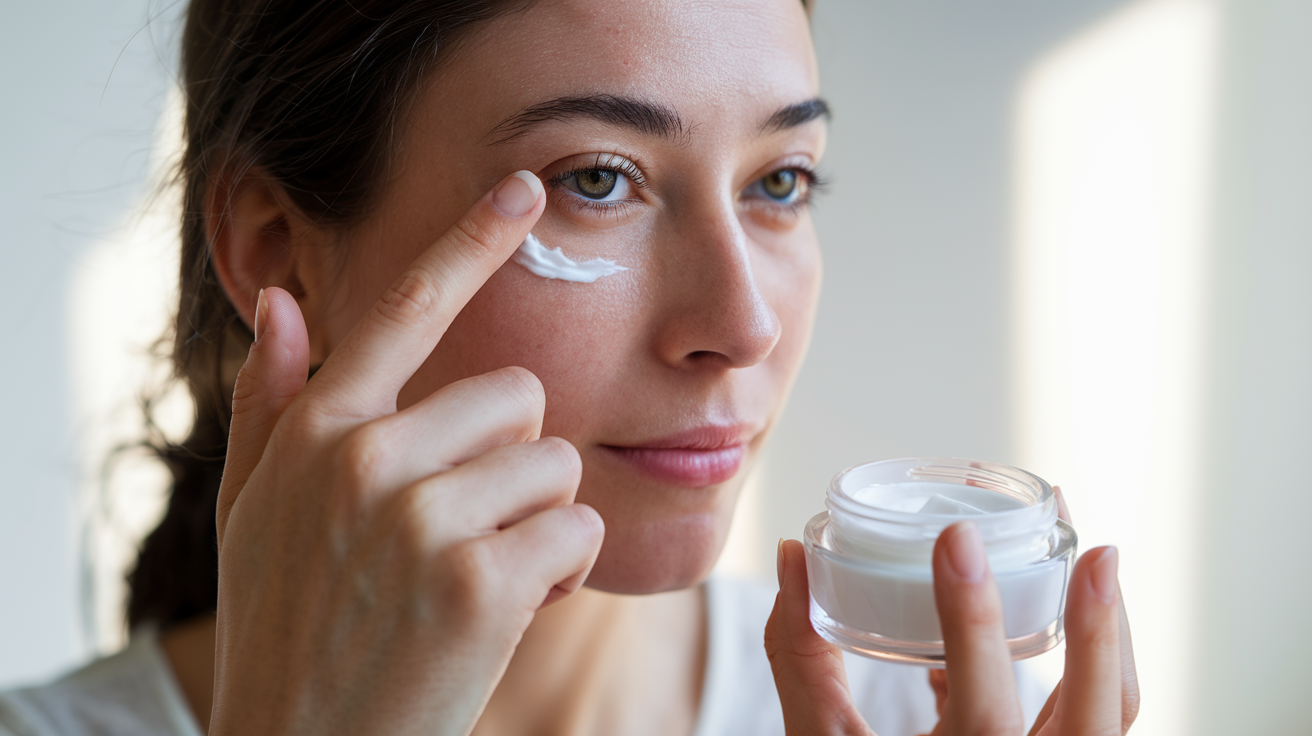
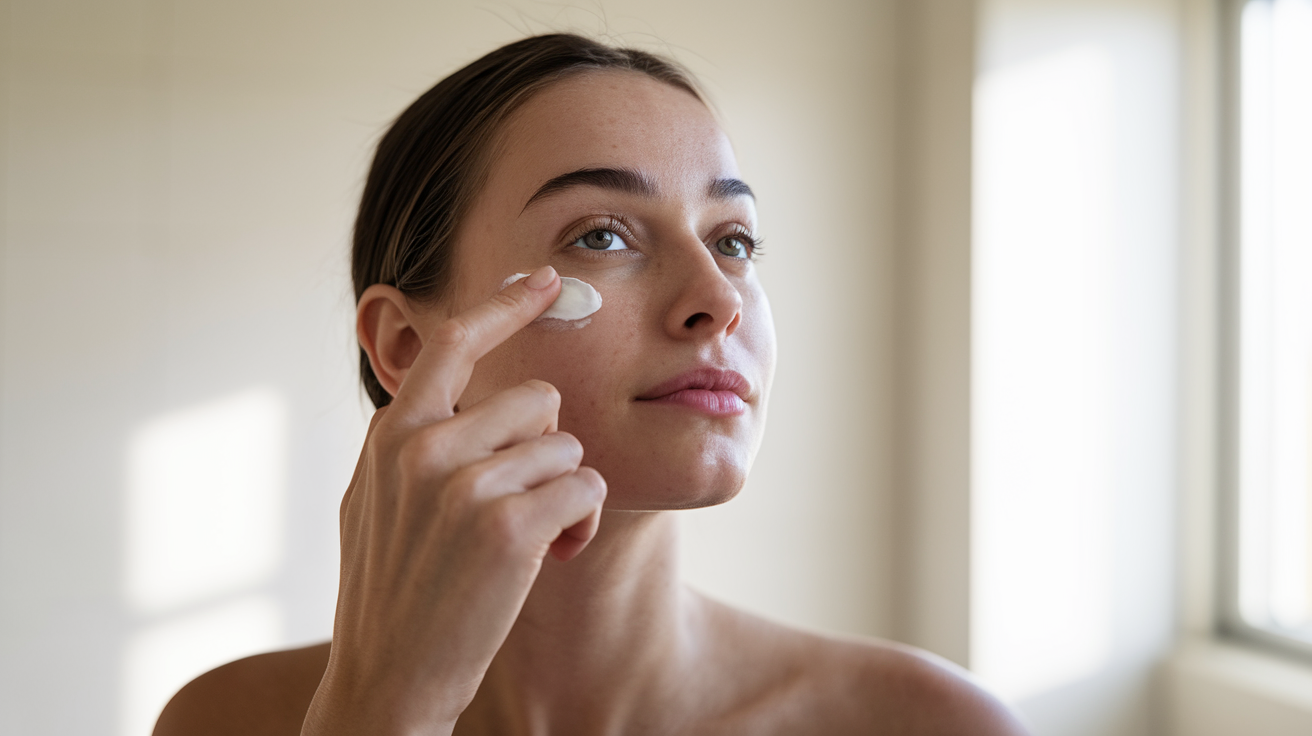
Now it's time for eye cream. Use your ring finger to gently tap a small amount around the orbital bone. Start from the inner corner and work outward. Don't apply it too close to your lash line.
Step 5: Moisturizer
Follow with your regular face moisturizer. You can bring it up to the eye area, but don't replace your eye cream with it—face moisturizers aren't formulated for that delicate skin.
Step 6: Sunscreen
Finish with SPF. Some people skip sunscreen around the eyes, but that's a mistake. Use a mineral sunscreen if chemical filters irritate your eyes.
The key here is applying eye cream after serums but before your heavier moisturizer. This gives it time to absorb without competing with thicker textures. If you're looking for a structured approach to under-eye care, this affiliate one walks you through layering techniques that help support smoother-looking skin over time.
Tired of seeing under-eye lines before you see yourself?
If the tiny creases under your eyes make you look more tired than you feel, this guide shows the simple under-eye routine that helps soften the look of dry lines, crepey texture, and tired skin without guessing or wasting weeks on random products.
Evening Skincare Sequence: Timing Your Eye Cream Application
Your nighttime routine is when your skin does most of its repair work, so layering correctly becomes even more important. Here's the evening order:
Step 1: Double Cleanse
Start with an oil-based cleanser to remove makeup and sunscreen, then follow with a water-based cleanser. Be gentle around the eyes—tugging can contribute to a more tired appearance over time.
Step 2: Toner or Treatment Toner
If you use an exfoliating toner with AHAs or BHAs, apply it now but avoid the eye area. These can be too strong for delicate skin.
Step 3: Treatment Serum
Apply any targeted serums like retinol, peptides, or niacinamide. Again, keep potent actives away from the immediate under-eye zone unless they're specifically formulated for it.
Step 4: Eye Cream
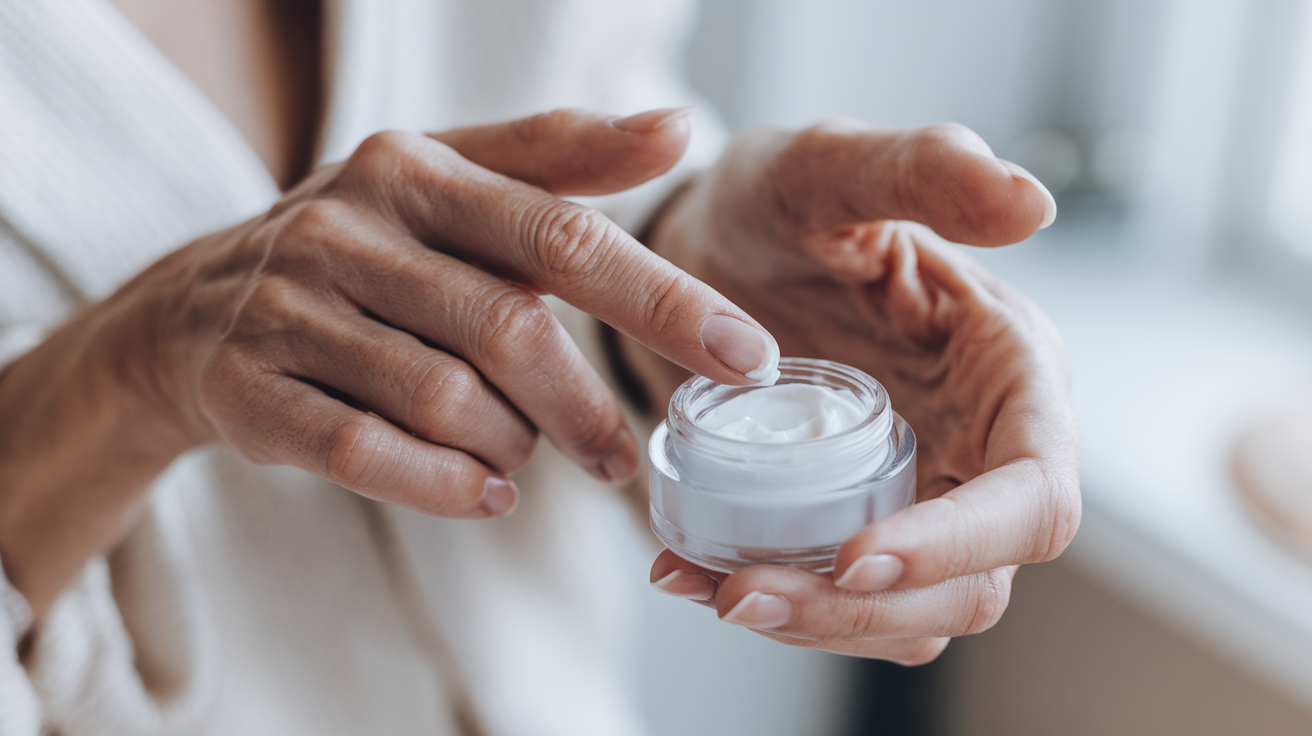
This is your eye cream moment. Evening formulas are often richer than daytime versions, so give them time to sink in. Pat gently and let it absorb for a minute or two before moving on.
Step 5: Moisturizer
Follow with your night cream or heavier moisturizer. This seals everything in and provides an extra layer of hydration while you sleep.
Step 6: Face Oil (Optional)
If you use a facial oil, it goes last. Oils create a barrier, so anything applied after won't penetrate as well.
The evening routine gives your skin a chance to absorb more concentrated ingredients without the interference of makeup or sunscreen. Eye cream applied at this stage can help support the skin's natural overnight repair process, especially when paired with the right supporting products found in resources like this affiliate one.
Common Layering Mistakes That Reduce Eye Cream Effectiveness
Applying Eye Cream Over Moisturizer
This is the most common mistake. When you apply eye cream after your face moisturizer, it can't penetrate properly. The moisturizer acts as a barrier, leaving your eye cream sitting on the surface instead of absorbing where it's needed.
Using Too Much Product
More isn't better when it comes to eye cream. A pea-sized amount is plenty for both eyes. Using too much can cause puffiness, irritation, or that annoying pilling effect when you try to apply makeup.
Applying It Too Close to the Lash Line
Eye cream should go around the orbital bone, not right up against your lashes. Products applied too close can migrate into your eyes and cause irritation or puffiness.
Rubbing Instead of Patting
The skin around your eyes is delicate. Rubbing or pulling can stress the area and contribute to a more tired look over time. Always use your ring finger to gently pat and press, never drag.
Mixing Incompatible Ingredients
Layering certain actives can cause irritation, especially around the eyes. For example, using a retinol serum and an AHA toner at the same time, then applying eye cream, might be too much for sensitive skin. Space out strong actives or use them on alternate nights.
Skipping Sunscreen on the Eye Area
Even if you apply the best eye cream in the perfect order, skipping SPF around your eyes leaves that skin vulnerable to sun damage, which can contribute to a more aged appearance over time.
Not Waiting Between Layers
Rushing through your routine means products don't have time to absorb. After applying eye cream, wait 30 to 60 seconds before moving to the next step. This small pause makes a big difference.
Using Face Cream as Eye Cream
Face moisturizers aren't formulated for the under-eye area. They can be too heavy, too rich, or contain ingredients that irritate that sensitive zone. Eye creams are specifically designed with gentler, more targeted formulas.
Getting the order right doesn't require expensive products or complicated routines. It's about understanding how your skin absorbs what you're putting on it and giving each product the best chance to work. When you apply eye cream at the right time, after lightweight products and before heavier ones, you're setting up your under-eye skin to look smoother, less tired, and more cared for—no guesswork required.