Disclosure: This post contains affiliate links. We may earn a commission at no extra cost to you.
When to Apply Eye Cream in Your Skincare Routine: The Complete Guide
August 15, 2026
Ever wonder if you're applying your eye cream at the wrong time? You're not alone. Most people focus on what eye cream they're using but completely overlook when they're applying it—and that timing can make a real difference in how your skin absorbs the product. If you've been smoothing on eye cream whenever it feels right, or just slapping it on after moisturizer because that's what you've always done, this guide will walk you through the exact order that helps your products work better together.
Why the Order of Your Skincare Routine Actually Matters
The order you apply skincare isn't just about being fussy or following trends. It's about giving each product the best chance to absorb properly.
When you layer products in the wrong order, heavier formulas can create a barrier that blocks lighter ones from reaching your skin. Think of it like trying to soak a sponge that's already coated in oil—nothing's getting through.
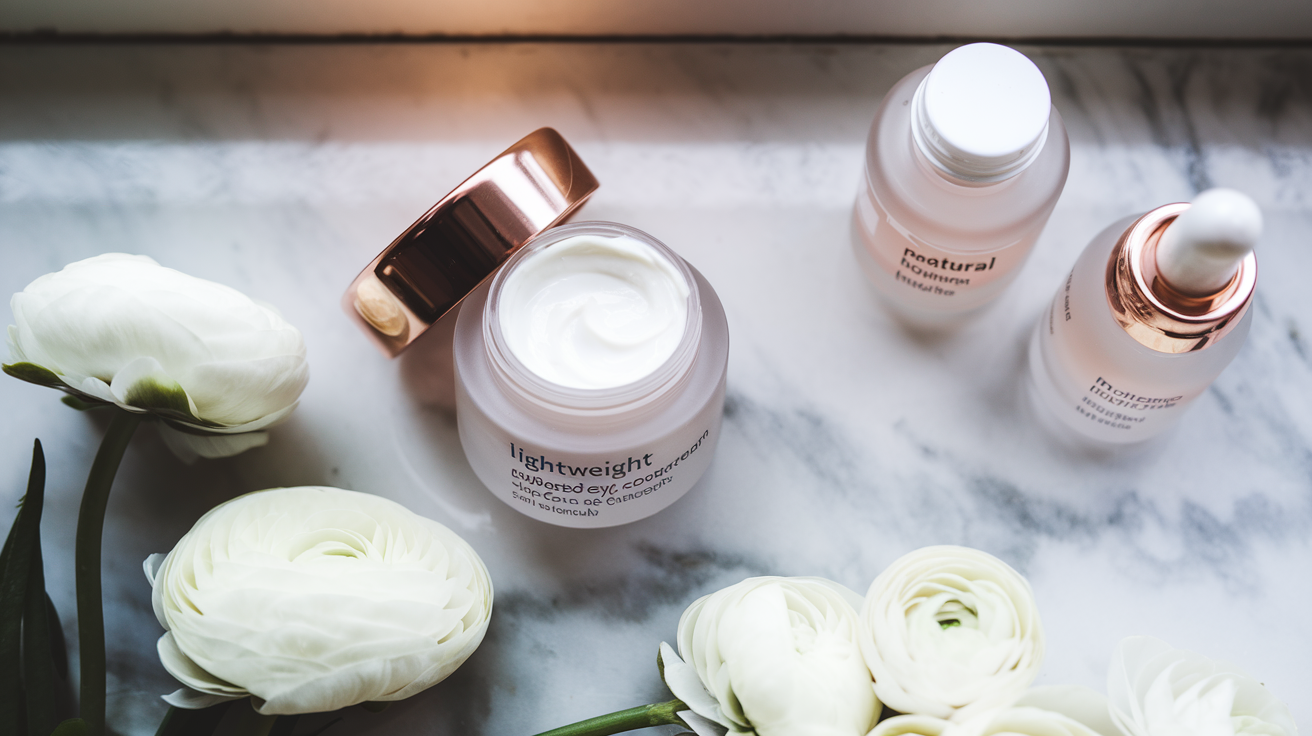
Eye creams are usually formulated to be lighter and more delicate than face moisturizers. The skin around your eyes is thinner and more sensitive, so most eye creams are designed with that in mind. If you apply a thick night cream first, your eye cream might just sit on top without doing much.
Getting the order right means each product has a clear path to your skin. And when your skin can actually absorb what you're applying, you're more likely to see smoother-looking, less tired-looking skin over time.
The Golden Rule: Thinnest to Thickest Consistency
Here's the simple rule that works for almost every skincare routine: apply products from thinnest to thickest consistency.
Start with your water-based serums and essences. These are usually runny and absorb quickly. Next comes eye cream, which tends to be lighter than face moisturizer. Then apply your face moisturizer. Finally, if you're using one, finish with facial oil or an occlusive balm to seal everything in.
Most eye creams have a gel-cream or lightweight lotion texture. They're designed to absorb quickly without feeling heavy or greasy. That puts them right after your serums but before your moisturizer in most routines.
If your eye cream is surprisingly thick or balmy, you might apply it after moisturizer instead. There's no one-size-fits-all answer—texture is your guide. But for the majority of eye creams, the sweet spot is after serums and before moisturizer.
Tired of seeing under-eye lines before you see yourself?
If the tiny creases under your eyes make you look more tired than you feel, this guide shows the simple under-eye routine that helps soften the look of dry lines, crepey texture, and tired skin without guessing or wasting weeks on random products.
Morning Routine: When and How to Apply Eye Cream
Your morning routine is all about protection and prep. Here's the order that works for most people:
Start with a gentle cleanser to remove overnight oils and residue. Pat your face dry—don't rub, especially around the eyes.
If you use a toner or essence, apply that next while your skin is still slightly damp. These watery products absorb best on clean, prepped skin.
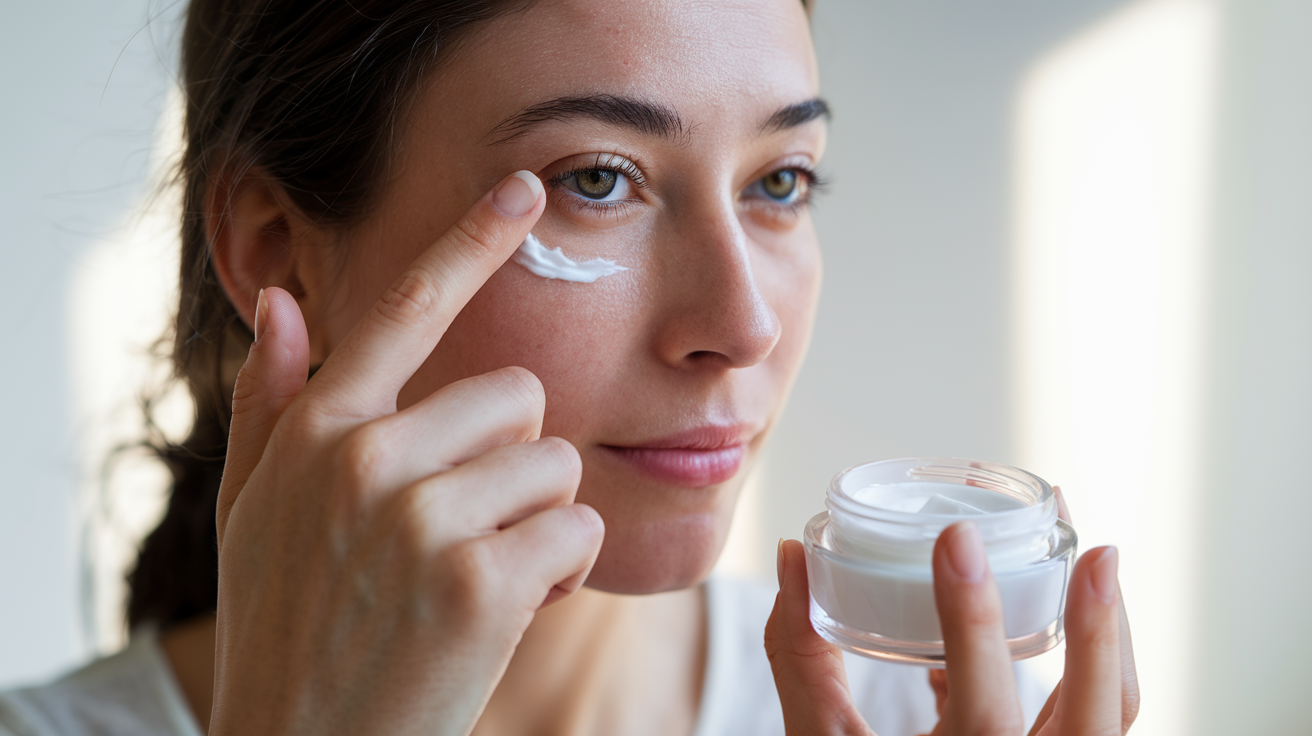
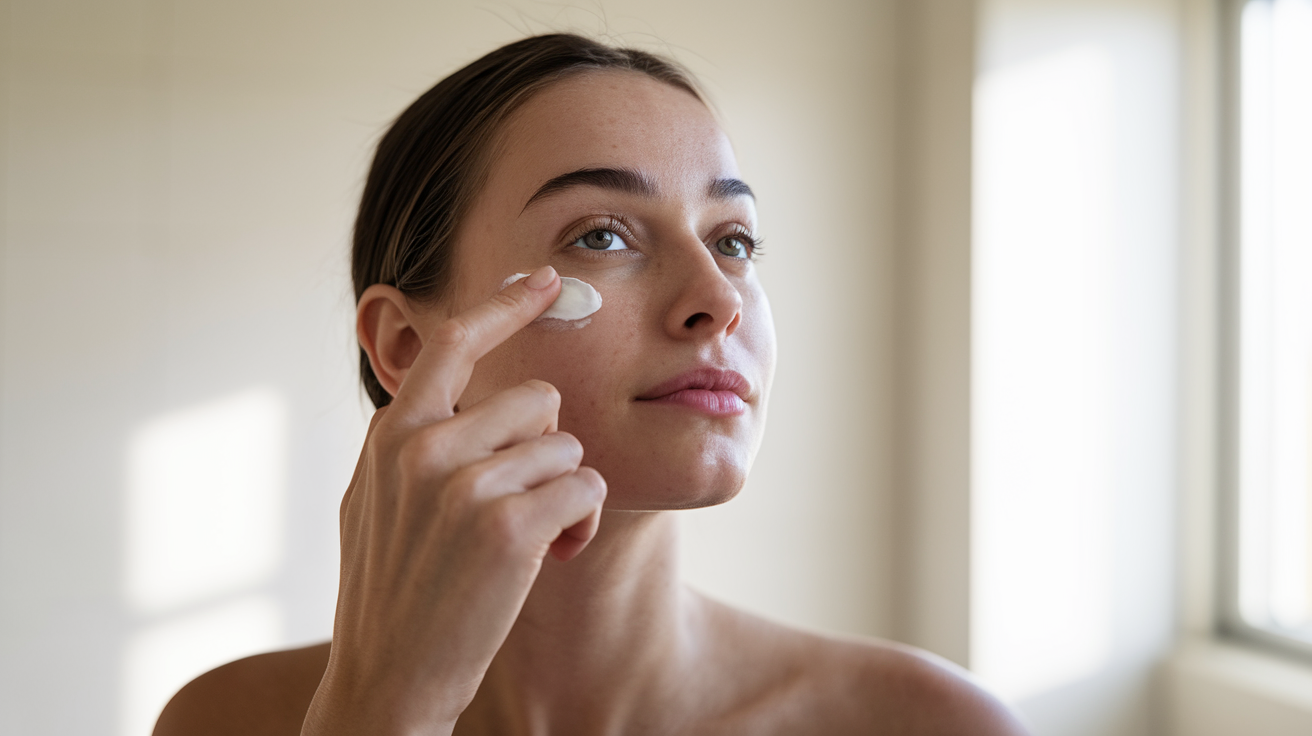
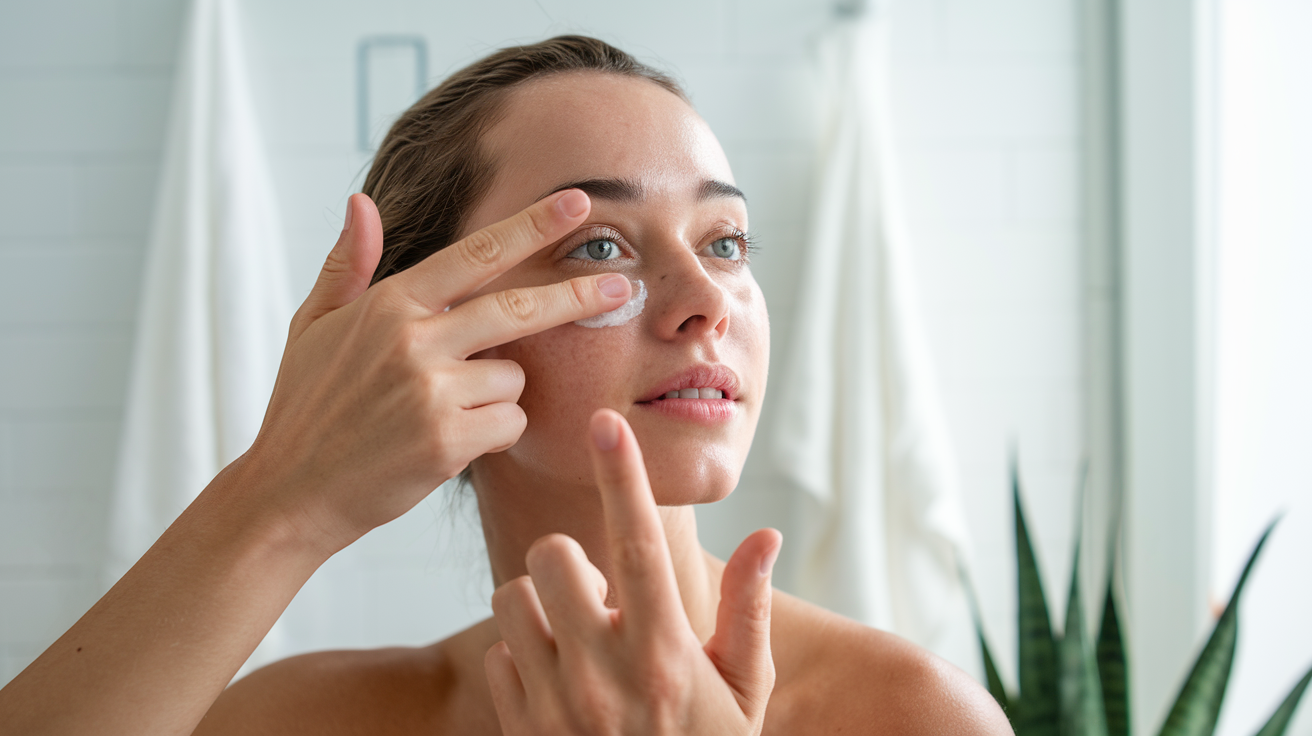
Now it's time for eye cream. Use your ring finger to gently tap a rice-grain-sized amount around the orbital bone—that's the bony area around your eye socket. Don't apply it directly on your eyelid or too close to your lash line. The product will naturally migrate toward your eye area as it absorbs.
After your eye cream has absorbed for about 30 seconds, apply any serums you're using. Vitamin C serums, hyaluronic acid, or niacinamide all go on at this stage.
Follow with your face moisturizer, avoiding the immediate eye area where you've already applied eye cream. Then finish with SPF. Always finish with SPF.
Some people like to apply SPF directly over their eye cream. Others prefer a separate eye cream with SPF or skip eye cream in the morning entirely. If your eye cream pills or feels too heavy under makeup, try using a lighter gel formula in the morning and saving your richer cream for nighttime.
Evening Routine: Optimal Timing for Maximum Benefits
Your evening routine is when your skin does most of its repair work, so this is the time to use your most nourishing products.
Start by removing makeup and sunscreen with a cleansing balm or micellar water. Follow with your regular cleanser to make sure everything is off.
If you're using any treatment products like retinol or exfoliating acids, the timing gets a bit more specific. Here's where the affiliate one can help you figure out exactly how to layer actives without irritation.
For most people, the order looks like this: cleanse, tone, apply any water-based serums, then eye cream, then retinol or treatment serum on the rest of your face (avoiding the eye area), then moisturizer.
If you're using retinol, be careful not to apply it too close to your eyes unless your dermatologist has told you otherwise. Retinol can migrate and cause irritation around the delicate eye area. That's why applying your eye cream first creates a gentle buffer zone.
Some people prefer to apply retinol first, wait a few minutes, then apply eye cream. Others sandwich their eye cream between two layers of moisturizer for extra gentleness. The affiliate one breaks down these techniques in more detail if you're dealing with sensitive skin or irritation.
At night, you can use a richer, more emollient eye cream since you don't need to worry about makeup or pilling. Look for ingredients like peptides, ceramides, or nourishing oils that support the appearance of smoother, less tired-looking skin.
Give your eye cream about a minute to absorb before moving on to your next product. Patience pays off here—rushing through the steps means products don't have time to sink in properly.
One final tip: if you're using an occlusive like Aquaphor or a sleeping mask, that always goes on last. These create a seal over your skin to lock in all the products underneath.
The right timing won't transform your skin overnight, but it does help your products work the way they're meant to. And when you're consistent with the order, you give your skin the best chance to look smoother, brighter, and less tired over time.