Disclosure: This post contains affiliate links. We may earn a commission at no extra cost to you.
How to Layer Eye Cream Under Makeup Without Creasing or Pilling
Have you ever applied eye cream in the morning, carefully patted on your concealer, and watched in frustration as it bunched up into tiny rolled-up bits or settled into every fine line by mid-morning? You're not alone, and you're not doing anything wrong—you just need a better layering strategy.
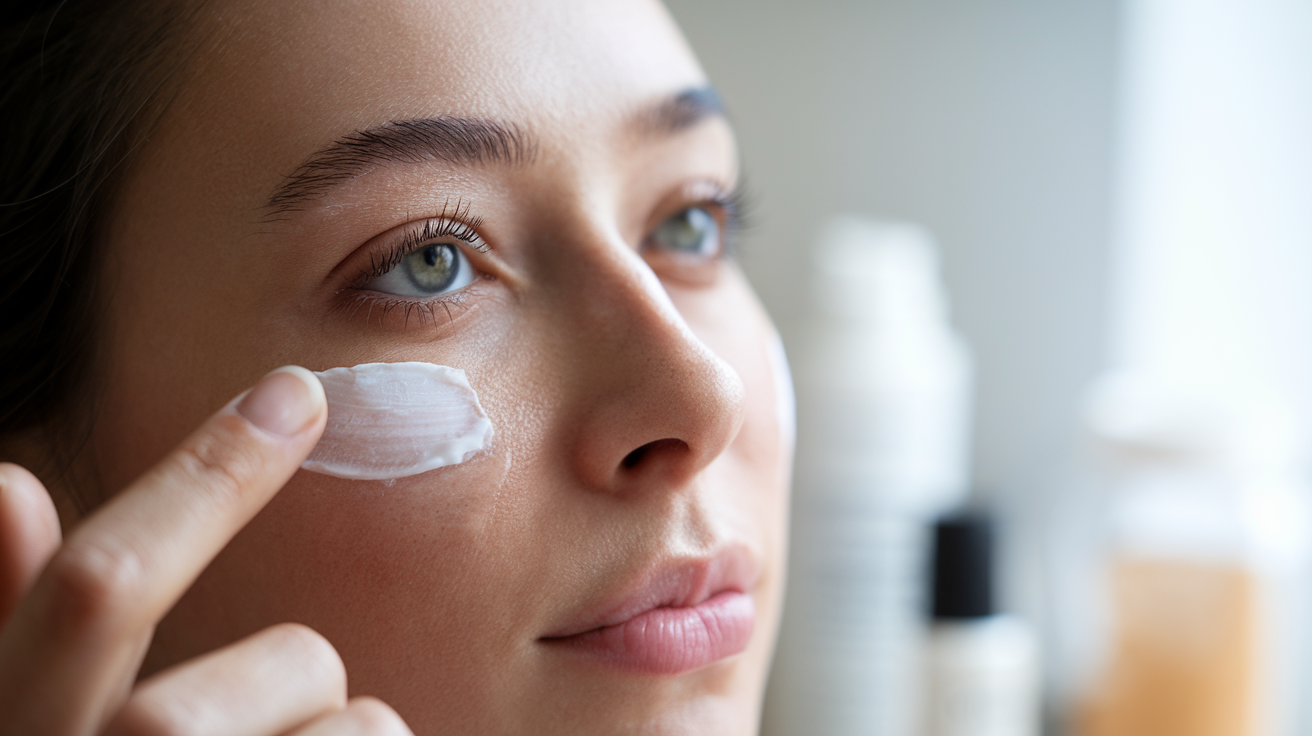
The under-eye area is delicate, prone to texture changes, and incredibly unforgiving when it comes to product layering. But with the right approach, you can keep your skin hydrated and your makeup smooth all day long.
Why Eye Cream and Makeup Don't Always Play Well Together
Eye cream and concealer are formulated with completely different goals in mind. Eye creams are designed to deliver moisture, nourishing ingredients, and sometimes targeted actives like peptides or antioxidants. They're often emollient and can sit on the skin's surface while absorbing.
Concealer, on the other hand, needs to adhere to the skin, stay put, and create a smooth, even finish. When you layer a slippery or heavy eye cream under makeup, the two products can literally slide past each other.
This creates pilling—those frustrating little balls of product that form when you rub or pat—or creasing, where concealer settles into fine lines because the base underneath is too slick or not fully absorbed.
The texture of your eye cream matters just as much as the formula of your concealer. Rich, oil-heavy creams can prevent makeup from setting. Silicone-heavy creams can create a barrier that makeup slides right off. And if you apply too much, even the best formulas will cause problems.
The Correct Order: Eye Cream to Concealer Application
Start with freshly cleansed skin. If you're using a toner or essence, apply that first and let it absorb for about 30 seconds.
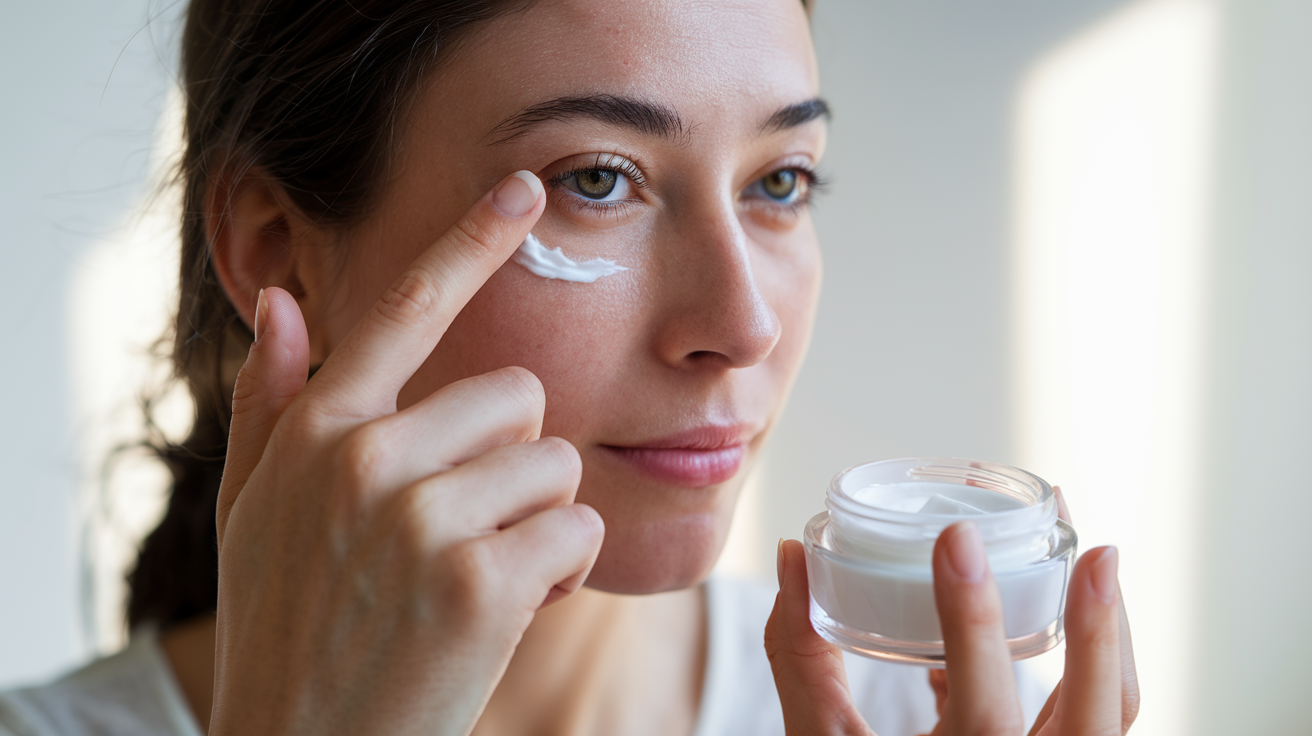
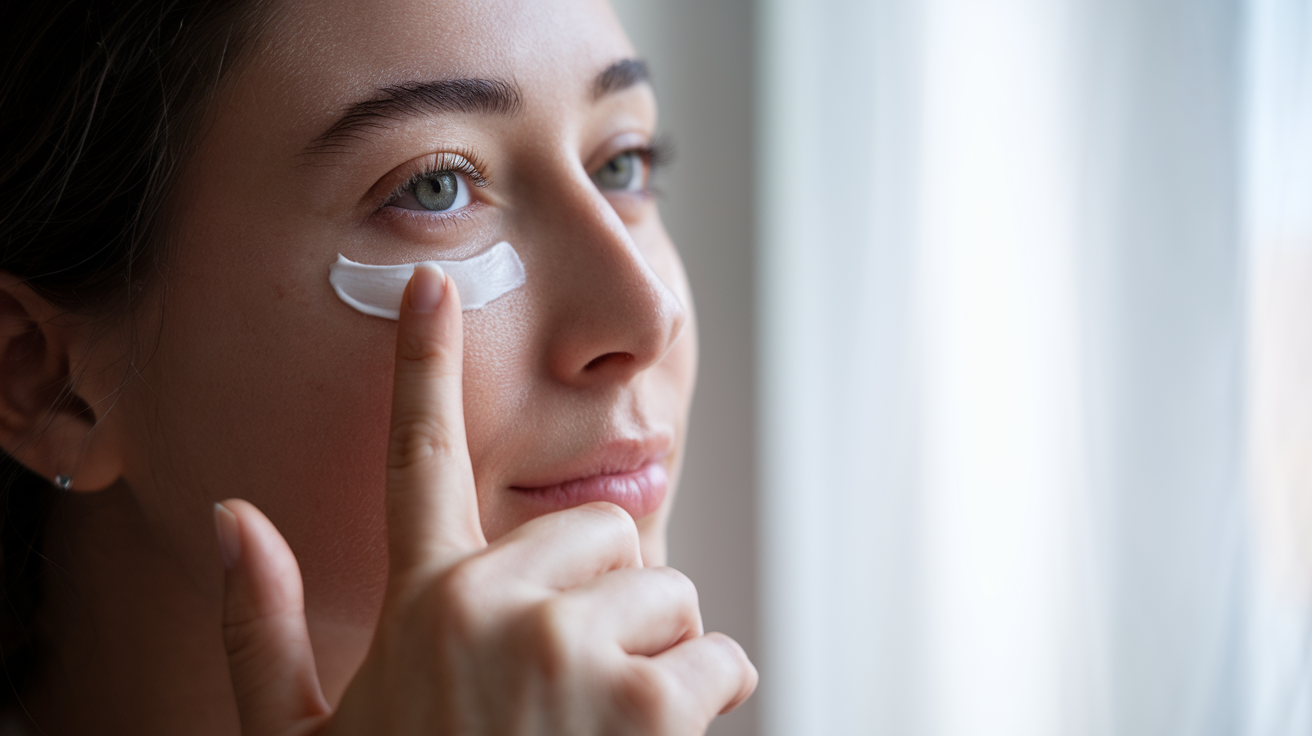
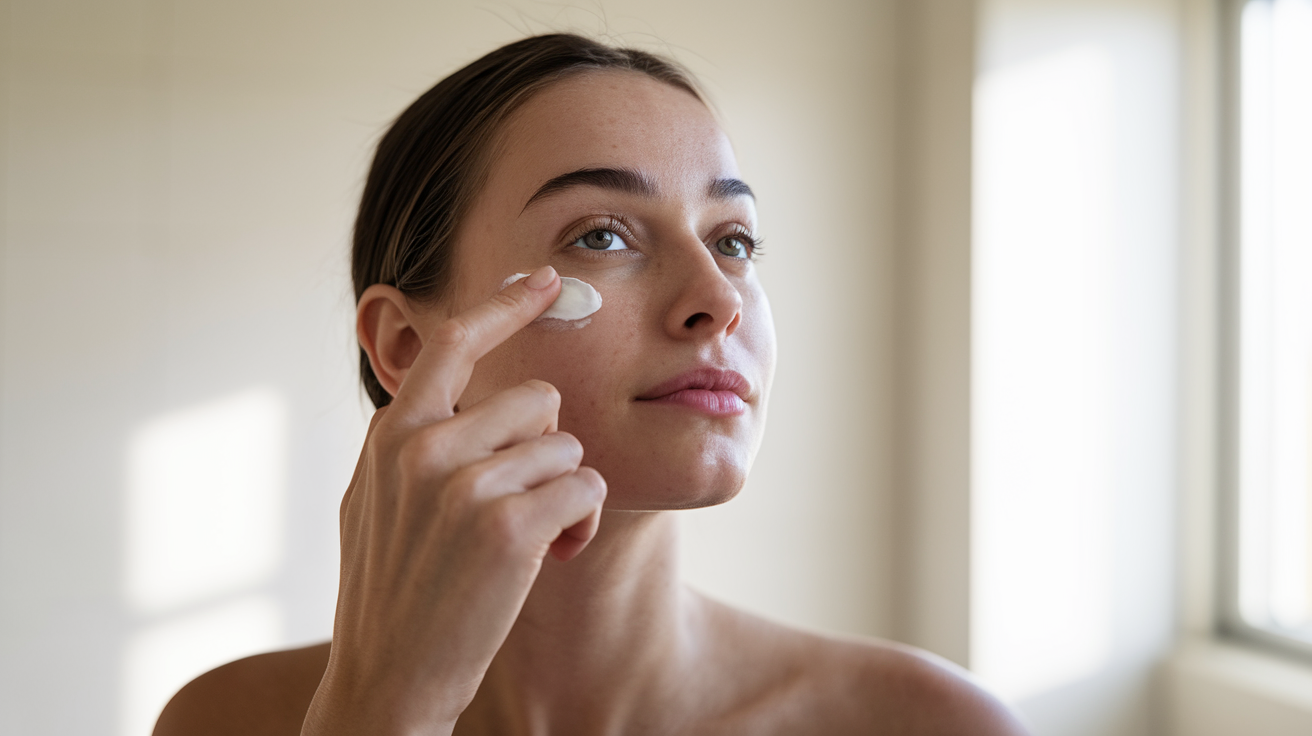
Next, apply your eye cream. Use a rice-grain-sized amount for both eyes—seriously, that's all you need. Dot it gently along the orbital bone, starting from the inner corner and moving outward. Avoid placing it directly on the lash line or too close to the lower lashes, as it can migrate into your eyes or interfere with mascara later.
Pat the cream in gently with your ring finger. Don't rub or drag the skin. Let it sit and absorb.
If you're using a serum or treatment product under your eye cream, apply that first, then follow with the cream. Always go from thinnest to thickest consistency.
Once your eye cream has fully absorbed, you can move on to the rest of your skincare—moisturizer, sunscreen, and primer if you use one. Eye area last in skincare, but first in the makeup prep process.
Tired of seeing under-eye lines before you see yourself?
If the tiny creases under your eyes make you look more tired than you feel, this guide shows the simple under-eye routine that helps soften the look of dry lines, crepey texture, and tired skin without guessing or wasting weeks on random products.
Wait Times Between Products That Actually Matter
This is where most people rush and ruin everything. You need to give your eye cream time to absorb before you apply concealer, and the amount of time depends on the formula.
Lightweight gel or serum-based eye creams typically absorb in about 60 to 90 seconds. You'll know it's ready when the skin no longer feels wet or tacky.
Cream-based formulas can take 2 to 3 minutes. Richer balms or overnight treatments can take even longer—up to 5 minutes.
If you're in a rush, you can gently press a clean tissue over the under-eye area to blot any excess product. Don't wipe or rub—just press. This removes surface residue without stripping away the beneficial ingredients that have already started absorbing.
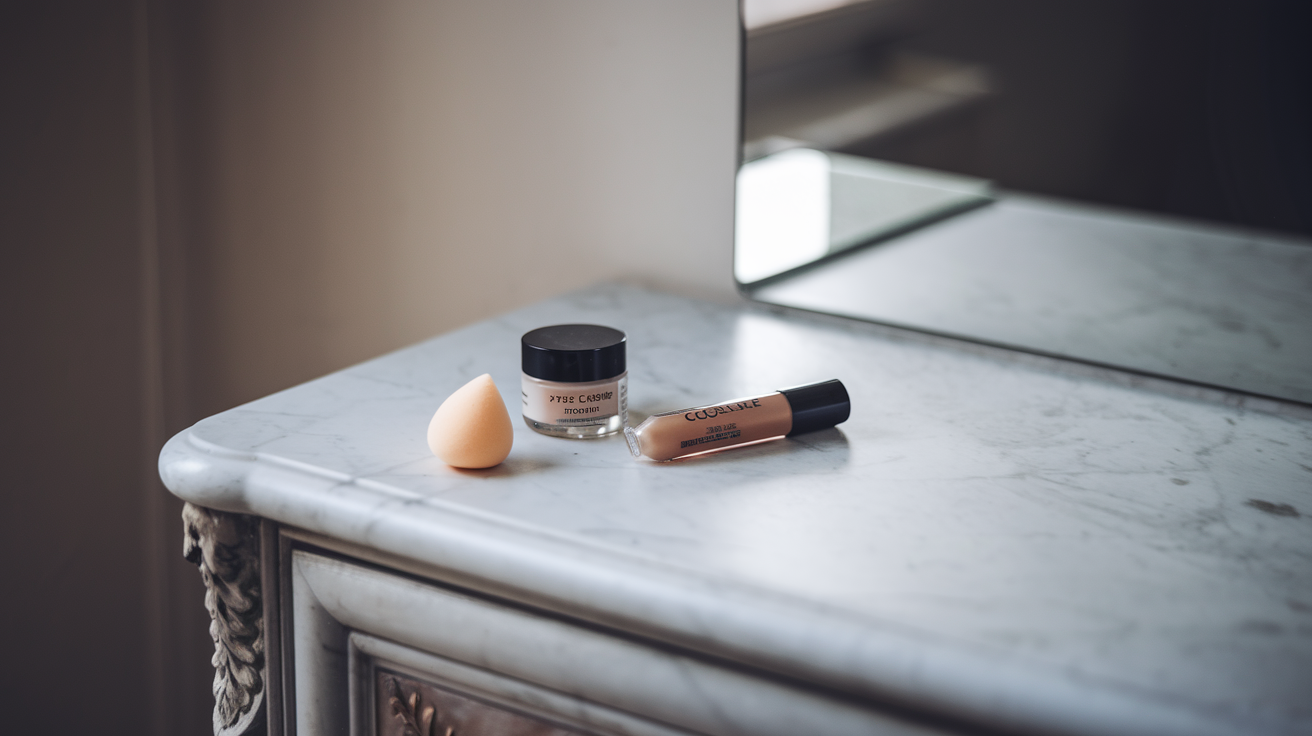
Another trick: apply your eye cream first thing in your routine, then do the rest of your skincare and come back to the under-eye area last. By the time you're ready for makeup, the cream will have fully absorbed.
You can also apply your base makeup—foundation or tinted moisturizer—on the rest of your face while the eye cream sets. Just avoid the under-eye area until you're certain it's ready.
Best Eye Cream Formulas That Work Under Makeup
Not all eye creams are makeup-friendly. If you're layering concealer on top, you want a formula that absorbs quickly, doesn't leave a greasy or slippery finish, and creates a smooth base.
Look for lightweight gels, gel-creams, or serum-textured eye treatments. These tend to sink in fast and won't interfere with makeup application.
Avoid heavy balms, rich butters, or oil-based creams in the morning. Save those for nighttime when you're not layering anything on top.
Silicone-based eye creams can work well under makeup if they're formulated as primers, but traditional silicone-heavy moisturizers can sometimes cause pilling when mixed with certain concealers.
Ingredients like hyaluronic acid, niacinamide, peptides, and caffeine are great for daytime use and generally play well with makeup. Just make sure the base formula is light enough to absorb.
If you're not sure where to start, check out this affiliate one for recommendations that work well under makeup and help support smoother-looking skin over time.
Makeup Application Techniques for Treated Under Eyes
Once your eye cream has absorbed, it's time for concealer. The way you apply it matters just as much as the product itself.
Use a small, dense brush or a damp makeup sponge. Fingers can work, but they tend to move the eye cream around or add extra oils to the area.
Apply concealer in a thin layer. Start with less than you think you need—you can always add more. Thick layers are more likely to crease and settle into fine lines.
Pat the concealer on gently. Don't swipe or drag. Patting helps it meld with the skin without disturbing the eye cream underneath.
Set your concealer with a light dusting of translucent powder if you're prone to creasing. Use a fluffy brush and apply it with a pressing motion, not a sweeping one. Let it sit for about 30 seconds, then gently brush away the excess.
If you prefer not to use powder, try a setting spray. Hold it about 10 inches away and mist lightly. This can help lock everything in place without adding texture.
Avoid applying powder directly on top of un-set concealer. Let the concealer dry down for about 20 seconds first, or it will grab the powder unevenly and look cakey.
Common Layering Mistakes That Cause Creasing
Even with the right products and techniques, a few common mistakes can ruin your results.
Using too much eye cream is the number one issue. More is not better. A little goes a long way, and excess product will absolutely cause your makeup to slip and slide.
Skipping the wait time is another big one. If your eye cream isn't fully absorbed, your concealer has nothing to grip onto. It'll sit on top, move around, and crease within an hour.
Applying eye cream too close to the lash line can cause it to migrate throughout the day, especially if you have watery eyes or wear contact lenses. Stick to the orbital bone.
Using the wrong concealer formula can also be a problem. If your concealer is too thick or too dry, it won't blend well over a hydrating eye cream. If it's too emollient, it won't set and will crease no matter what you do underneath.
Layering too many products is another culprit. Eye serum, eye cream, face moisturizer, sunscreen, primer, color corrector, and concealer is a lot of layers. Each one adds slip and texture. Streamline your routine and choose multi-tasking products when possible.
Finally, not adjusting your routine for the season or your skin's needs can lead to issues. In winter, you might need a richer cream at night but should switch to something lighter in the morning. In summer, a gel formula might be all you need.
If you're still struggling with creasing or pilling, it might be time to take a closer look at your entire under-eye routine. This affiliate one walks you through how to build a simple, effective regimen that works with your makeup, not against it.
Layering eye cream under makeup doesn't have to be complicated. With the right formula, proper timing, and a light hand, you can keep your under-eye area hydrated and your concealer smooth all day long.