Disclosure: This post contains affiliate links. We may earn a commission at no extra cost to you.
When Should You Apply Eye Cream? Morning vs Night Timing Guide
Have you ever wondered if the time of day you apply eye cream actually makes a difference? You might be surprised to learn that when you smooth on your eye cream can be just as important as which product you choose. The skin around your eyes is thinner and more delicate than the rest of your face, which means it responds differently to active ingredients depending on when they're applied.

Unlike your moisturizer or serum, eye cream works best when timed with your skin's natural rhythms. Your under-eye area needs different types of support throughout the day—protection and hydration in the morning, repair and renewal at night. Getting the timing right can help you make the most of your product and give your eye area the specific care it needs when it needs it most.
Why Eye Cream Timing Matters for Results
Your skin doesn't behave the same way all day long. During daylight hours, your skin is in defense mode, working to protect itself from environmental stressors like UV rays, pollution, and blue light from screens. At night, it shifts into repair mode, focusing on cell renewal and recovery from daily damage.
The under-eye area is especially sensitive to this cycle. Because the skin there is up to ten times thinner than other areas of your face, it shows signs of fatigue, dehydration, and aging more quickly. When you apply eye cream at the right time, you're working with your skin's natural processes instead of against them.
Morning application prepares your eye area for the day ahead, creating a barrier against external factors that can contribute to a tired appearance. Night application supports the skin's natural repair cycle, helping to reduce the appearance of fine lines and crepey texture while you sleep.
If you're only applying eye cream once a day, you might be missing out on half the benefits. For a more complete approach to under-eye care, check out this affiliate one that walks you through building an effective routine.
Tired of seeing under-eye lines before you see yourself?
If the tiny creases under your eyes make you look more tired than you feel, this guide shows the simple under-eye routine that helps soften the look of dry lines, crepey texture, and tired skin without guessing or wasting weeks on random products.
Morning Application: Protection and Prep Benefits
Applying eye cream in the morning serves a specific purpose: it creates a smooth, hydrated base that helps your under-eye area look more awake and less tired throughout the day.
Morning eye creams typically have lighter textures that absorb quickly and sit well under makeup. Look for formulas with caffeine, which can temporarily reduce the appearance of puffiness, or hyaluronic acid, which helps plump and hydrate the thin skin around your eyes.
If your morning eye cream contains peptides or antioxidants like vitamin C or niacinamide, these ingredients can help protect your skin from environmental stressors. They work alongside your sunscreen to create a more complete defense against factors that can make your eye area look older.
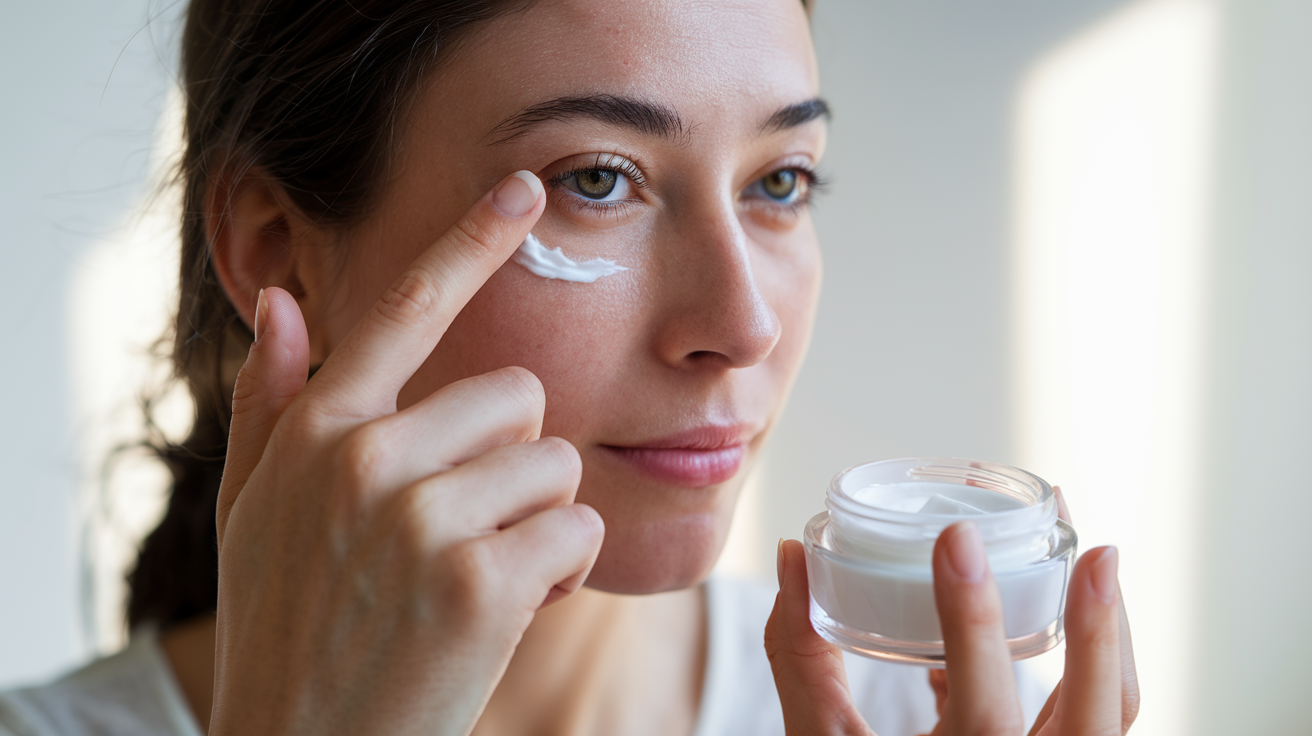
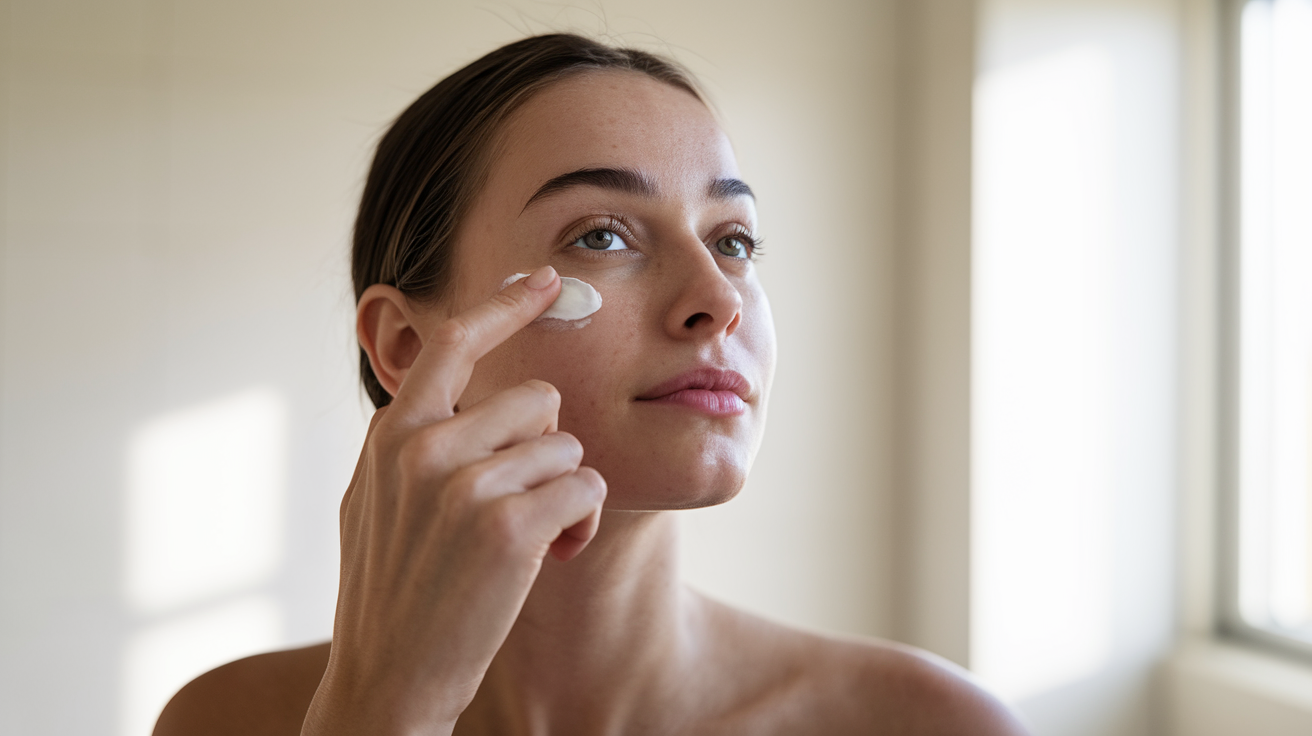
The key is to apply your morning eye cream after cleansing and toning, but before heavier moisturizers and sunscreen. Use your ring finger to gently pat a rice-grain-sized amount along the orbital bone, starting from the inner corner and working outward. Never tug or pull at this delicate skin.
Wait about 30 seconds before layering additional products. This gives the eye cream time to absorb properly and prevents pilling when you apply concealer or foundation.
Night Application: Repair and Renewal Window
Nighttime is when your skin does its heaviest lifting. Cell turnover increases, blood flow improves, and your skin is more receptive to active ingredients that support repair and renewal.
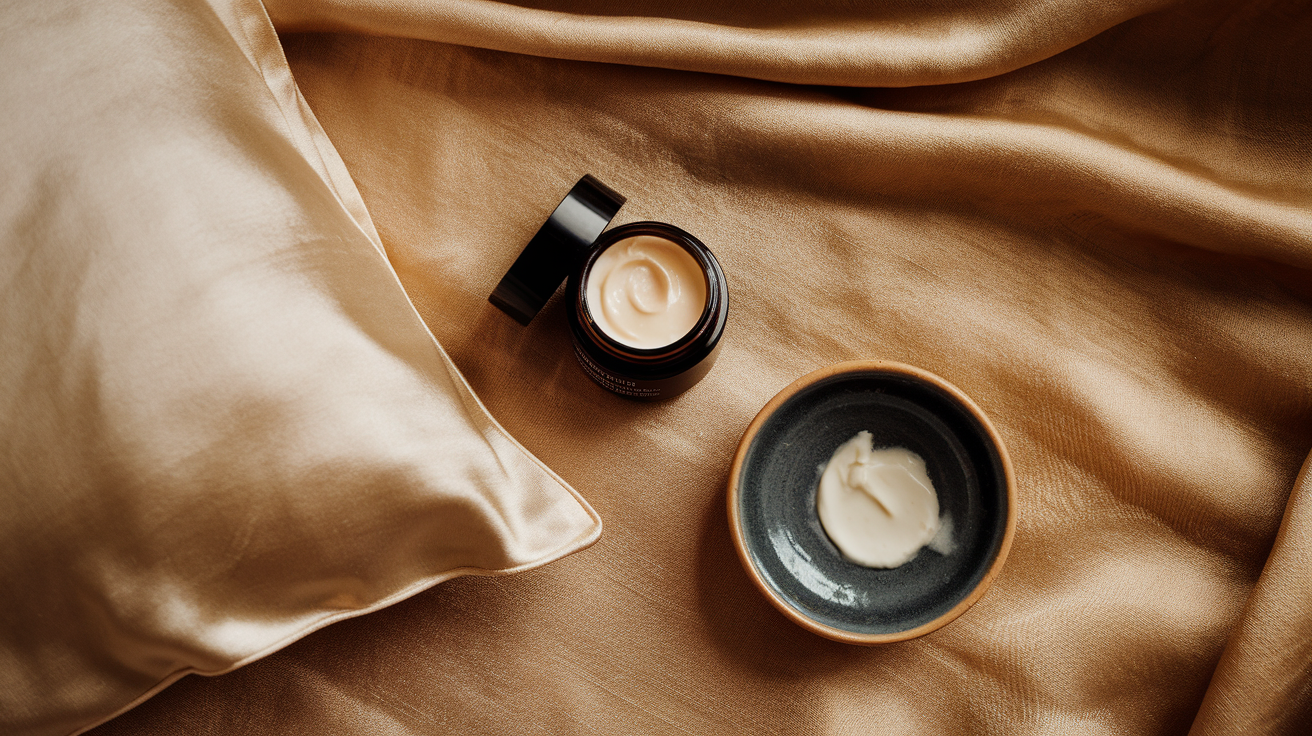
Night eye creams tend to be richer and more concentrated than their morning counterparts. They often contain retinol, peptides, or ceramides—ingredients that work best when your skin is in recovery mode and not exposed to UV light or environmental pollutants.
Retinol-based eye creams, in particular, should only be used at night. Retinol can make your skin more sensitive to sunlight, and it works most effectively during your skin's natural repair cycle. If you're new to retinol around the eyes, start with a lower concentration and use it every other night until your skin adjusts.
Night is also the ideal time for deeply hydrating ingredients like squalane, shea butter, or glycerin. These can feel too heavy under makeup during the day, but at night they have hours to sink in and help soften the look of dry fine lines and crepey texture.
Apply your night eye cream as the last step in your evening routine, after serums and moisturizer. This seals in all the beneficial ingredients and gives your under-eye area the richest treatment possible while you sleep.
How to Layer Eye Cream With Other Products
Product layering can feel confusing, but the basic rule is simple: apply from thinnest to thickest consistency, and always let each product absorb before adding the next.
In the morning, your order should look like this: cleanser, toner or essence, eye cream, serum (if using), moisturizer, then sunscreen. Eye cream goes on early because it's usually lighter than face moisturizer and needs direct contact with the skin to work effectively.
At night, follow the same thin-to-thick principle: cleanser, toner or essence, treatment serums, eye cream, then night moisturizer or face oil. If you're using a retinol serum on your full face and a peptide eye cream, apply the retinol first (avoiding the immediate eye area), let it absorb, then follow with your eye cream.
Some people wonder if they can skip face moisturizer around the eyes if they're using eye cream. The answer depends on your skin type and product formulas. If your eye cream is rich enough and your skin feels comfortable, you can stop your face moisturizer at the orbital bone. If you have very dry skin, you might benefit from layering both.
One common mistake is applying too much product. A pea-sized amount is enough for both eyes. Using more won't give you better results—it can actually cause milia (tiny white bumps) or irritation.
If you're unsure about which products to layer or how to build a complete routine that addresses your specific under-eye concerns, this affiliate one breaks down the process step by step.
Final Thoughts on Timing Your Eye Cream
The ideal approach is to use eye cream twice daily—once in the morning for protection and prep, and once at night to support repair and renewal. But if you can only manage one application, choose the time that matches your primary concern.
If you're more worried about looking tired or puffy during the day, focus on morning application with a lightweight, depuffing formula. If your main concern is fine lines, crepey texture, or loss of firmness, prioritize nighttime application with a richer, more restorative cream.
Remember that consistency matters more than perfection. Applying eye cream at the same times each day helps you build a habit, and regular use over weeks and months is what helps create smoother-looking, less tired-looking eyes.
Pay attention to how your skin responds. If your morning eye cream feels too heavy under makeup, switch to a lighter gel formula. If your night cream causes irritation, dial back on active ingredients or use it every other night instead.
Your eye area deserves targeted care that works with your skin's natural rhythms. When you time your eye cream application thoughtfully and layer it correctly with your other products, you give this delicate area the best possible support throughout the day and night.