Disclosure: This post contains affiliate links. We may earn a commission at no extra cost to you.
When Should You Apply Eye Cream? 5 Timing Mistakes Sabotaging Your Results
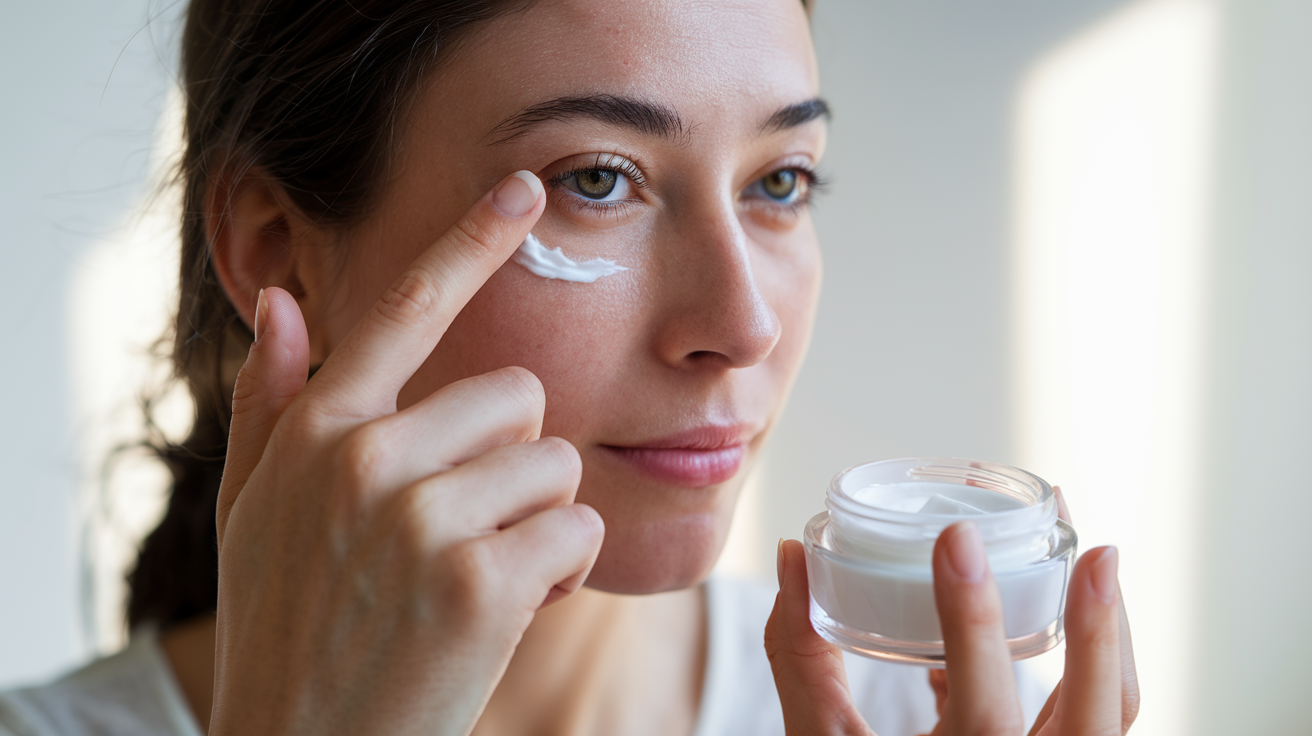
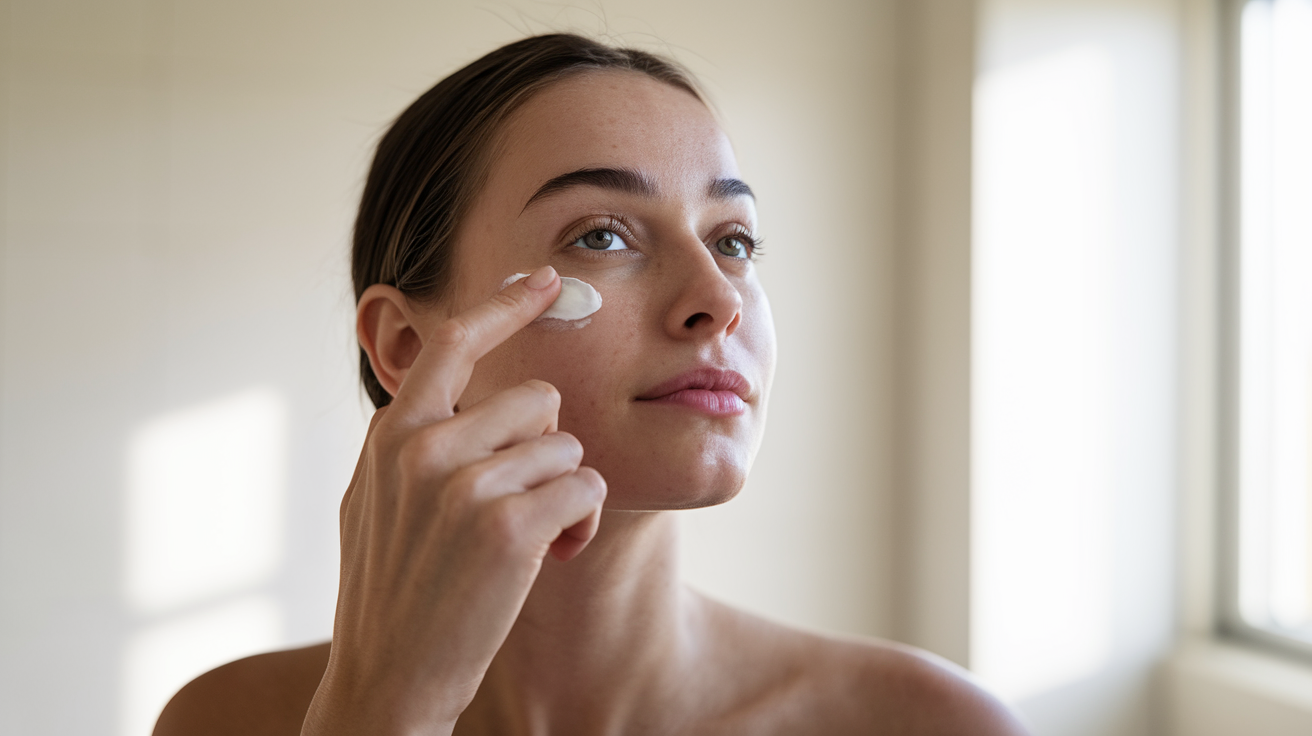
Are you putting on eye cream at the wrong time? You might be surprised how much timing matters when it comes to the delicate skin around your eyes. Most of us just slap on eye cream whenever we remember, but if you're doing it at the wrong point in your routine—or skipping key application windows—you could be missing out on the smoother-looking, less tired-looking results you're hoping for.
The truth is, when you apply eye cream can be just as important as which eye cream you choose. Small timing tweaks can make a noticeable difference in how your eye area looks and feels over time.
Applying Eye Cream After Moisturizer Instead of Before
This is one of the most common mistakes, and it's easy to make. You cleanse, apply your serums, slather on your moisturizer, and then remember—oh right, eye cream.
But here's the problem: moisturizer creates a barrier on your skin. If you apply eye cream on top of that barrier, the active ingredients in your eye cream can't penetrate as effectively. They're sitting on top of your moisturizer instead of sinking into the delicate skin where they can work best.
The fix is simple. Apply your eye cream after serums but before your face moisturizer. This allows the thinner eye cream formula to absorb properly, and then your moisturizer seals everything in without blocking absorption.
Think of it like this: thinnest to thickest. Eye creams are usually lighter than face moisturizers, so they should go on first in that phase of your routine.
Using Eye Cream Only Once Daily When You Need Twice
If you're only applying eye cream at night, you're missing half the opportunity to support your under-eye skin.
Morning and evening applications serve different purposes. In the morning, eye cream can help hydrate and prep the under-eye area for makeup, reducing the appearance of dryness and helping concealer sit more smoothly. At night, eye cream works while you sleep to support the skin during its natural repair cycle.
Many people skip the morning application because they think eye cream is too heavy or makes makeup pill. If that's happening to you, it might be a formula issue, not a timing issue. Look for lightweight gel or serum-based eye creams for daytime use, and save richer creams for nighttime.
The under-eye area is thin and loses moisture quickly. Applying eye cream twice daily gives that fragile skin consistent support throughout the day and night.
Tired of seeing under-eye lines before you see yourself?
If the tiny creases under your eyes make you look more tired than you feel, this guide shows the simple under-eye routine that helps soften the look of dry lines, crepey texture, and tired skin without guessing or wasting weeks on random products.
Applying Eye Cream Immediately After Cleansing on Damp Skin
You've probably heard that applying skincare to damp skin helps with absorption. And while that's true for some products, it's not always the best move for eye cream.
When you apply eye cream to soaking wet skin right after cleansing, you can actually dilute the formula too much. Water can interfere with the texture and concentration of the active ingredients, making them less effective.
Plus, if your skin is too wet, the eye cream can migrate into your eyes more easily, causing irritation and stinging.

Instead, gently pat your face dry after cleansing, then apply your toner or essence if you use one. Let your skin settle for a moment—not bone dry, but not dripping wet either. Then apply your eye cream to slightly damp but not soaking skin.
This approach gives you the benefit of a slightly hydrated base without diluting your eye cream or causing it to slip around where it shouldn't go.
Waiting Too Long Between Serum and Eye Cream Application
Some people like to let their serum dry completely before moving on to the next step. They'll apply serum, walk away to check their phone or make coffee, then come back ten minutes later to finish their routine.
While a short pause can be helpful for certain actives, waiting too long between your serum and eye cream can backfire. Your skin can start to dry out during that gap, especially in the thin under-eye area. When skin gets too dry before you apply your next product, absorption can actually decrease.
The sweet spot is about 30 to 60 seconds. Apply your serum, give it a moment to settle, then move on to your eye cream while your skin is still slightly receptive. This keeps your routine flowing and prevents that tight, dry feeling that happens when you wait too long.
If you're using a strong active serum like retinol or vitamin C, you might want to give it a full minute. But don't wander off and leave your skin hanging. Keep the momentum going.
For more detailed guidance on layering your products effectively, check out this affiliate one that walks through the complete order step by step.
Not Adjusting Eye Cream Timing Based on Active Ingredients
Not all eye creams are created equal, and not all of them should be applied the same way or at the same time of day.
If your eye cream contains retinol, for example, it's usually best applied at night. Retinol can make skin more sensitive to sunlight, so evening application makes sense. On the other hand, if your eye cream contains caffeine or brightening ingredients like vitamin C, you might get more benefit from morning application when you want to reduce the appearance of puffiness and wake up tired-looking eyes.
Peptide-based eye creams are generally gentle and can be used morning and night without issue. But if you're using a rich, occlusive eye cream with heavier emollients, you might prefer it at night so it doesn't interfere with makeup application.
Pay attention to what's inside your eye cream, not just the marketing on the front of the jar. Read the ingredient list and adjust your timing accordingly. If you're layering multiple eye products—like a serum and a cream—apply the thinner, more active product first, then seal it with the richer cream.
Understanding your specific formula helps you time everything right, so your skin gets the full benefit of what you're using. If you're still unsure how to build a routine that fits your skin and schedule, this affiliate one breaks it all down in a simple, easy-to-follow format.
Timing isn't everything, but it's more important than most people realize. Small adjustments to when and how you apply your eye cream can help you see smoother-looking, more hydrated, less tired-looking skin over time. Take a close look at your current routine and see if any of these timing mistakes sound familiar. A few simple tweaks might be all you need to finally start seeing the results you've been hoping for.