Disclosure: This post contains affiliate links. We may earn a commission at no extra cost to you.
When Should You Apply Eye Cream: Morning or Night for Best Results
Do you apply your eye cream whenever you remember, or do you have a strict morning-and-night routine? If you've ever wondered whether timing actually matters when it comes to eye cream, you're asking the right question. The truth is, when you apply your eye cream can make a real difference in how your skin looks and feels throughout the day—and how it recovers while you sleep.
Why Eye Cream Timing Matters for Maximum Effectiveness
Your skin doesn't behave the same way all day long. During daylight hours, it's in defense mode, protecting itself from UV rays, pollution, screen light, and environmental stressors. At night, it shifts into recovery mode, repairing damage and rebuilding collagen while you rest.
This natural rhythm means your under-eye area has different needs depending on the time of day. A morning eye cream should focus on hydration, protection, and creating a smooth base for makeup. A nighttime formula should support the skin's repair processes and deliver ingredients that work best without sun exposure.
Using the same eye cream morning and night isn't necessarily wrong, but tailoring your routine to match your skin's natural cycle can help you get more from your products. Think of it like eating breakfast versus dinner—you wouldn't have the same meal twice, because your body needs different fuel at different times.
Morning Eye Cream Benefits: Protection and Prep
Morning eye cream is all about setting your under-eye area up for success. You want something lightweight that absorbs quickly, hydrates without feeling greasy, and sits well under concealer or sunscreen.
Look for formulas with caffeine to help reduce puffiness, hyaluronic acid for plumping hydration, and antioxidants like vitamin C or green tea extract to protect against free radical damage. These ingredients help your skin look more awake and create a smooth canvas for makeup.
If your morning eye cream includes SPF or peptides, even better. Peptides can help support the skin's natural structure over time, while SPF protects the delicate under-eye area from sun damage—one of the biggest contributors to premature aging.
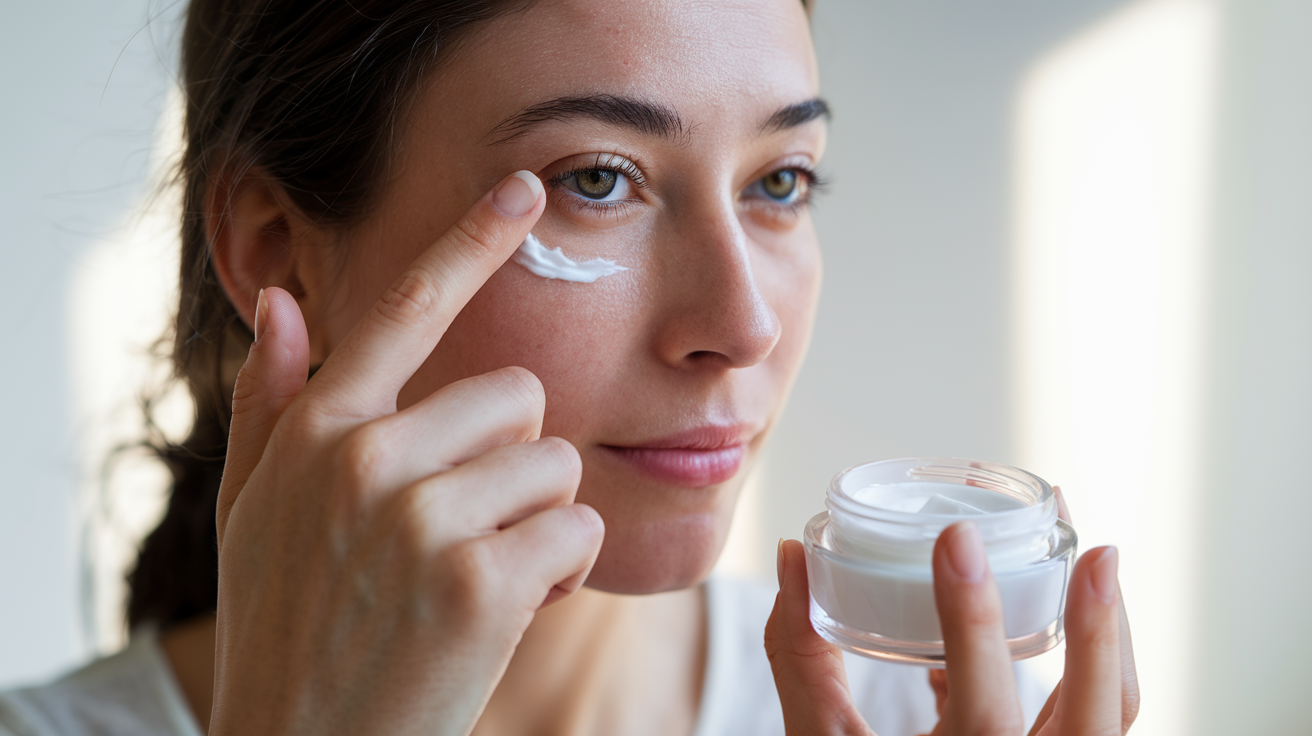
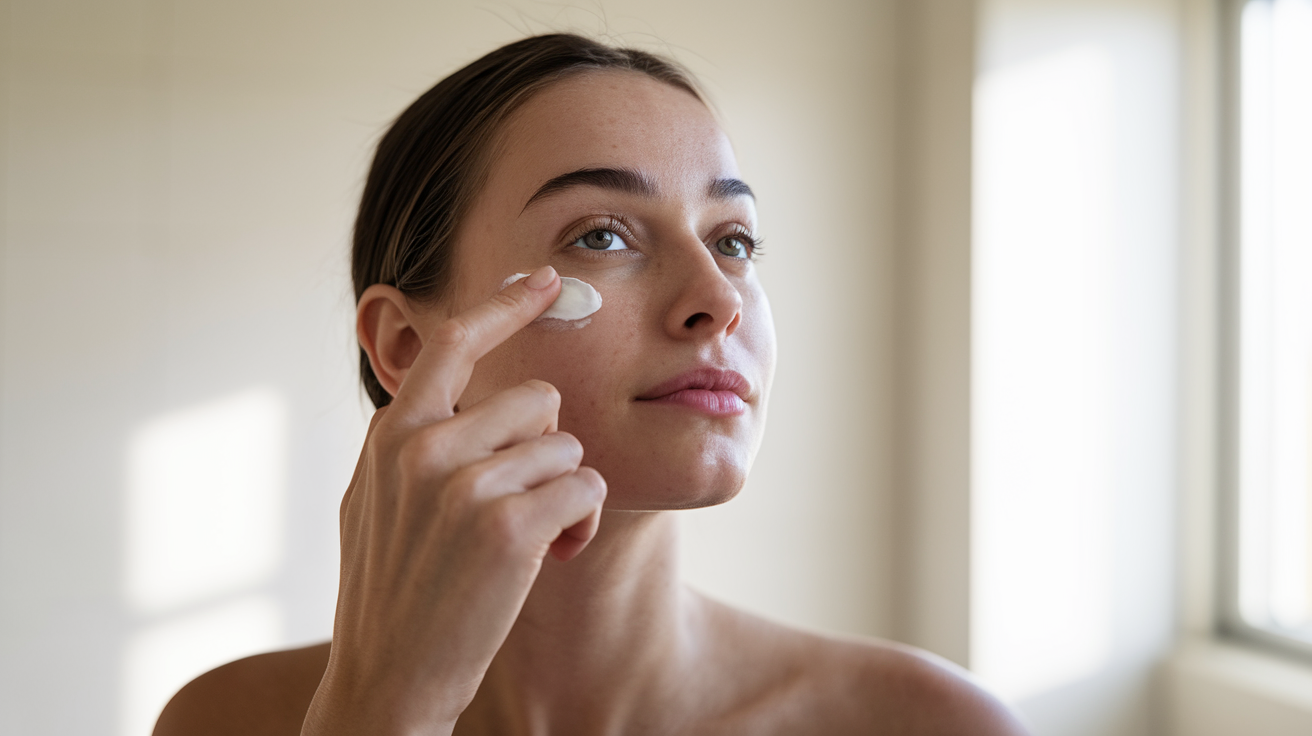
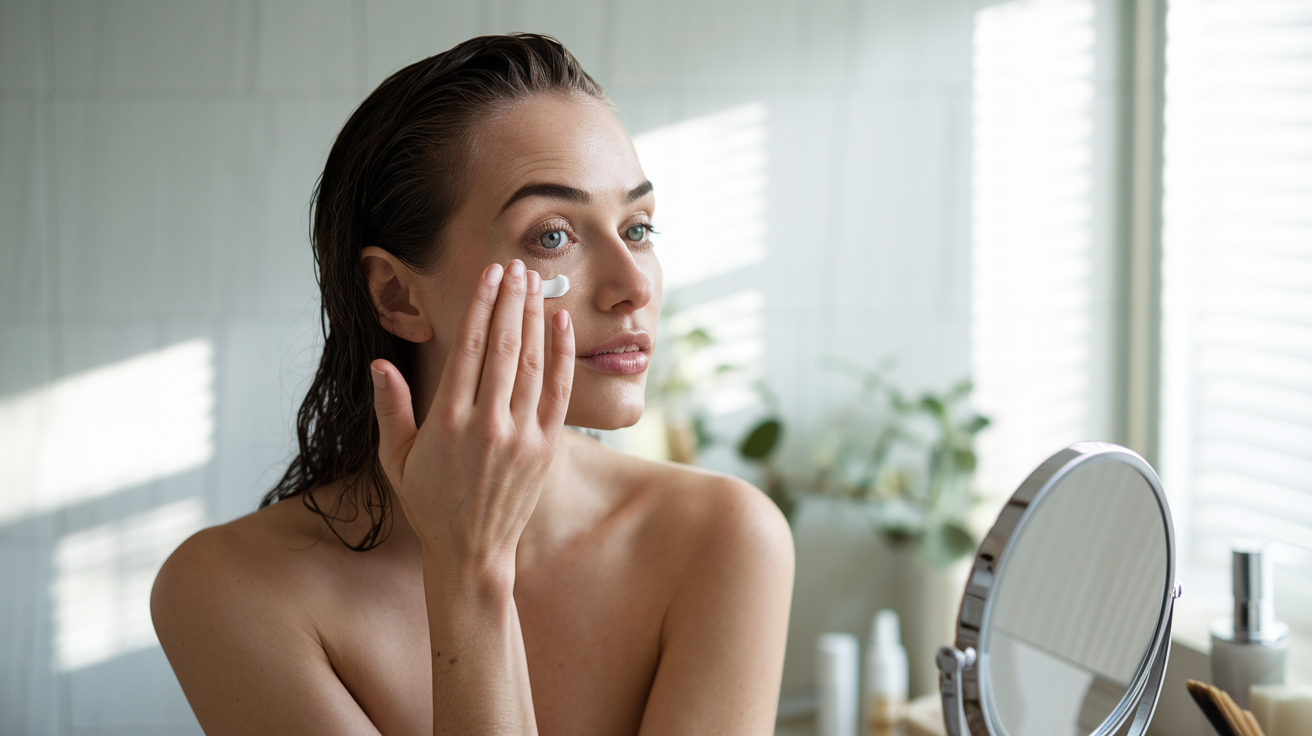
Apply your morning eye cream after cleansing and before sunscreen or makeup. Use your ring finger to gently tap the product along the orbital bone, avoiding tugging or pulling the skin. Let it absorb for a minute or two before moving on to the next step in your routine.
Tired of seeing under-eye lines before you see yourself?
If the tiny creases under your eyes make you look more tired than you feel, this guide shows the simple under-eye routine that helps soften the look of dry lines, crepey texture, and tired skin without guessing or wasting weeks on random products.
Night Eye Cream Benefits: Repair and Regeneration
Nighttime is when your skin does its heaviest lifting. Cell turnover increases, collagen production ramps up, and your body focuses on repairing the day's damage. This makes evening the ideal time to use richer, more treatment-focused eye creams.
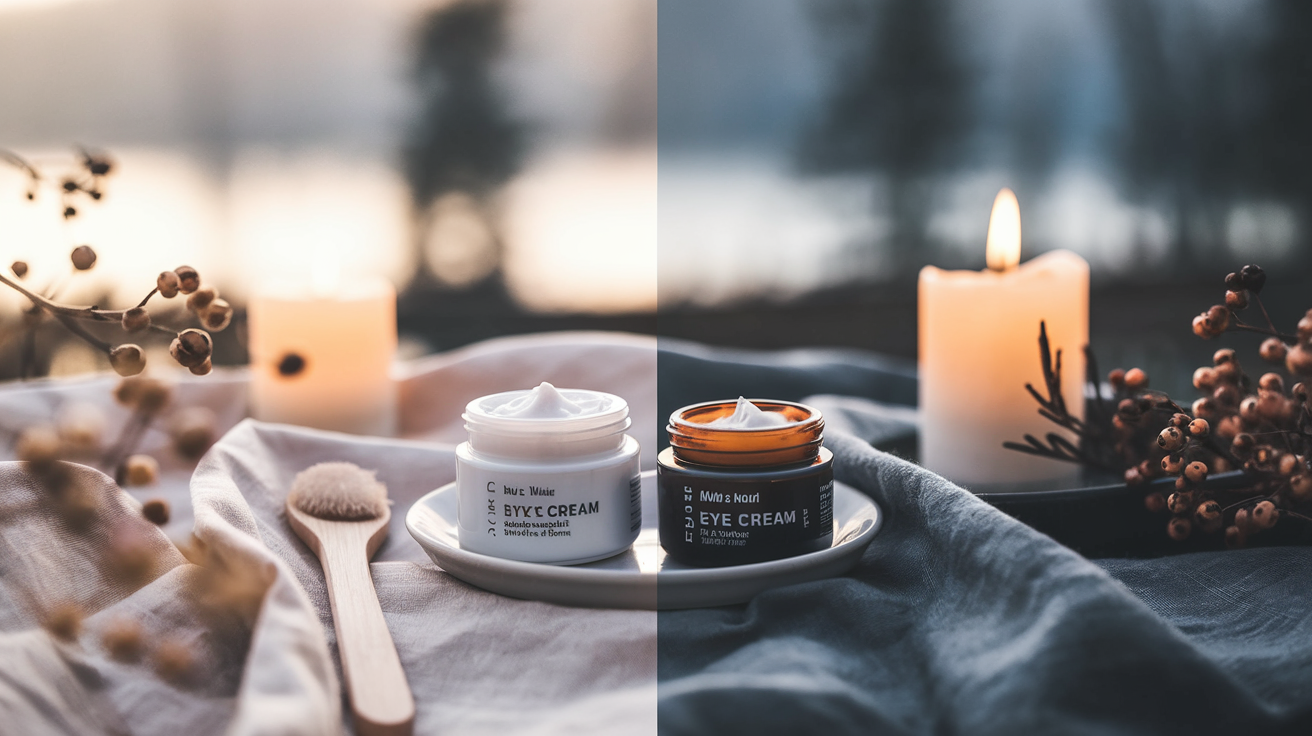
Night eye creams often contain ingredients like retinol, peptides, ceramides, and niacinamide—all of which work to support smoother-looking skin and reduce the appearance of fine lines. Retinol, in particular, should only be used at night since it can increase sun sensitivity.
These formulas tend to be thicker and more emollient than morning versions. They're designed to lock in moisture and deliver active ingredients over several hours while you sleep. You don't need to worry about them sitting well under makeup or feeling lightweight—they can be as nourishing as your skin needs.
Apply your night eye cream after cleansing and any serums, but before your moisturizer if you're layering products. Again, use gentle tapping motions with your ring finger and avoid rubbing or stretching the skin. Give it time to sink in before your head hits the pillow.
If you're new to retinol or other active ingredients, start slowly—two or three nights a week—and gradually increase as your skin adjusts. This helps minimize irritation and lets you see how your skin responds.
How to Choose the Right Eye Cream for Each Time
Choosing the right eye cream for morning versus night comes down to understanding your skin's needs and what you want from each application. For daytime, prioritize lightweight textures, fast absorption, and ingredients that protect and prep. For nighttime, look for richer formulas with repair-focused actives.
If you have puffiness in the morning, a cooling gel with caffeine can help depuff before you start your day. If dryness is your main concern, a hydrating cream with hyaluronic acid works well under makeup. For a targeted approach to fine lines and texture, affiliate one can walk you through specific product types that address different under-eye concerns.
At night, you can go heavier. If you're dealing with the look of crepey skin or visible lines, look for formulas with retinol or bakuchiol (a gentler retinol alternative). If your under-eye area feels thin or fragile, ceramides and peptides can help support the skin's barrier and resilience.
You don't necessarily need two separate eye creams if your budget or routine doesn't allow it. A good all-purpose eye cream can work morning and night as long as it hydrates, absorbs well, and doesn't irritate your skin. But if you want to optimize your routine, affiliate one offers guidance on layering and timing for different skin goals.
Pay attention to how your skin responds. If your morning eye cream feels too heavy or pills under makeup, switch to something lighter. If your night cream doesn't feel nourishing enough, try a thicker balm or add a facial oil on top. Your routine should feel good and work with your lifestyle, not against it.
Consistency matters more than perfection. Whether you apply eye cream once or twice a day, the key is doing it regularly and giving your skin time to adjust and respond. The under-eye area is delicate and slow to change, so patience and gentle care go a long way toward smoother, less tired-looking eyes over time.