Disclosure: This post contains affiliate links. We may earn a commission at no extra cost to you.
How Often Should You Really Apply Eye Cream? Timing Guide for Maximum Results
Published: July 5, 2026
Are you applying eye cream whenever you remember, or skipping it altogether because you're not sure if it even makes a difference? You're not alone. The delicate skin around your eyes needs consistent care, but most of us are guessing when it comes to timing and frequency. Let's clear up the confusion so you can build a routine that actually works for your under-eye area.
Understanding Your Under Eye Skin's Unique Needs
The skin around your eyes is completely different from the rest of your face. It's about ten times thinner, has fewer oil glands, and shows signs of aging faster than anywhere else. This area also experiences constant movement from blinking, squinting, and facial expressions—thousands of micro-movements every single day.
Because this skin is so thin and active, it loses moisture more quickly and becomes prone to dryness, fine lines, and a crepey texture. Regular facial moisturizer isn't always enough here. Eye creams are formulated specifically for this delicate zone with lighter textures and gentler ingredients that won't irritate.
Your under-eye skin also has very little fat padding underneath, which is why dark circles, puffiness, and hollowness become more visible over time. A consistent eye cream routine helps support the skin barrier and keep this area looking smoother and more hydrated.
Think of your eye cream as maintenance. You're not erasing anything—you're giving your skin the hydration and support it needs to look its best.
Morning Application: The Right Time and Method
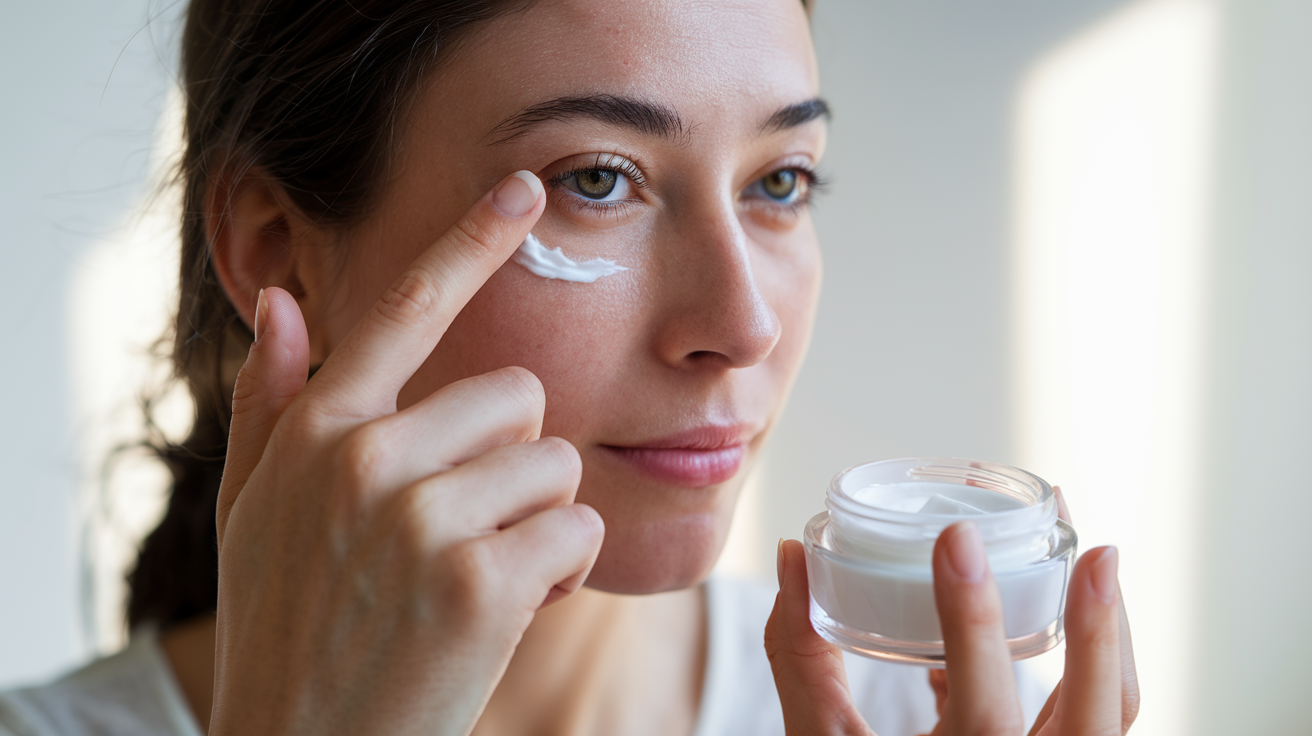
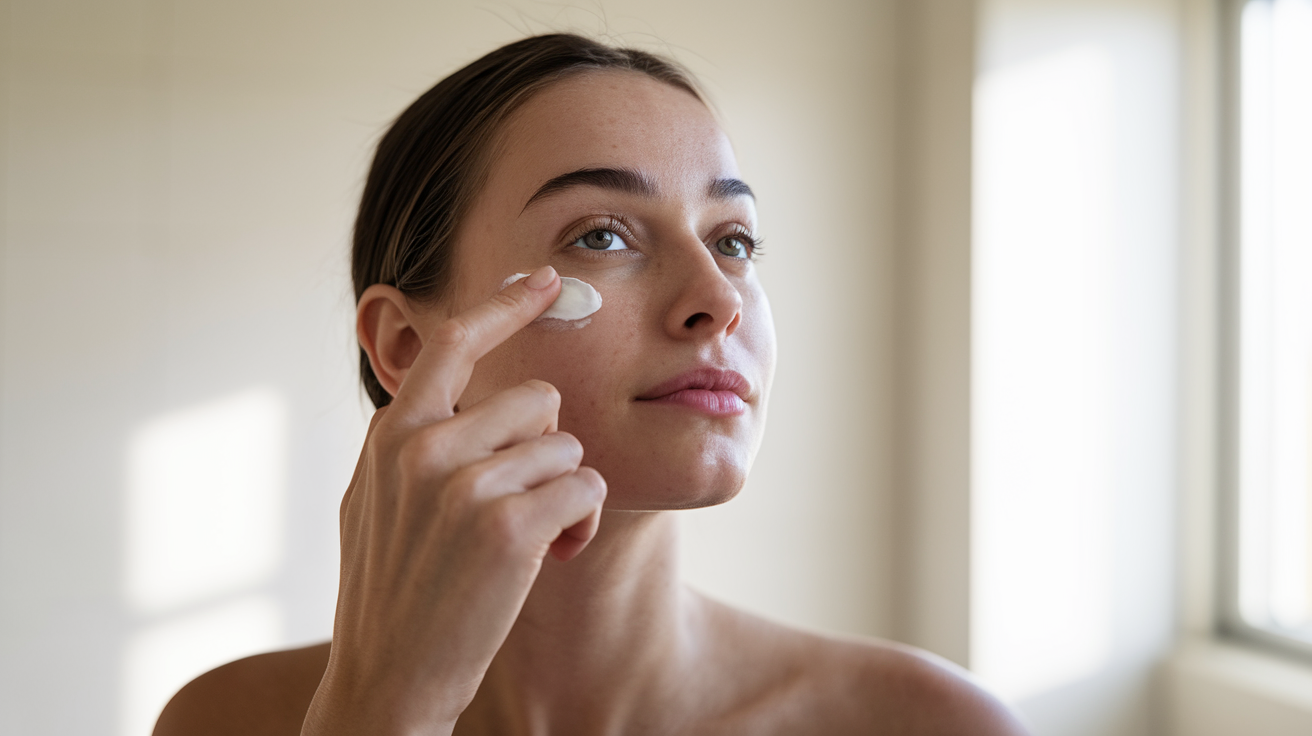
Mornings are when your eye cream does double duty: hydration and prep. After cleansing your face, apply eye cream while your skin is still slightly damp. This helps lock in moisture and gives you a smooth base for makeup if you wear it.
Use your ring finger to gently pat—not rub—a small amount of product along your orbital bone. Start at the inner corner and move outward. Avoid tugging or pulling the skin. The goal is to wake up the area and create a protective layer that sits well under concealer or sunscreen.
Morning formulas tend to be lighter and absorb quickly. Look for ingredients like caffeine, peptides, or hyaluronic acid that help the under-eye area look less puffy and more refreshed. If your eye cream contains antioxidants like vitamin C or E, morning application also helps protect against environmental stressors throughout the day.
Don't skip this step even if you're in a rush. It takes less than 30 seconds and makes a noticeable difference in how your makeup sits and how awake you look.
Tired of seeing under-eye lines before you see yourself?
If the tiny creases under your eyes make you look more tired than you feel, this guide shows the simple under-eye routine that helps soften the look of dry lines, crepey texture, and tired skin without guessing or wasting weeks on random products.
Evening Application: Why Night Matters More
Nighttime is when your skin does most of its repair work, and that's especially true for the under-eye area. While you sleep, your skin increases cell turnover and absorption, making evening application the most important part of your routine.
After removing your makeup and cleansing, apply your eye cream as one of the last steps in your skincare routine. If you use retinol or other active ingredients on your face, be careful around the eye area—those products can migrate and cause irritation. Your eye cream creates a gentle buffer.
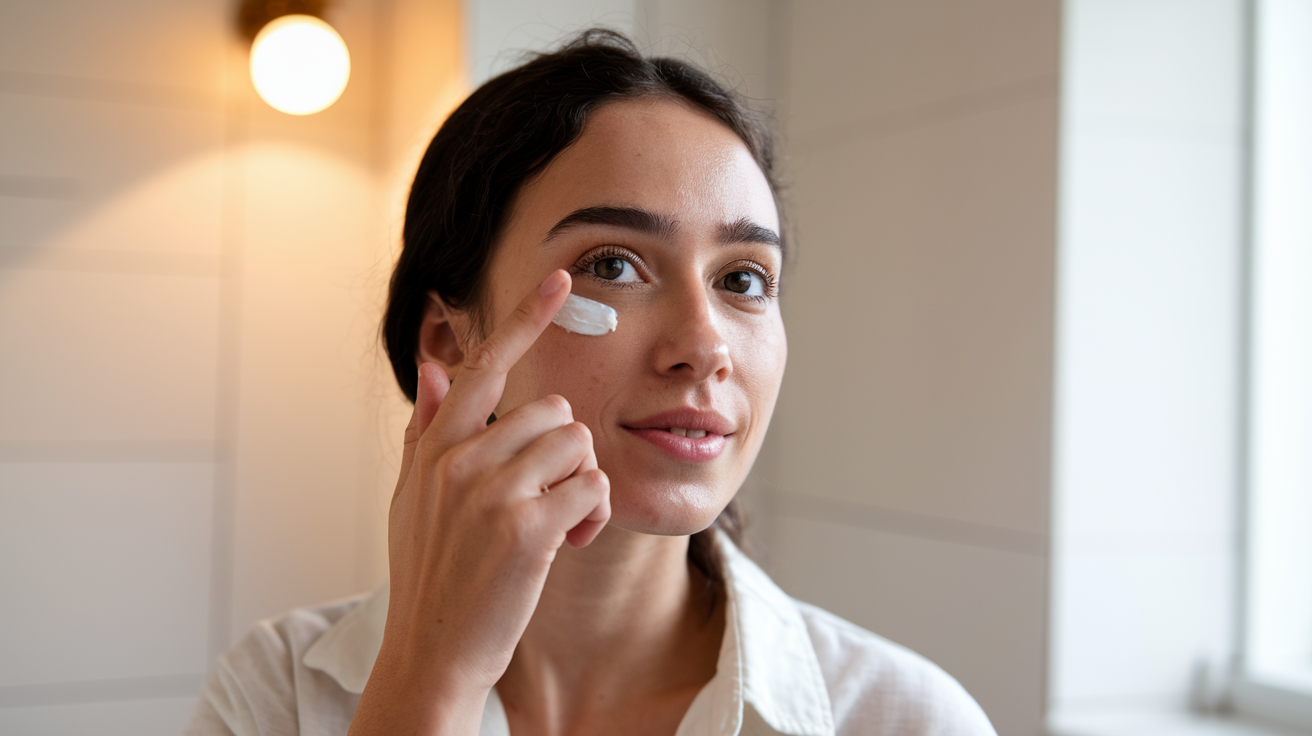
Nighttime eye creams are often richer and more nourishing. They may contain ingredients like ceramides, niacinamide, or gentle retinol alternatives that work while you rest. These formulas focus on hydration, barrier support, and helping the skin look smoother over time.
If you're only going to apply eye cream once a day, make it at night. That's when your skin is most receptive and when you'll see the most benefit from consistent use. For a more detailed breakdown of how to layer your nighttime skincare, check out this affiliate one that walks through the full routine step by step.
Frequency Adjustments Based on Your Skin Type and Age
Not everyone needs the same eye cream routine. Your skin type, age, and specific concerns all play a role in how often you should apply.
If you're in your 20s or early 30s with normal to oily skin, once-a-day application at night is usually enough. Focus on hydration and prevention. If your under-eye area feels dry or tight during the day, add a lightweight morning application.
For those in their mid-30s to 40s, twice-daily application becomes more beneficial. Your skin produces less natural oil as you age, and the under-eye area shows it first. Morning and night application helps keep the skin barrier strong and reduces the appearance of fine lines and dryness.
If you have very dry or mature skin, you might even benefit from a midday refresh. Keep a small tube of eye cream in your bag and gently pat a tiny amount over your under-eye area if it starts to feel tight or if makeup begins to settle into lines.
People with sensitive skin should start slowly—once a day at night—and build up to twice daily only if their skin tolerates it well. Watch for redness, stinging, or puffiness, and adjust accordingly.
Your environment also matters. If you live in a dry climate, work in air conditioning, or spend a lot of time in front of screens, your under-eye area may need extra moisture. Don't be afraid to apply more often if your skin is telling you it needs it.
The key is consistency, not perfection. Applying eye cream twice a day, every day, will always give you better results than applying it sporadically or only when you remember. For more help building a routine that fits your skin and lifestyle, this affiliate one offers a clear roadmap you can follow without overthinking it.
Your under-eye skin is working hard every day. Give it the support it needs with a simple, consistent routine that fits your schedule and your skin's unique needs.