Disclosure: This post contains affiliate links. We may earn a commission at no extra cost to you.
Is Expensive Eye Cream Worth It? What Dermatologists Actually Say About Price vs Results
You're standing in the skincare aisle, staring at two eye creams. One costs $15, the other $150. They both promise to help with fine lines and tired-looking eyes. So what's the actual difference?
This is the question that dermatologists hear constantly. And the answer isn't as simple as you might think. Price doesn't always equal results, but it doesn't mean all eye creams are created equal either.
Let's break down what dermatologists actually say about expensive versus affordable eye creams, so you can make a smarter choice for your skin.
What Actually Makes Eye Cream Expensive
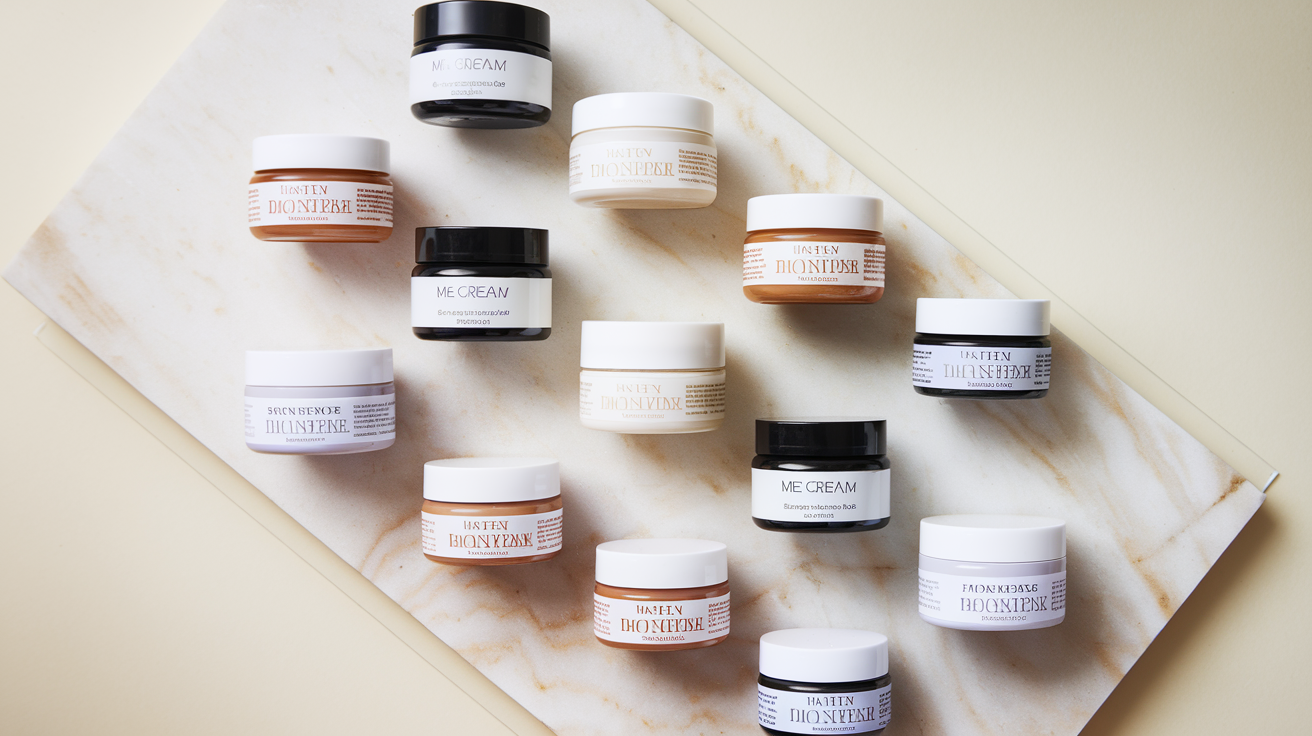
The price tag on luxury eye cream isn't just about the formula inside the jar. Several factors drive up the cost, and not all of them affect how well the product works.
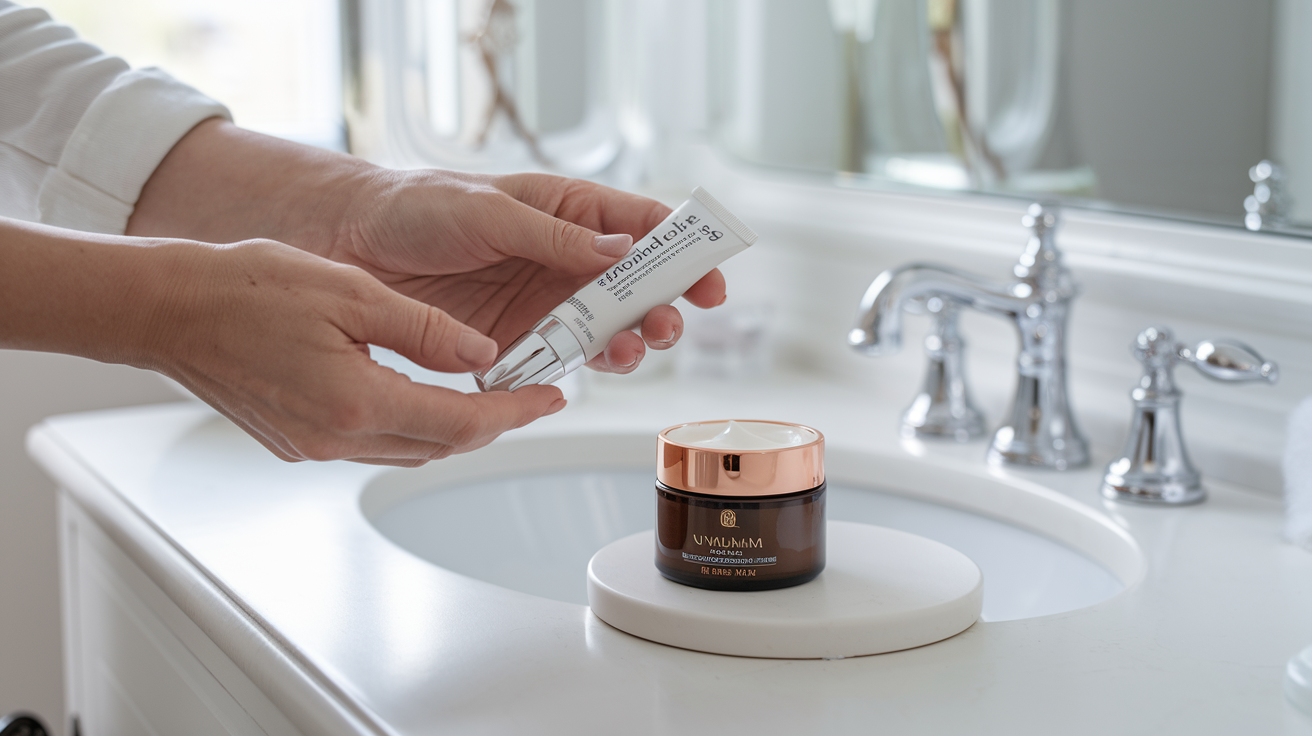
Packaging is a huge one. That heavy glass jar with gold accents and a magnetic closure? It can add $20 to $50 to the retail price. Designer bottles look beautiful on your vanity, but they don't change what happens to your skin.
Marketing and celebrity endorsements also inflate prices dramatically. When a brand pays for glossy magazine spreads, influencer campaigns, and department store counter space, those costs get passed to you. A single ad campaign can cost millions, and that expense gets built into every jar sold.
Then there's research and development. Some luxury brands do invest in clinical trials, proprietary ingredients, and innovative delivery systems. This kind of science-backed development costs real money and can justify a higher price point.
But here's what dermatologists want you to know: many affordable brands use nearly identical active ingredients without the markup. The difference often comes down to branding, not performance.
The Science Behind Ingredient Concentration and Effectiveness
When dermatologists evaluate eye creams, they look at two things: which active ingredients are included, and at what concentration.
The most effective ingredients for reducing the appearance of fine lines and tired-looking eyes include retinol, peptides, vitamin C, hyaluronic acid, niacinamide, and caffeine. These ingredients have actual research backing their benefits for skin appearance.
Concentration matters a lot. A cream with 0.1% retinol will work differently than one with 0.5% retinol. But here's the catch: brands aren't always required to list exact percentages on the label. A luxury cream and a drugstore cream might both list retinol as the third ingredient and contain nearly the same amount.
Formulation quality also plays a role. How well ingredients are stabilized, how they're delivered into skin, and how they work together can affect results. Some expensive creams do use more sophisticated delivery systems like encapsulation technology or time-release formulas.
However, dermatologists emphasize that many affordable brands have access to the same formulation technology. The gap between luxury and drugstore has narrowed significantly in recent years.
One dermatologist put it this way: if you're comparing two creams with the same active ingredients at similar concentrations, the expensive one might feel more luxurious, but your skin probably won't know the difference.
Tired of seeing under-eye lines before you see yourself?
If the tiny creases under your eyes make you look more tired than you feel, this guide shows the simple under-eye routine that helps soften the look of dry lines, crepey texture, and tired skin without guessing or wasting weeks on random products.
Affordable Eye Creams That Dermatologists Swear By
Dermatologists often recommend affordable eye creams that contain proven ingredients without the luxury markup. Here are the types they point patients toward.
CeraVe Eye Repair Cream is a frequent recommendation. It contains ceramides, hyaluronic acid, and niacinamide in a gentle formula that works for most skin types. Dermatologists like that it focuses on hydration and skin barrier support without unnecessary extras.
The Ordinary Caffeine Solution 5% + EGCG is another go-to for reducing the appearance of puffiness and tired-looking eyes. It's extremely affordable and uses straightforward, research-backed ingredients.
Neutrogena Rapid Wrinkle Repair Eye Cream contains retinol SA, a stabilized form of retinol that helps with the appearance of fine lines. It's available at most drugstores for under $20.
RoC Retinol Correxion Eye Cream is also frequently mentioned. RoC has decades of retinol research and makes products that dermatologists trust for helping skin look smoother over time.
What these products have in common: they focus on active ingredients that work, skip unnecessary fragrance and dyes, and don't charge you for fancy packaging. Many dermatologists use these products themselves or recommend them to family members.
If you want more detailed guidance on building an effective routine, check out this affiliate one for specific steps that work with different skin concerns.
When Luxury Eye Cream Is Worth The Investment
There are times when spending more on eye cream might make sense for your specific situation.
If you have very sensitive skin and react to many ingredients, luxury brands sometimes offer cleaner formulations with fewer potential irritants. Some high-end brands specialize in hypoallergenic formulas that have undergone extensive sensitivity testing.
Advanced delivery systems can also justify a higher price. Some luxury eye creams use patented encapsulation technology that helps active ingredients penetrate more effectively or release slowly over time. If you've tried affordable retinol and experienced irritation, a time-release luxury version might work better for you.
Texture and experience matter to some people. If using a luxurious eye cream makes you more consistent with your routine, that consistency might lead to better results than a cheaper product you forget to use. Skincare only works when you actually apply it.
Some people also value supporting brands that invest heavily in research. If a company is funding clinical trials and developing new ingredients, buying their products supports that innovation.
That said, dermatologists emphasize that for most people, most of the time, affordable options work just as well. The best eye cream is the one you'll use consistently that contains proven ingredients at effective concentrations.
If you're still not sure which approach fits your skin and budget, this affiliate one walks through how to match products to your specific under-eye concerns.
The Bottom Line on Eye Cream Pricing
What dermatologists want you to understand is this: price is not a reliable indicator of how well an eye cream will work for you.
Look at the ingredient list instead. Check for proven actives like retinol, peptides, vitamin C, niacinamide, or hyaluronic acid. Consider your skin type and any sensitivities you have. Think about which formulation you'll actually enjoy using every day.
A $15 eye cream with retinol and ceramides can help skin look smoother and less tired-looking just as well as a $150 version with the same ingredients. The expensive one might feel more elegant, but your skin responds to chemistry, not branding.
Start with affordable, dermatologist-recommended options. If those work for you, there's no reason to spend more. If you're not seeing the improvement you hoped for after consistent use, then consider whether a different formulation or higher concentration might help, not just a higher price tag.
The smartest approach is to invest your money in products with ingredients that actually make a difference, regardless of whether they come in a luxury package or a simple tube. Your skin will thank you, and so will your wallet.