Disclosure: This post contains affiliate links. We may earn a commission at no extra cost to you.
How to Choose the Right Eye Cream for Your Skin Type: A Complete Guide
Are you still guessing which eye cream might work for your skin, or picking bottles based on pretty packaging and hoping for the best?
Choosing the right eye cream isn't about finding the most expensive jar or the one with the longest ingredient list. It's about understanding what your specific skin type needs and matching that to formulas that actually support your under-eye area.
In this guide, you'll learn how to identify your under-eye skin type, which ingredients work best for your concerns, and how to stop wasting money on products that don't fit your skin.
Understanding Your Under Eye Skin Type
The skin under your eyes is different from the rest of your face. It's thinner, more delicate, and often behaves differently than your cheeks or forehead.
Your under-eye skin type might not match your overall face type. You might have oily skin on your T-zone but dry, flaky patches under your eyes. Or you could have combination skin everywhere else but find that the under-eye area feels tight and looks crepey by midday.
To figure out your under-eye skin type, look closely in natural light a few hours after cleansing. Does the skin feel tight or look flaky? That's dry. Does it look shiny or feel slick? That's oily. Does it react easily to new products with redness or stinging? That's sensitive. Does it feel normal in the morning but dry by afternoon? That's likely combination.
Once you know what you're working with, you can stop buying eye creams that don't match your needs.
Best Eye Cream Formulas for Dry Skin
If your under-eye skin feels tight, looks dull, or shows visible flakiness, you need richer, more emollient formulas that help seal in moisture and support your skin barrier.
Look for eye creams with ingredients like squalane, shea butter, ceramides, and hyaluronic acid. These help draw moisture into the skin and lock it in without feeling heavy or greasy.
Avoid lightweight gels or water-based serums if you have dry under-eyes. They might feel refreshing at first, but they won't give you the long-lasting hydration your skin needs.
Apply your eye cream on damp skin right after cleansing. This helps trap water in the skin and makes your product work harder. If you want more targeted support for dry under-eye skin, this affiliate one offers helpful tips on building a routine that works.
Tired of seeing under-eye lines before you see yourself?
If the tiny creases under your eyes make you look more tired than you feel, this guide shows the simple under-eye routine that helps soften the look of dry lines, crepey texture, and tired skin without guessing or wasting weeks on random products.
Eye Creams for Oily and Combination Skin
If your under-eye area looks shiny or feels slick by midday, heavy creams can make things worse. You need lightweight formulas that hydrate without adding extra oil or clogging pores.
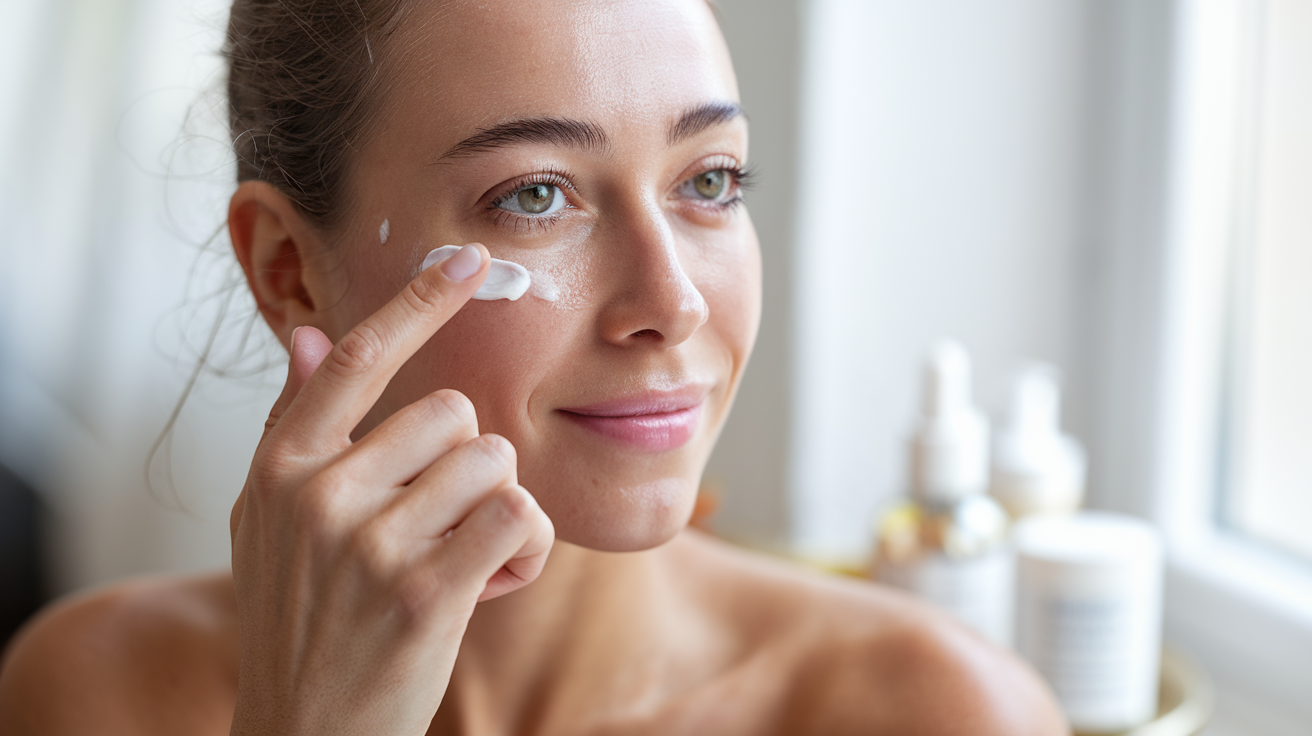
Gel-based eye creams or water-cream textures work well for oily and combination skin types. Look for ingredients like niacinamide, caffeine, and lightweight peptides. These absorb quickly and won't leave a greasy residue that interferes with makeup.
Avoid thick balms, oils, or anything that sits on top of the skin. These can migrate into your eyes, cause puffiness, or make concealer slide off.
If your under-eyes are oily in the morning but dry by evening, you might have combination skin. In that case, use a lighter formula in the morning and a slightly richer one at night.
Sensitive Skin Eye Cream Recommendations
Sensitive under-eye skin can react to fragrance, essential oils, and even some active ingredients that work fine on the rest of your face.
If your under-eyes sting, turn red, or feel irritated easily, look for fragrance-free formulas with calming ingredients like colloidal oatmeal, bisabolol, or allantoin. Avoid products with synthetic fragrance, alcohol, or high concentrations of retinol.
Patch test new eye creams on your inner arm or jawline before applying them to your under-eyes. Even products labeled as gentle can cause reactions in delicate skin.
Keep your routine simple. The fewer ingredients, the lower the chance of irritation. Stick with one or two products that work instead of layering multiple serums and creams.
Matching Active Ingredients to Your Skin Type
Active ingredients can help support smoother-looking skin, but they need to match your skin type to work without causing problems.
For dry skin, look for hyaluronic acid, peptides, and ceramides. These support hydration and help the skin look plumper and less tired.
For oily or combination skin, try niacinamide and caffeine. These help reduce the appearance of puffiness and support a smoother texture without adding heaviness.
For sensitive skin, stick with gentle actives like peptides and avoid retinol or high-strength vitamin C unless your skin has been tested and tolerates them well.
If you're new to eye creams or want to build a routine that fits your specific concerns, check out this affiliate one for a step-by-step approach to choosing the right products.
Choosing the right eye cream comes down to knowing your skin type, understanding which ingredients work for your concerns, and being patient with the process. There's no magic formula that works overnight, but the right product used consistently can help your under-eye area look smoother, brighter, and less tired over time.